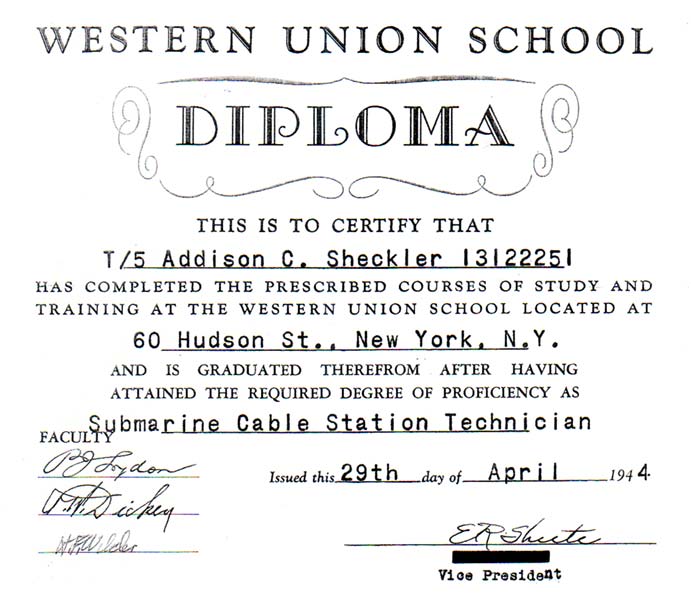
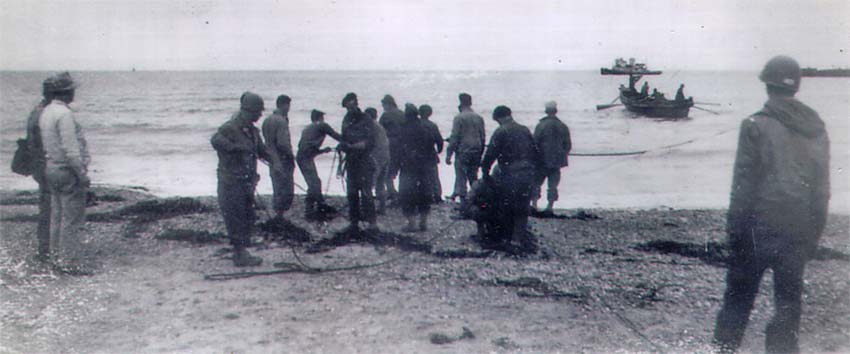
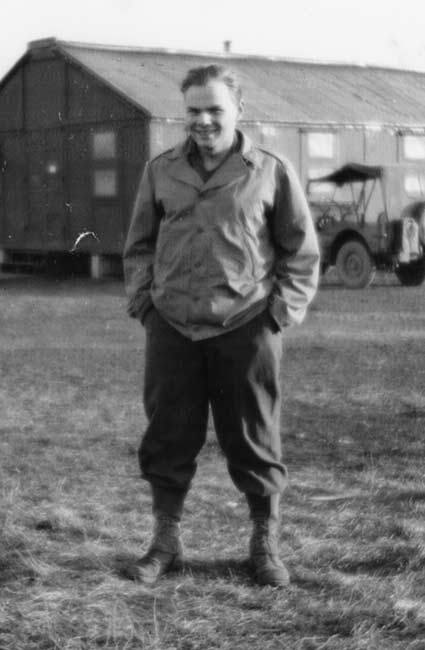
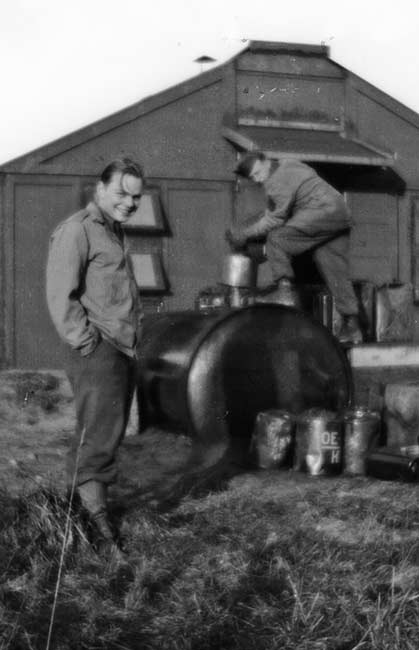
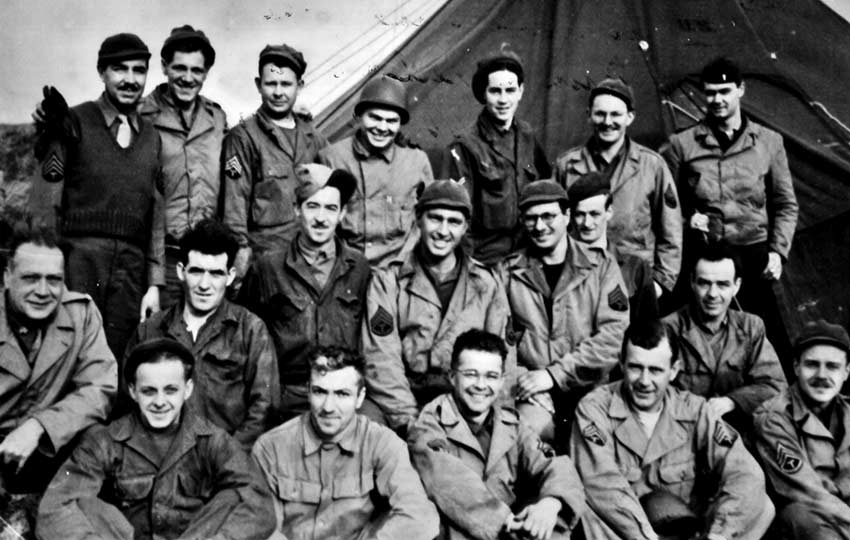
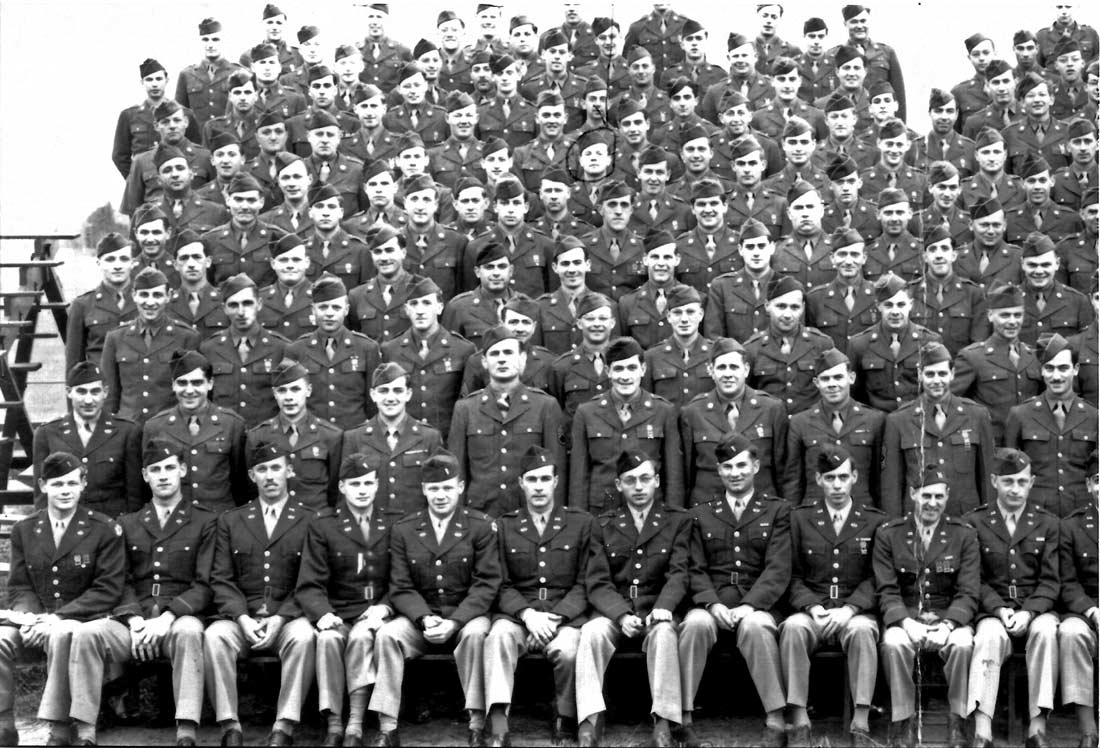
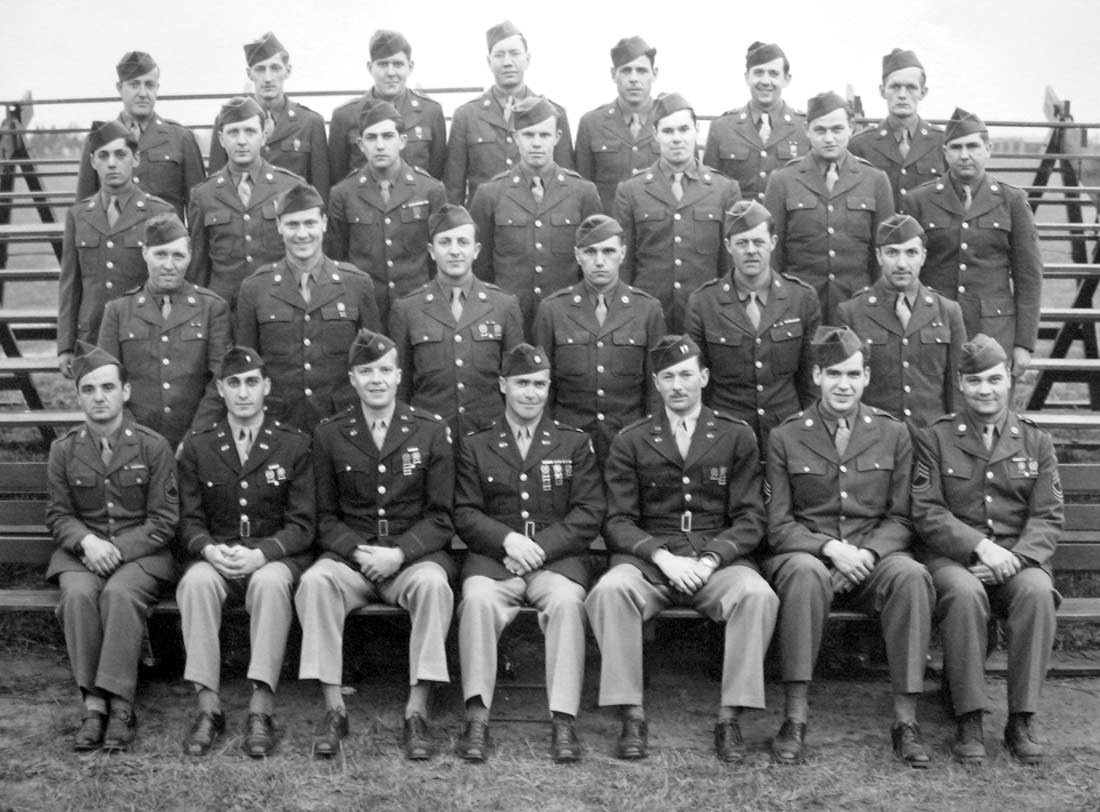
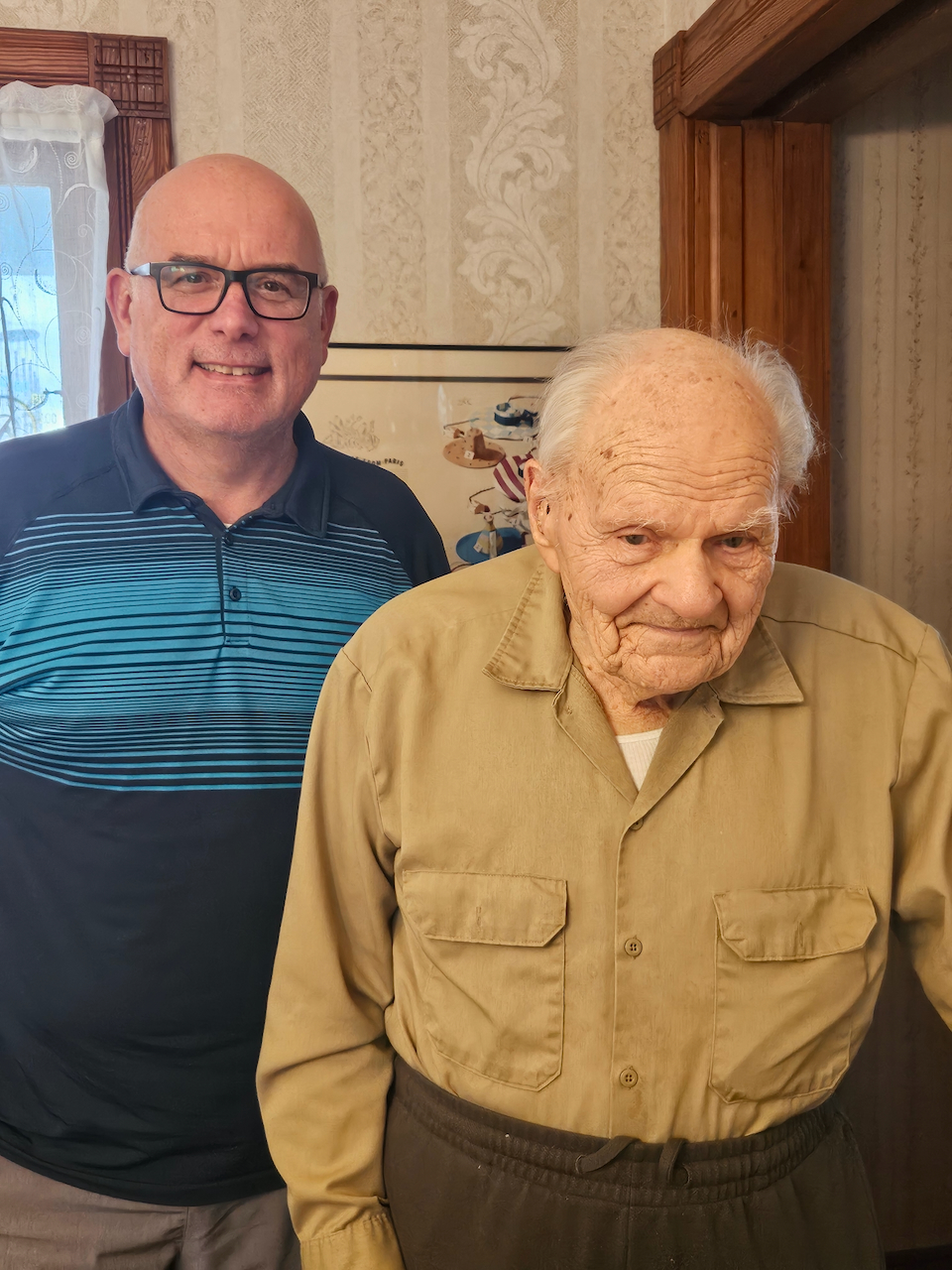
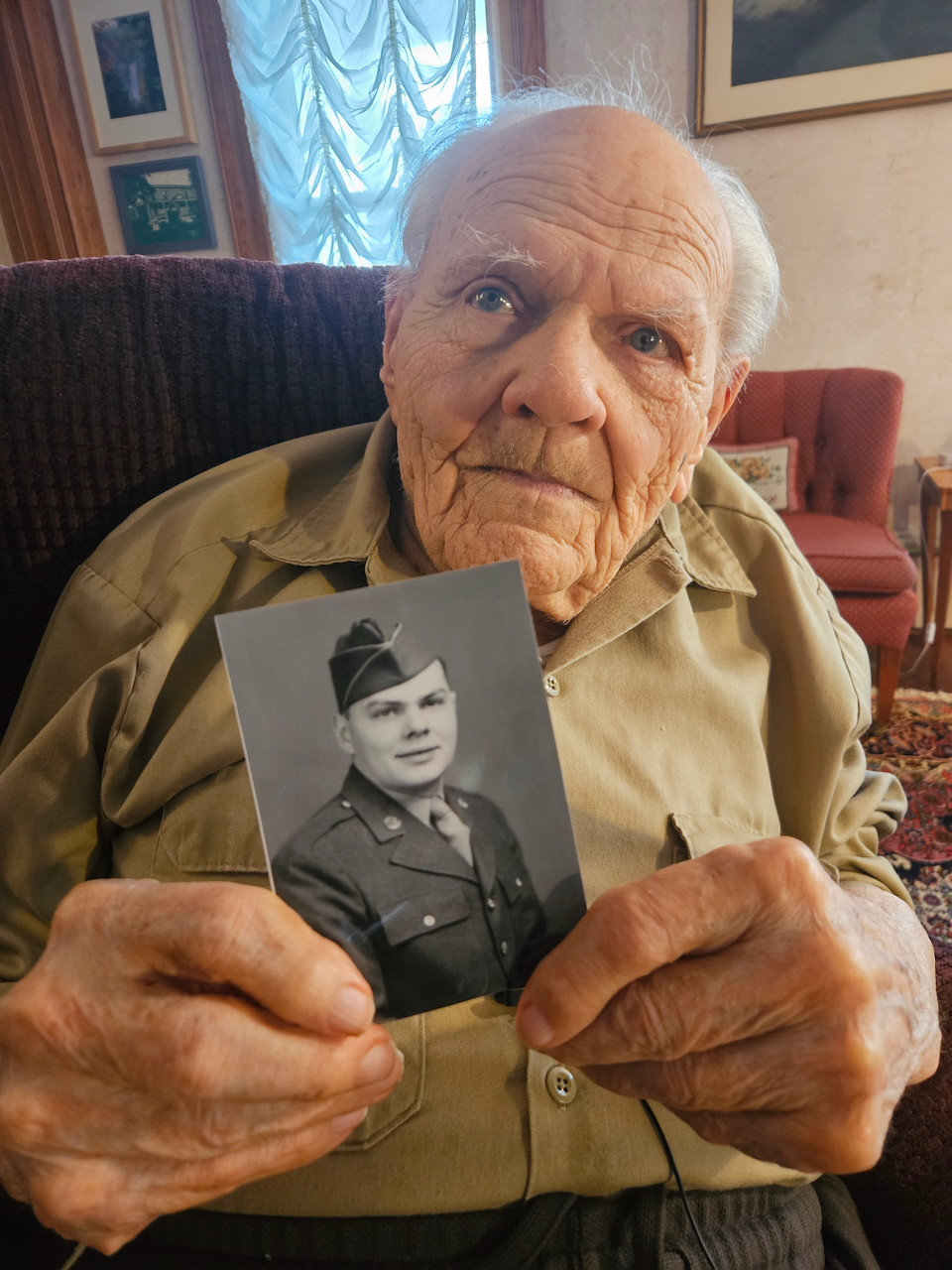
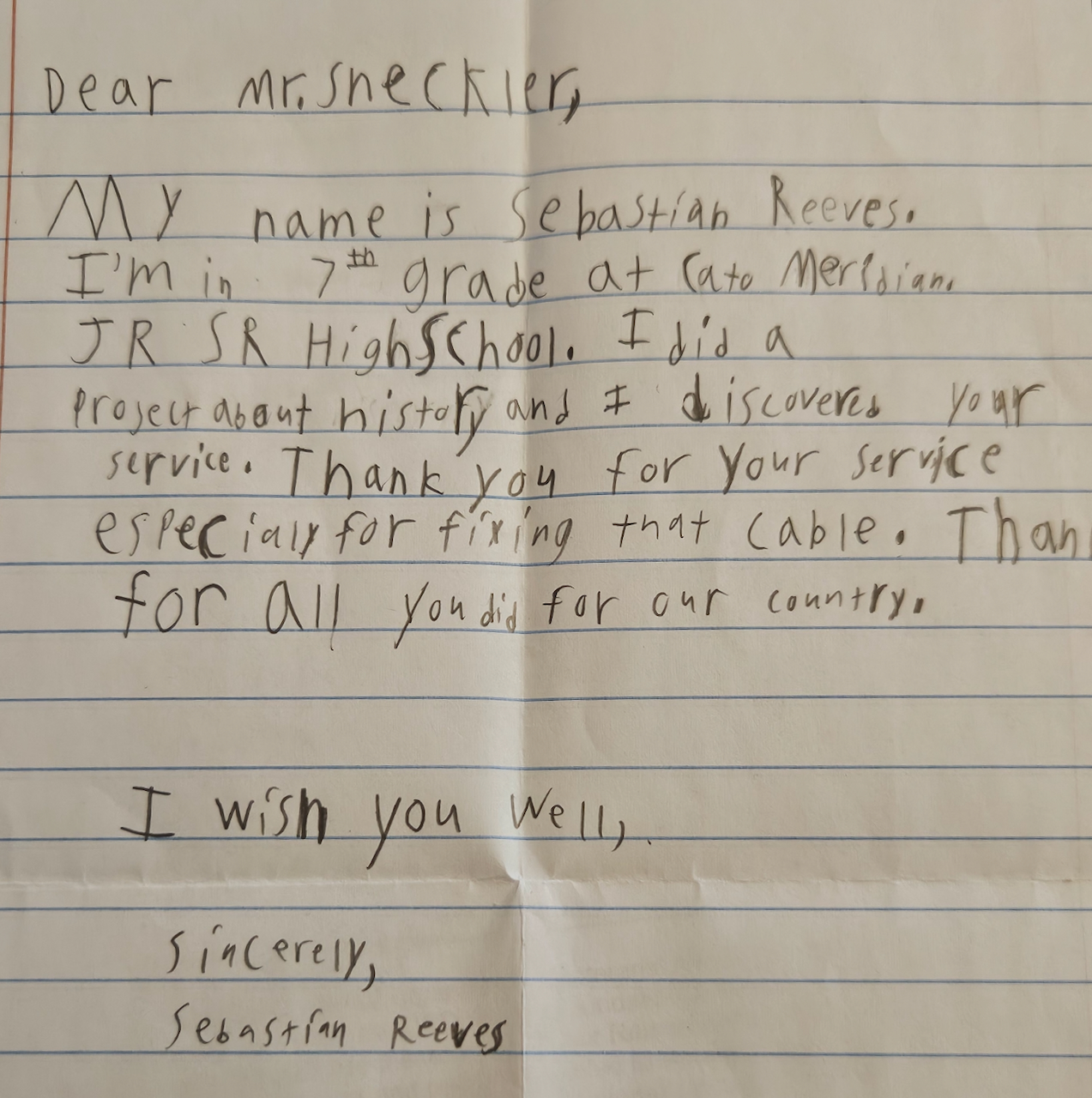
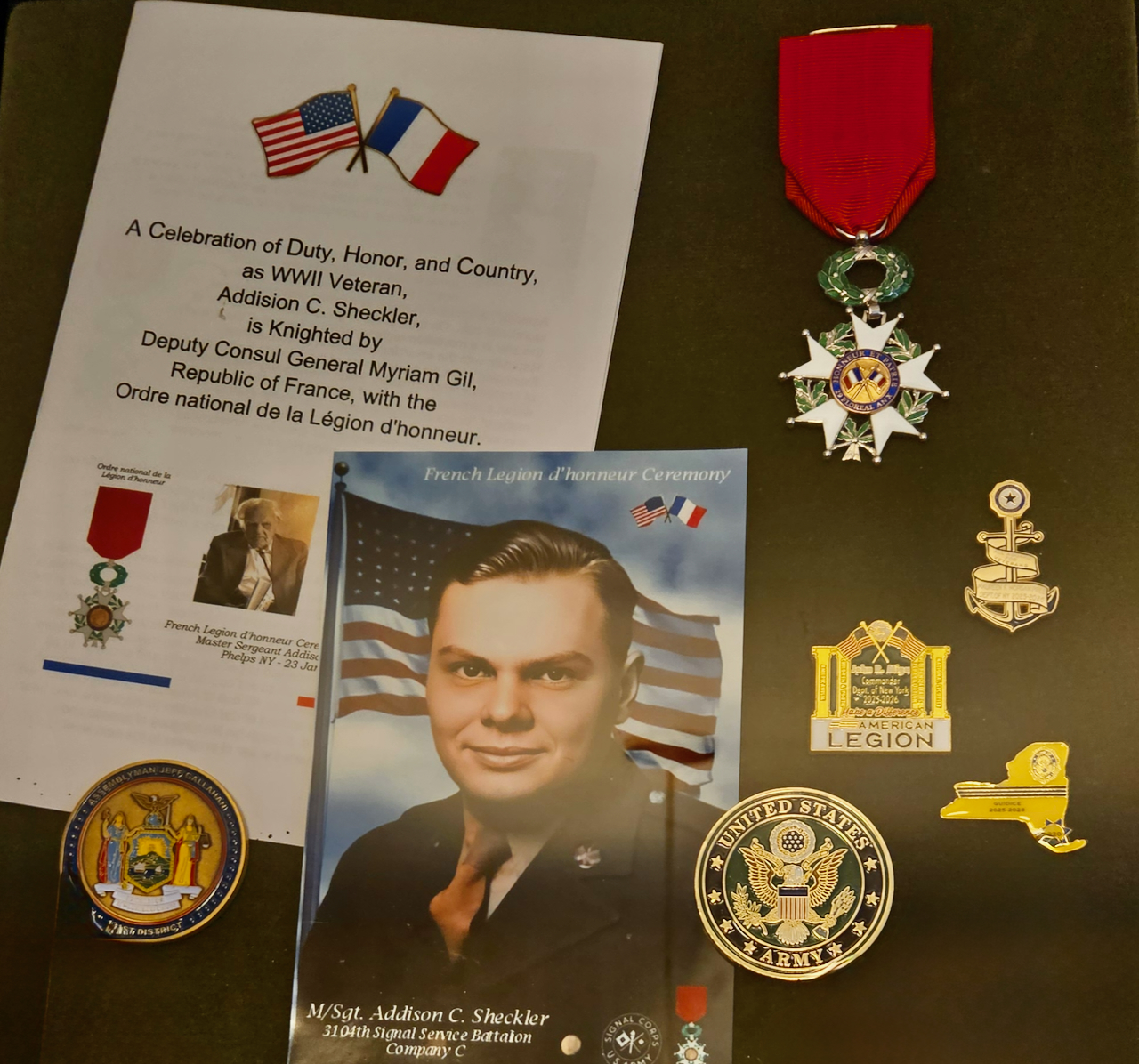
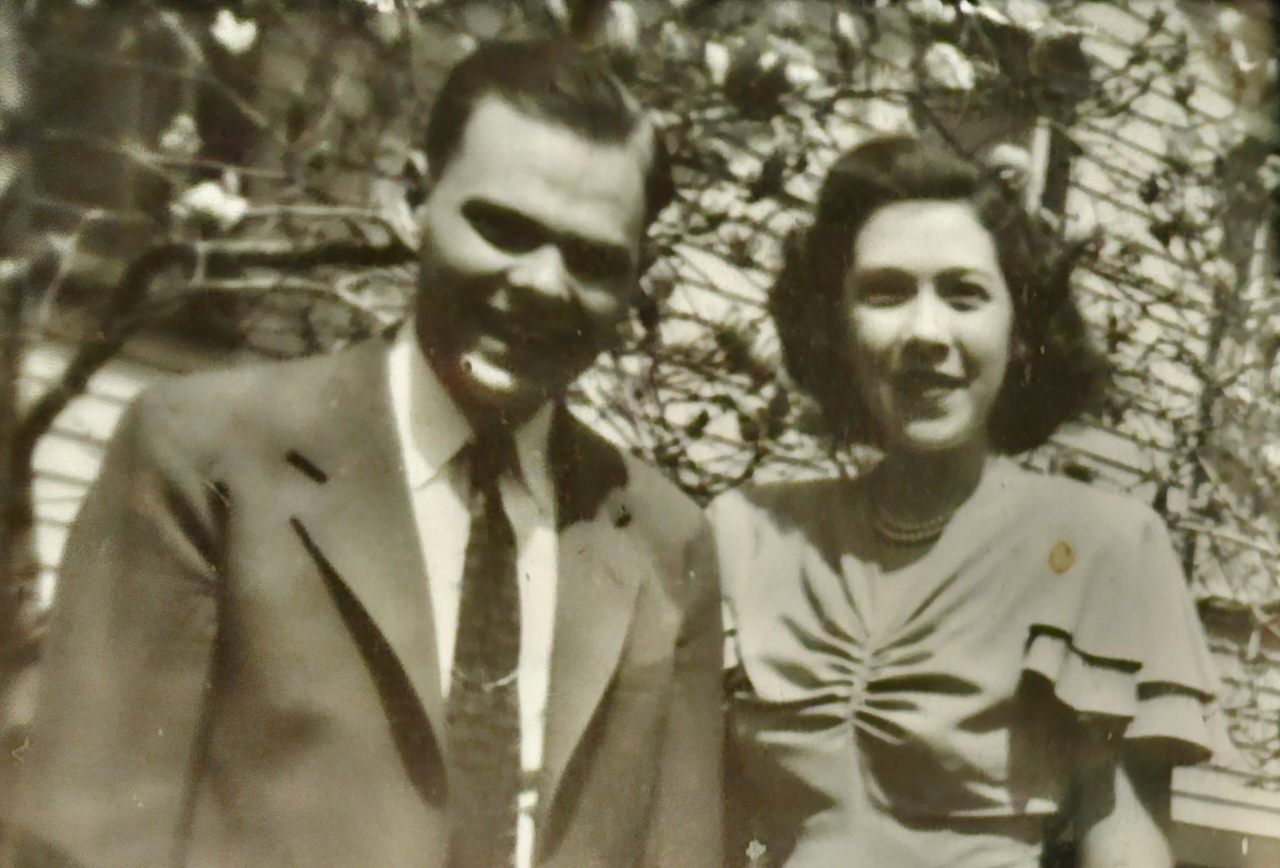
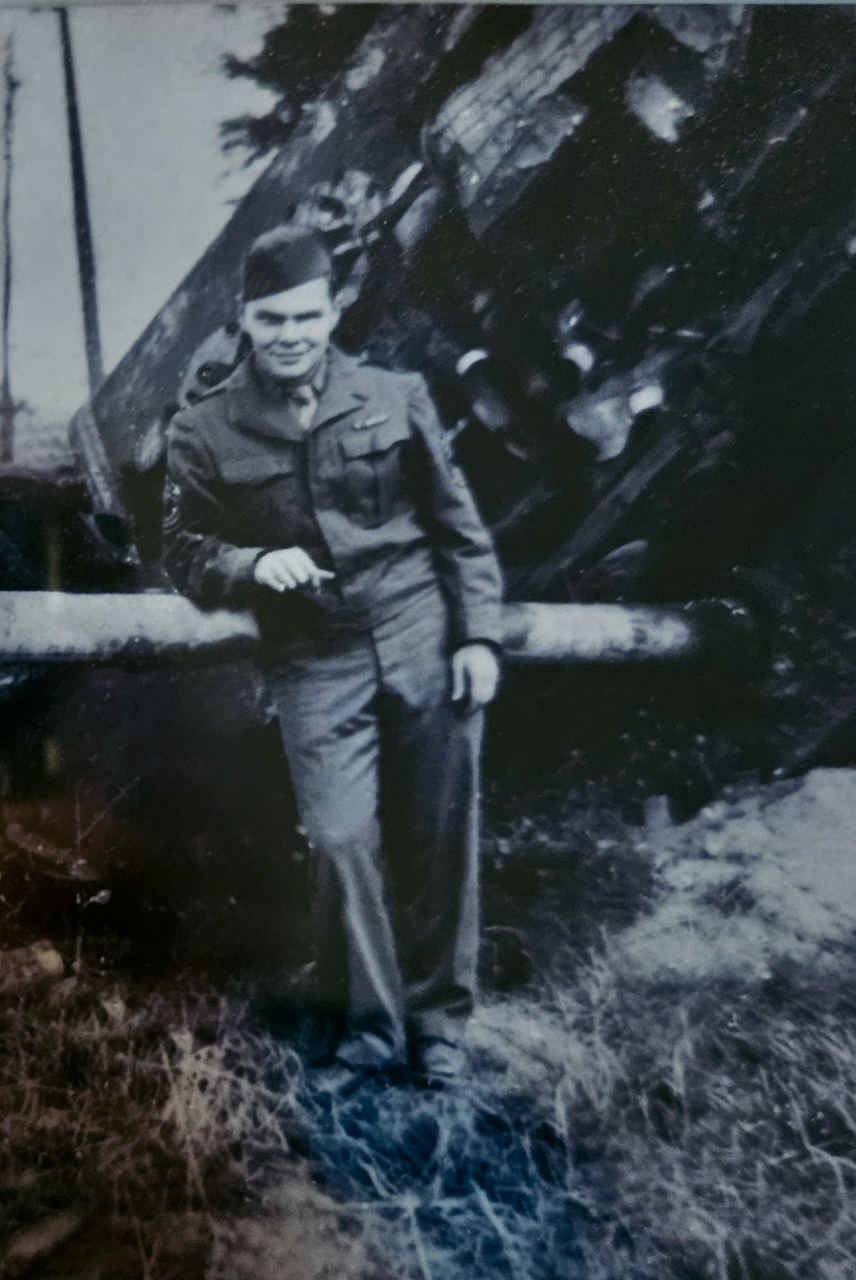
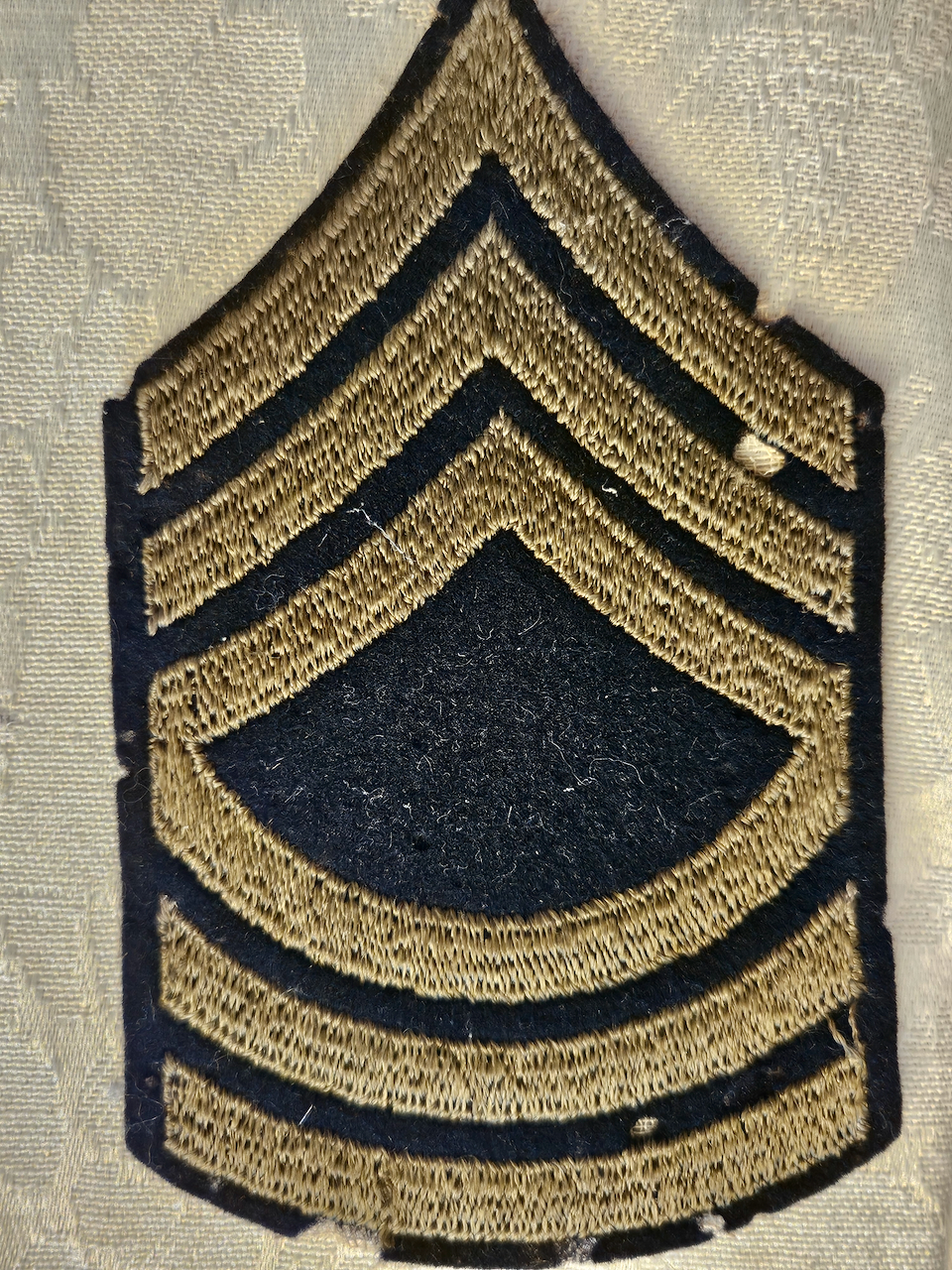
Addison Sheckler – known as Cal – was born April 27, 1923 in Lehighton, Pennsylvania. He started life there and later moved to Philadelphia, where he grew up against the backdrop of the Great Depression. He did all the normal things for a young boy in that time, going to school and the movies. Cal graduated high school in the Class of 1941, and he began to attend Drexel University – and that’s where he was when the attack on Pearl Harbor occurred. Cal also had worked at Westinghouse, GE and RCA and he was well-versed in mathematics and electronics, and those areas would be the focus of his time in the army. Cal was assigned to the Signals Corps; early on he attended basic training, where he became very ill after an exercise, so much so that he had to be hospitalized for 12 weeks and was near death. The army sent him home on an extended leave, and in January 1944 his group was assembled in New York and was sent to study at the Western Union Company’s Research Laboratory. All aspects of ocean cable telegraphy were taught there, including how to set up and operate a modern cable station – that would be the wartime duty they were being prepared for. They boarded the Queen Mary and arrived in Scotland and then Cheltenham, England to find out that they were part of the 3104th Signal Service Battalion, which was to supply communications for SHAEF (Supreme Headquarters Allied Expeditionary Force) and for COM Z (Communication Zone). In early July they were moved to Southampton and on July 6 they arrived on Omaha Beach; they were stationed at Valognes along with COM Z, waiting on the Normandy breakout. About mid-August they started to look for their supplies, which took about five weeks. About mid-September the cable landing site was identified as the beach at Urville Hague, but the area was a mine field and first had to be cleared. On October 20, 1944 the cable ship John W Mackay arrived at Cherbourg and the newly promoted Sergeant Sheckler went aboard to discuss the cable landing. The cable was landed on October 23 and the splicing at sea was completed on October 27, establishing a communications link for SHAEF. Each member of the team had been given his assignment for installation and wiring and in one week the station was complete, and that was followed by wiring the power connection and overcoming obstacles to get the cable working properly, which they did by December 1944. Cal recalls that maintenance procedures were set up and by the end of December 1944 the station operated without any difficulty going forward. After VE Day the 3104th Signal Service Battalion was sent to the Pacific, but Cal and the other men left behind because the station continued. The battalion was entering the Suez Canal on VJ Day when they received orders to turn around and go to New York: they were some of the first people discharged after the war. Cal continued on in France and the army in November 1945 asked him to stay on as civilian station chief with a generous salary offer, which Cal refused. He instead chose to return to school to complete his engineering degree: he married and started a family and went on to achieve great success in his postwar career. Addison “Cal” Sheckler was interviewed by Scott Masters at his home in Cato, N.Y. in March 2026.
Videos
Click next video below to keep watching