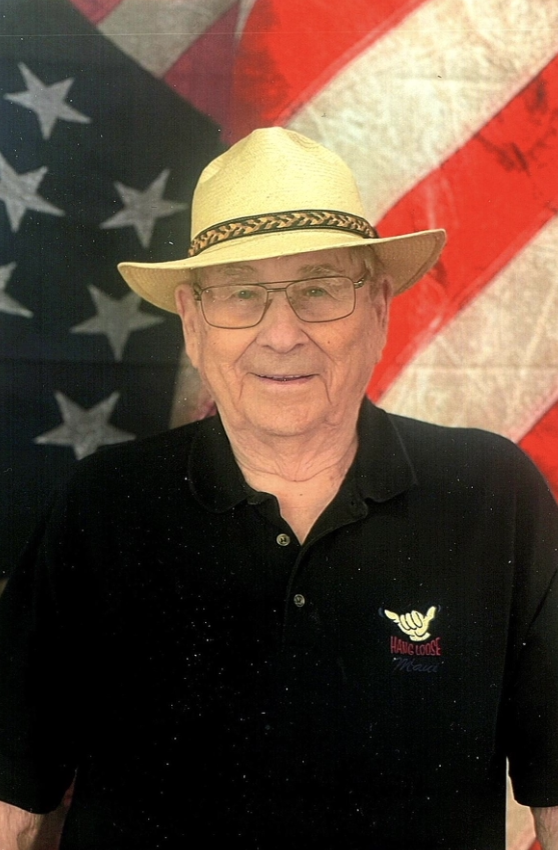
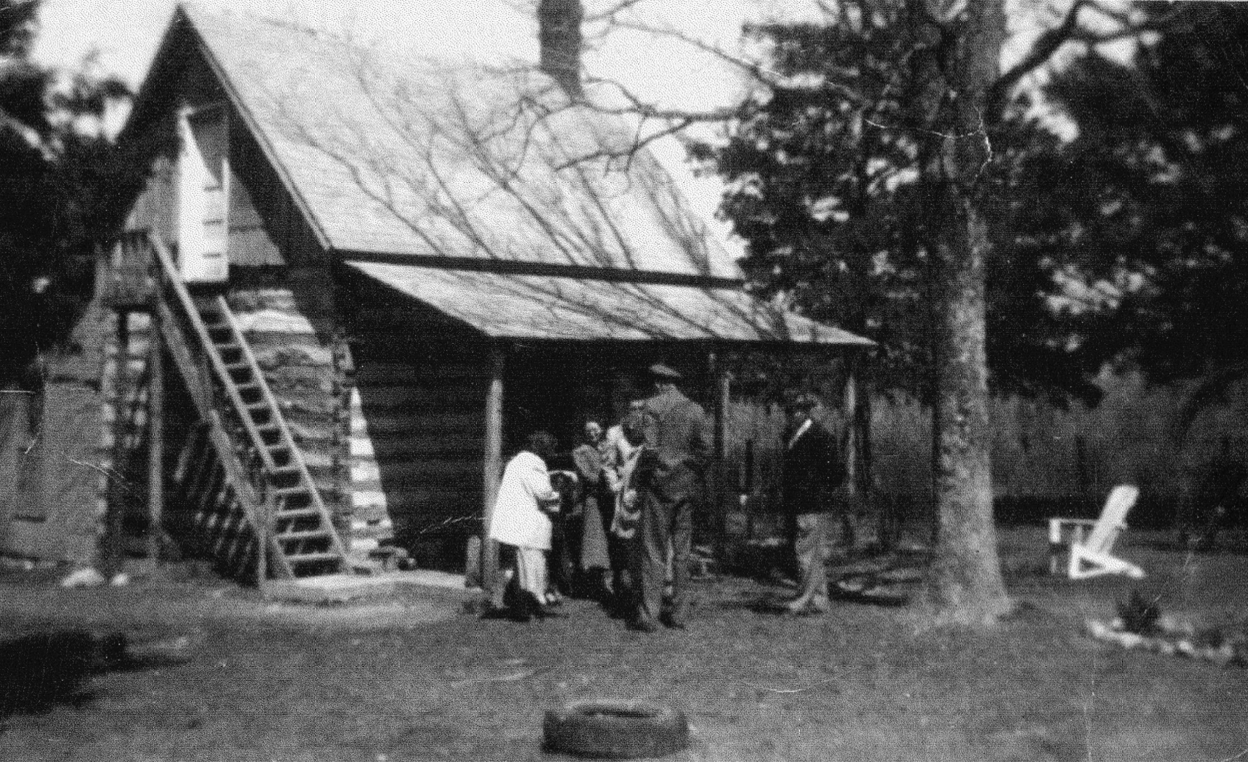
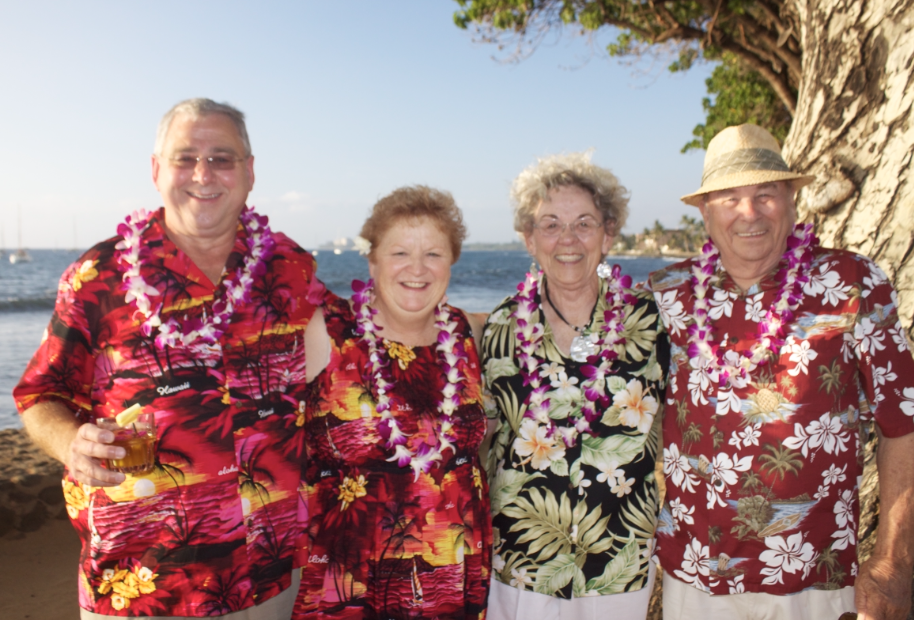
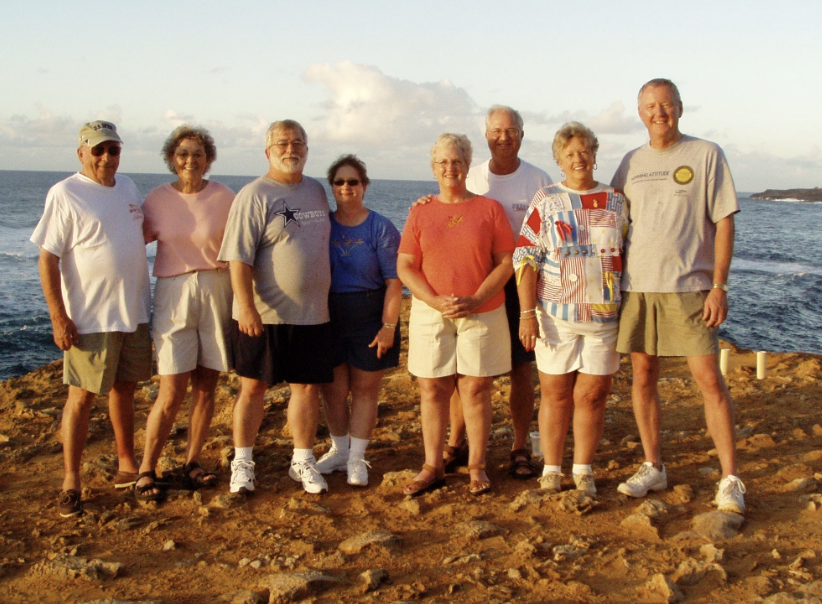
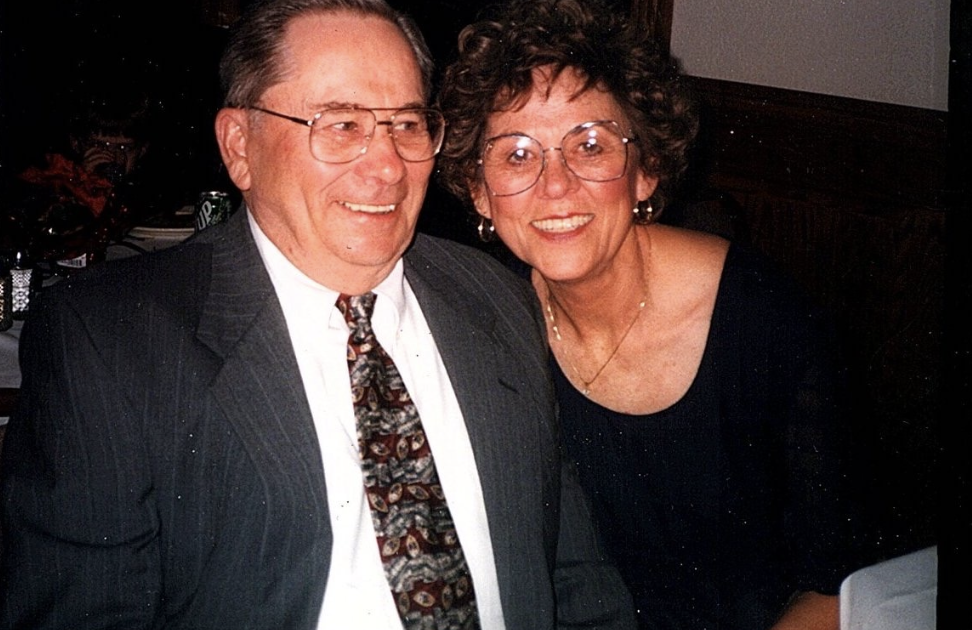
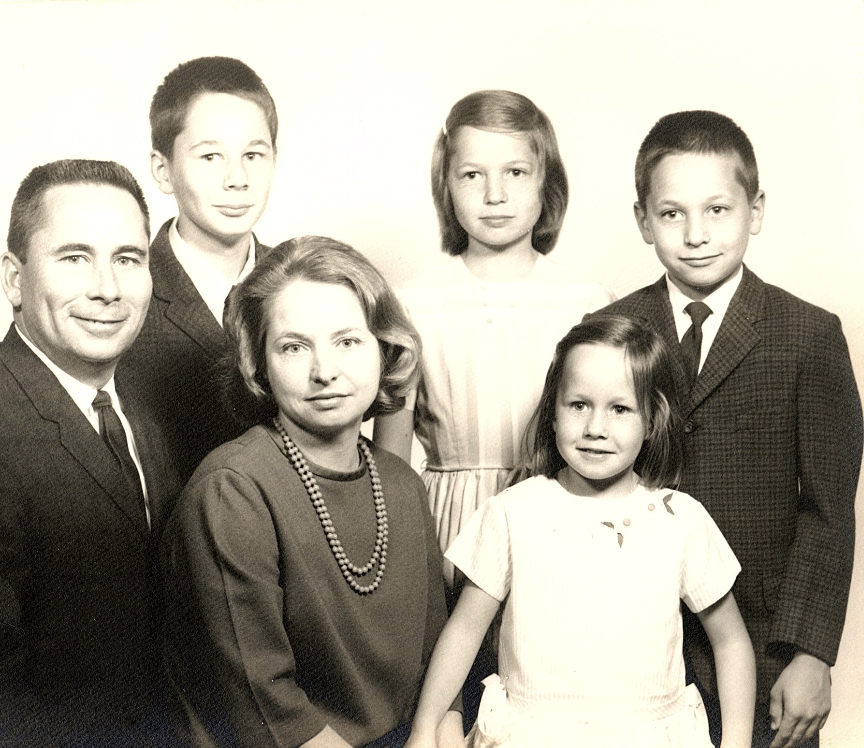
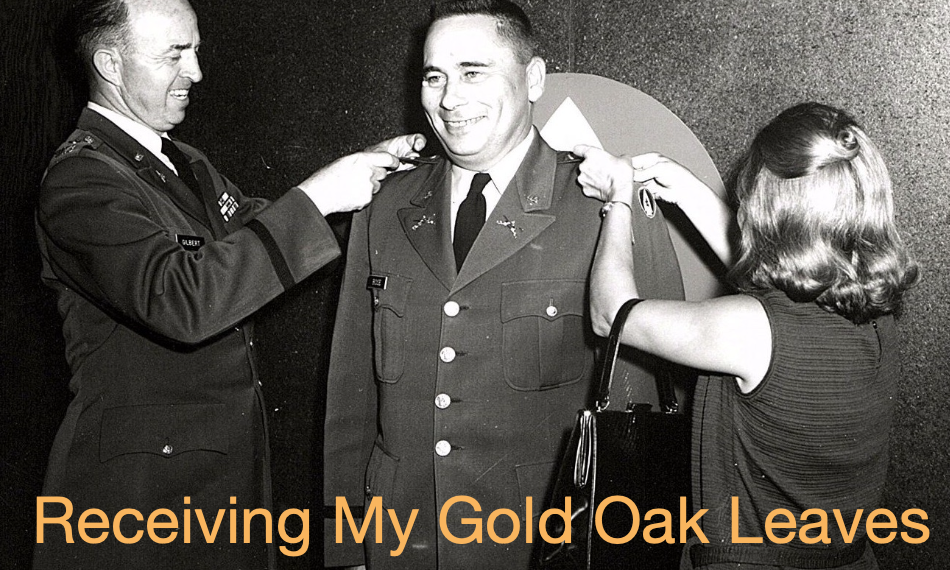
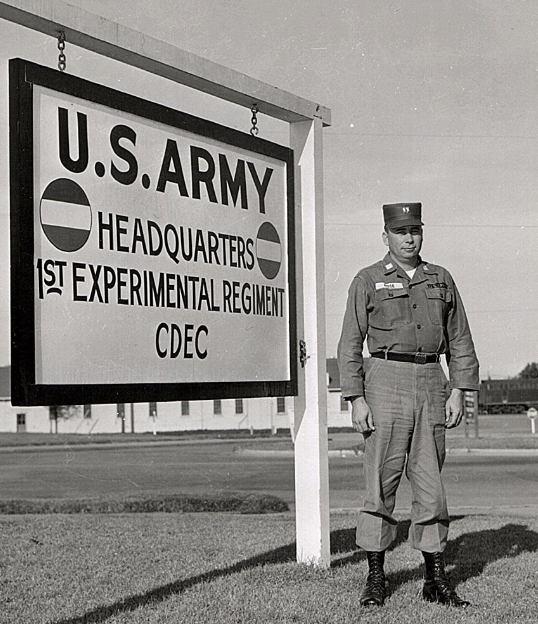
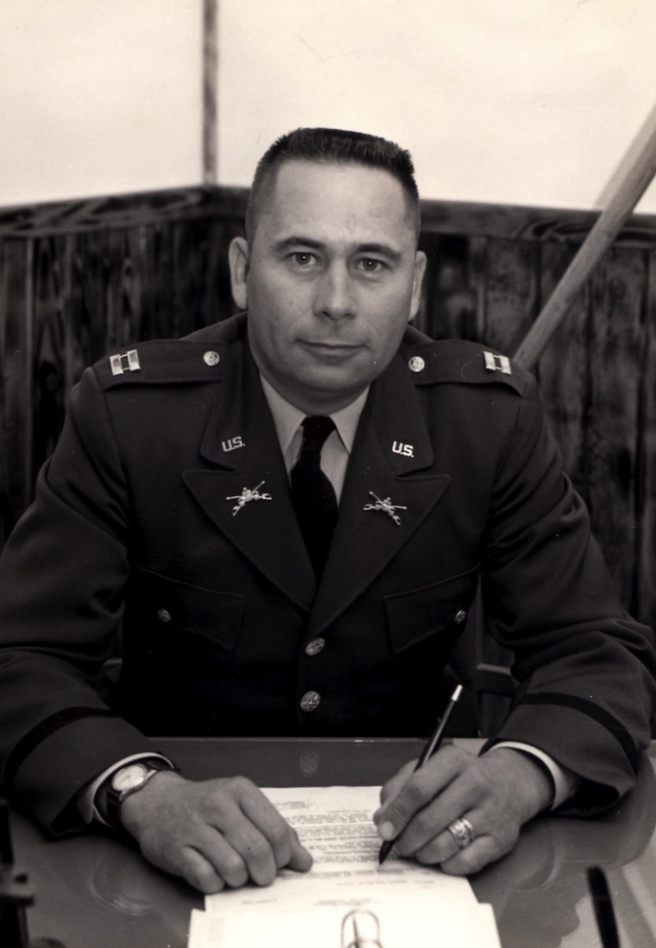
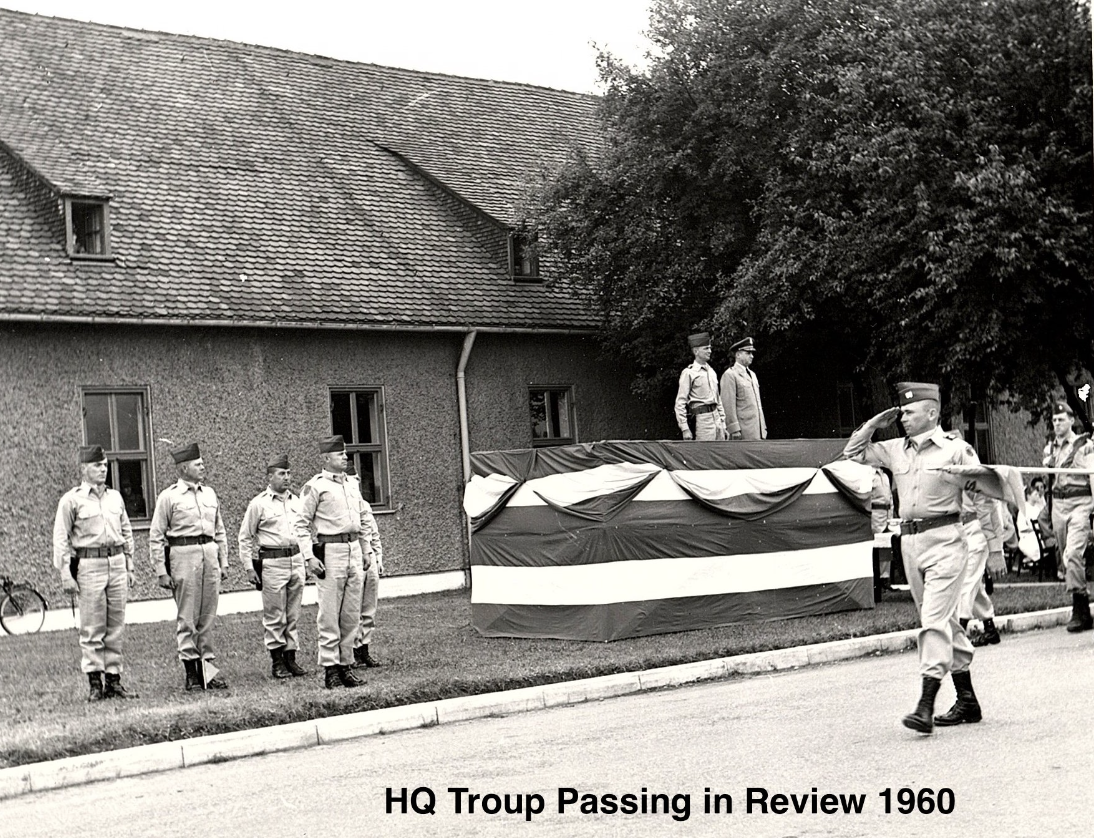
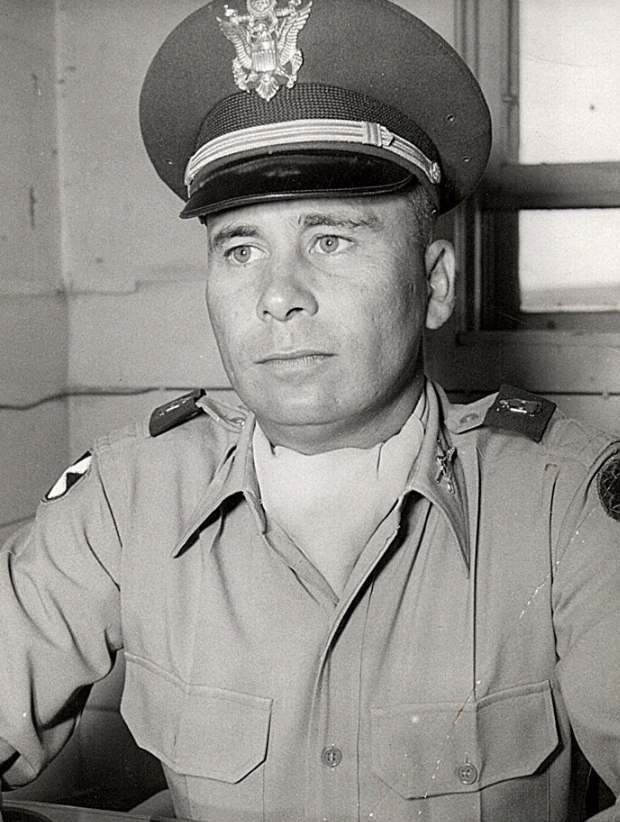
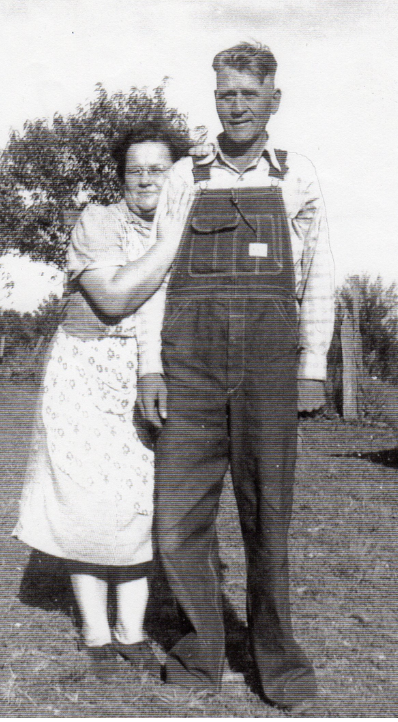
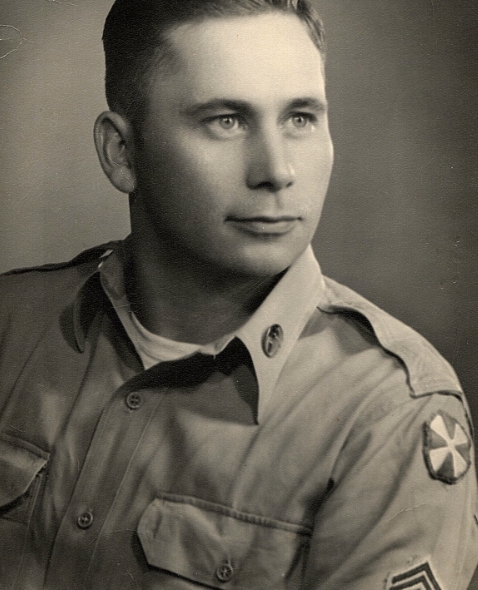
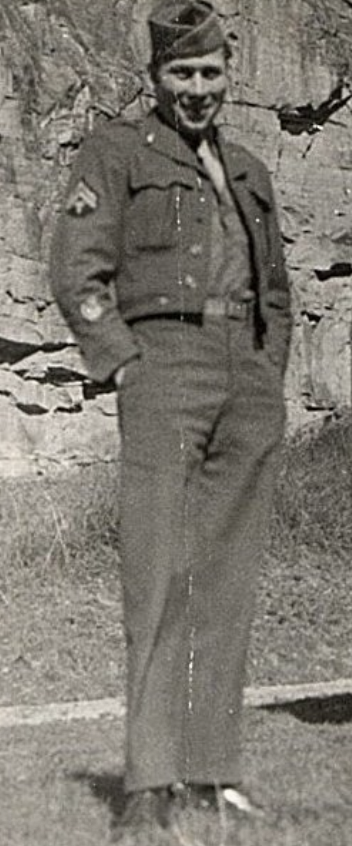
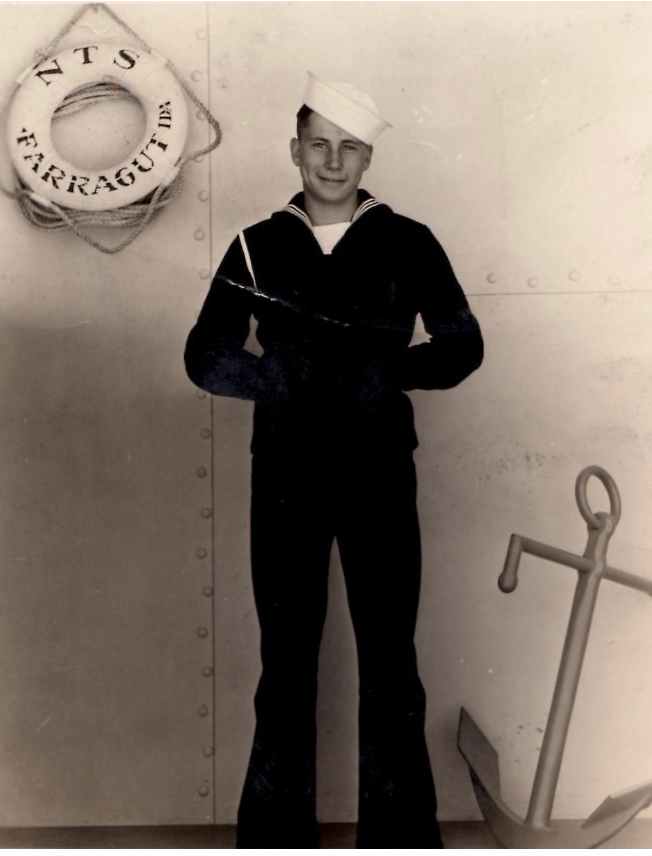
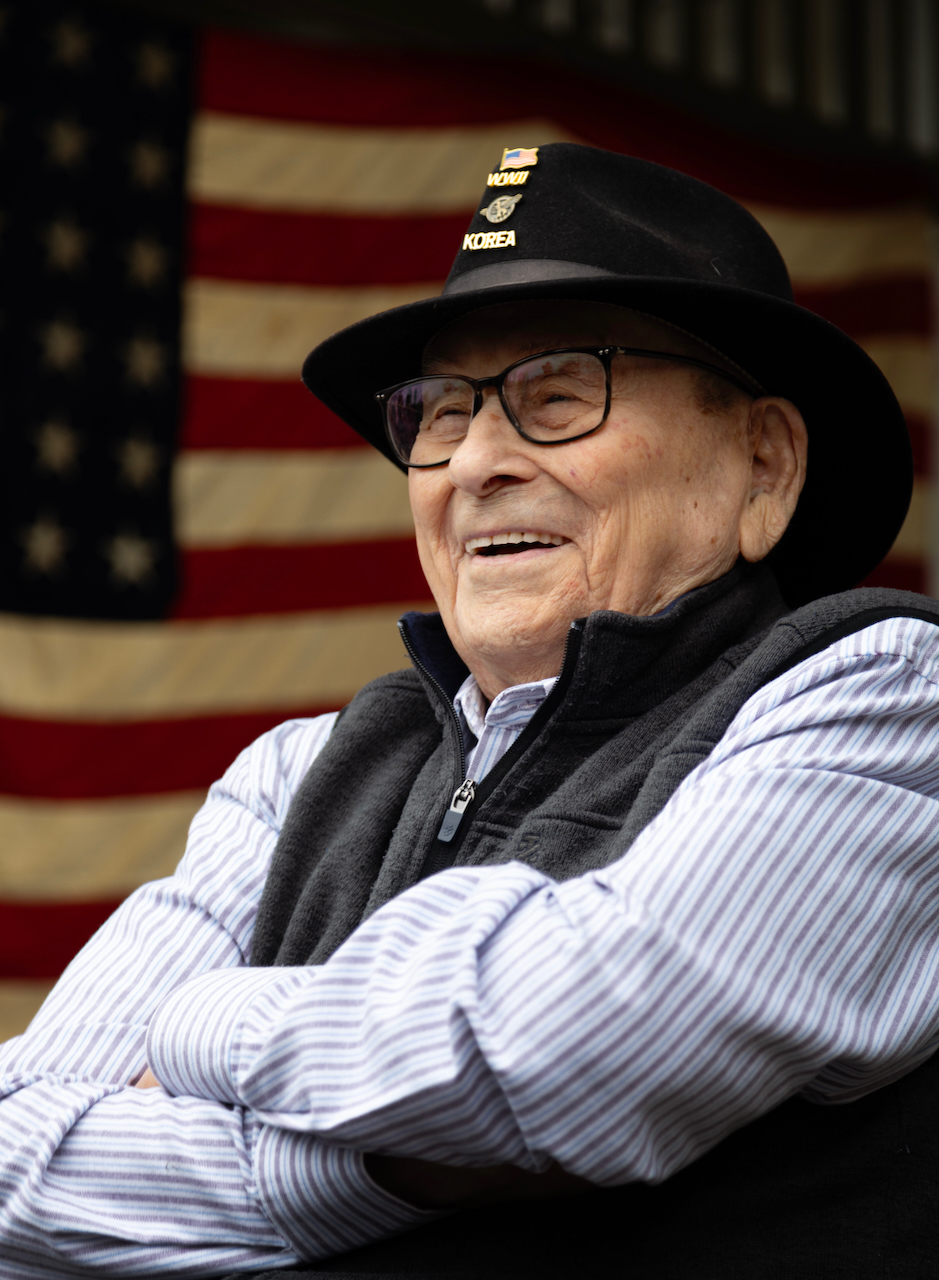
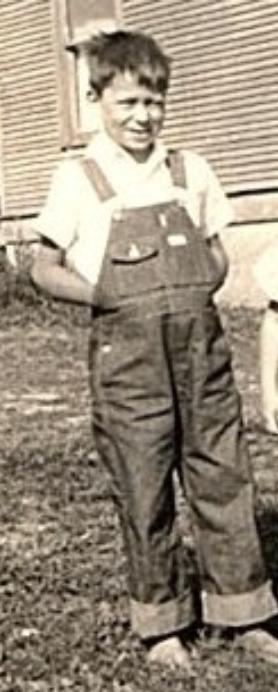
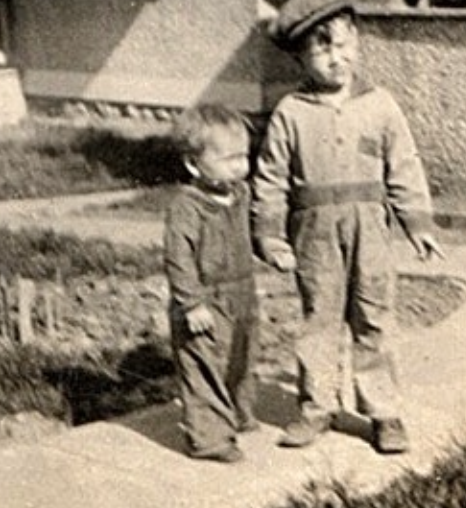
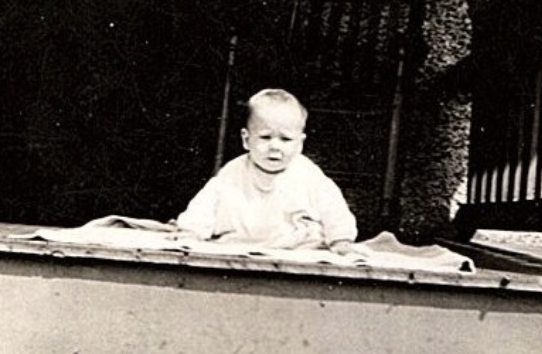
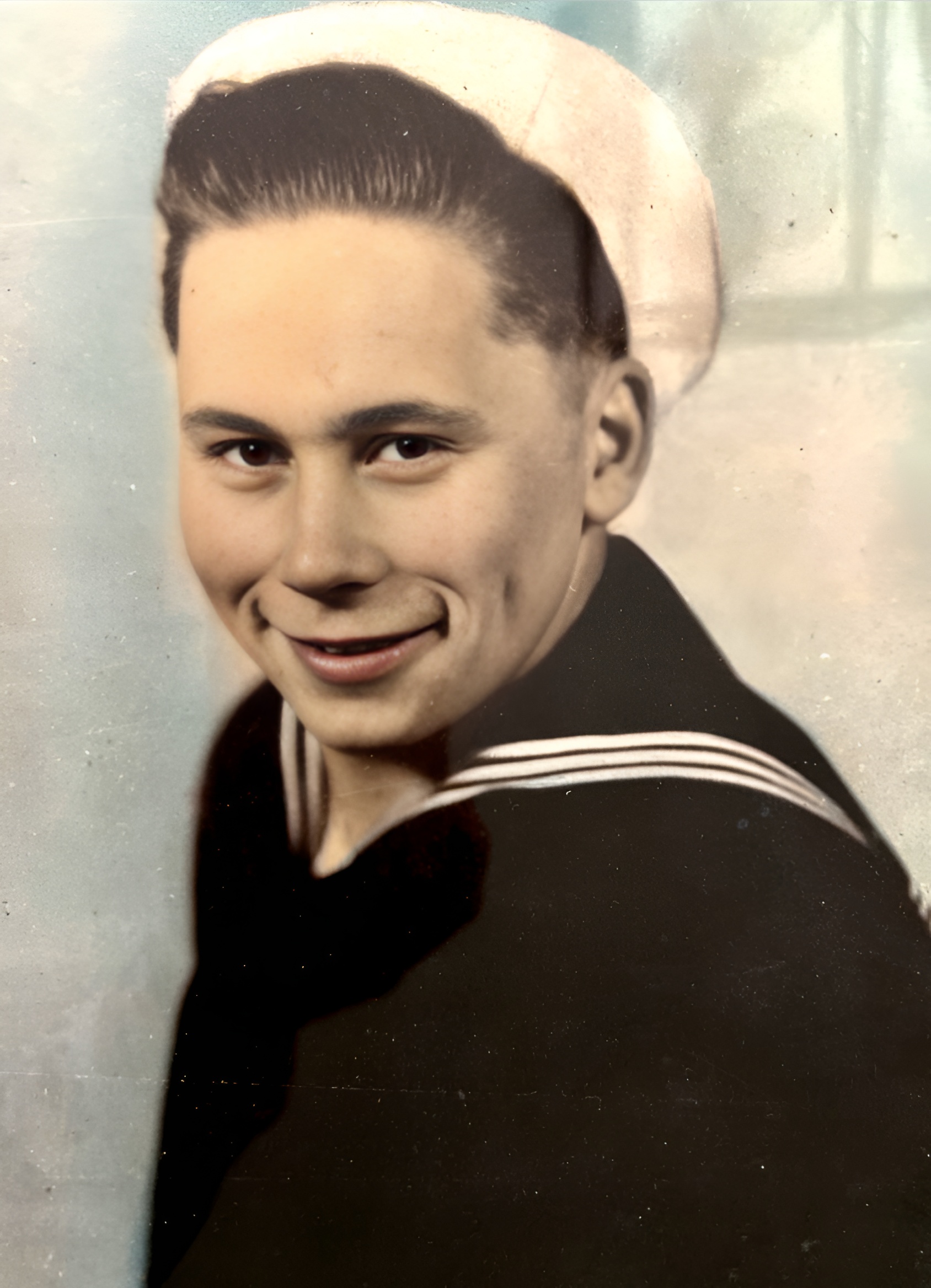
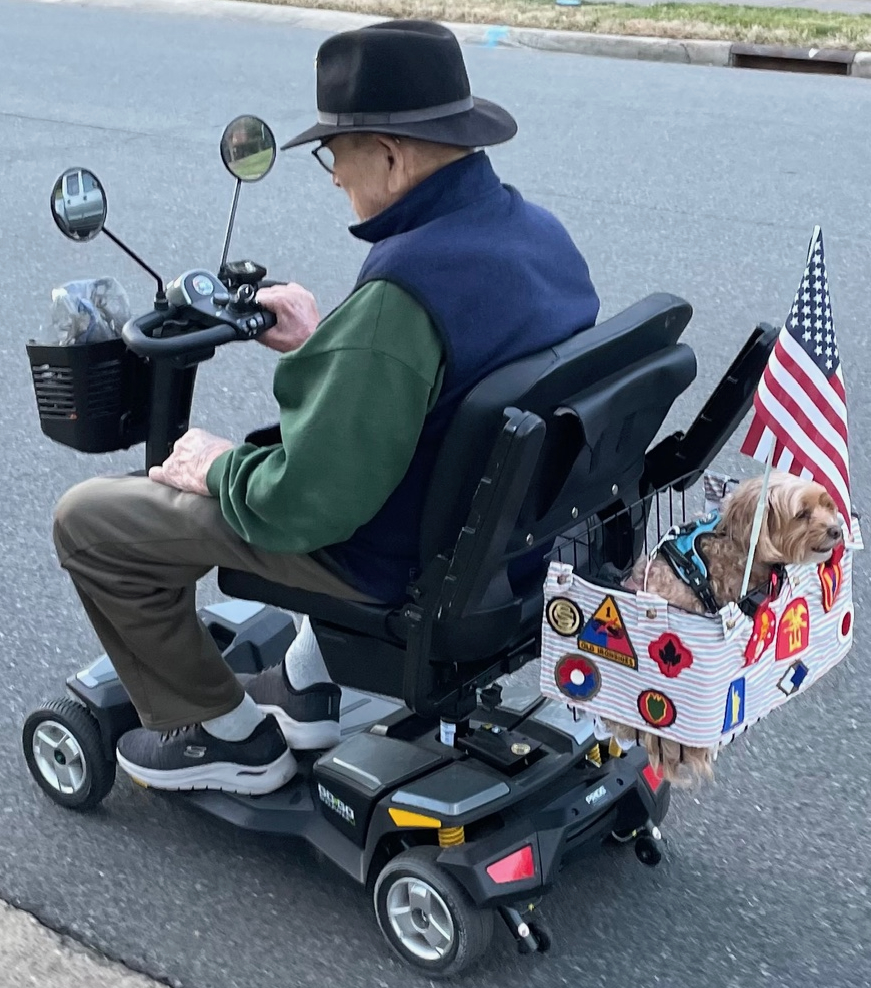
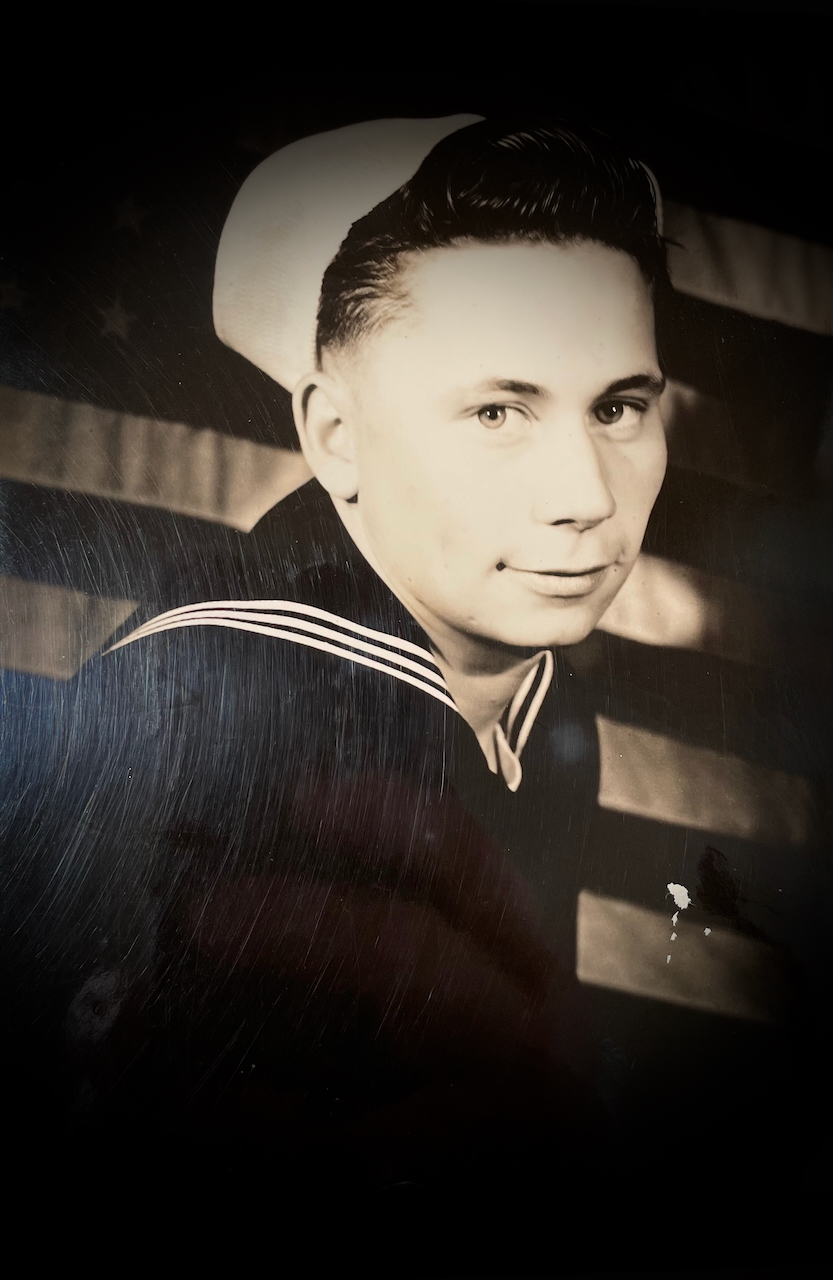
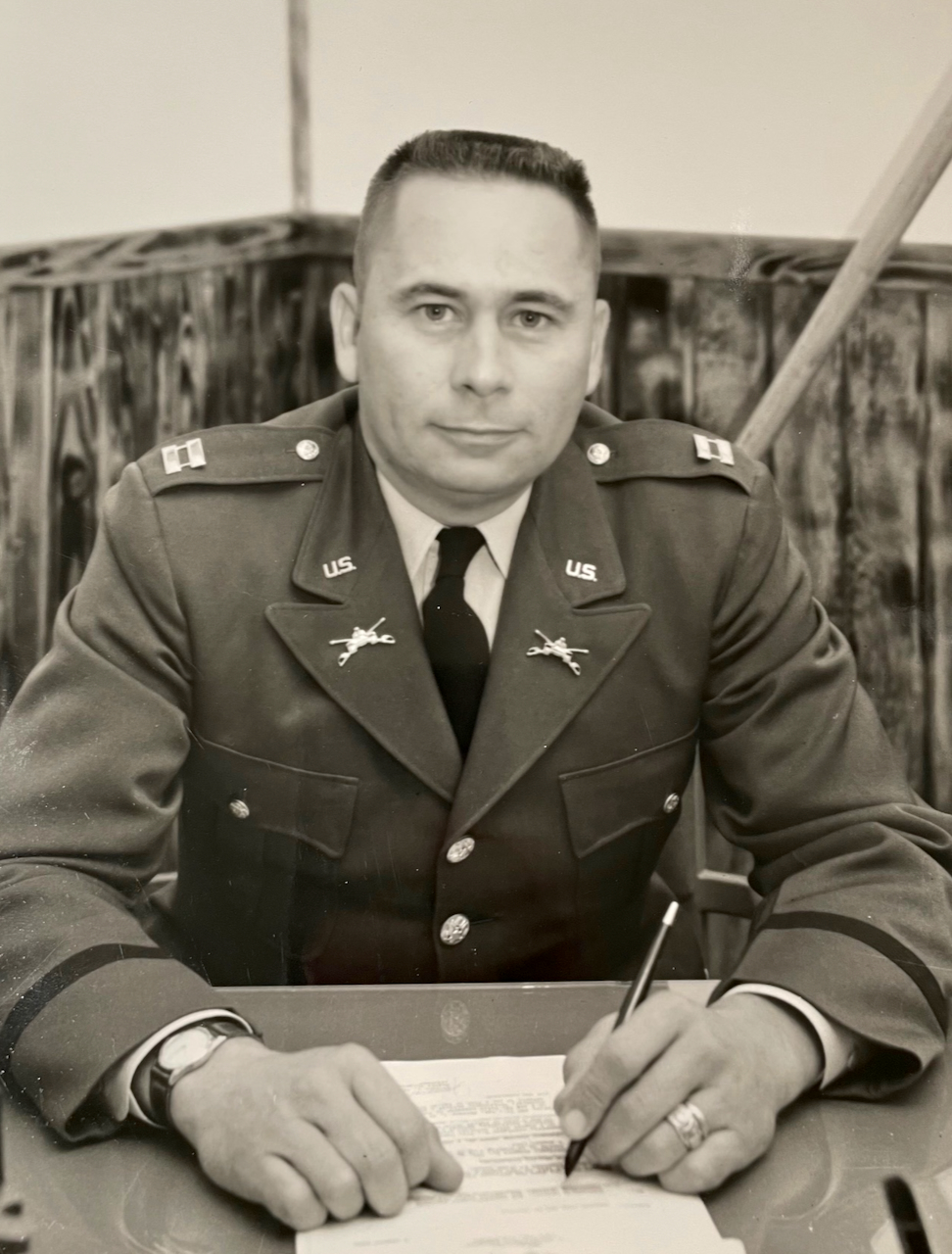
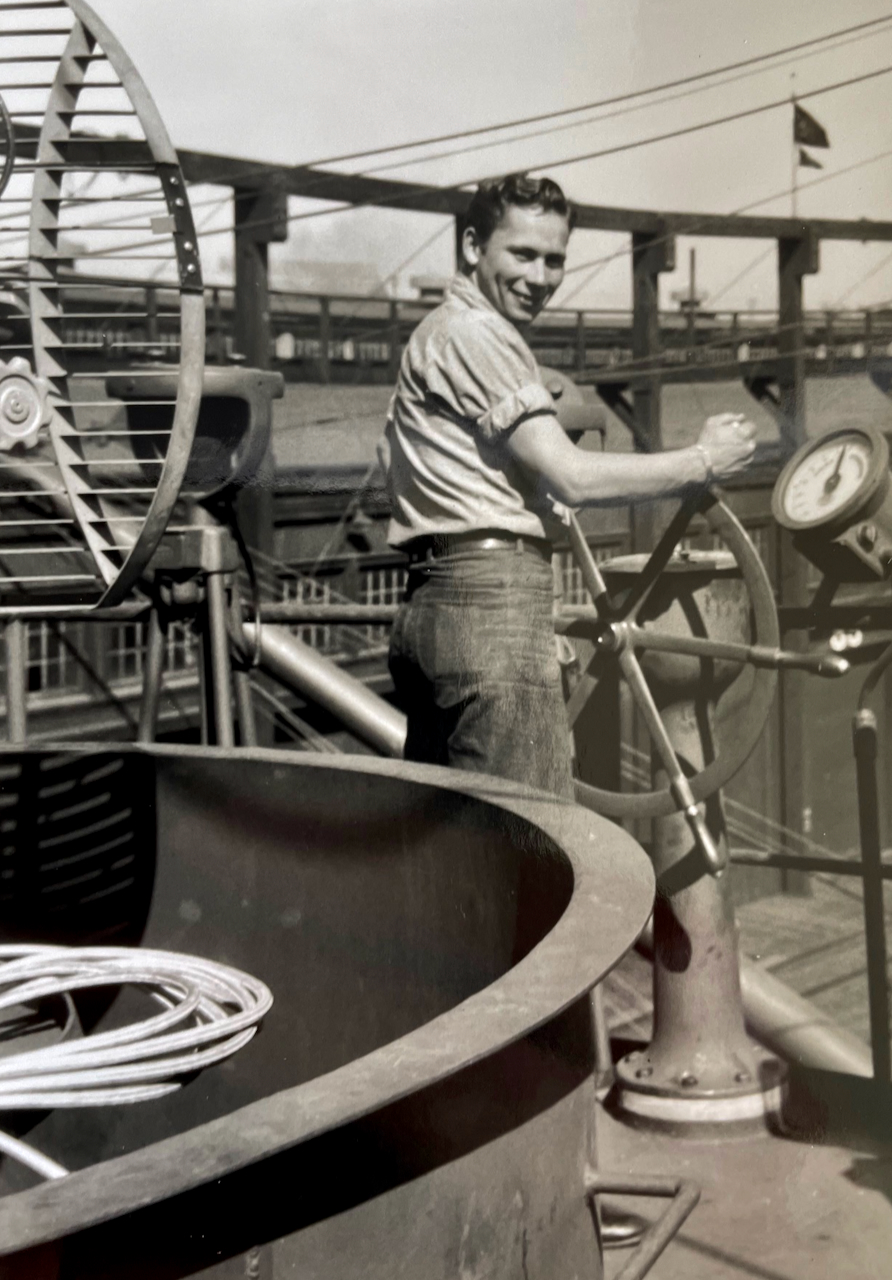
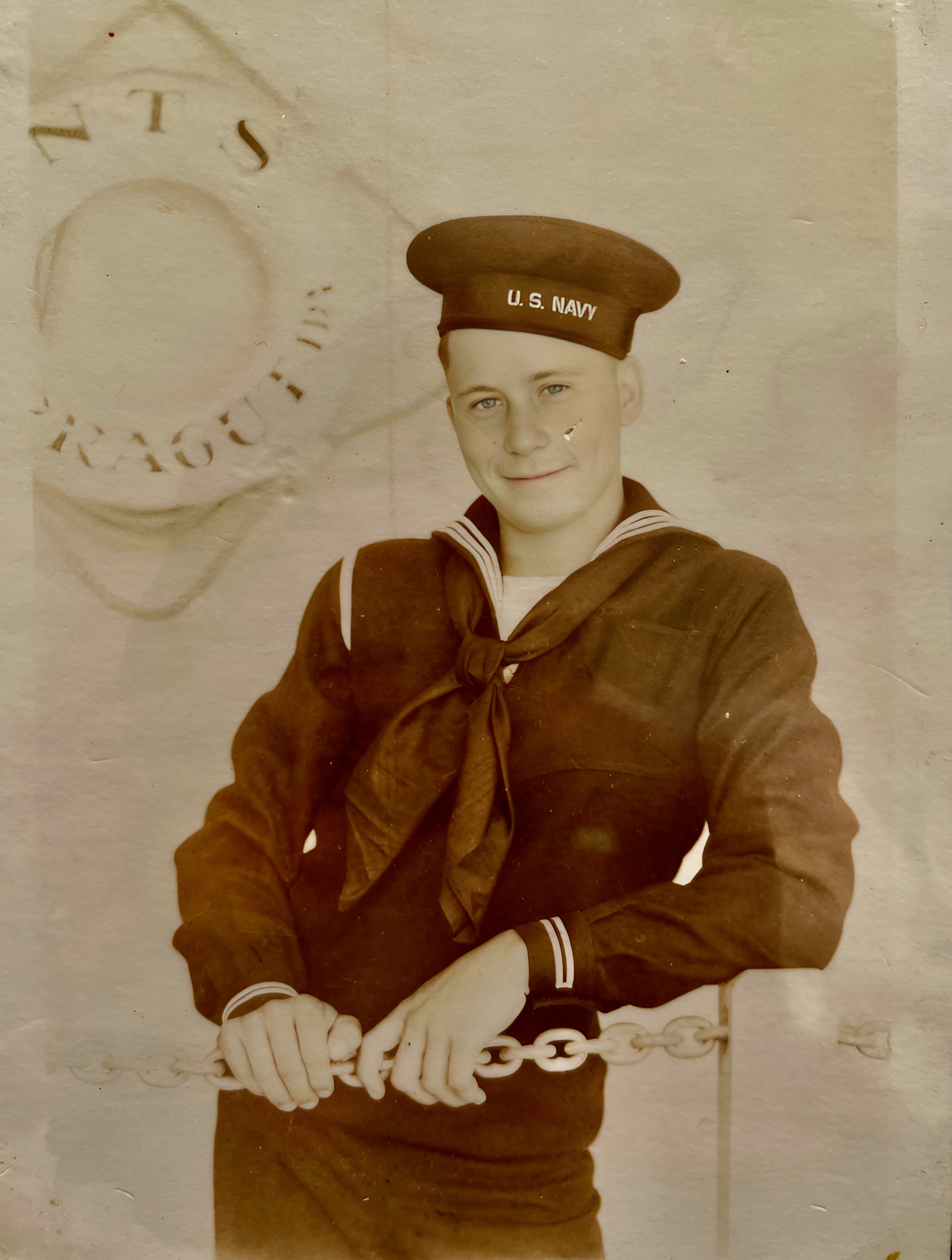
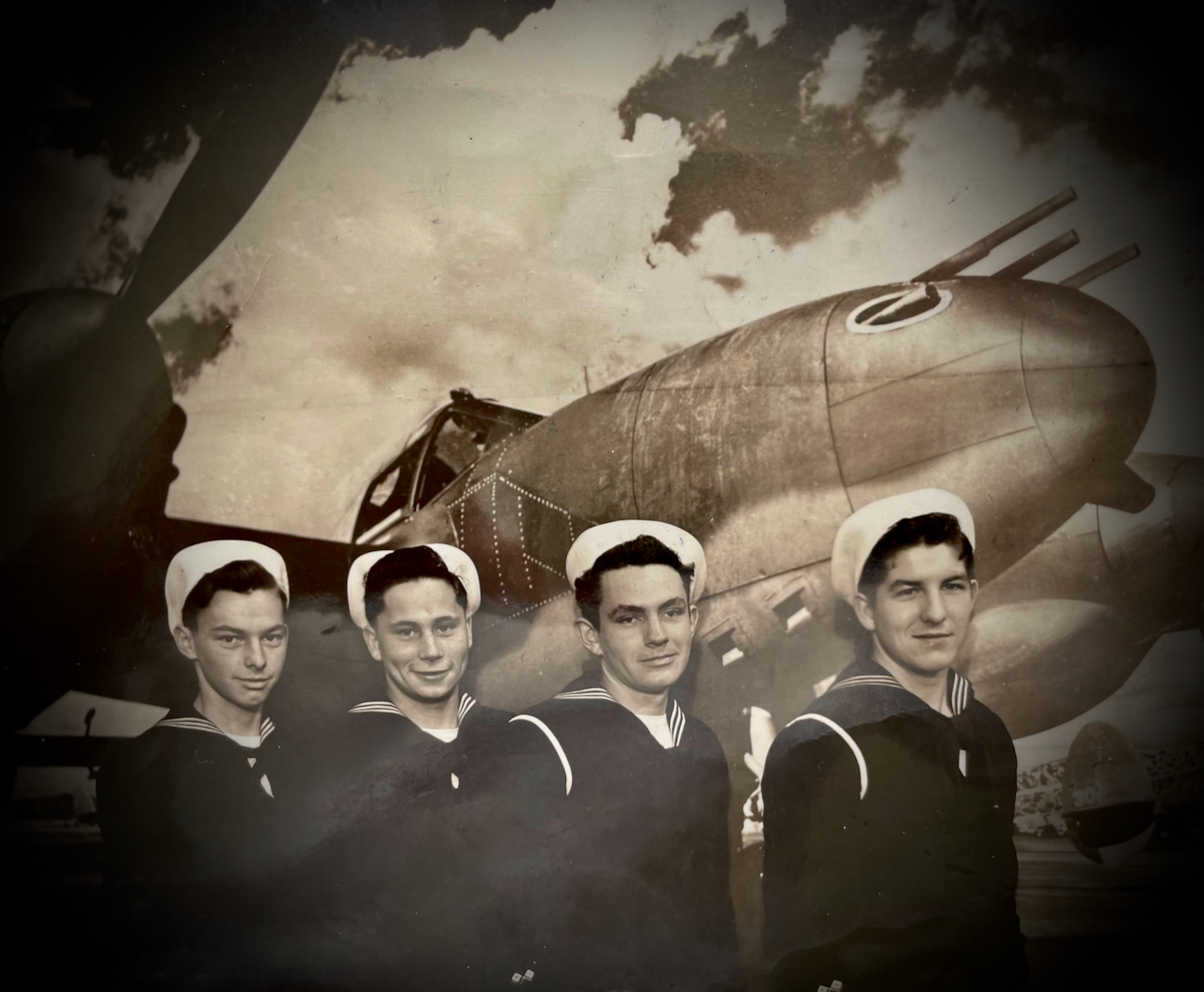
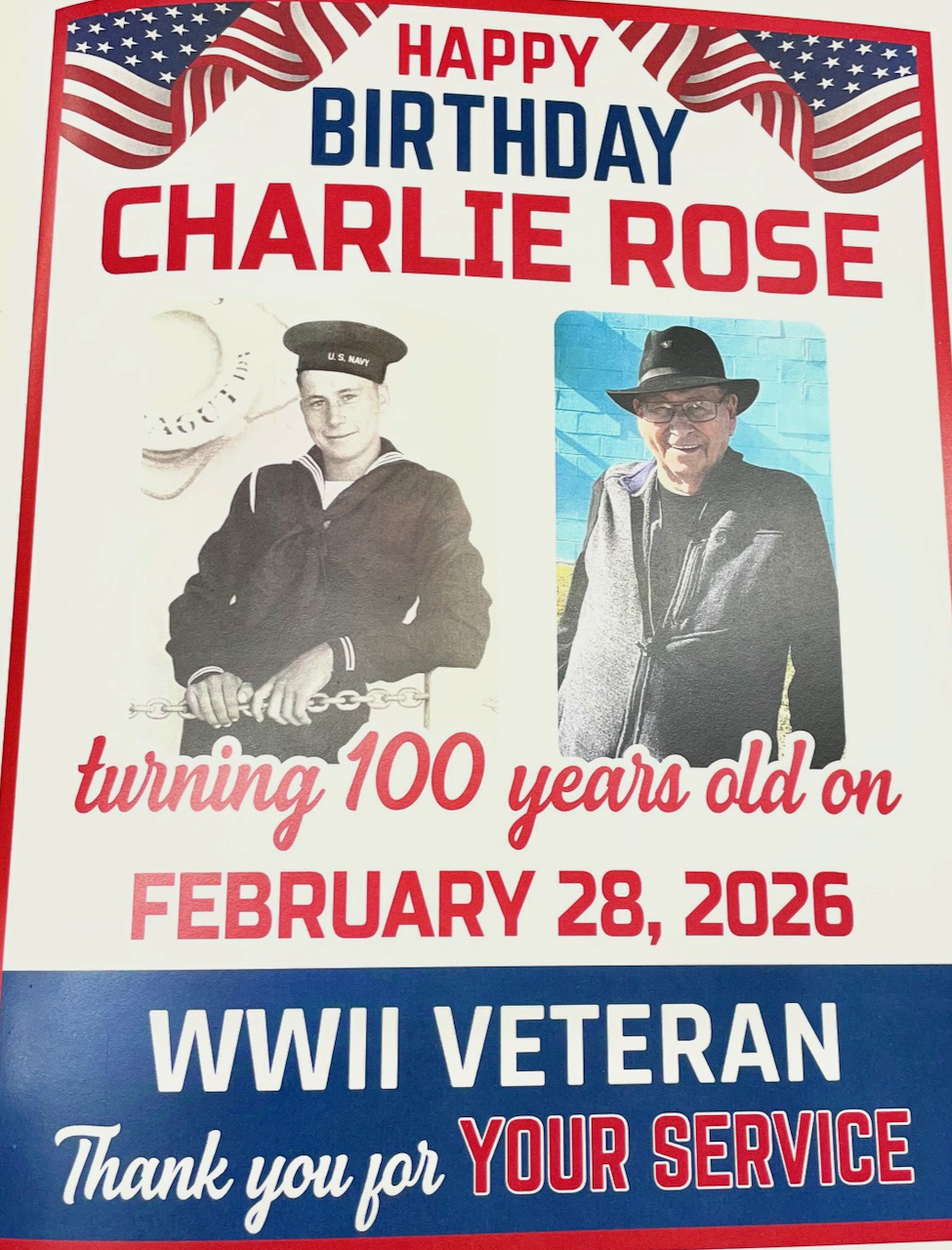
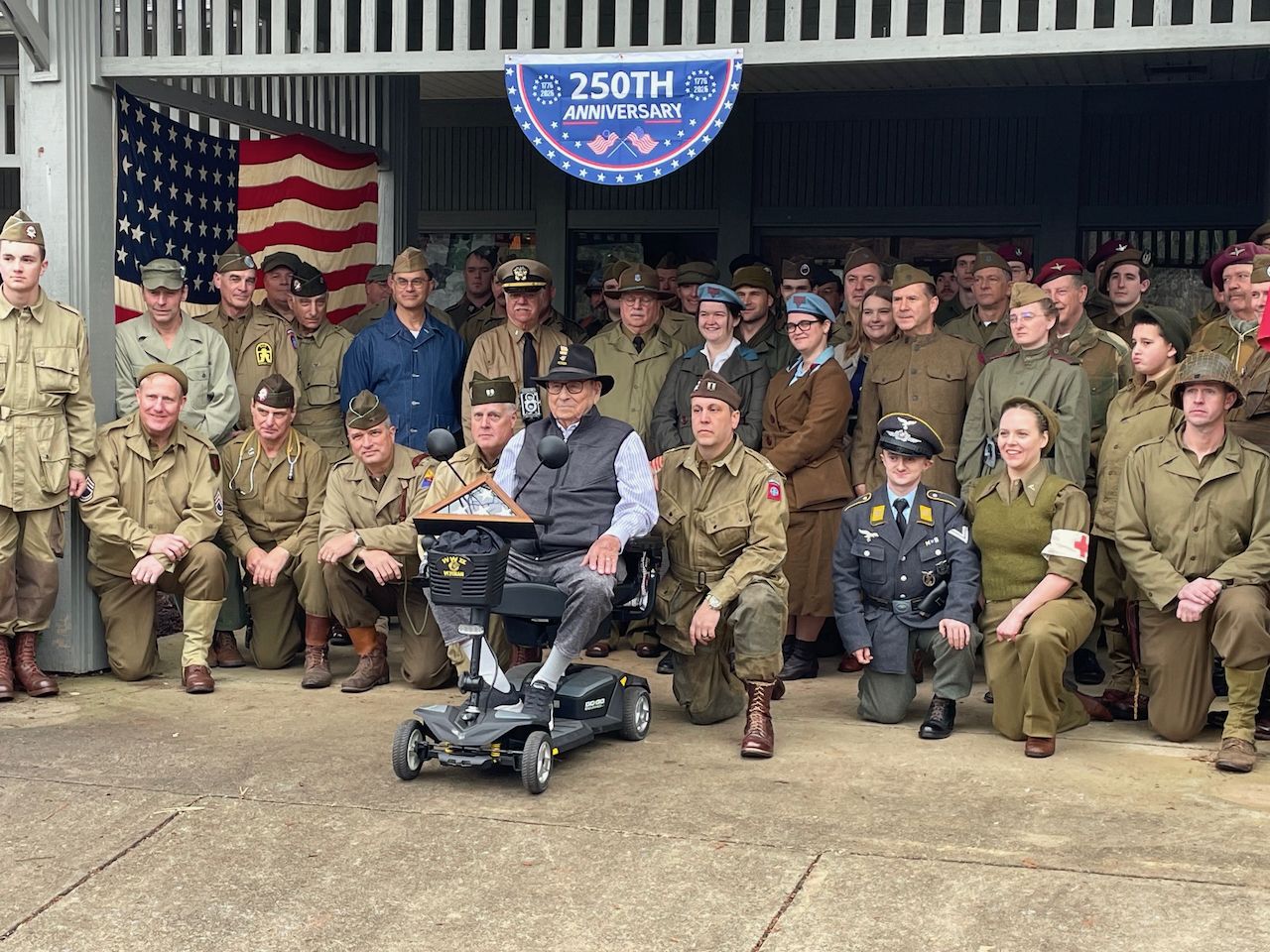
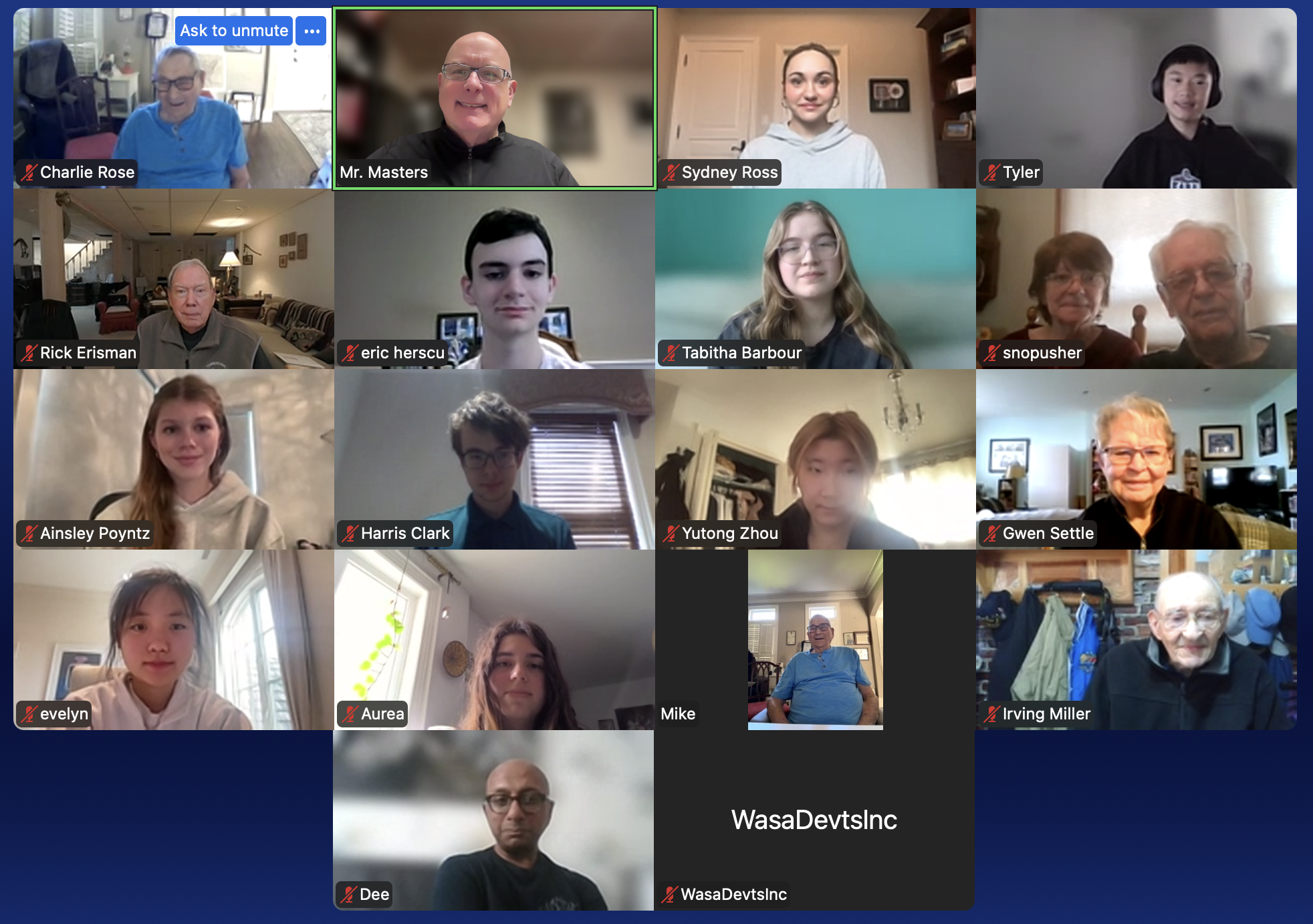
Charlie Rose was born February 28, 1926 in the Springfield Ozarks area of Kansas City, Missouri. He was the oldest of eight children. His father was an American veteran of the Great War who served in France, and once back in K.C. he was a streetcar driver. Charlie attended a rural school when he was young as the family had a farm where they grew hay and corn and had a vegetable garden. The Great Depression meant tough times, and the family relocated to the city and Charlie changed schools. For fun he played tag and softball, placed pennies on the streetcar tracks, and played stick pole with his friends. The movies were an option too and when he could Charlie watched the KC Blues play baseball. During the 30s, Charlie’s father continued his work as a street car driver after the farm failed, but due to his father’s health issues the family had to move. As a result, Charlie had to go to work at age 12. He split wood, plowed fields, sowed oats and corn, and milked cows, contributing whatever money he could to the family. Charlie heard about Pearl Harbor while on the farm, and two of his uncles were drafted into the infantry. Asked what influenced Charlie to enlist in the US Navy, he responded, “I saw a Bing Crosby movie about the Navy and the Navy offered 3 square meals a day!” His mother would not lie and sign for him at age 16, so he left home at age 17 and enlisted in the US Navy. He attended Farragut Naval Training Station in the panhandle of northern Idaho, and then he was sent to a Signalman Class “A” School. The next stop was the USMC Camp Pendleton, where he received amphibious training as part of the Joint Assault Signal Companies (JASCOs). Charlie served aboard the USS Bolivar (APA-34) as a Signalman (SM). It transported USMC troops in a convoy and was part of the 5th Amphibious Force. Charlie experienced combat in the Pacific during early 1944. At Saipan he was part of 7th wave, landing in LSTs going over a reef that had not been properly demolished. In addition to Saipan, Charlie served at Guam, Leyte, Luzon and Iwo Jima. There he observed all the grim realities of battle, including the dreaded kamikaze attacks. On Iwo Jima he went ashore near Mt. Suribachi and he did observe the famous flag raising. They made their way back to the Philippines where they readied themselves for the eventual invasion of Japan, and in an August landing at Mindanao, they learned of the Japanese surrender: they loaded up with liberated American POWs and began a 23-day transit to San Francisco’s Ft. Mason. Once there, he was sent to Treasure Island for 2-3 weeks while he waited for men with more points to be moved out. He was discharged December 8, 1945 in St. Louis as a Signalman 3rd Class (SM3) X Quartermaster. Many of the GI Bill provisions did not apply to Charlie, so he joined the 52/20 Club ($20.00/week for 52 weeks). He didn’t feel good about that though, so Charlie contacted a Navy recruiter in Springfield who told him he could re-enlist as a 3rd Class and serve in the Pacific again. An Army recruiter was nearby, and Charlie asked if an assignment in Germany might be possible. It was, so Charlie opted for the army. He did his stint in Germany and returned to the U.S., where he married in June 1950. Just a few days later the army called him in – and he was on his way to the Korean War! He was attached to the 2nd Infantry Division, where he was a radioman who traveled the length of the Korean peninsula, from Busan to the Yalu River. When the Chinese entered the war, Charlie and the division made a quick move to the south, where Charlie was separated and reported MIA. He did rejoin them and went on to serve a total of sixteen months in Korea. Back in the US, he attended OCS and became a 2nd Lt. From there he began to rise through the ranks, as he moved through different postings and regiments. Charlie had a 20-year career through to his retirement in 1966. He then attended the University of California San Jose in1968 and earned a teaching degree, and he taught Special Ed. for disadvantaged youth. Charlie Rose was interviewed over zoom by Crestwood students in March 2026 – and it was unfortunately a zoom where some technical issues came into play; Charlie had also done an oral history for the town of Waxhaw, North Carolina, and with their kind permission we developed this project from that interview.
Videos
Click next video below to keep watching