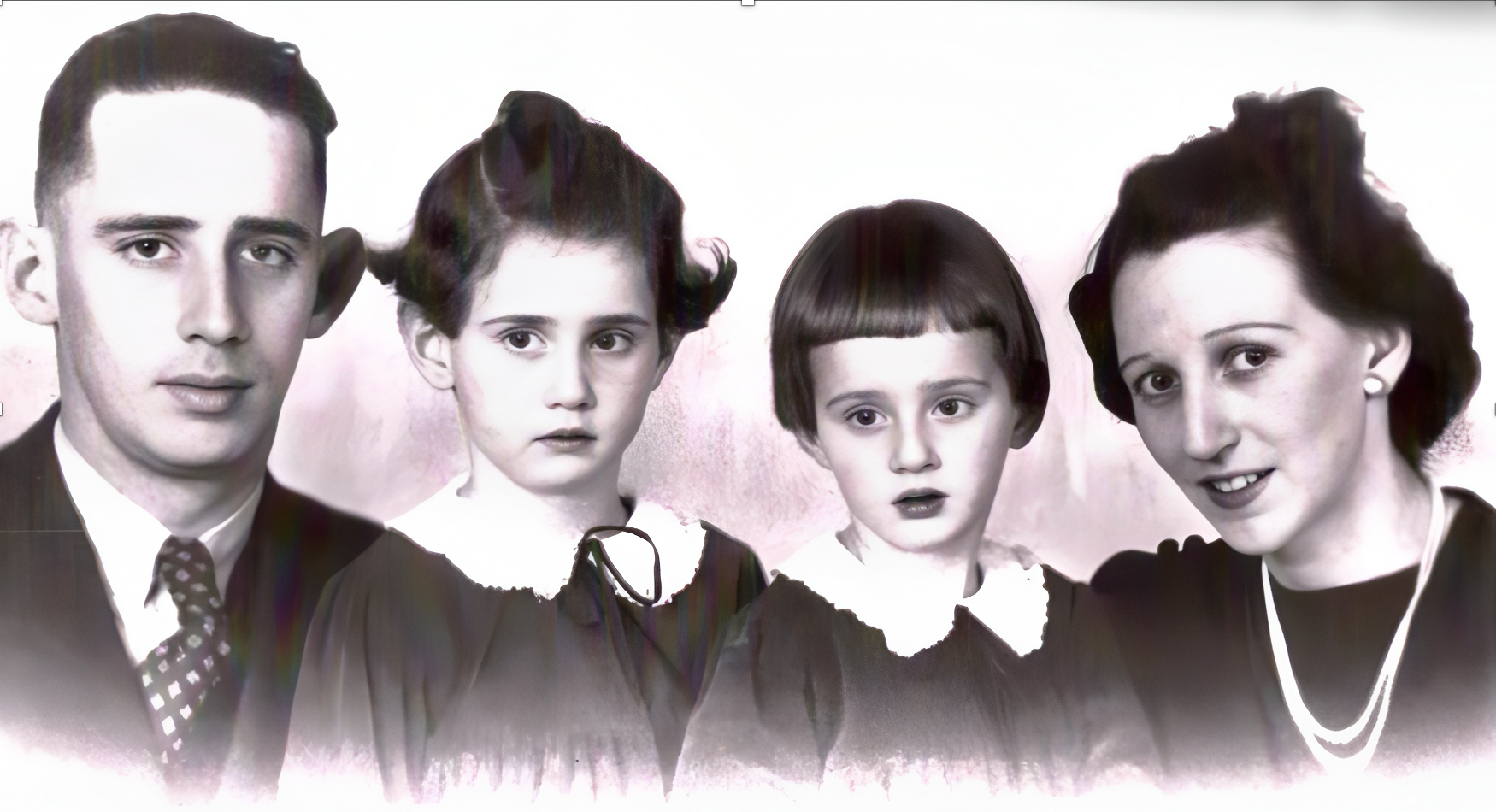
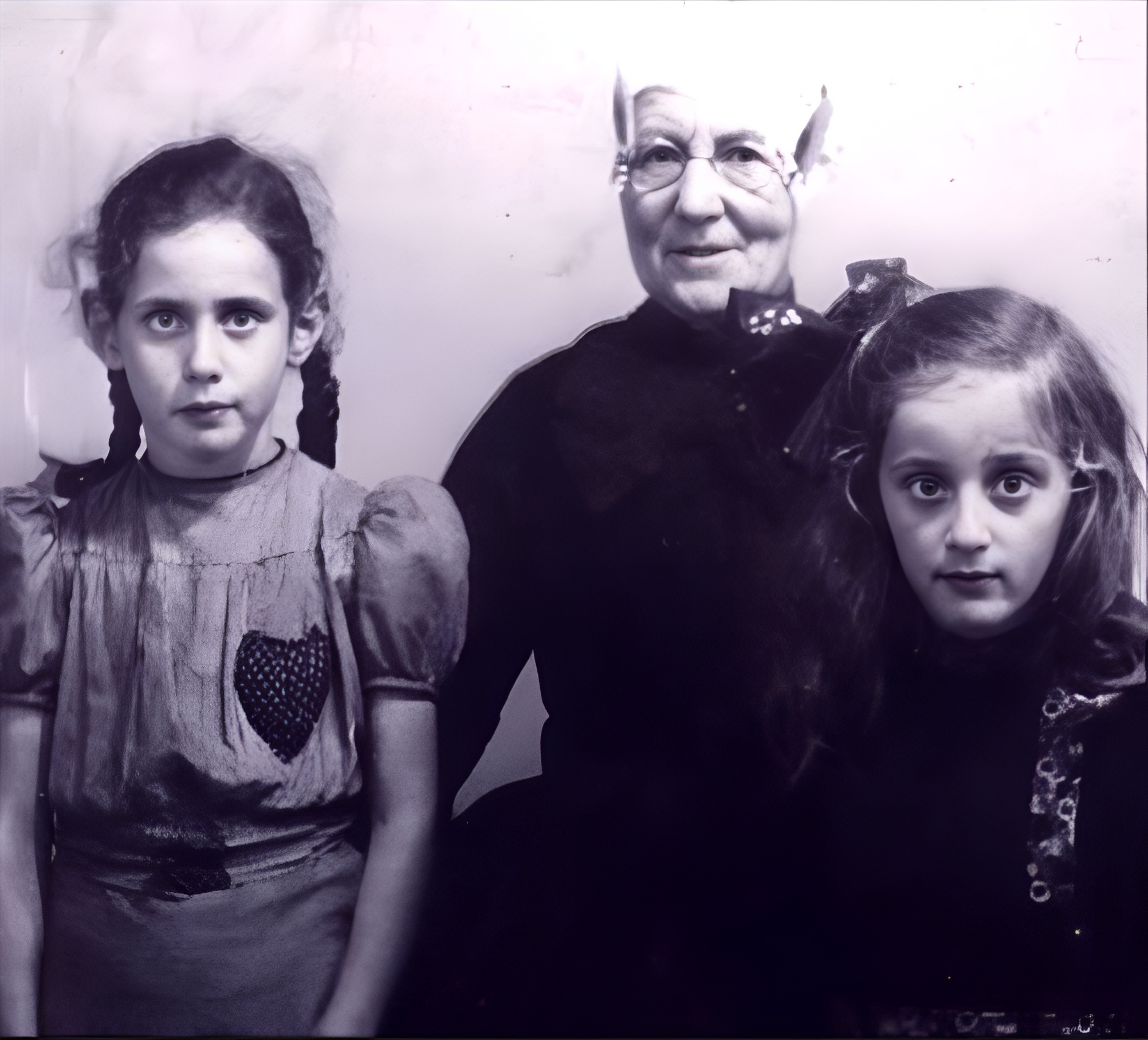
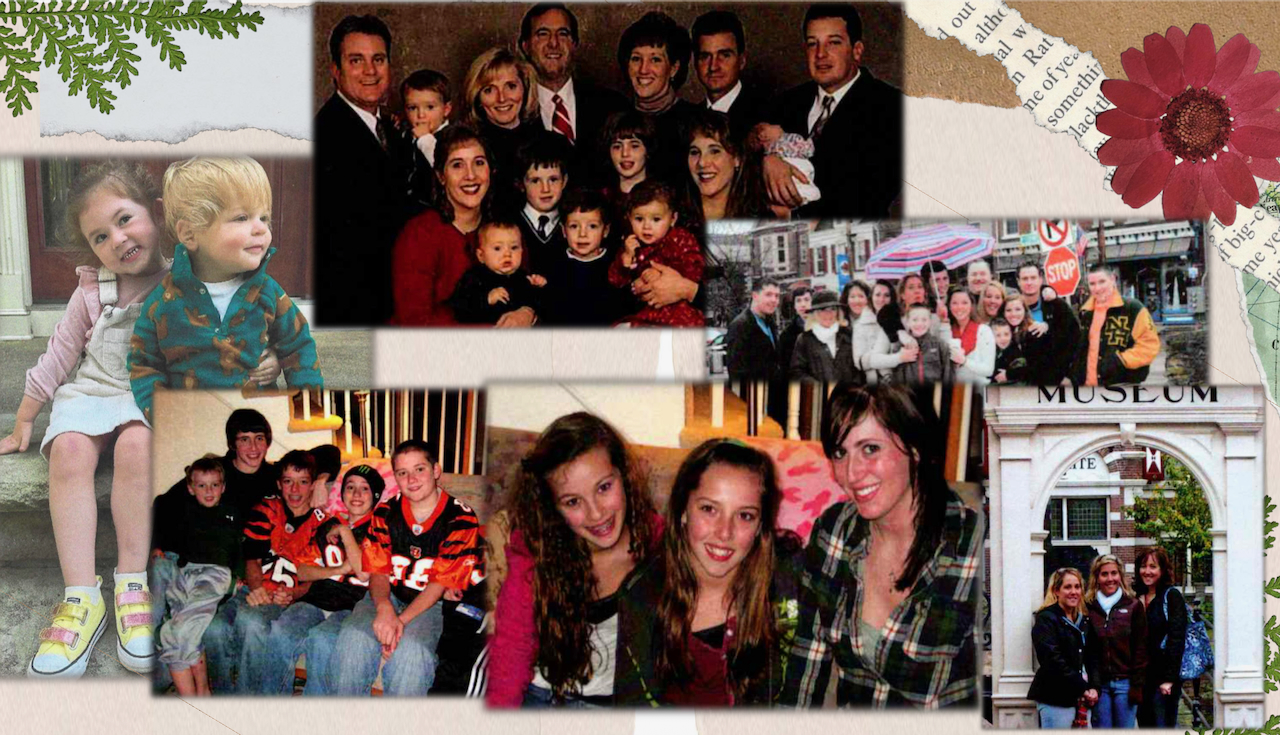
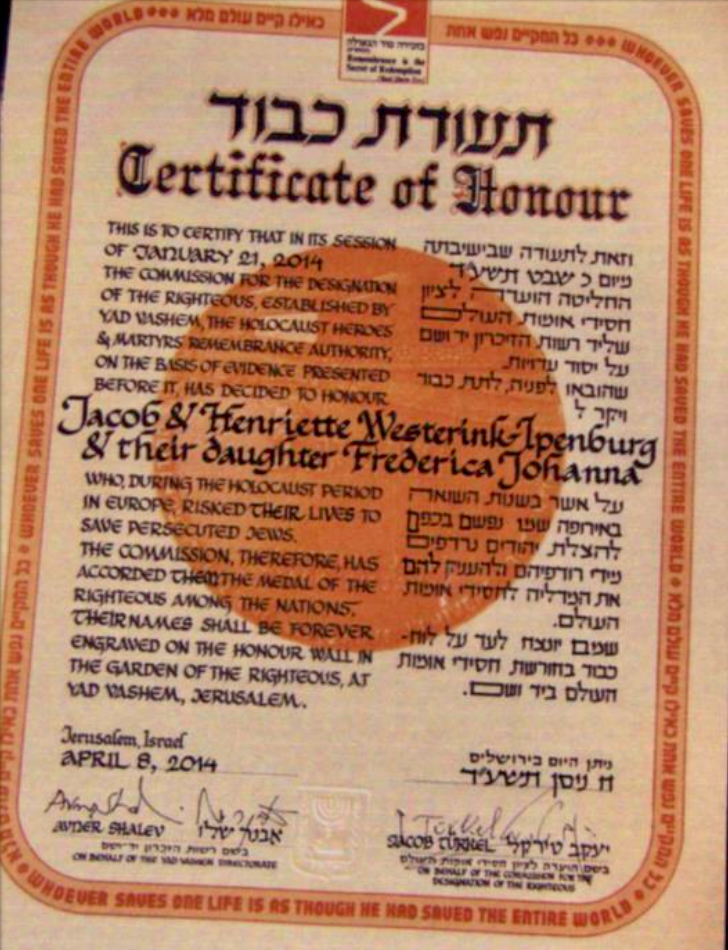
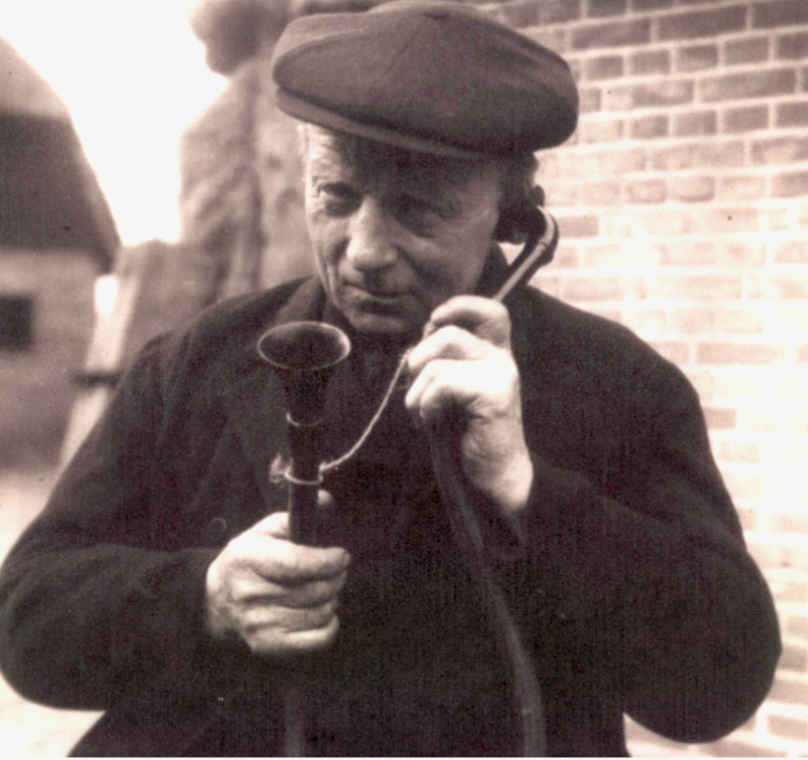
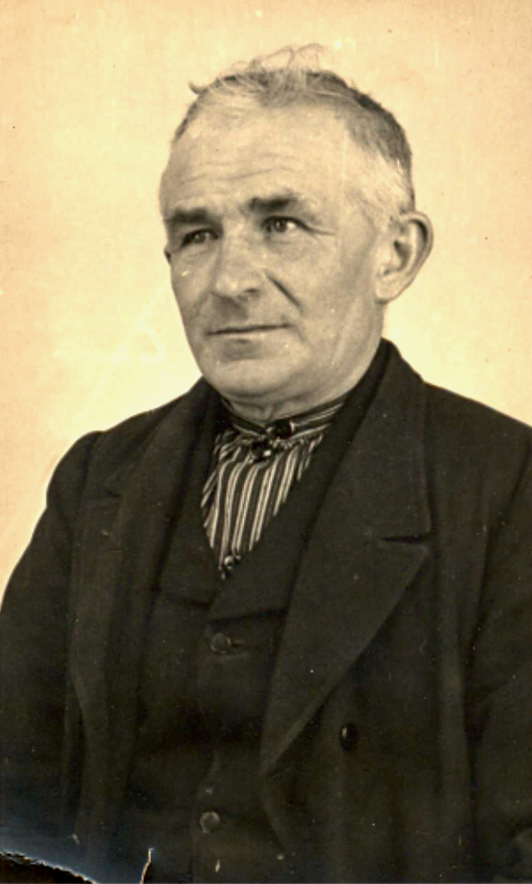
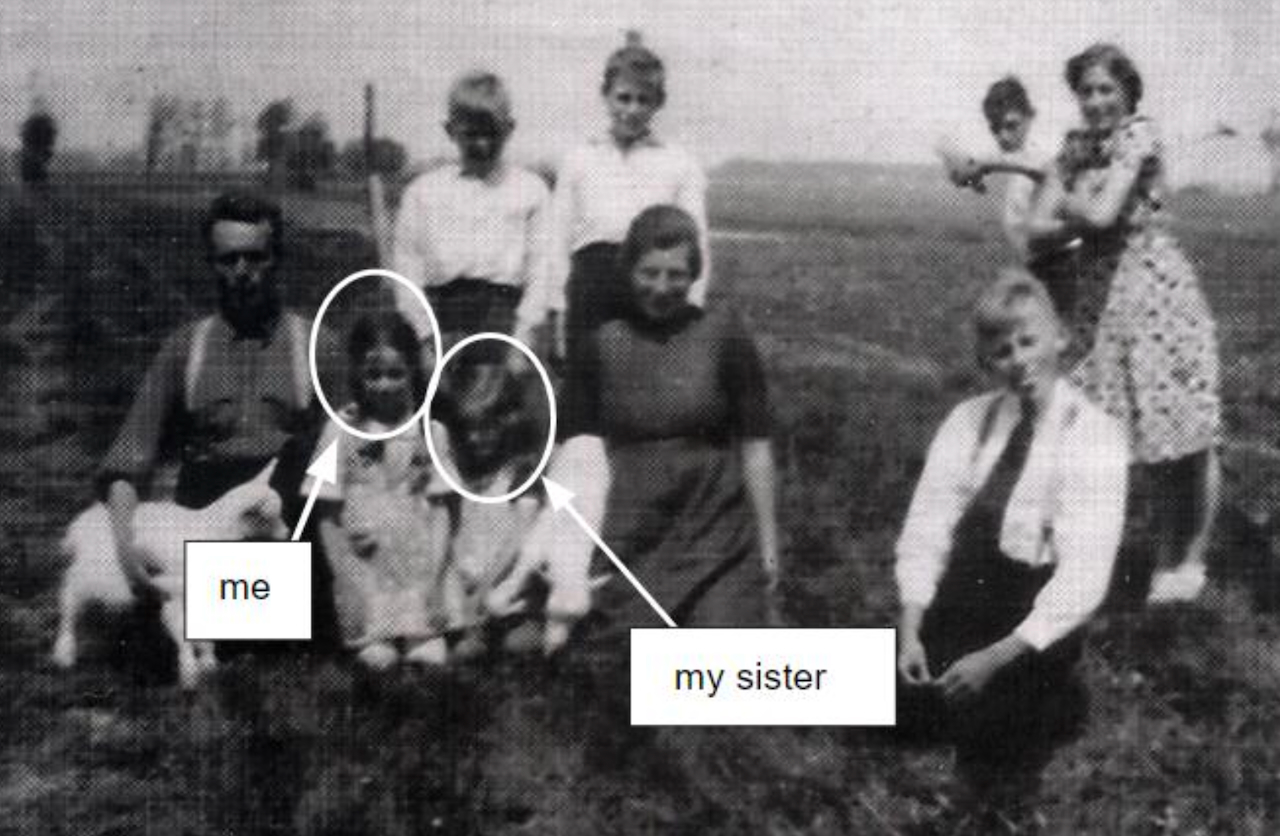
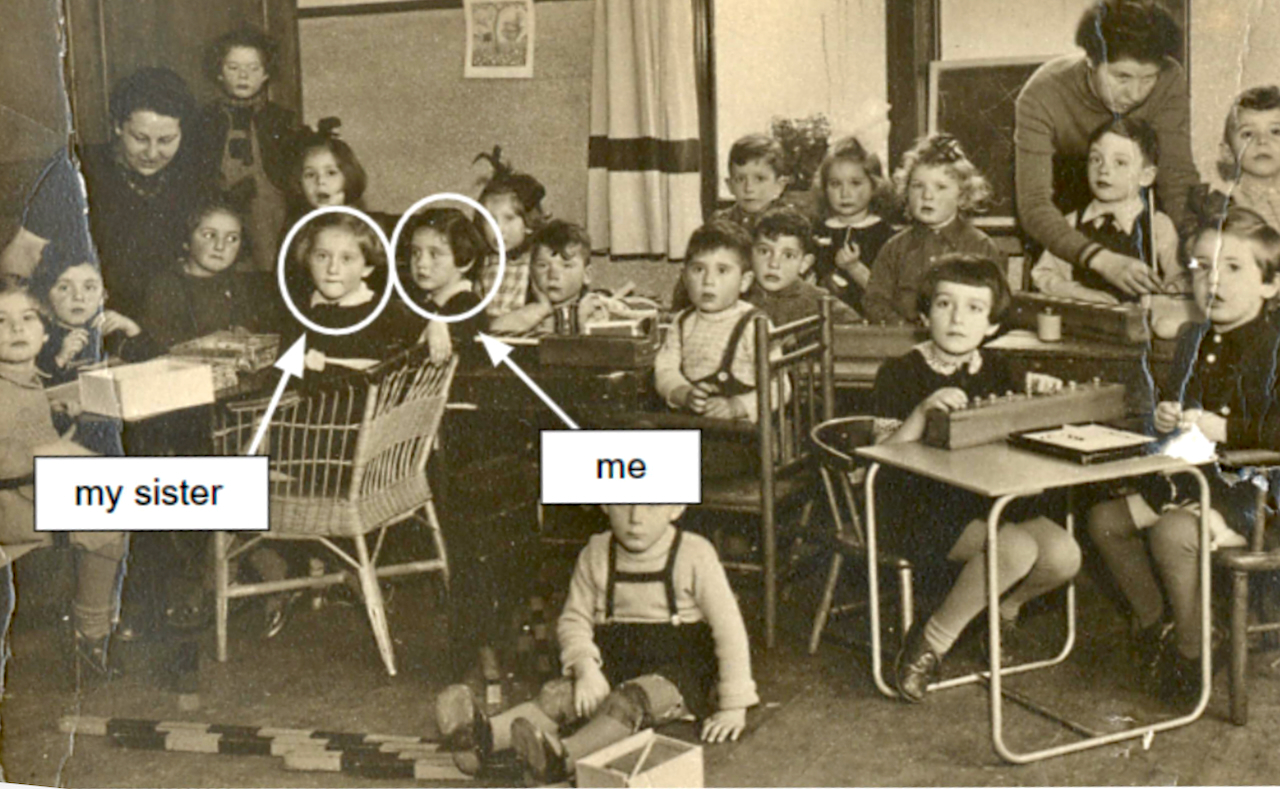
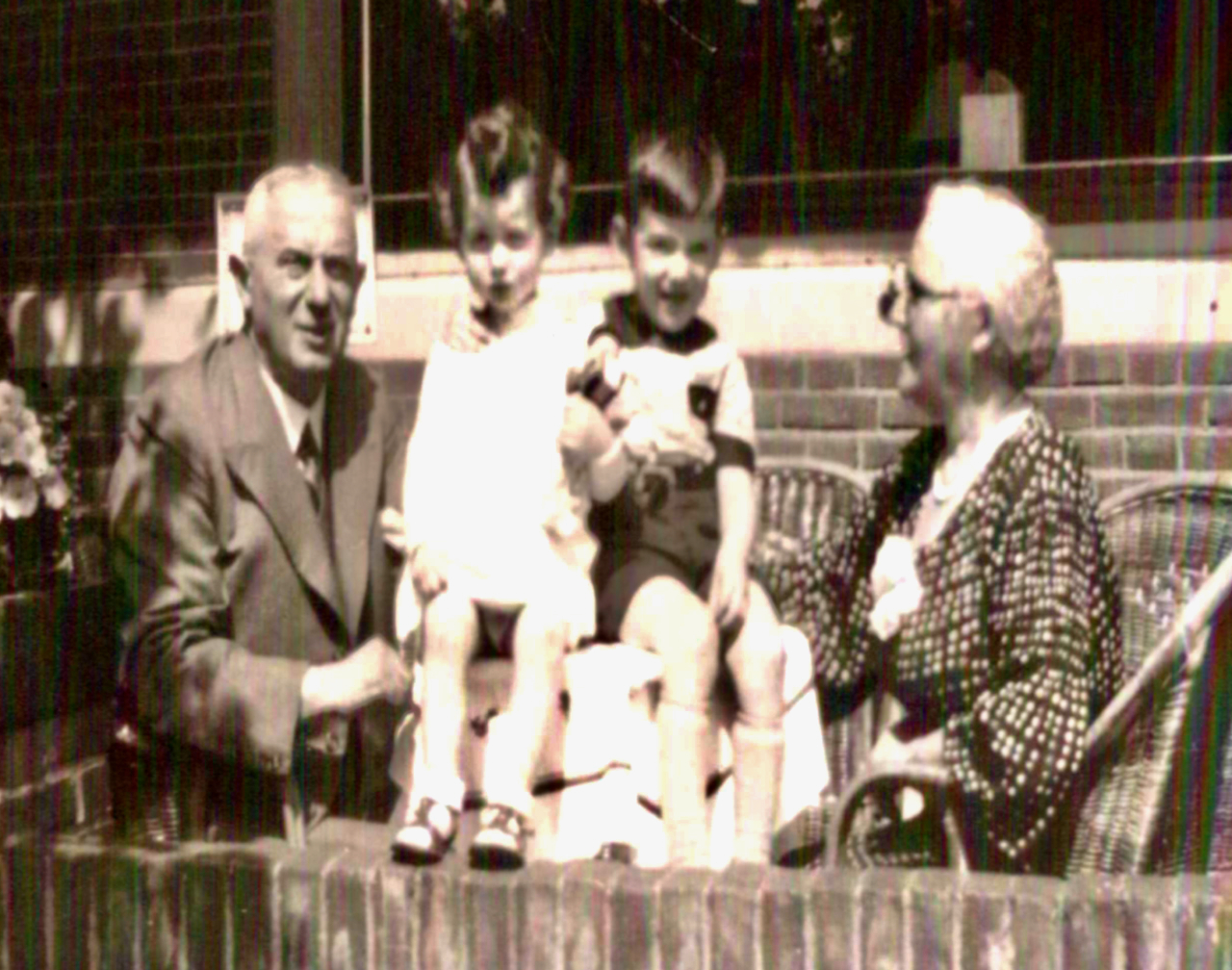
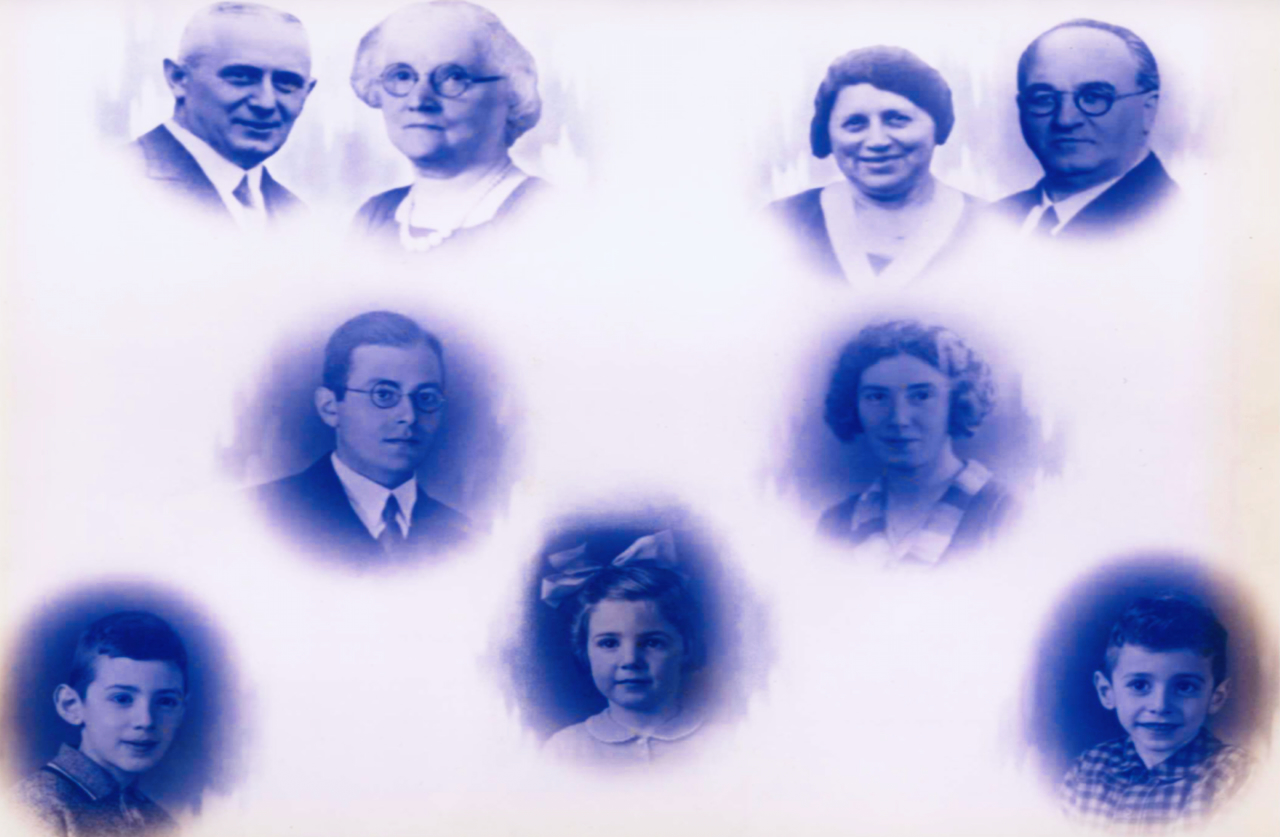
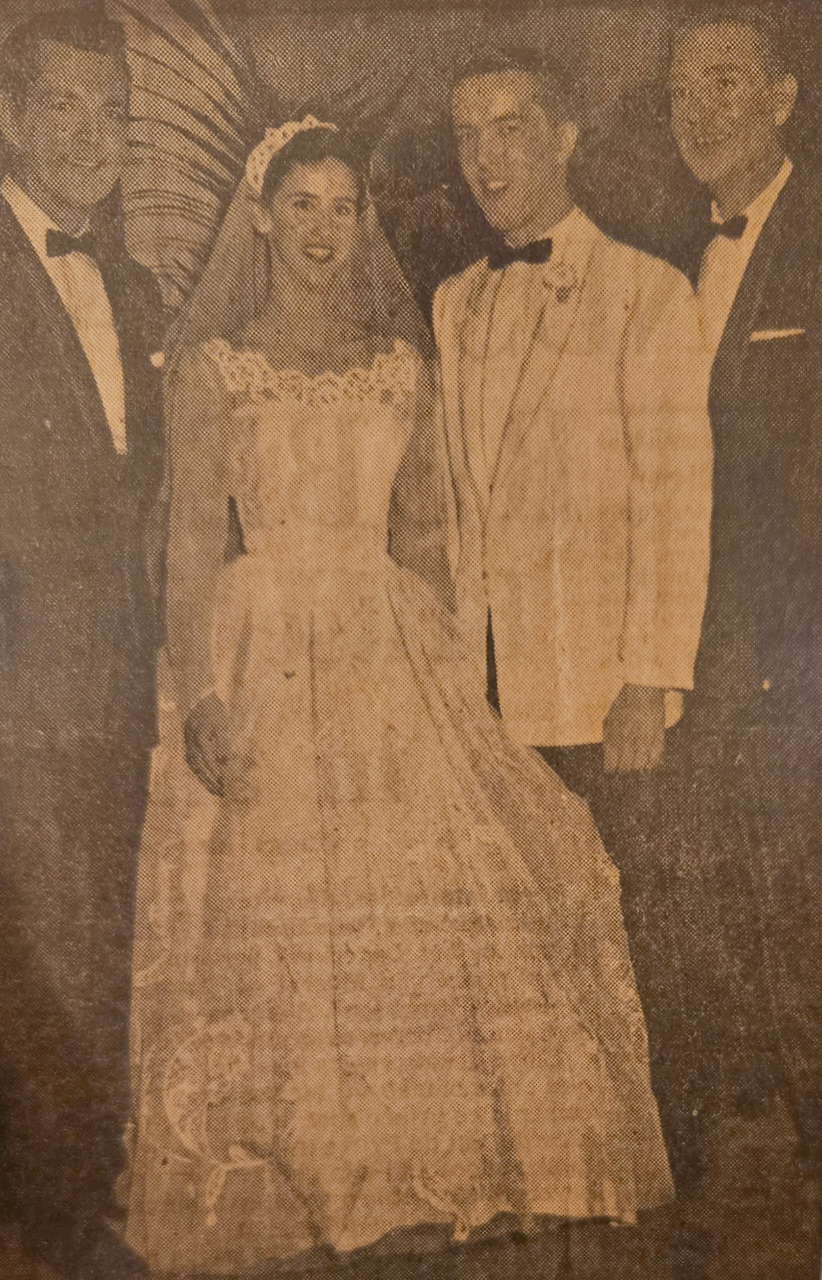
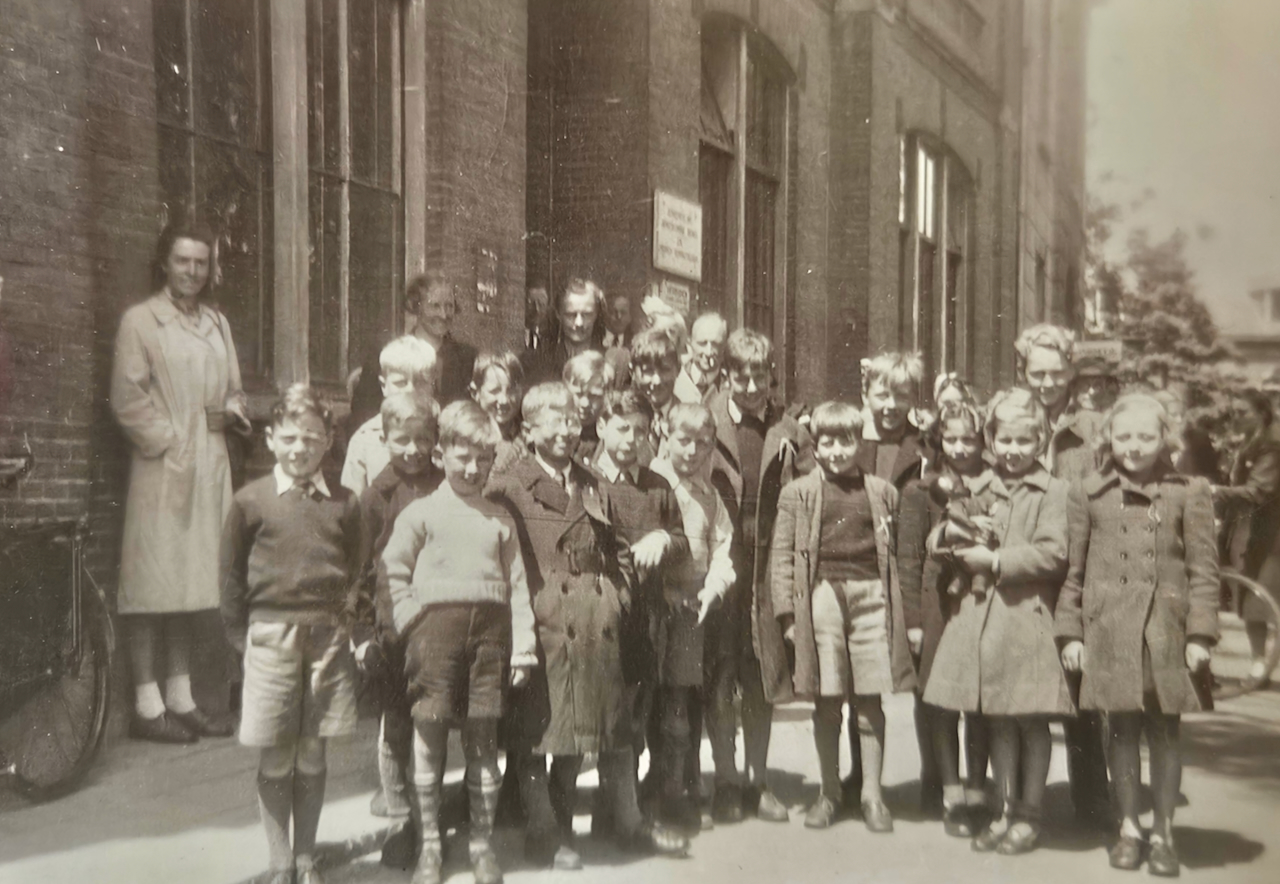
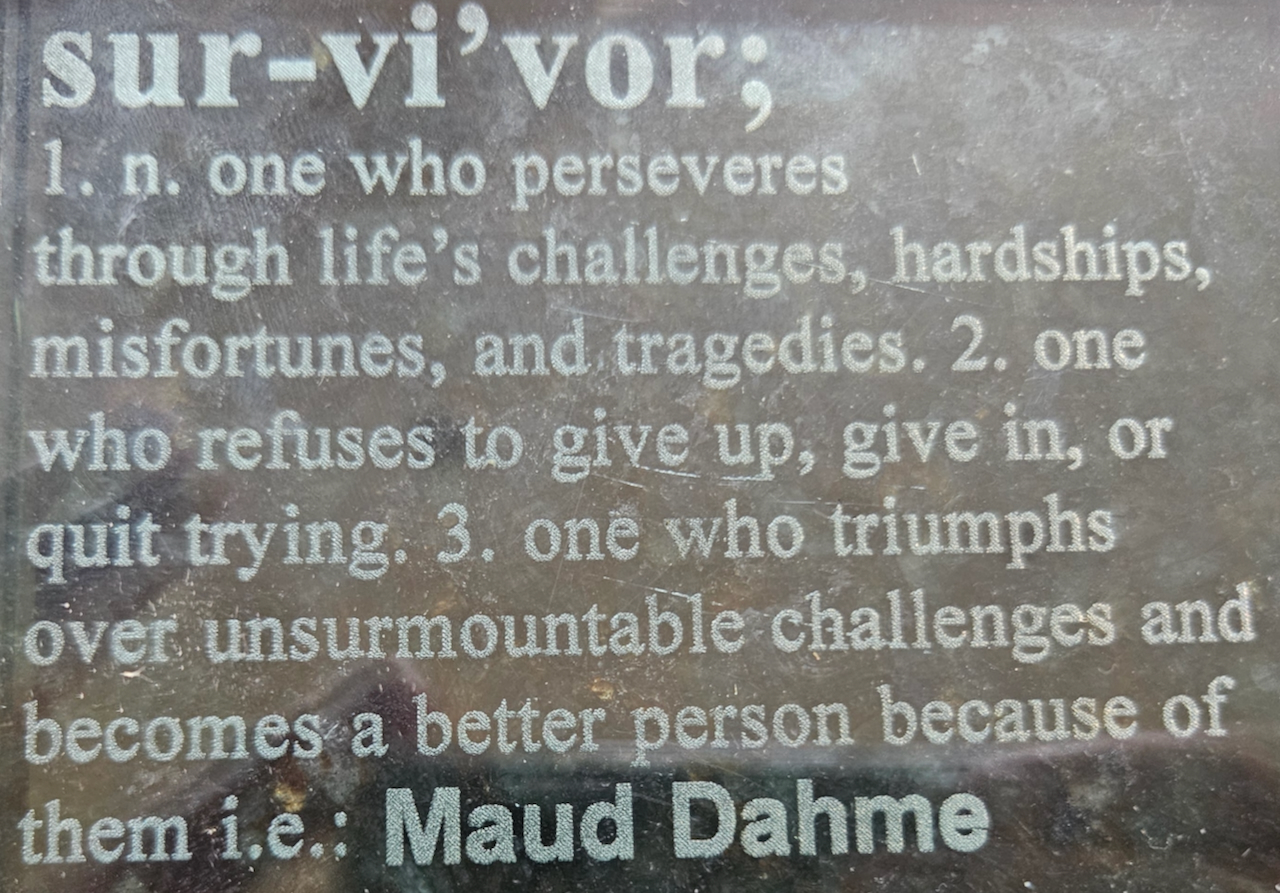
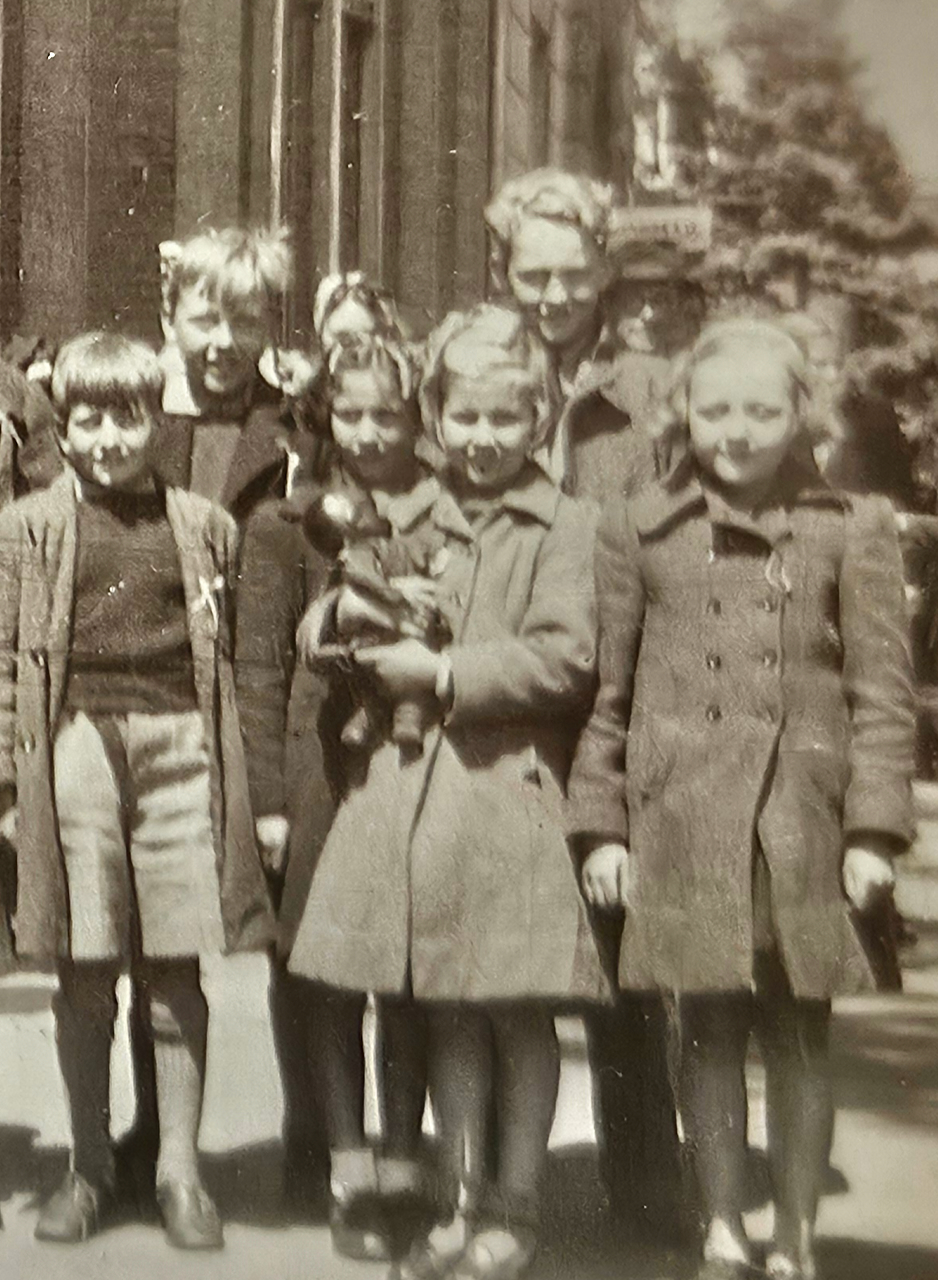
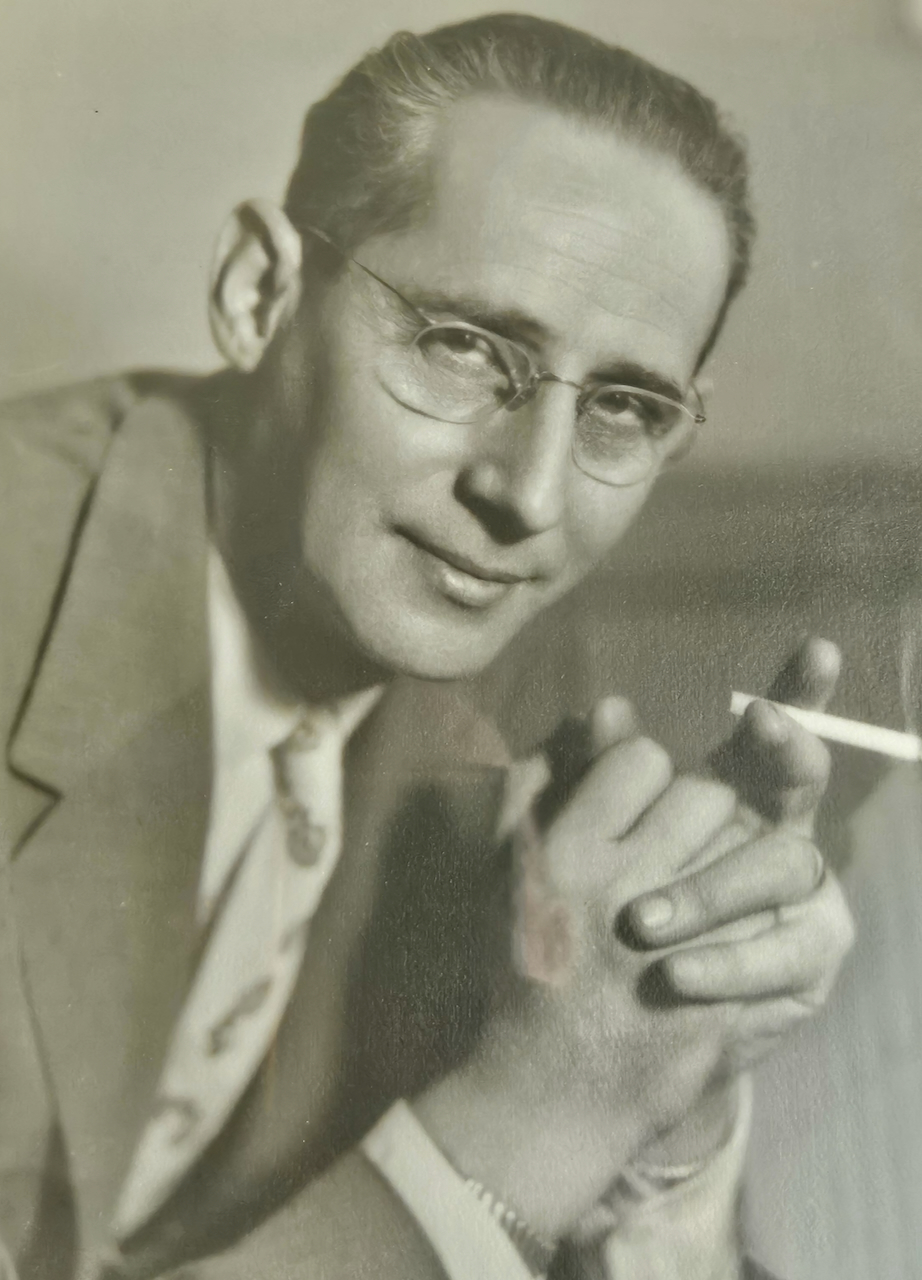
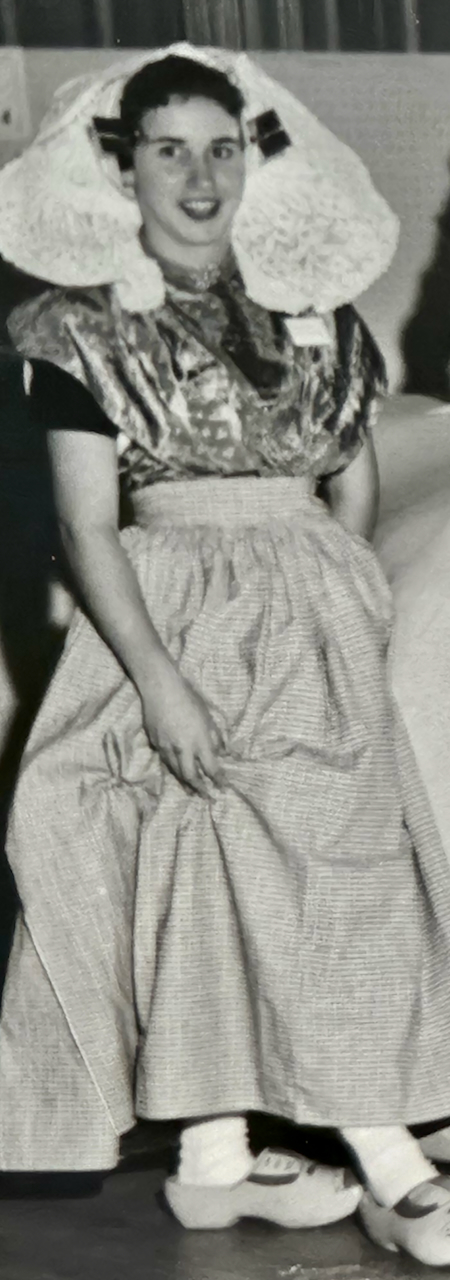
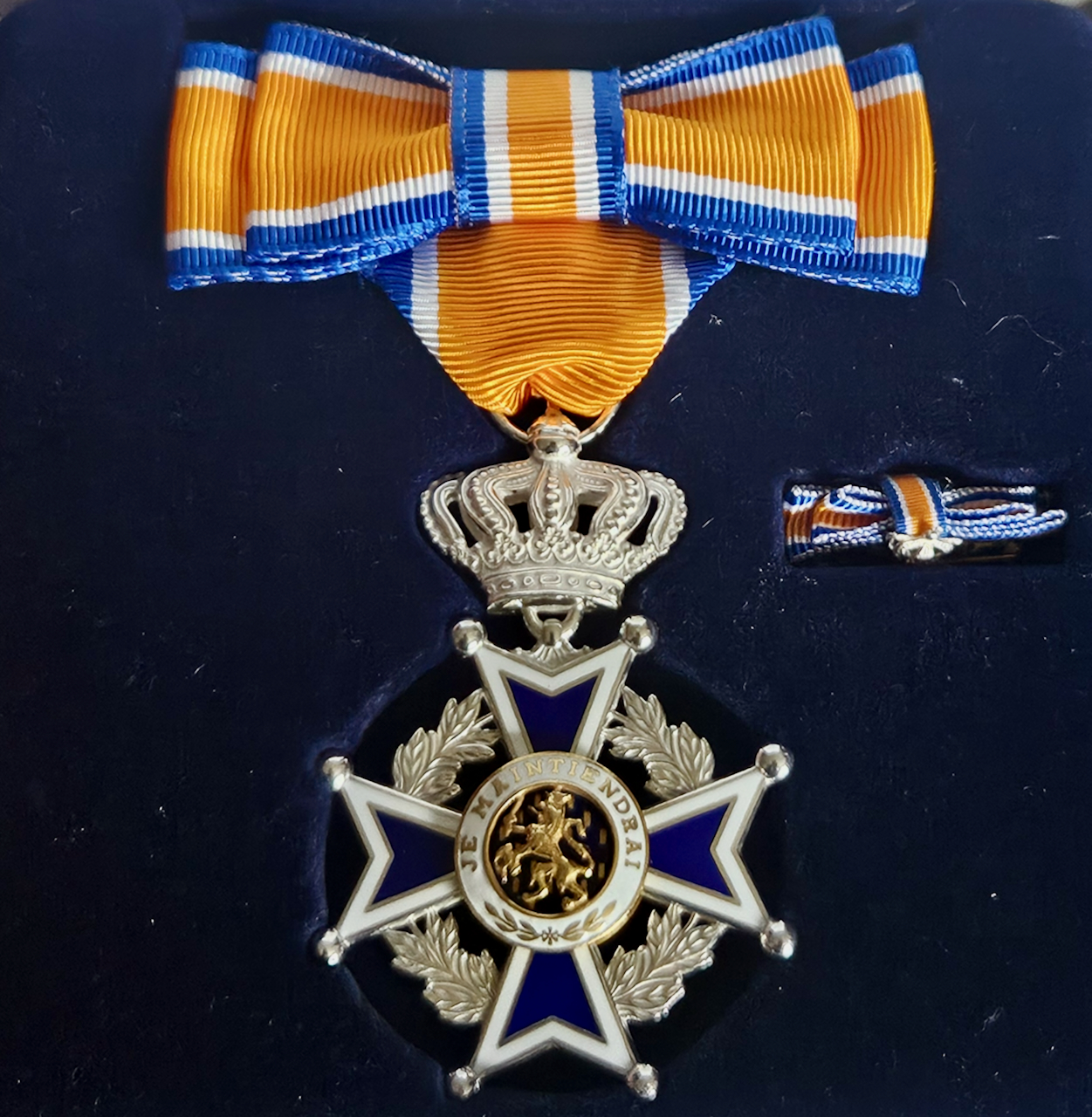
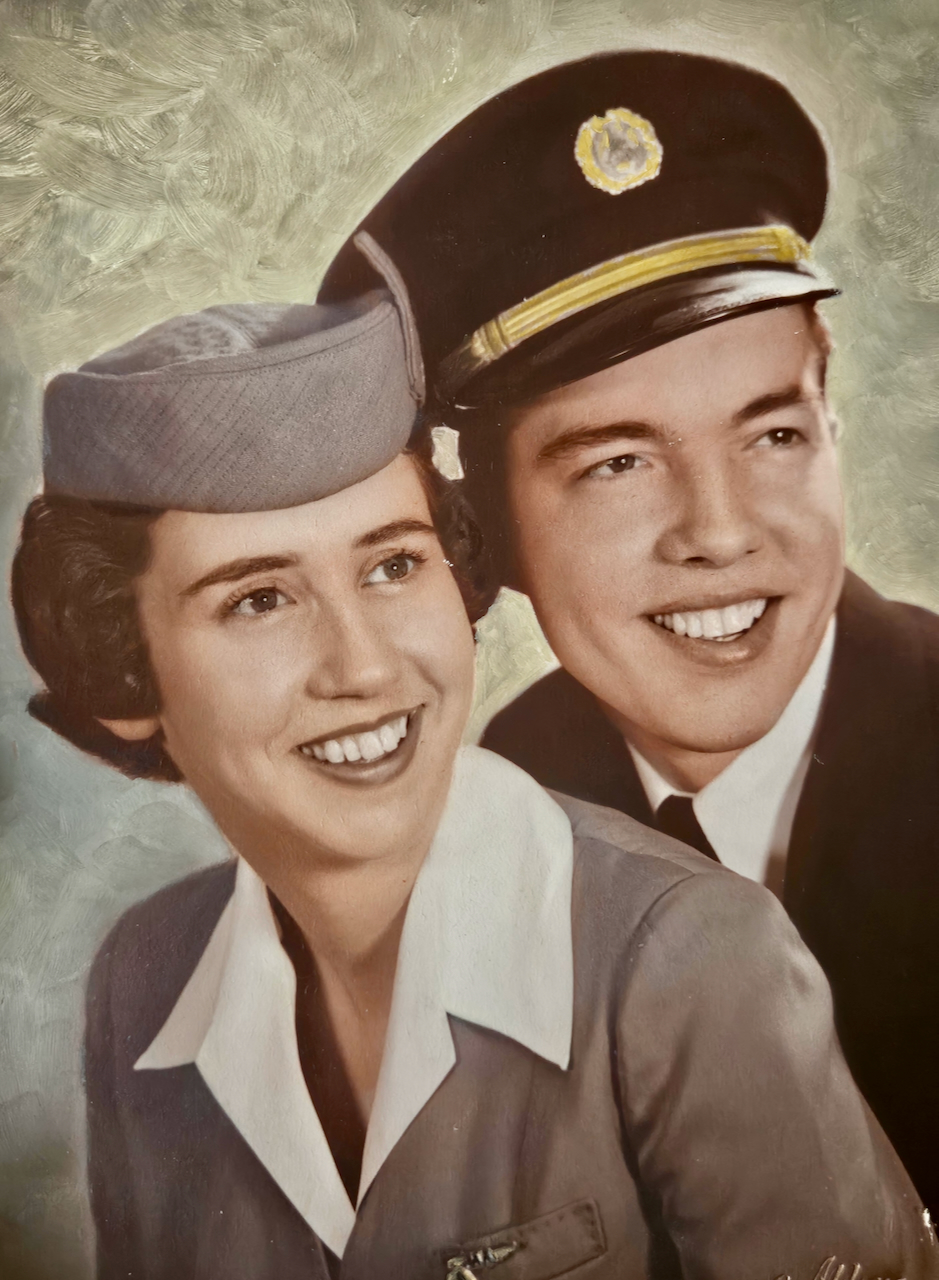
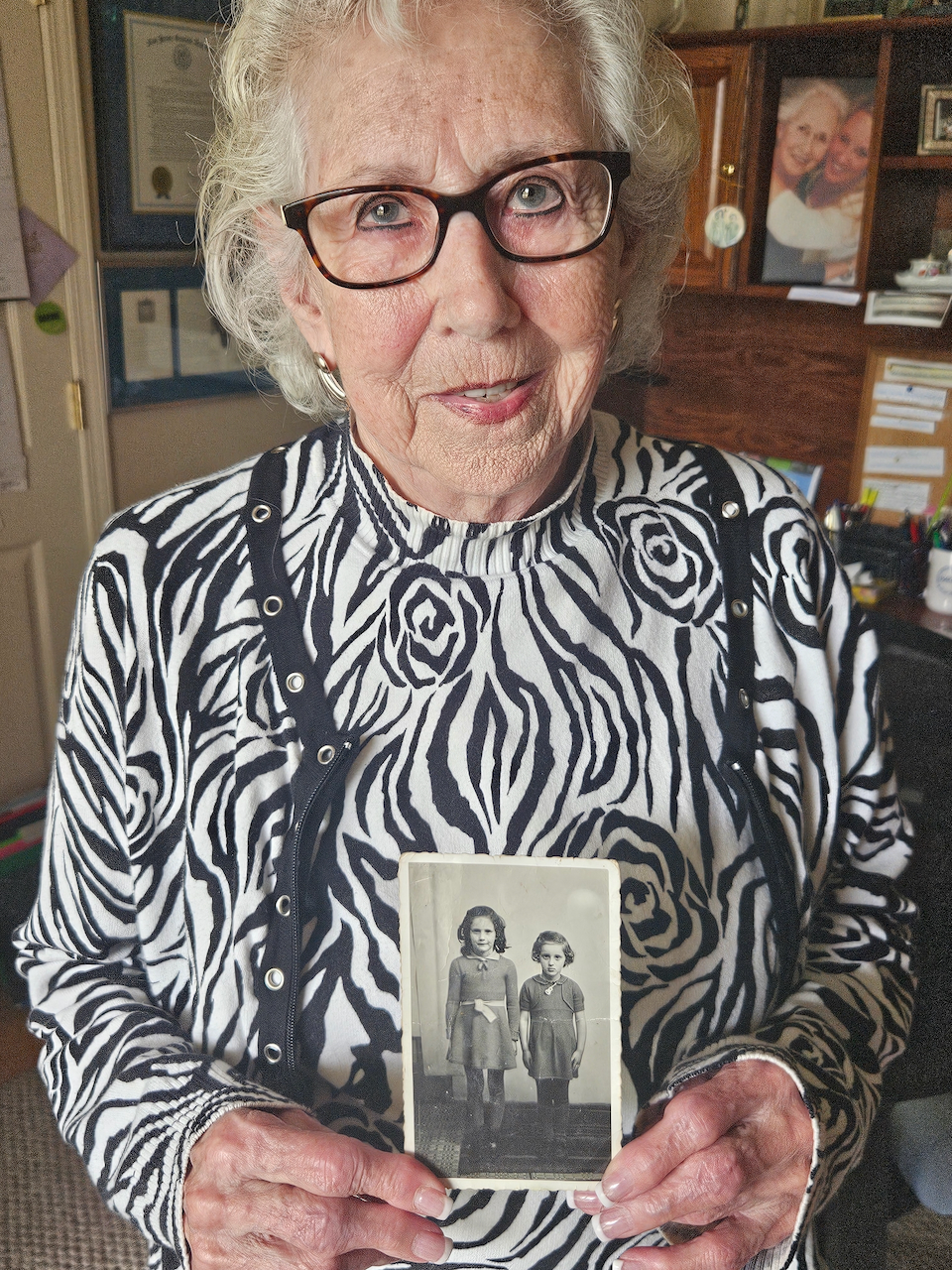
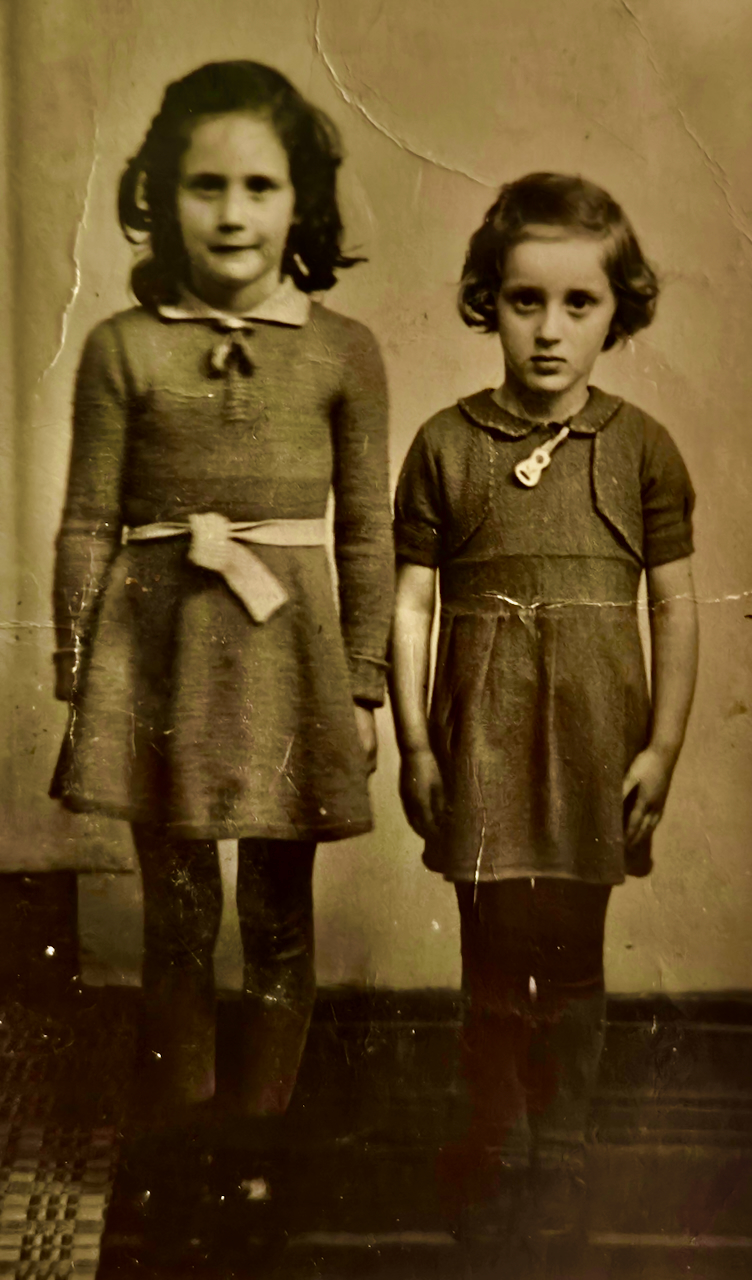
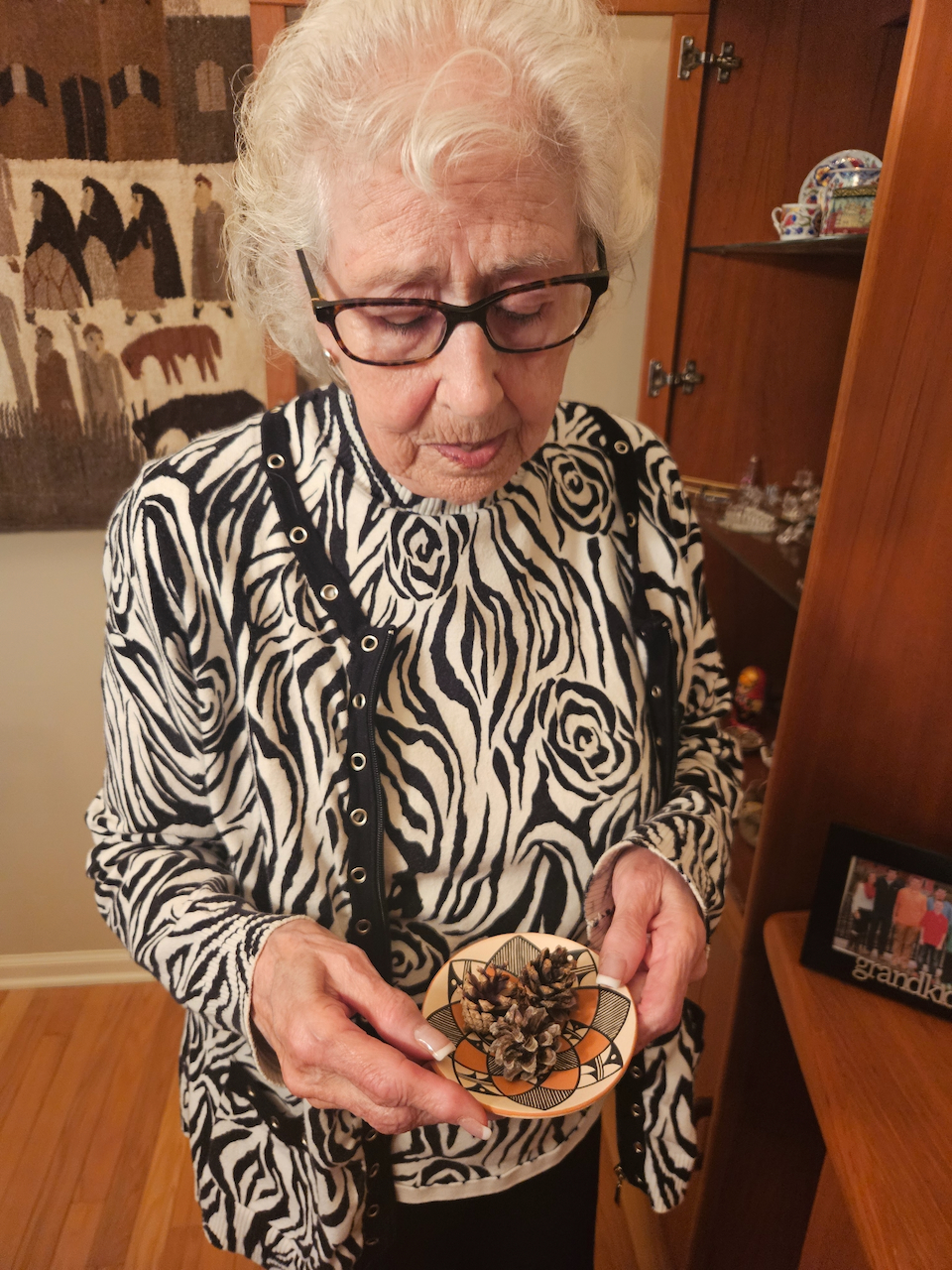
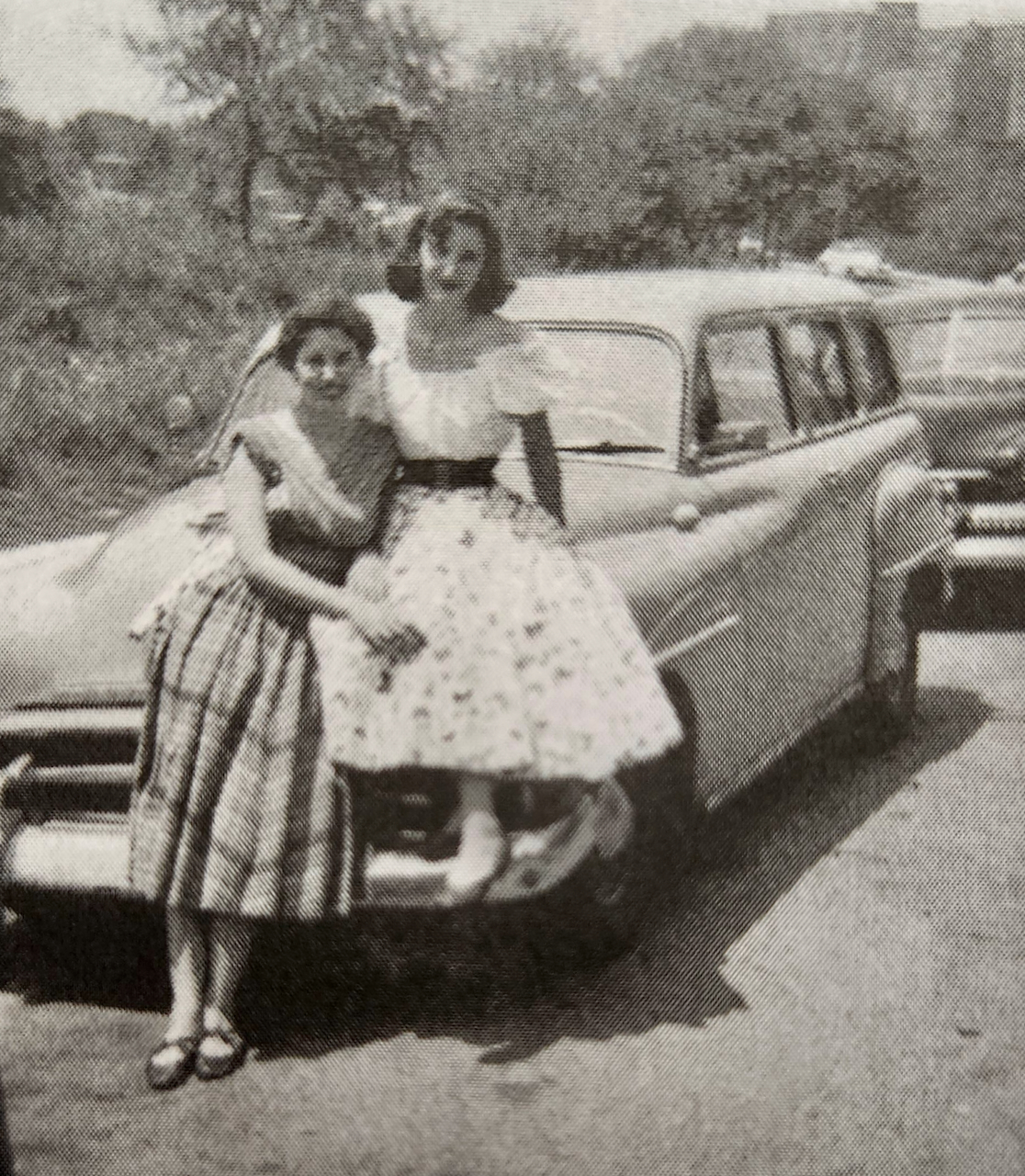
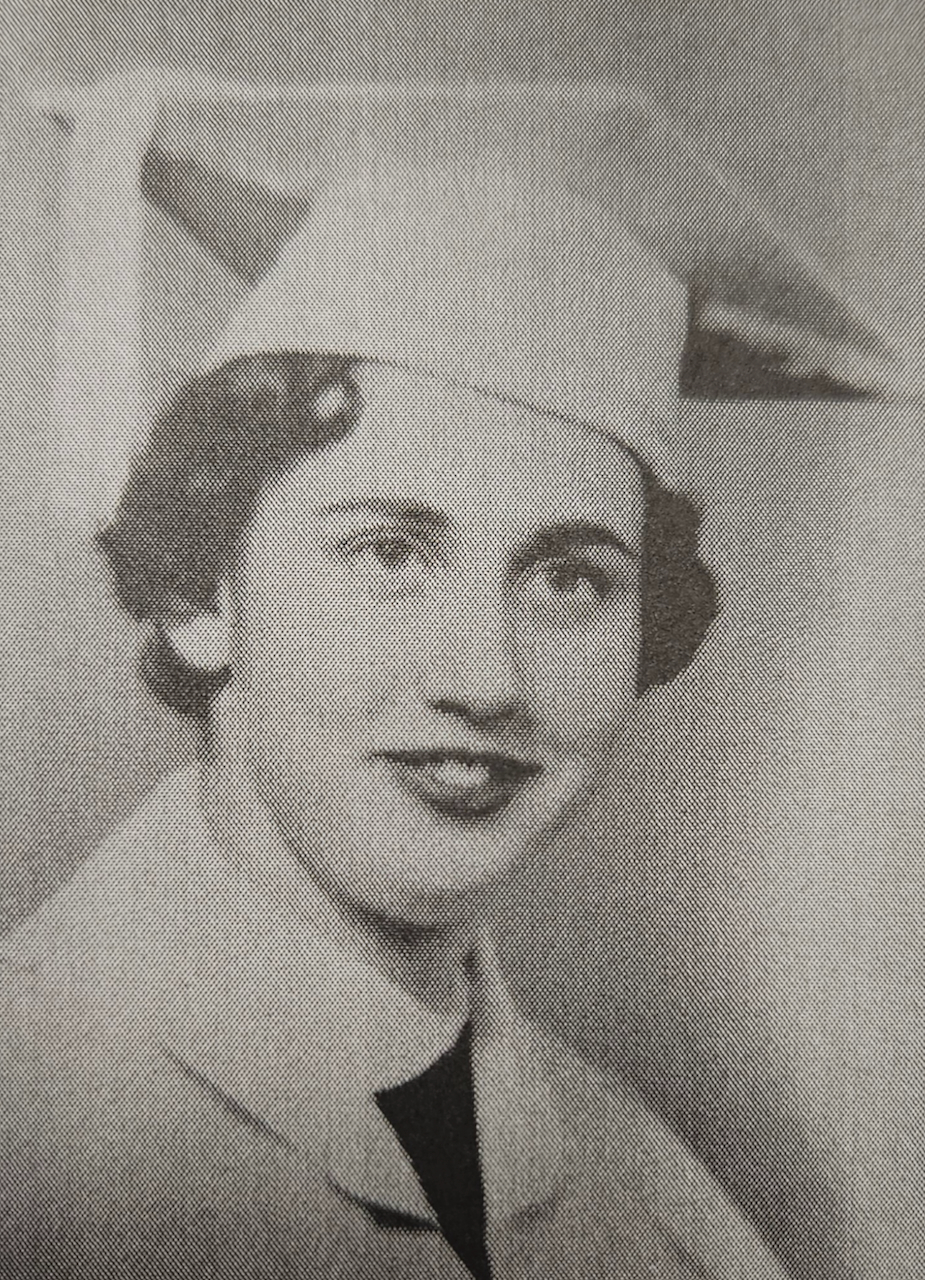
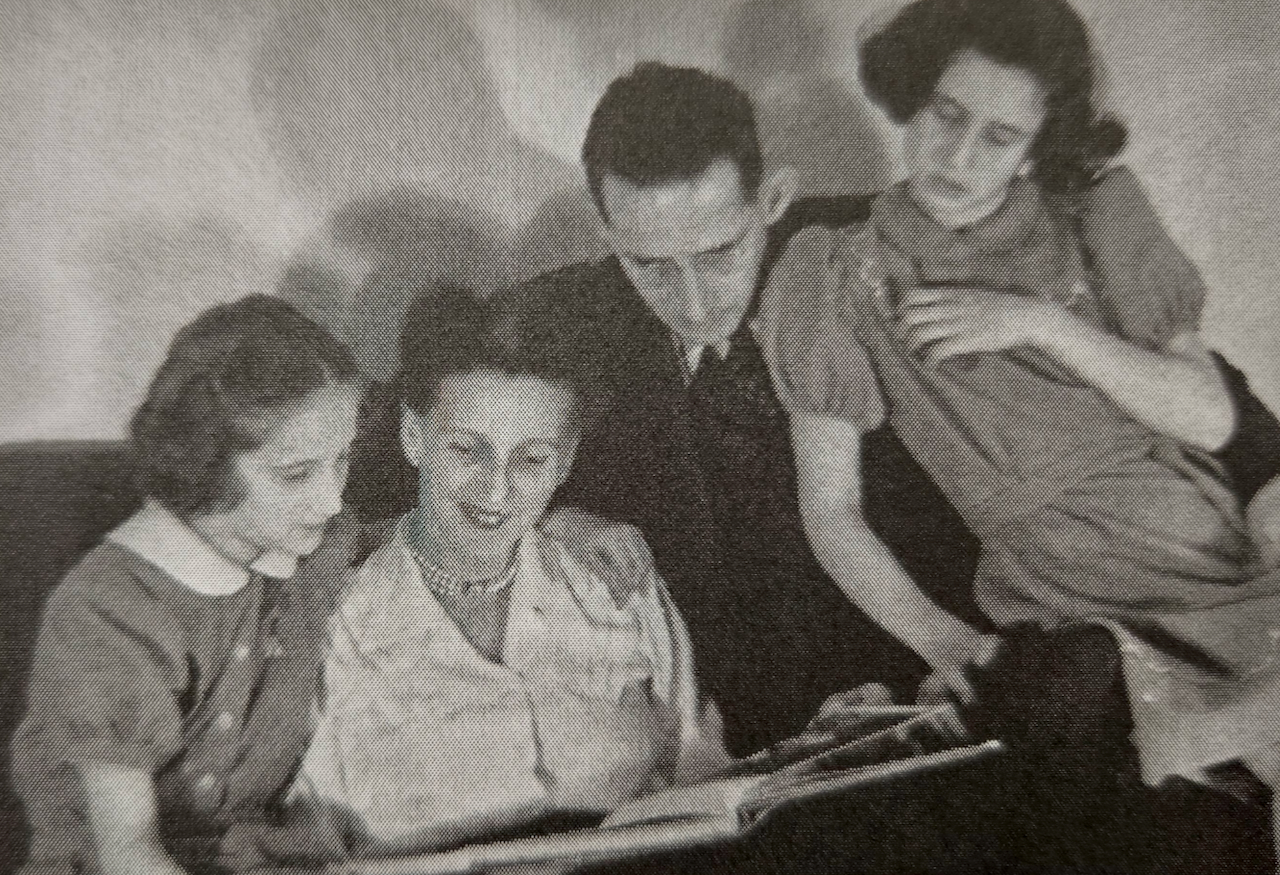
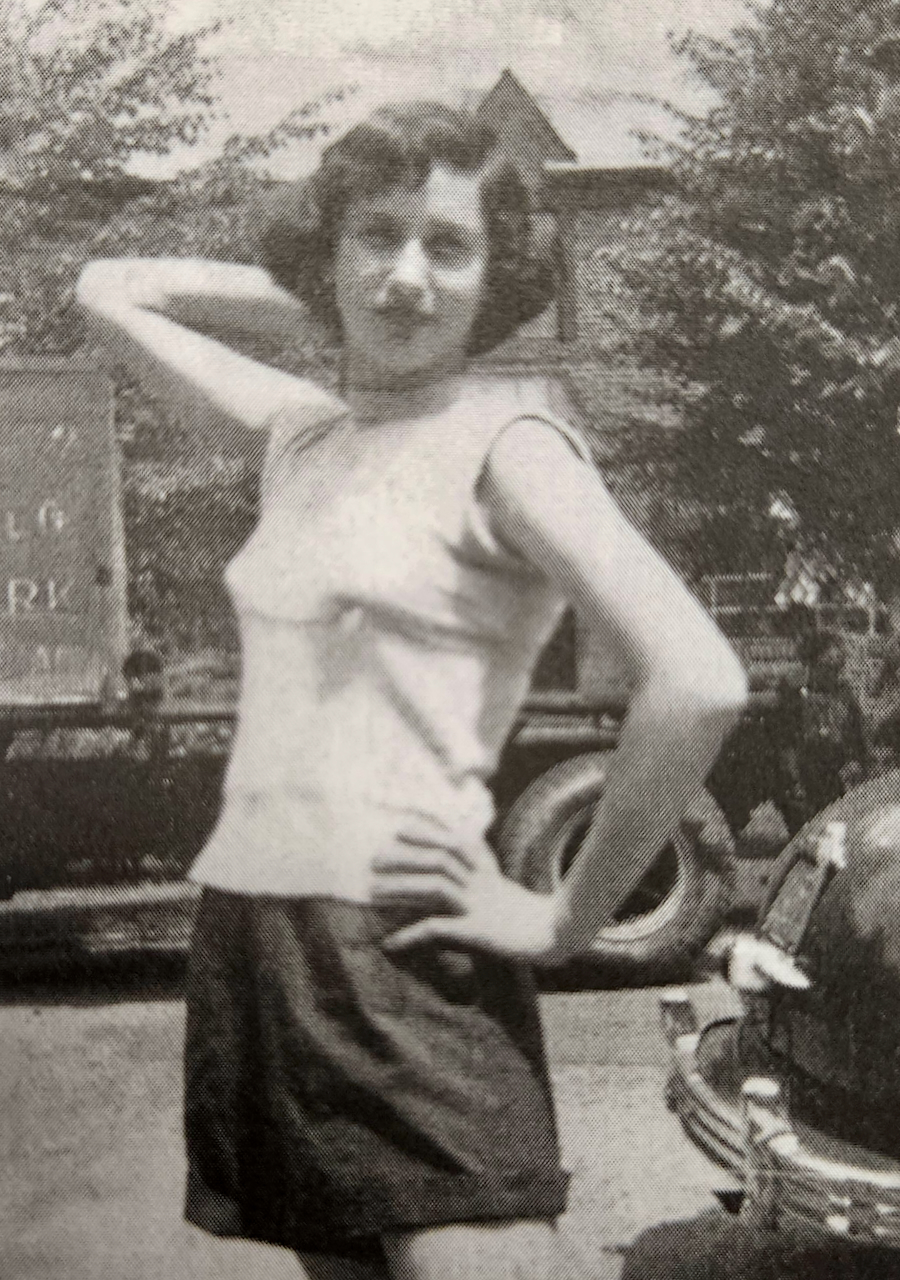
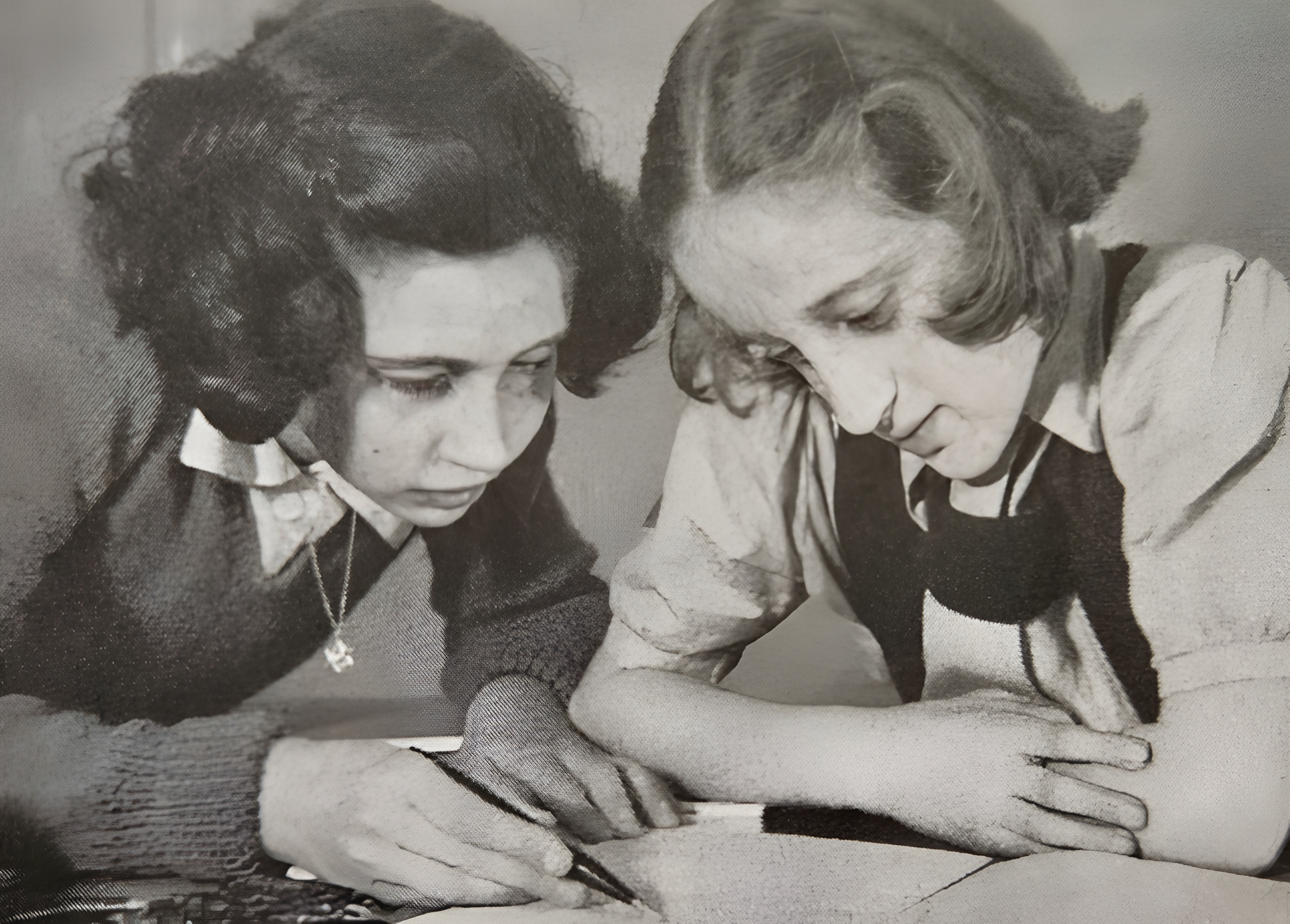
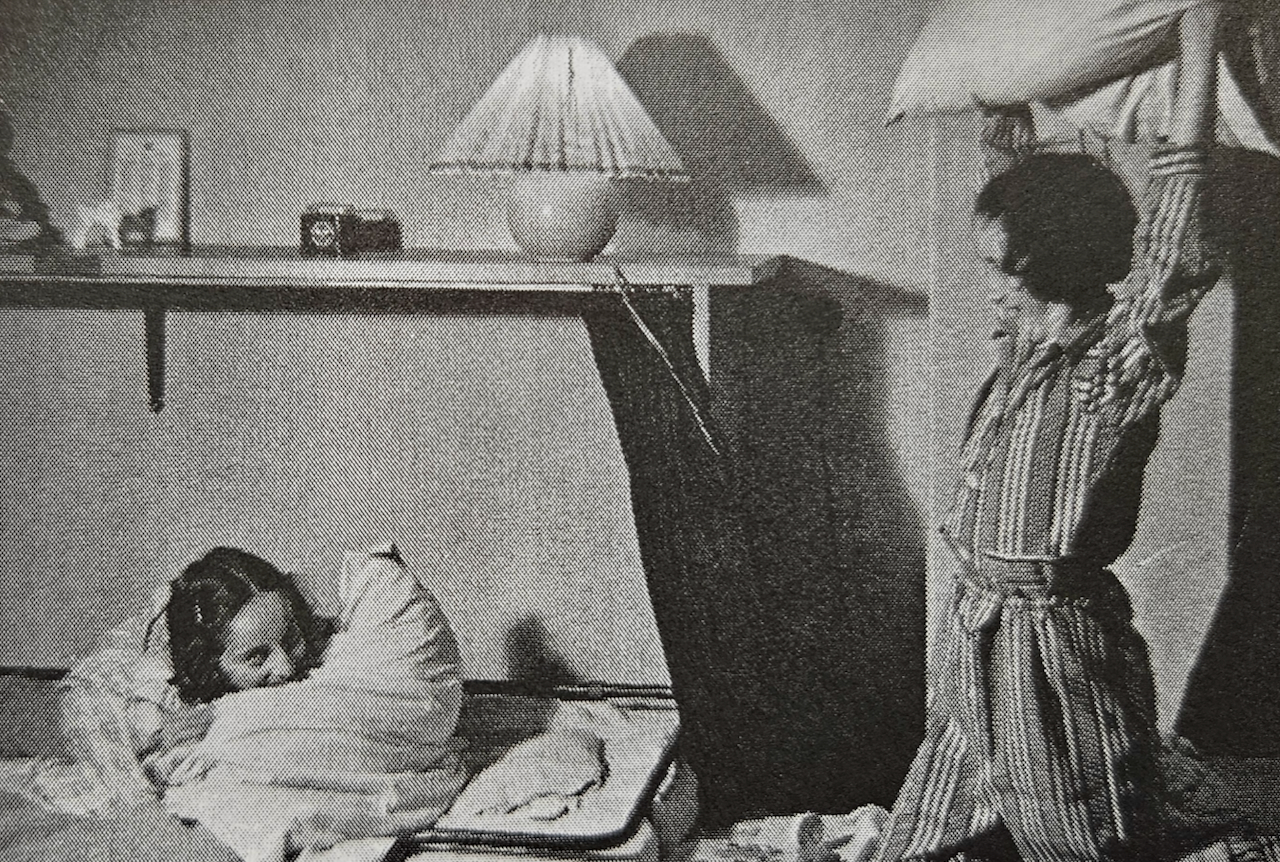
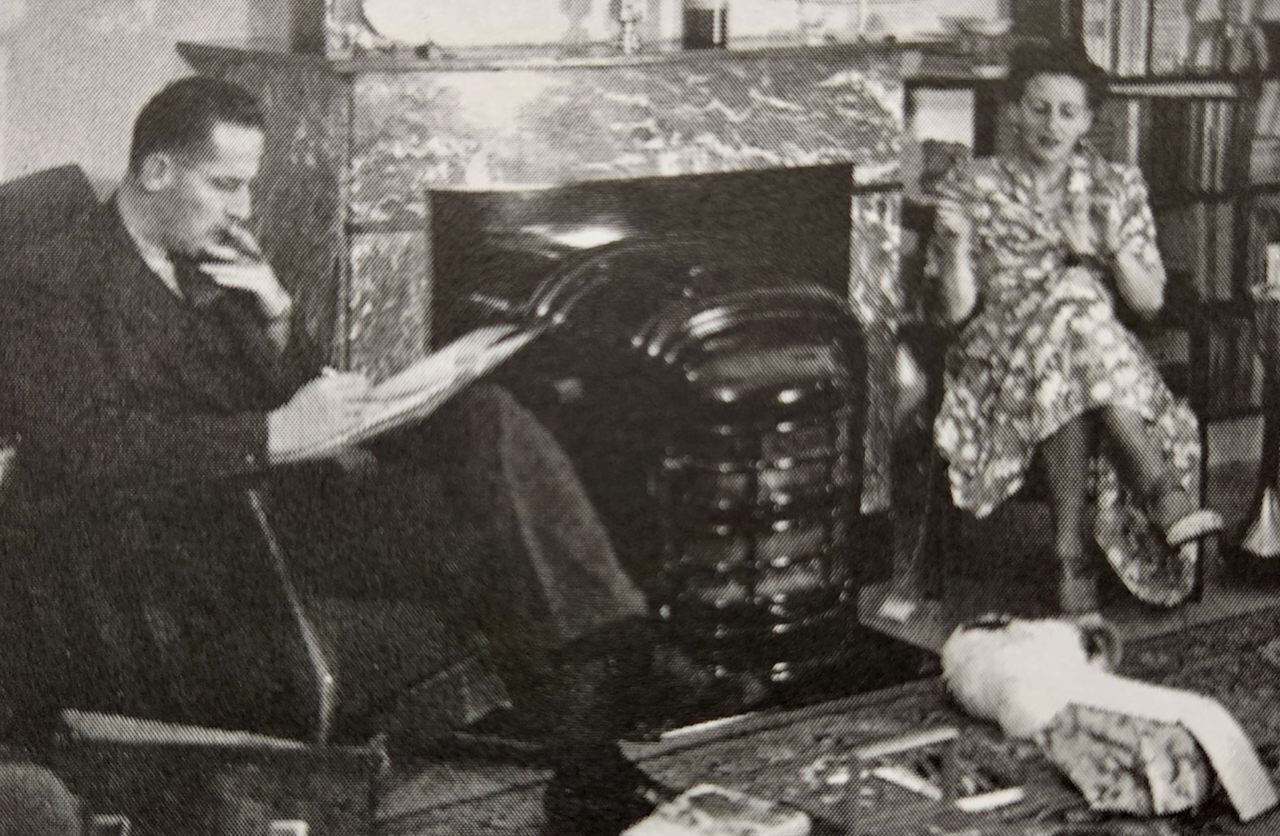
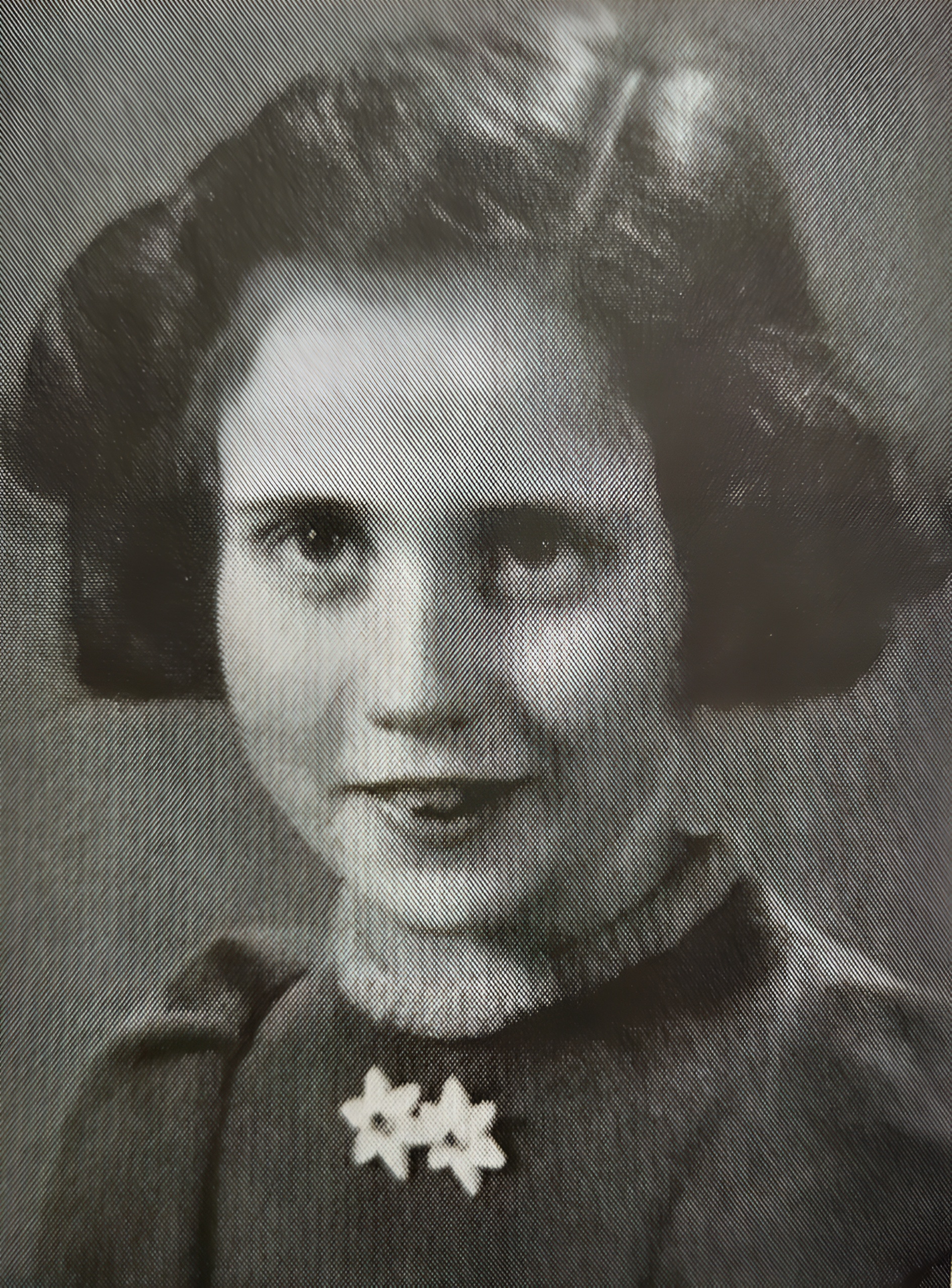
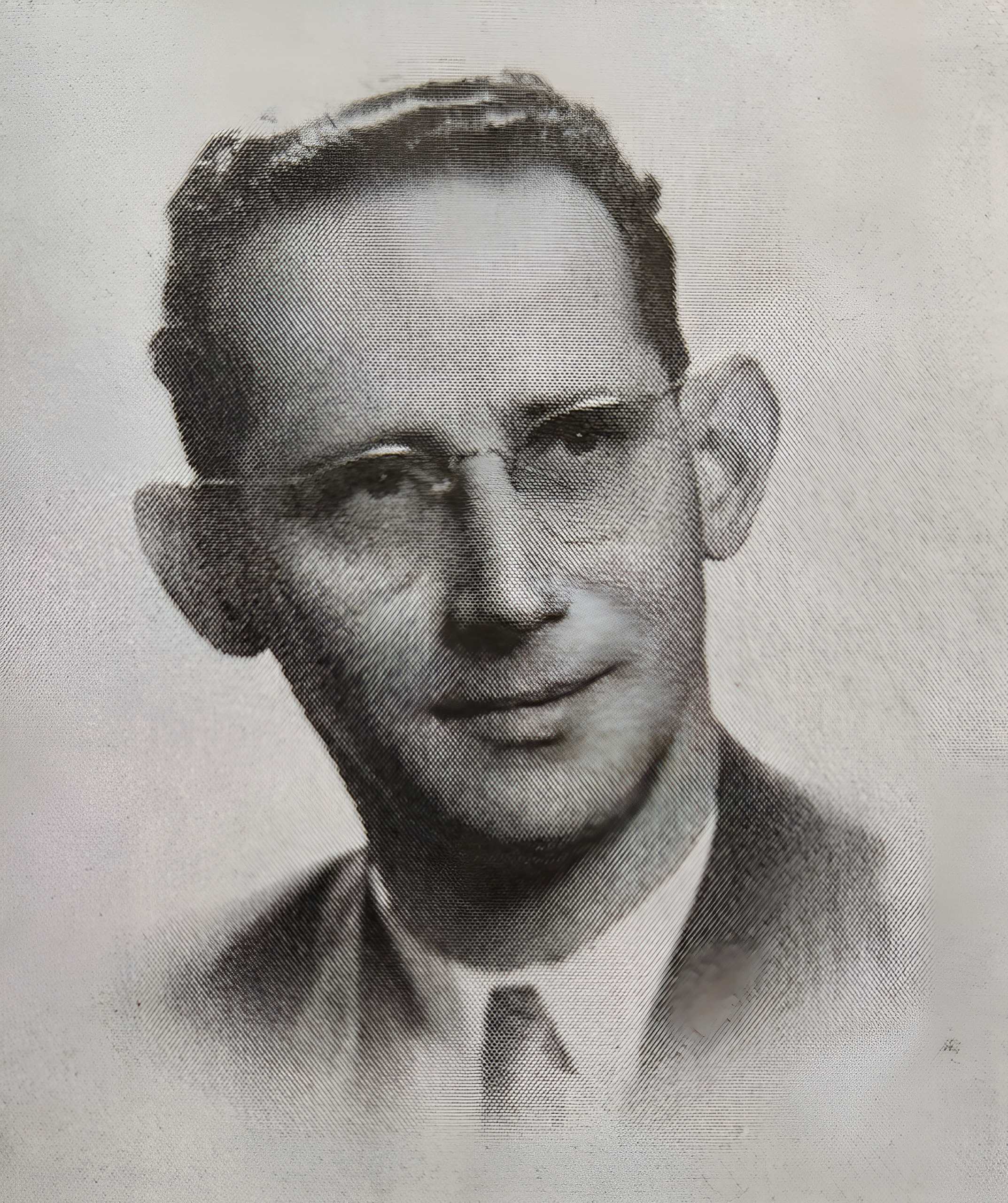
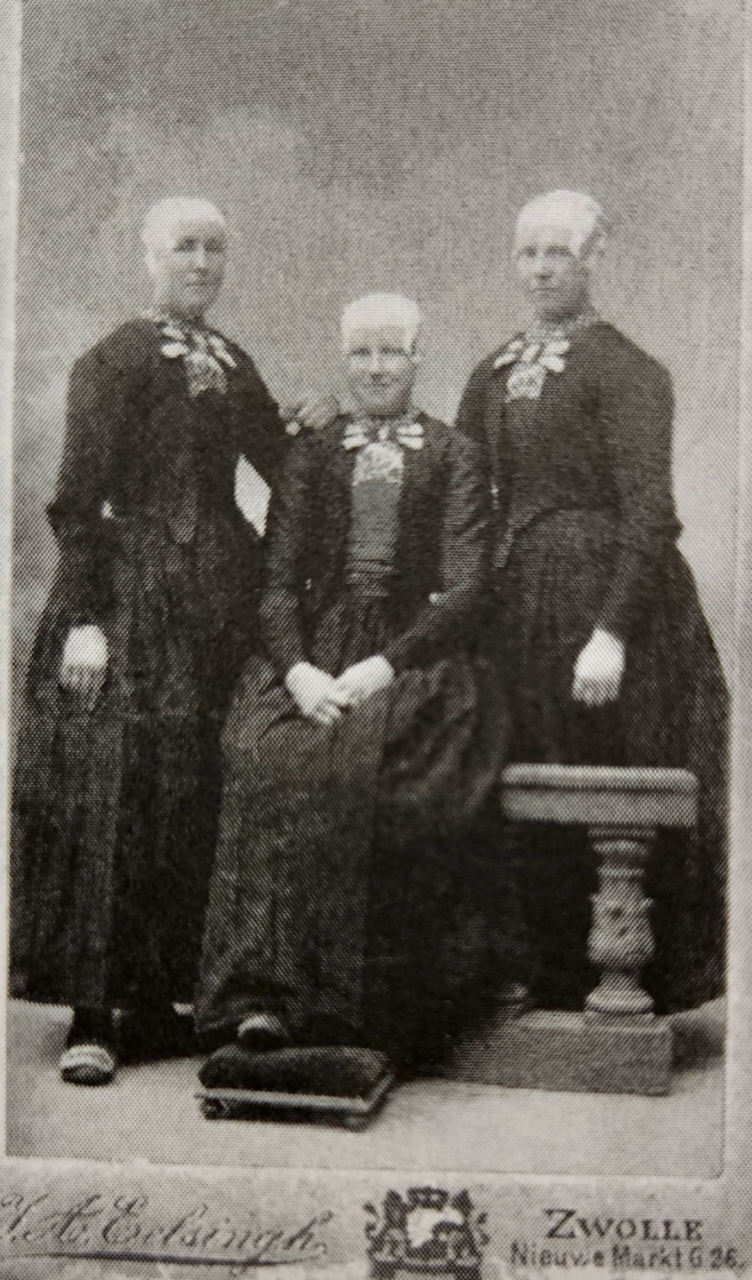
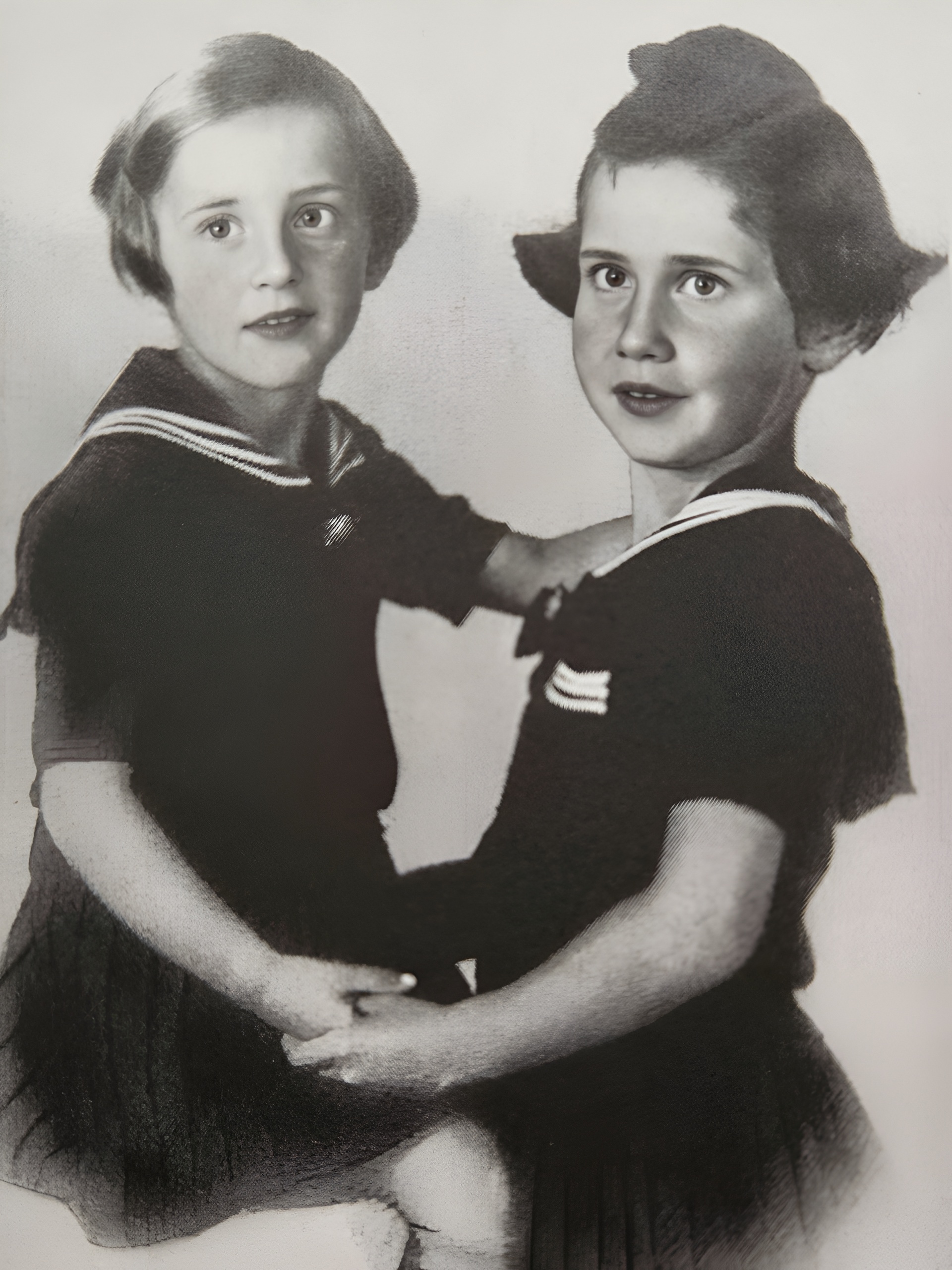
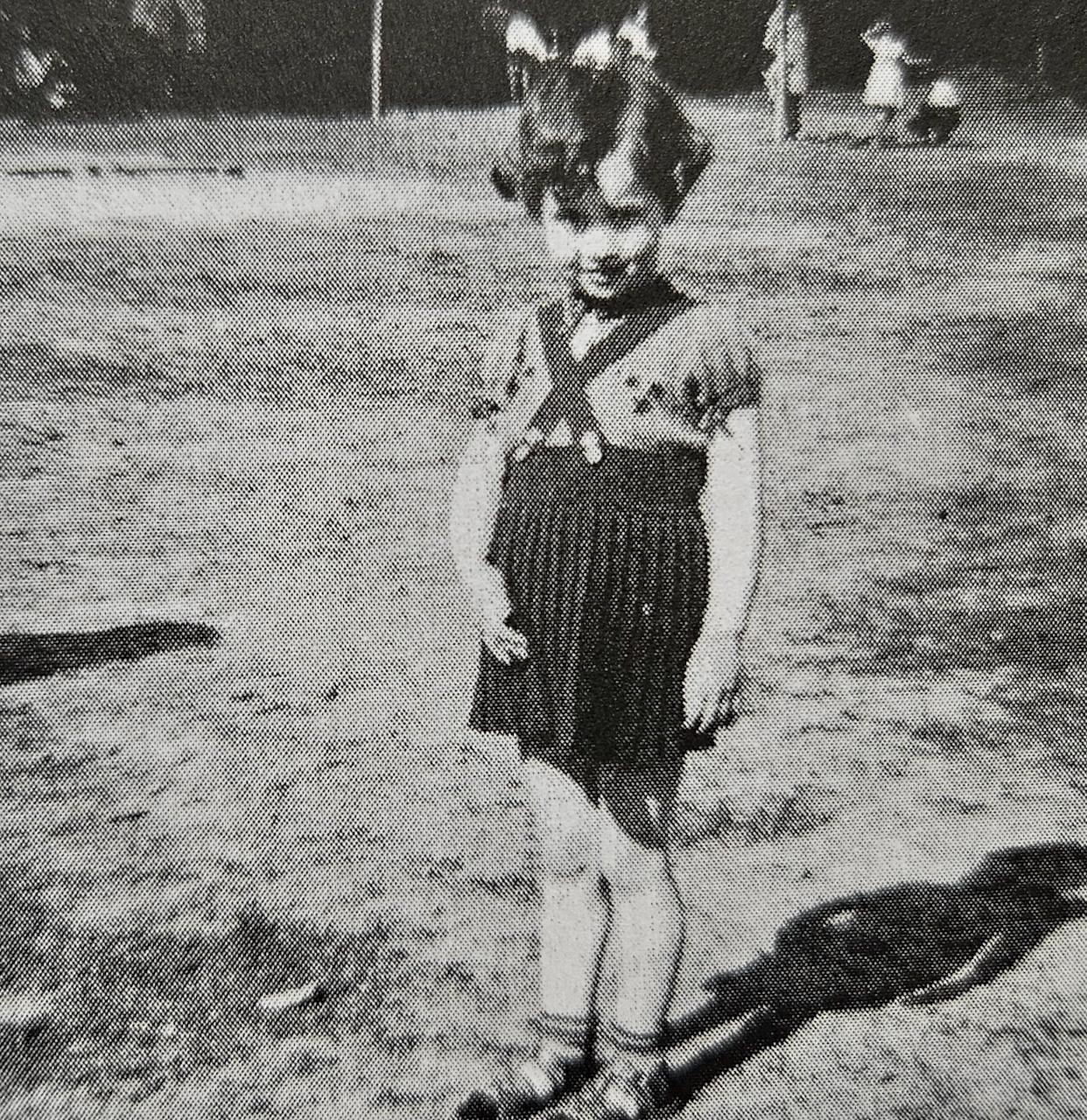
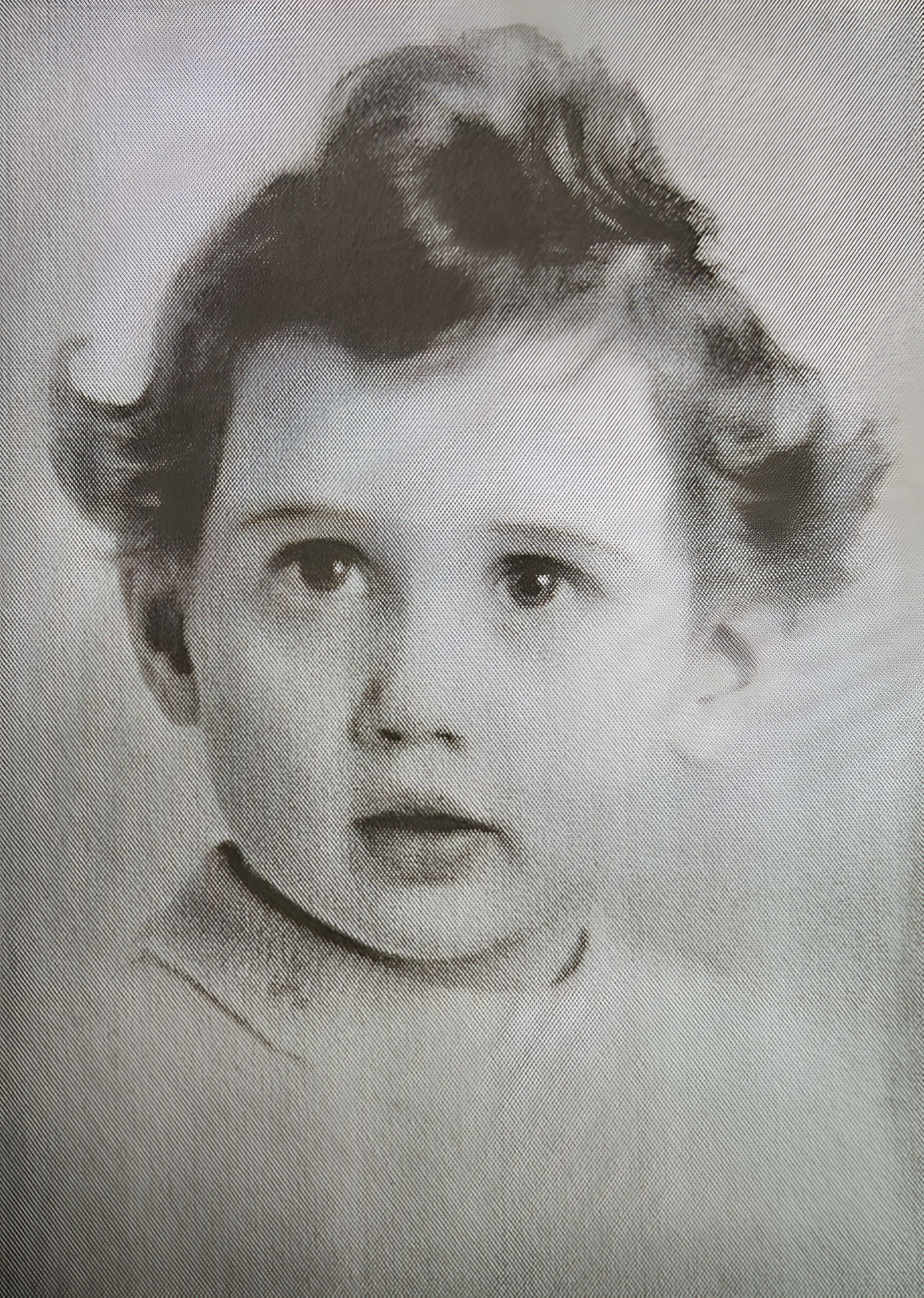
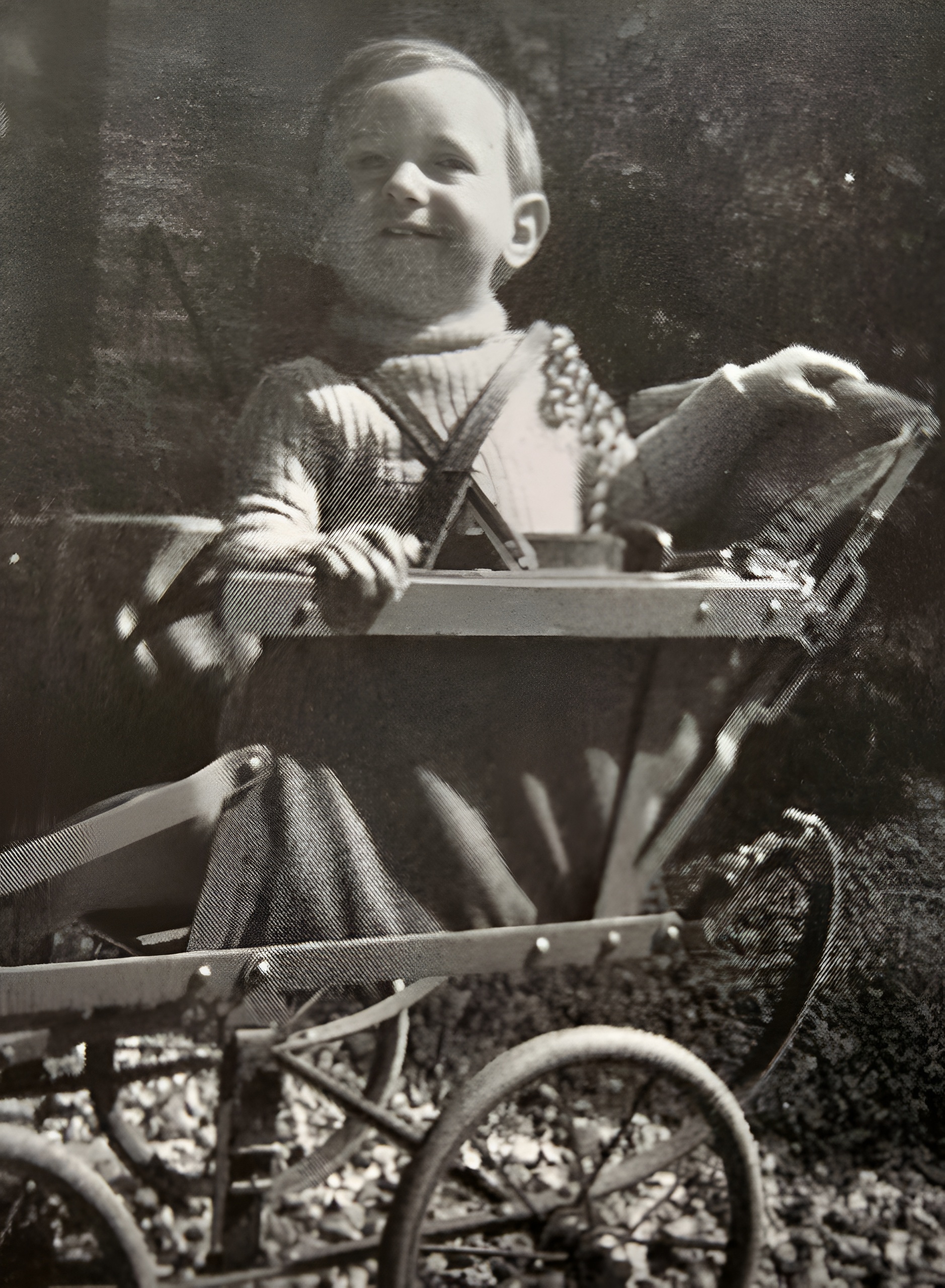
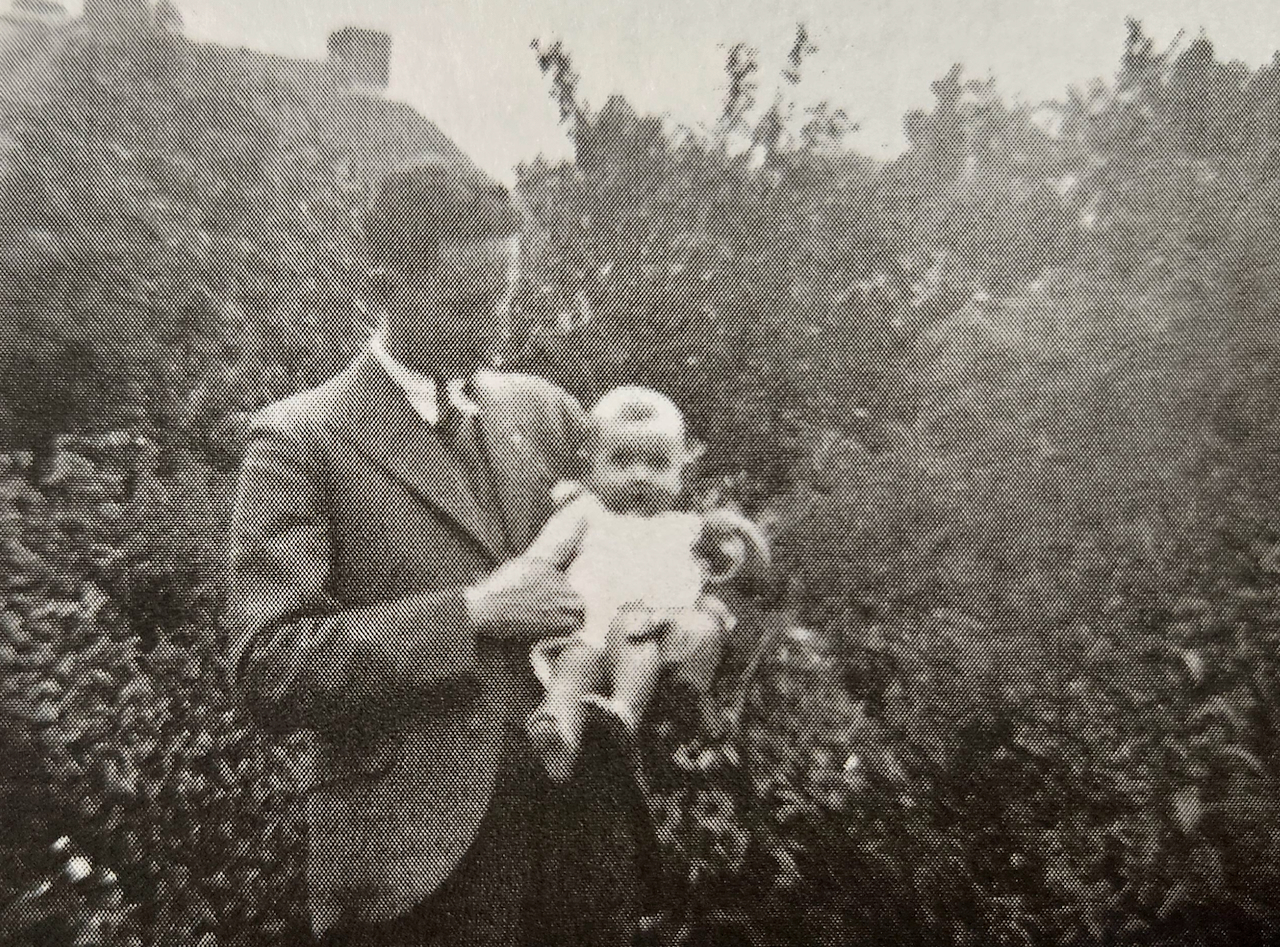
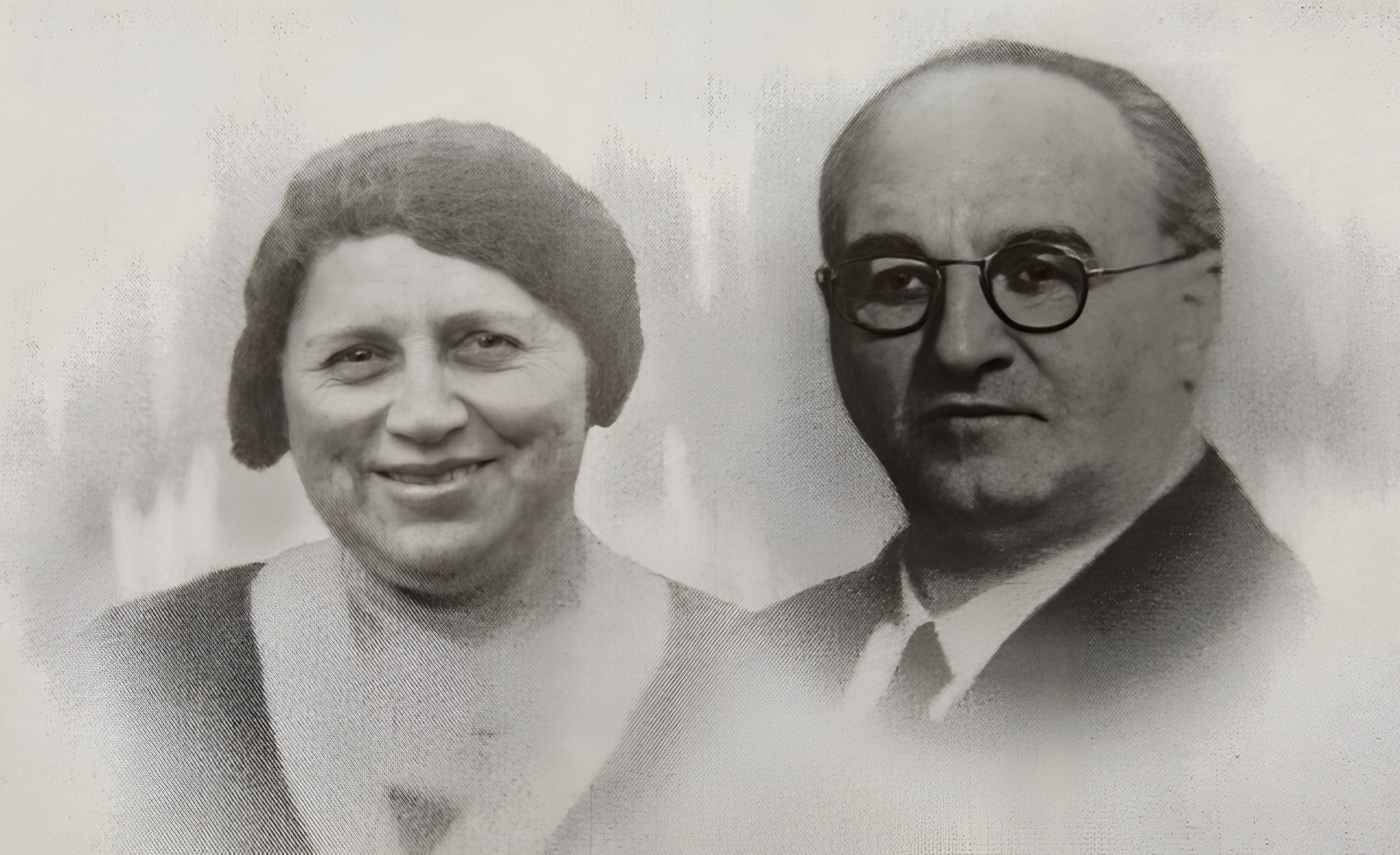
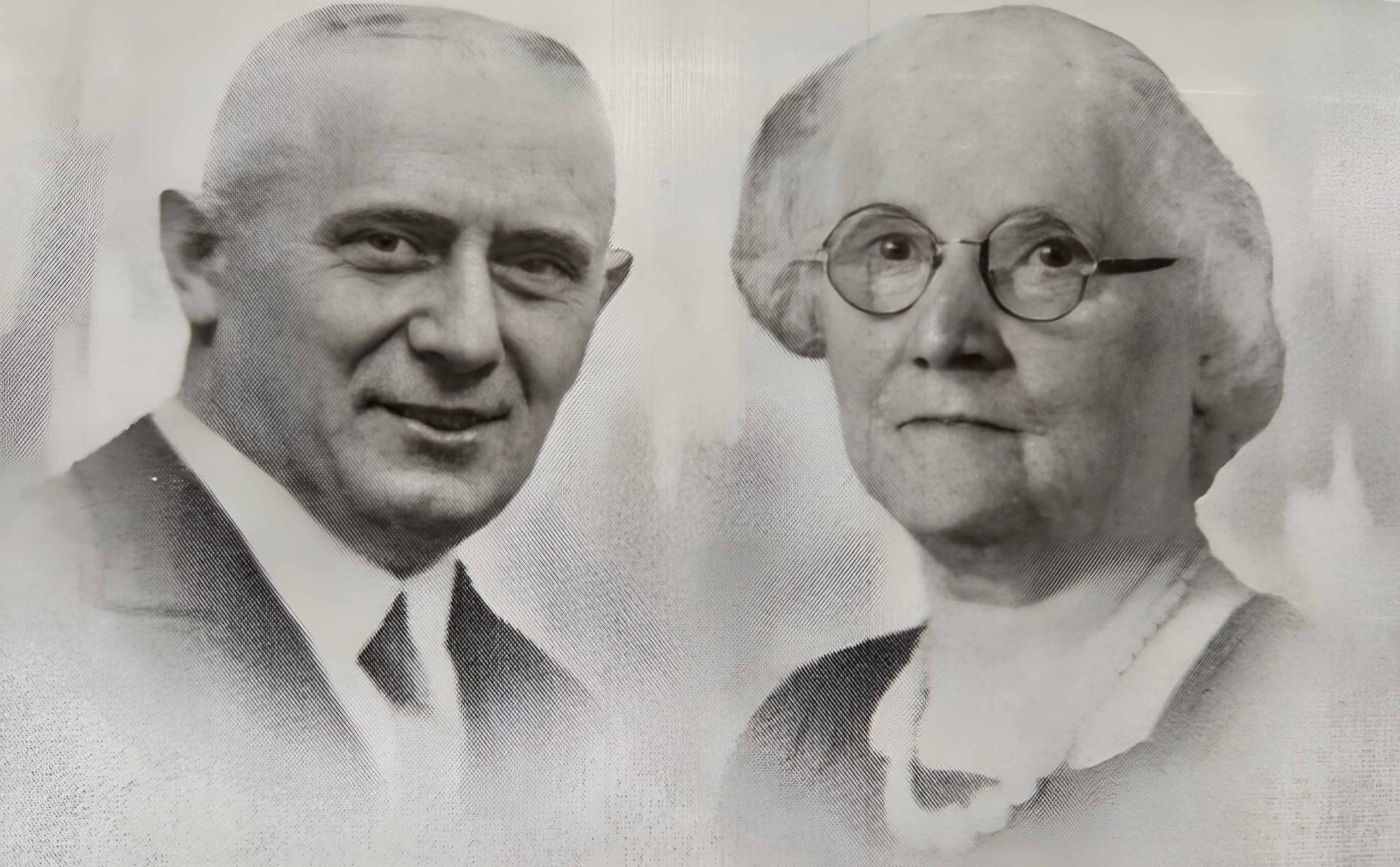
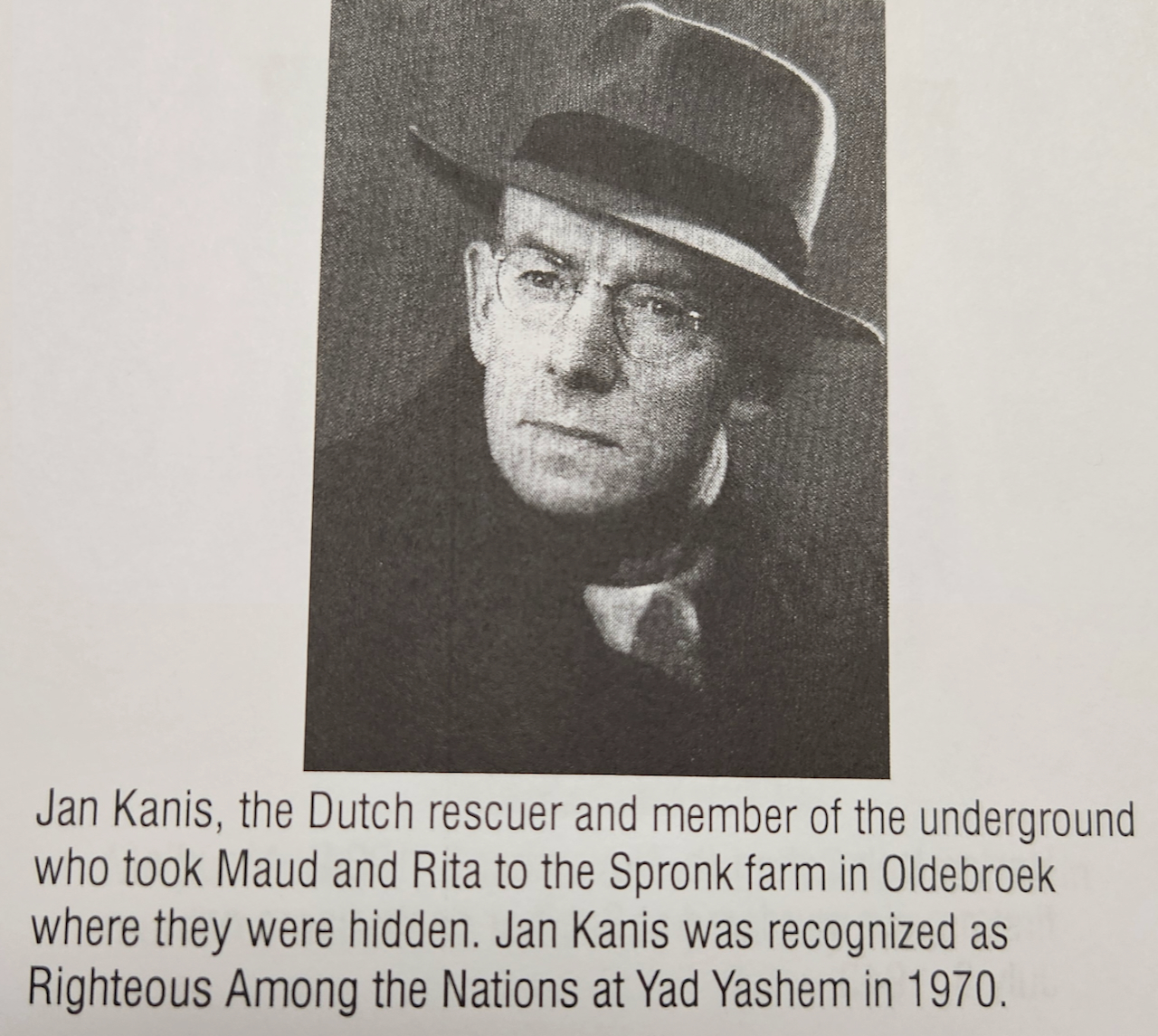
Maud Dahme (née Peper) was born January 24, 1936 in Amersfoort, in the Netherlands. Her mother was originally from Germany, but when she met and married Maud’s father, the Netherlands became her new homeland. The family was living in good circumstances throughout the 1930s, and in their early years Maud and her younger sister enjoyed that too. May 10, 1940 was a dramatic turning point though; that was the day of the German invasion, and restrictions on the lives of Dutch Jews would begin in short order. Maud had just started school and suddenly she was not allowed to attend, though Jewish parents and teachers managed to create their own school for a time. Maud was six when the yellow star regulations were enacted, and it was at about this time when the Jews of Amersfoort were told that they would be resettled to the east. Her parents were able to contact someone in the resistance, who told them about plans to hide Jewish children. Maud’s parents took his advice and made arrangements to leave the girls in the care of another family. That fateful day did come, and Maud’s parents told her that she and her sister were going to visit a farm for a 2-week vacation. They ended up at the Spronk farmhouse, and that is where they would spend the next two years, pretending to be the nieces of this elderly couple. Over time they learned to accept their situation, all the while seeing German patrols and coping with the fear that they might be denounced. And that did happen on one occasion, forcing the girls to move to a nearby fishing village where they endured the pains of the Hunger Winter. They returned to the farm as the war got into its final months, as the Resistance had instructed the girls to wait there for the potential return of their parents. As it turned out, her parents had gone into hiding during the war too, so they were able to survive, though many family members were murdered in the Shoah. The end of the war came with the arrival of the Canadians, and Maud recalls the joy that day brought. In short order it brought the return of her parents; they came to the farm to retrieve their daughters, and they learned to be a family again. Relatives overseas sponsored their journey to the United States, and Maud and her family found themselves in Queens, where she went to school and adapted to her new life. Maud in her teen years grew up as an American, enjoying all that life had to offer along the way. Later in life she reflected back on her childhood, and in the 1980s she began to share her story; she remains active in Holocaust education, working to raise awareness and combat hatred and instill lessons of tolerance and hope. Maud Dahme was interviewed by Scott Masters at her home in Flemington, New Jersey in July 2026.
Videos
Click next video below to keep watching