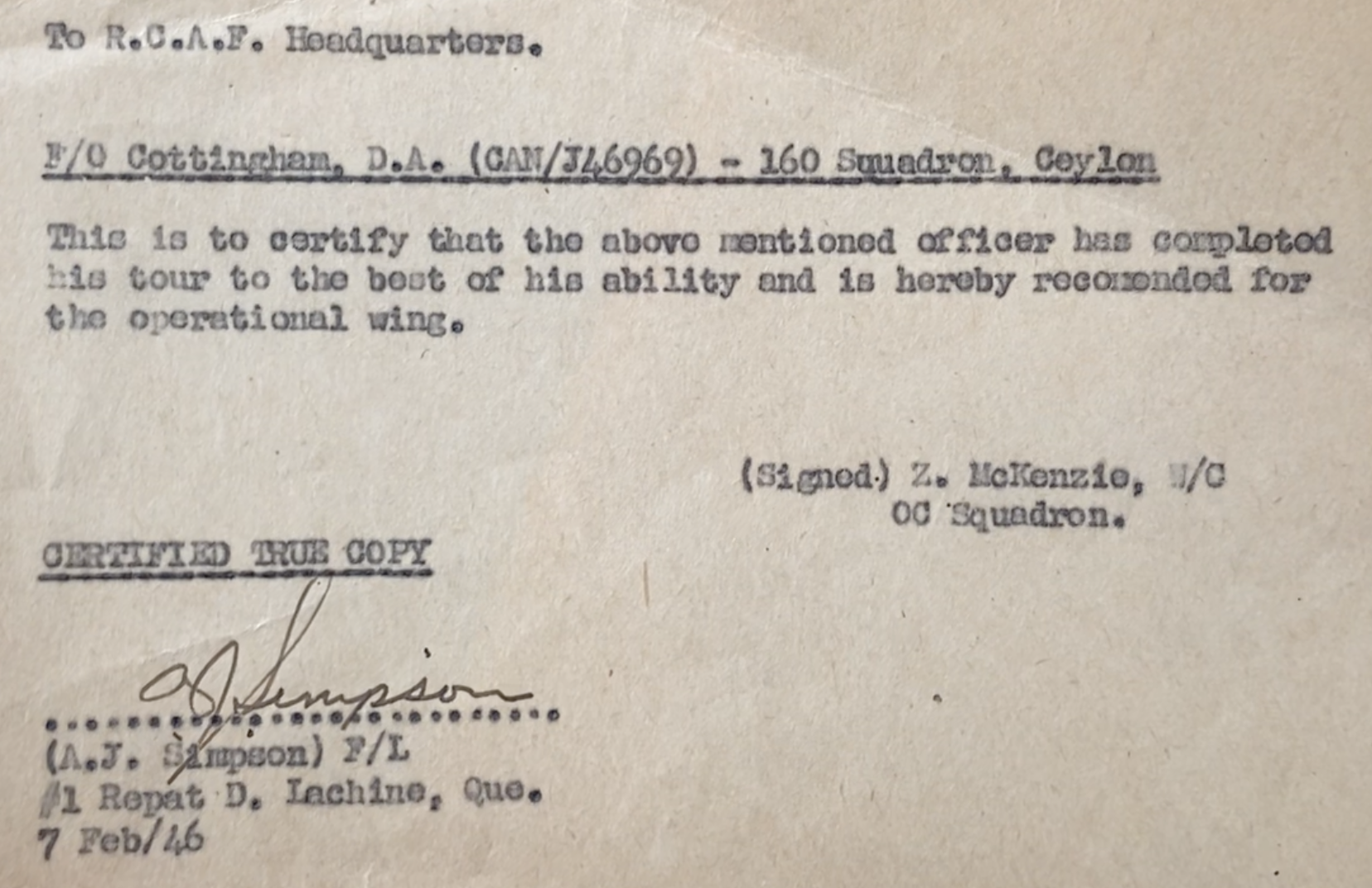
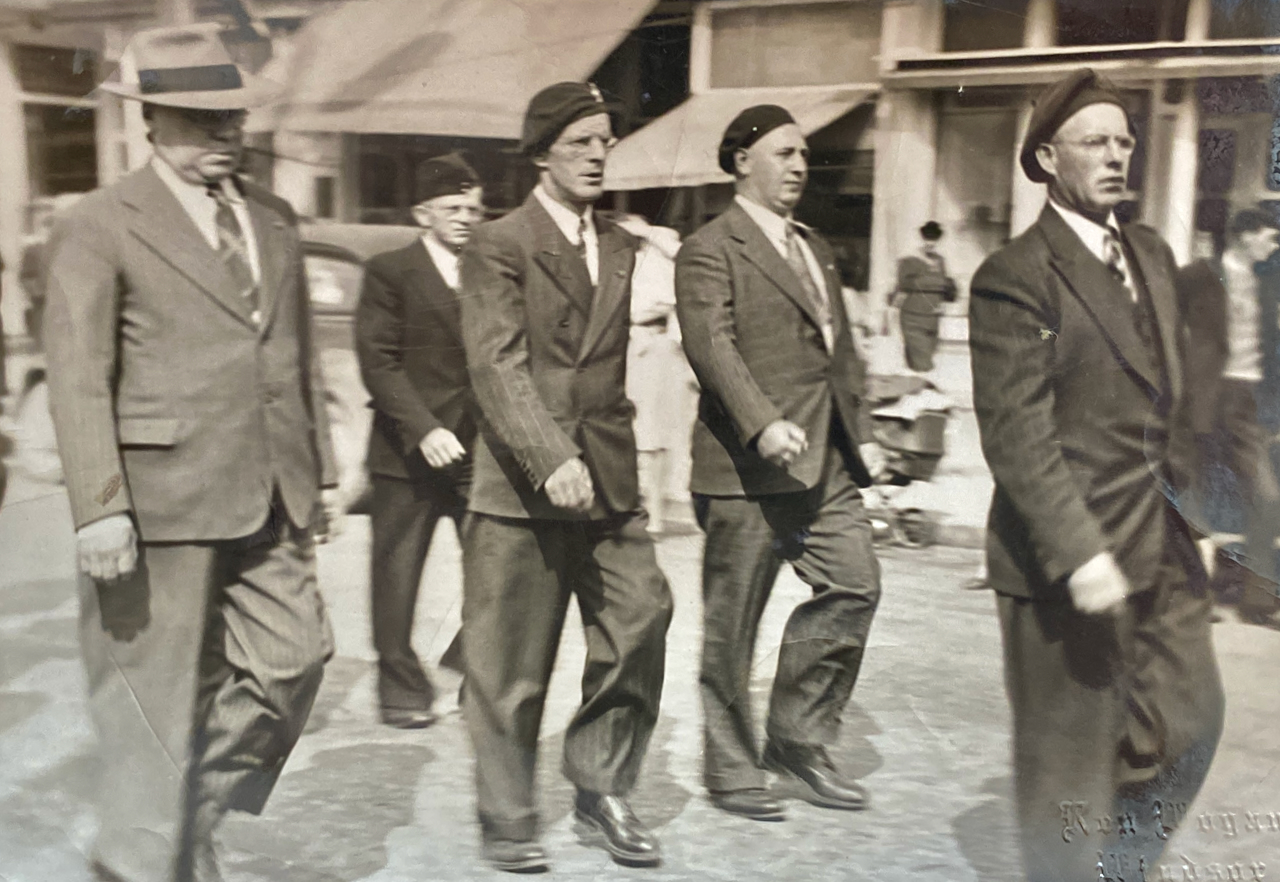
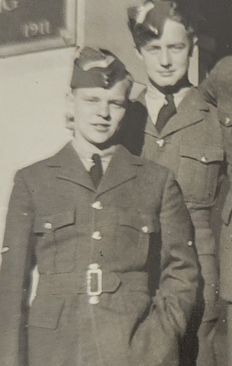
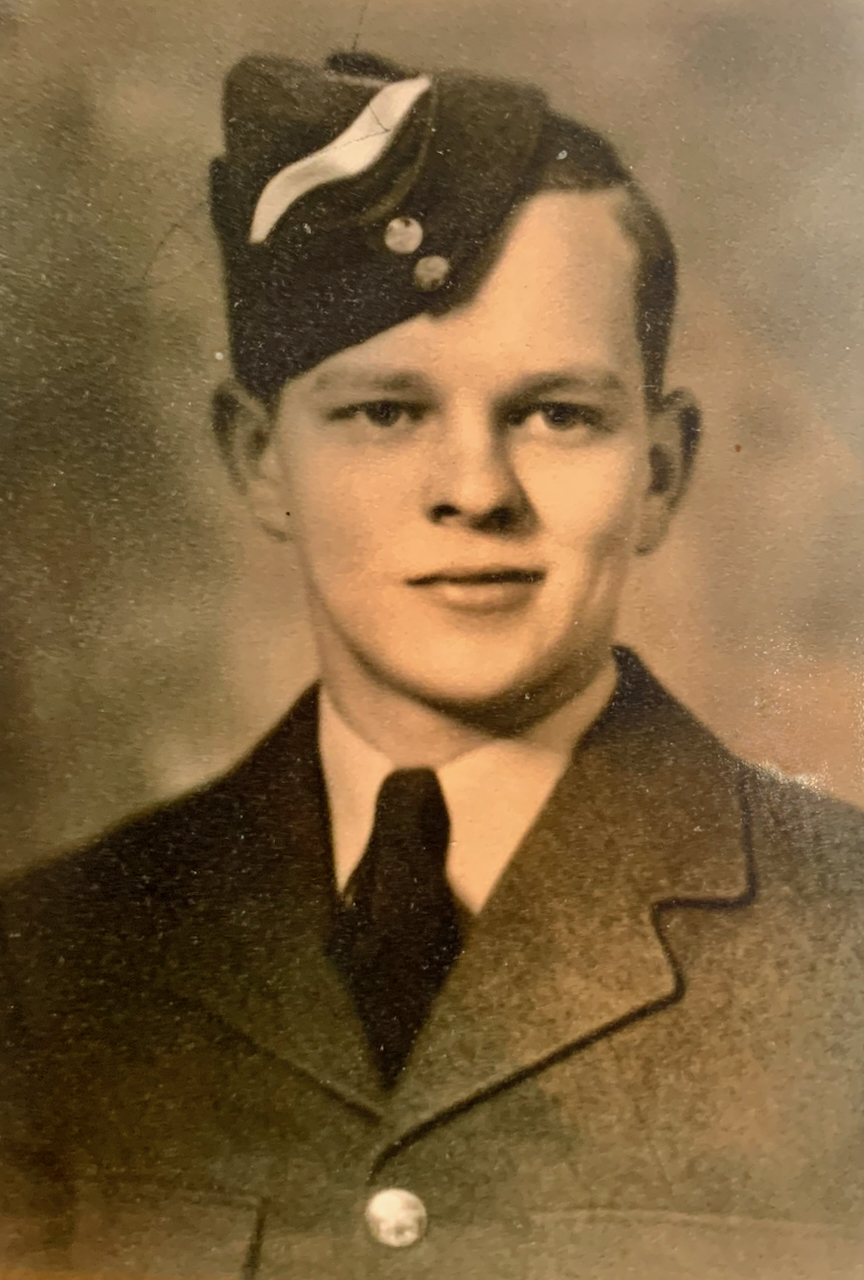
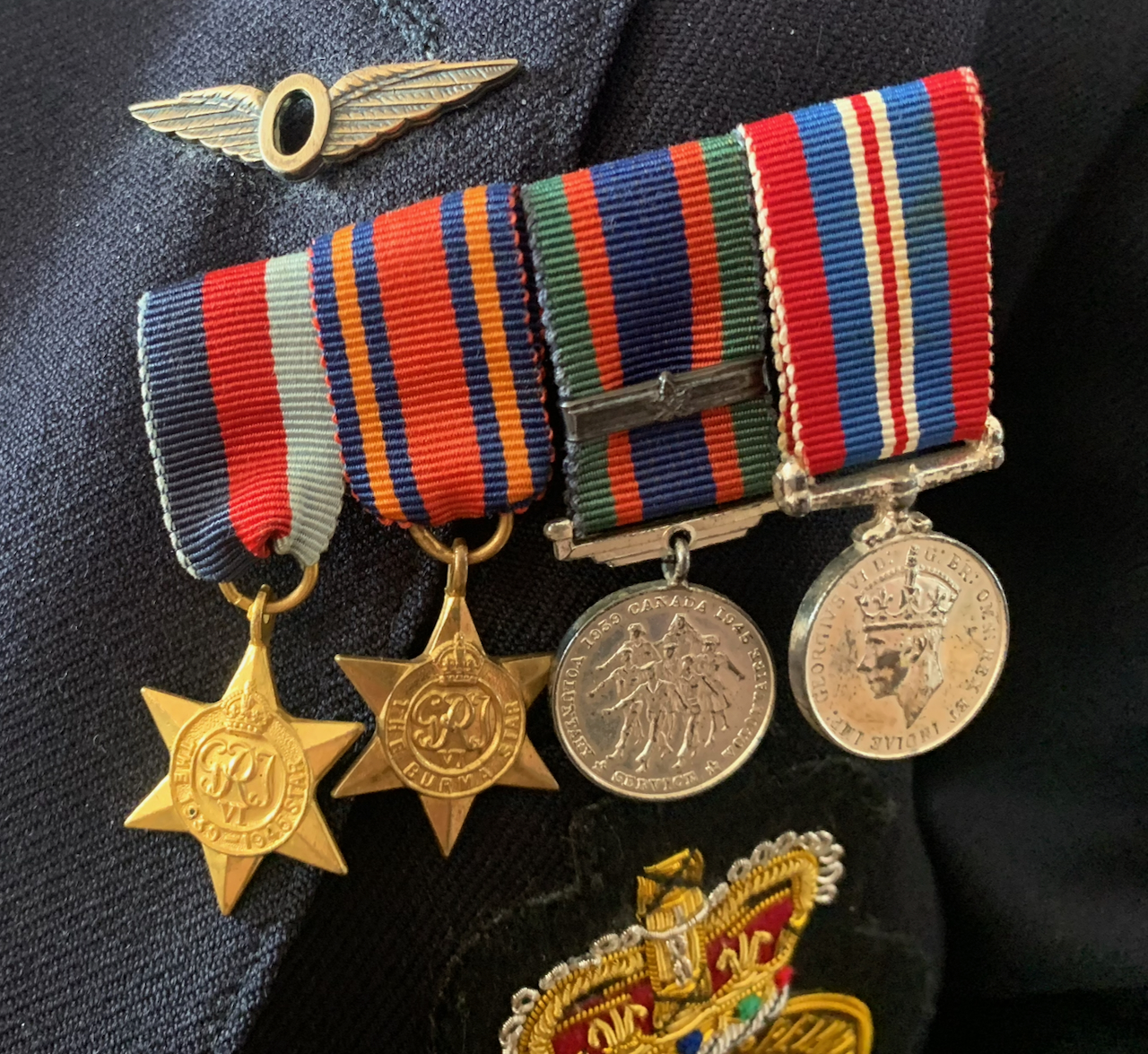
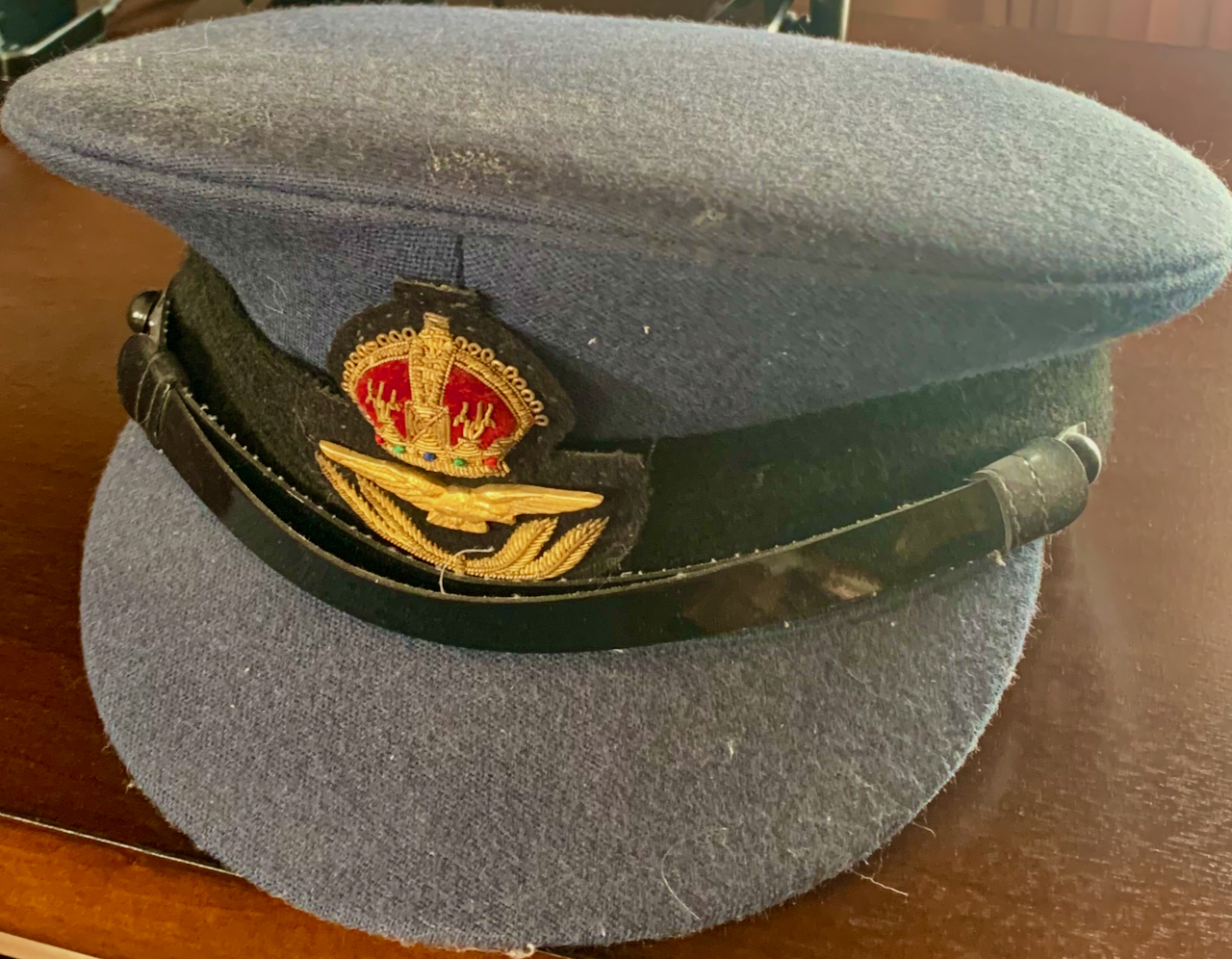
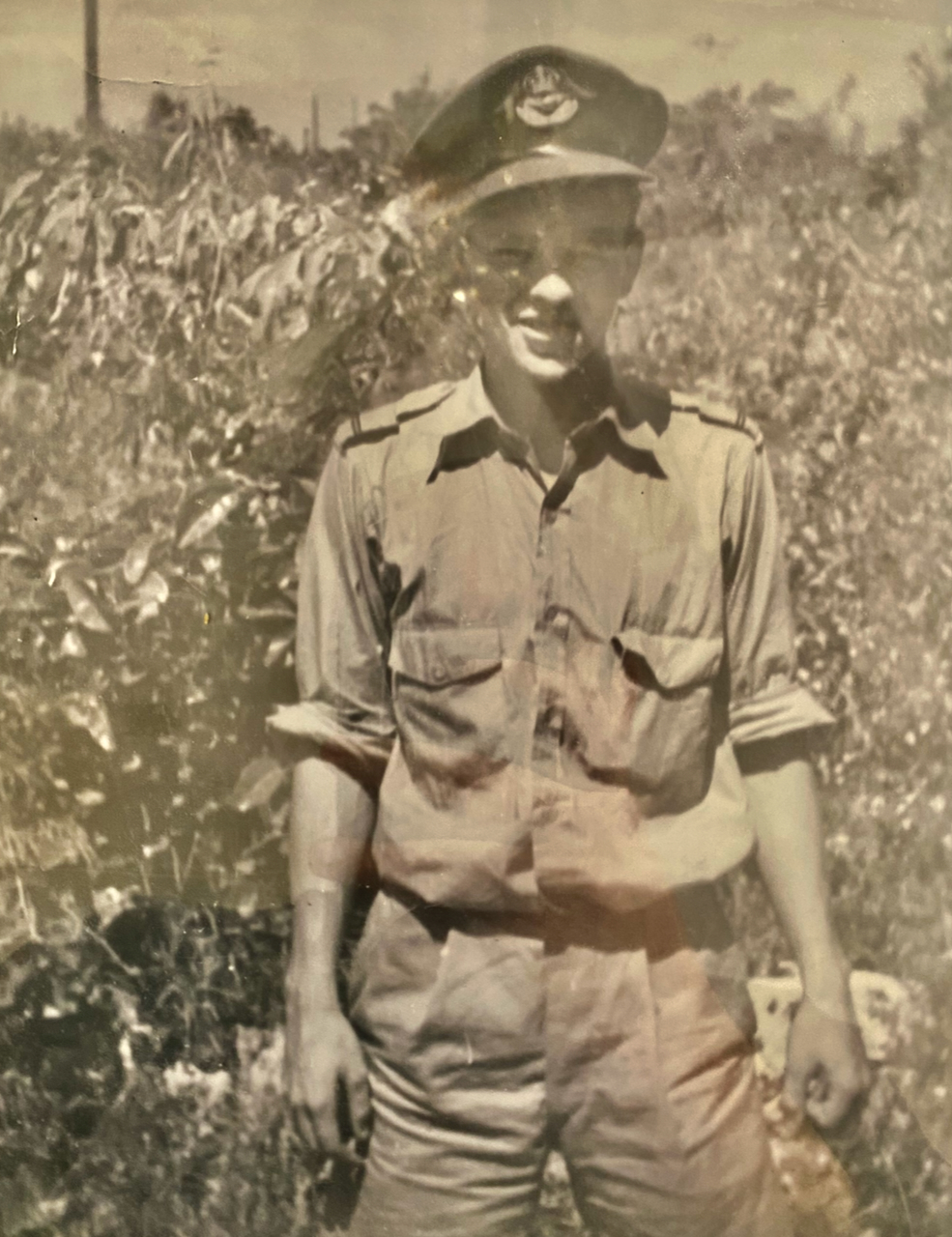
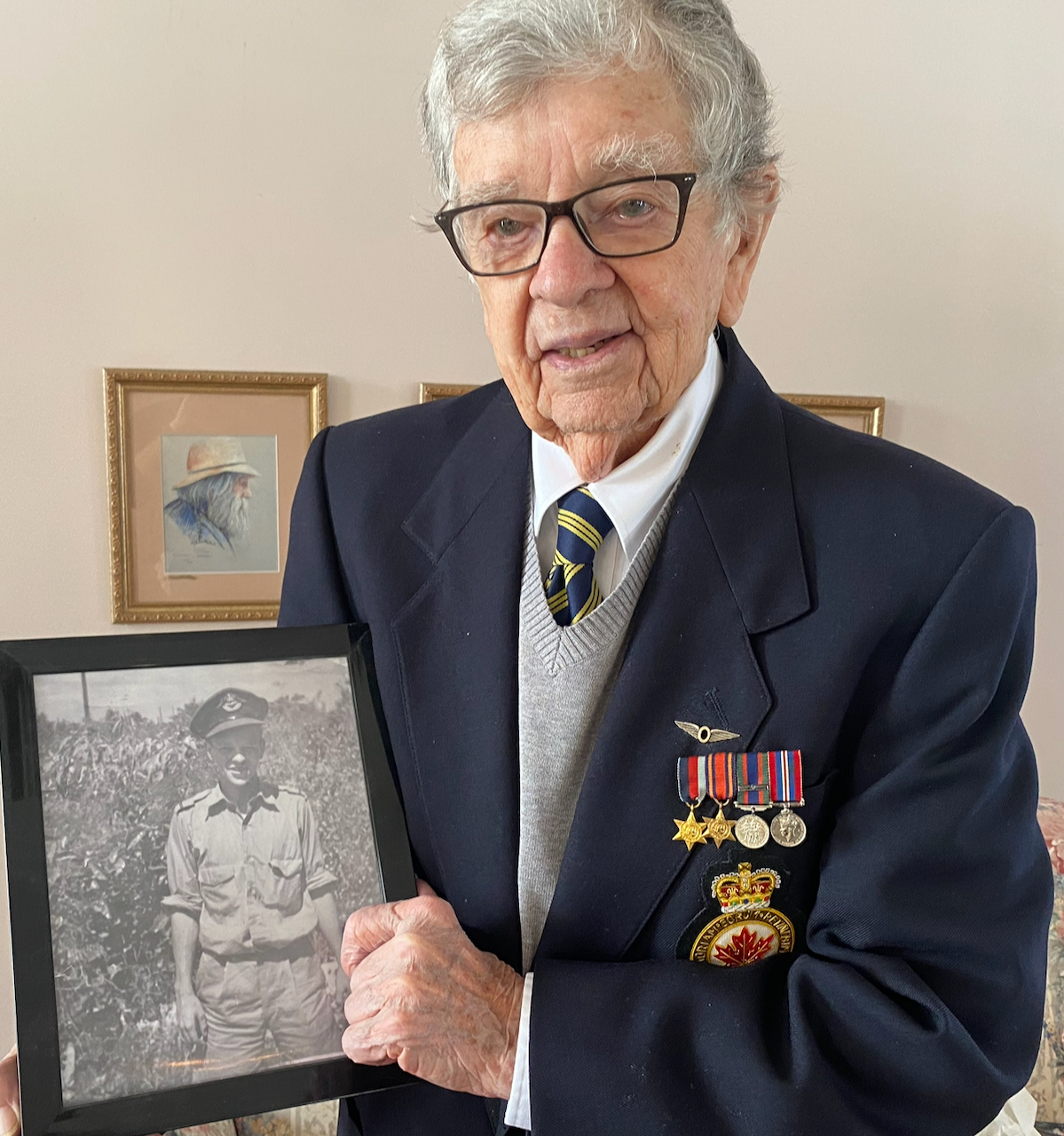
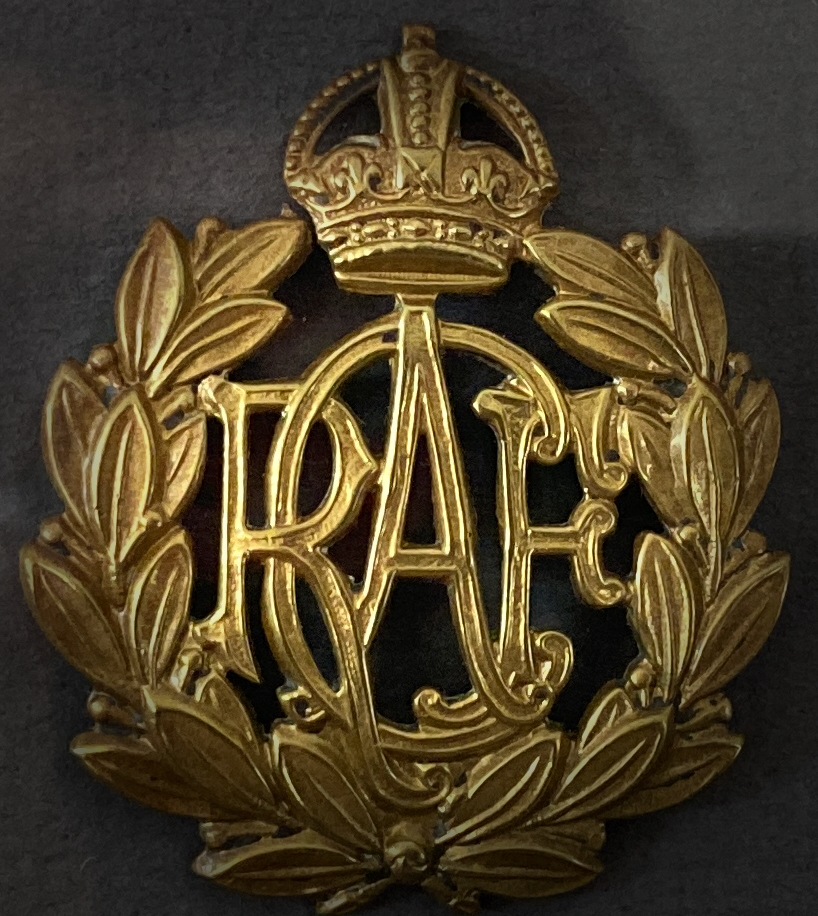
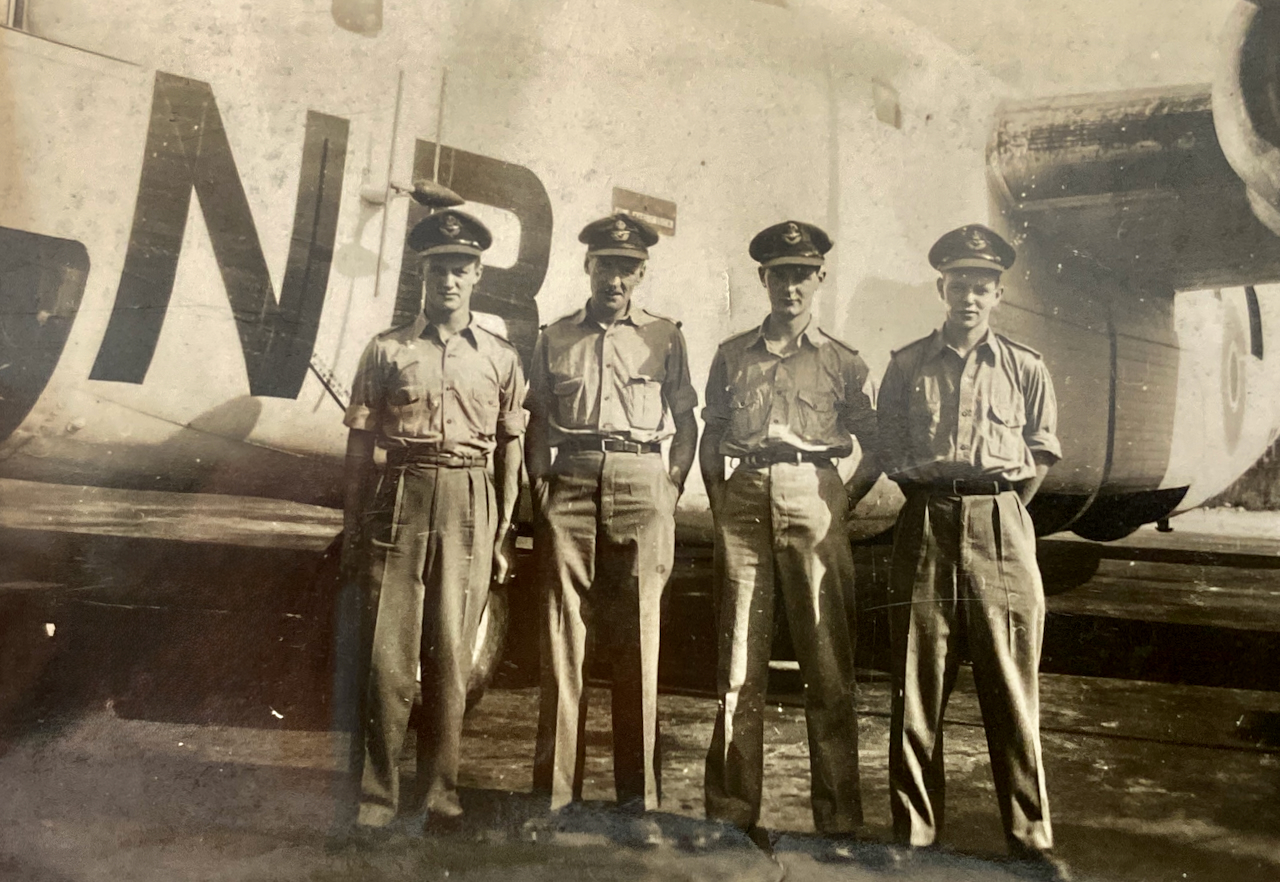
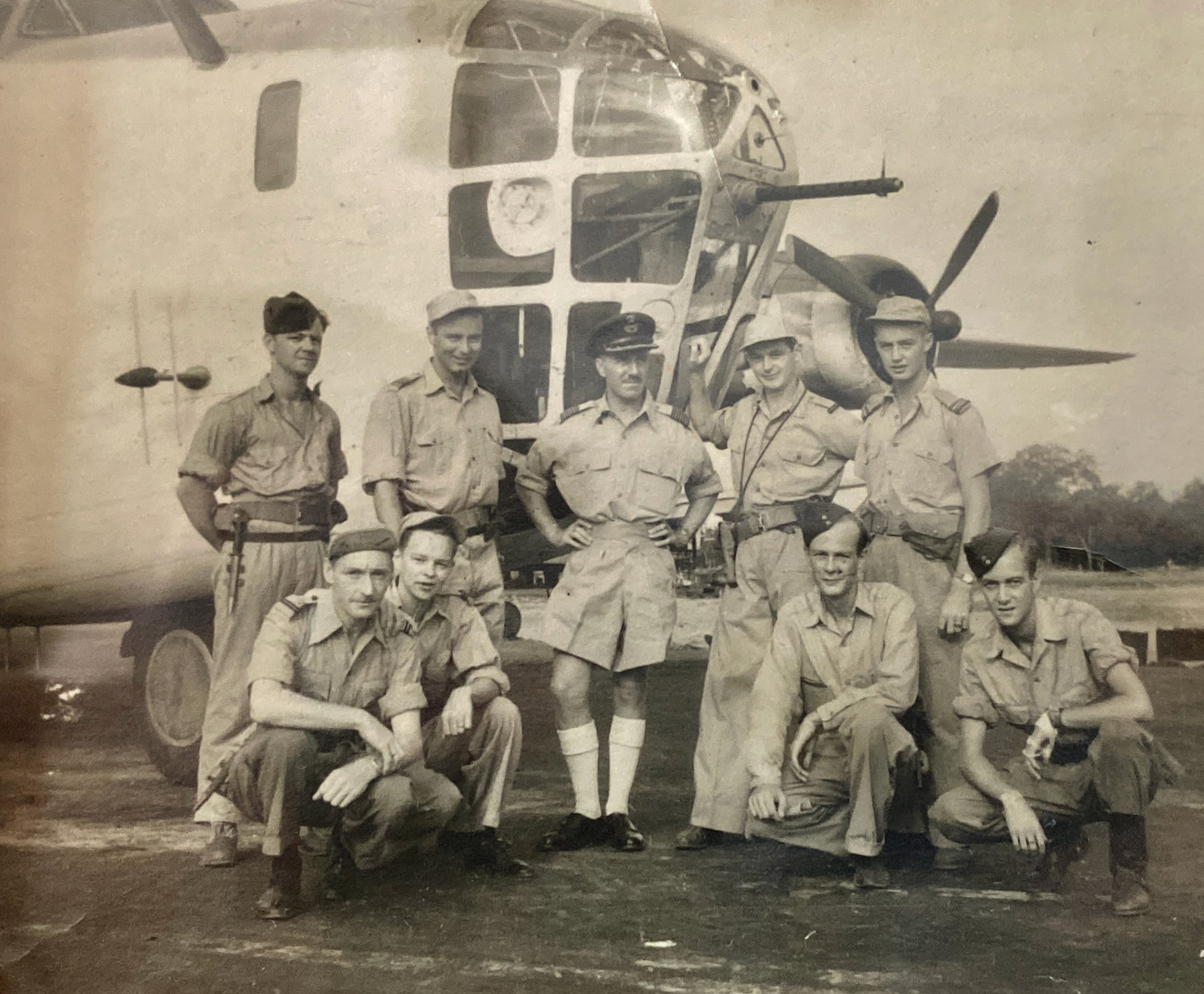
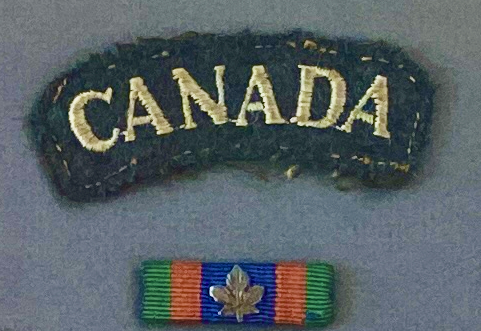
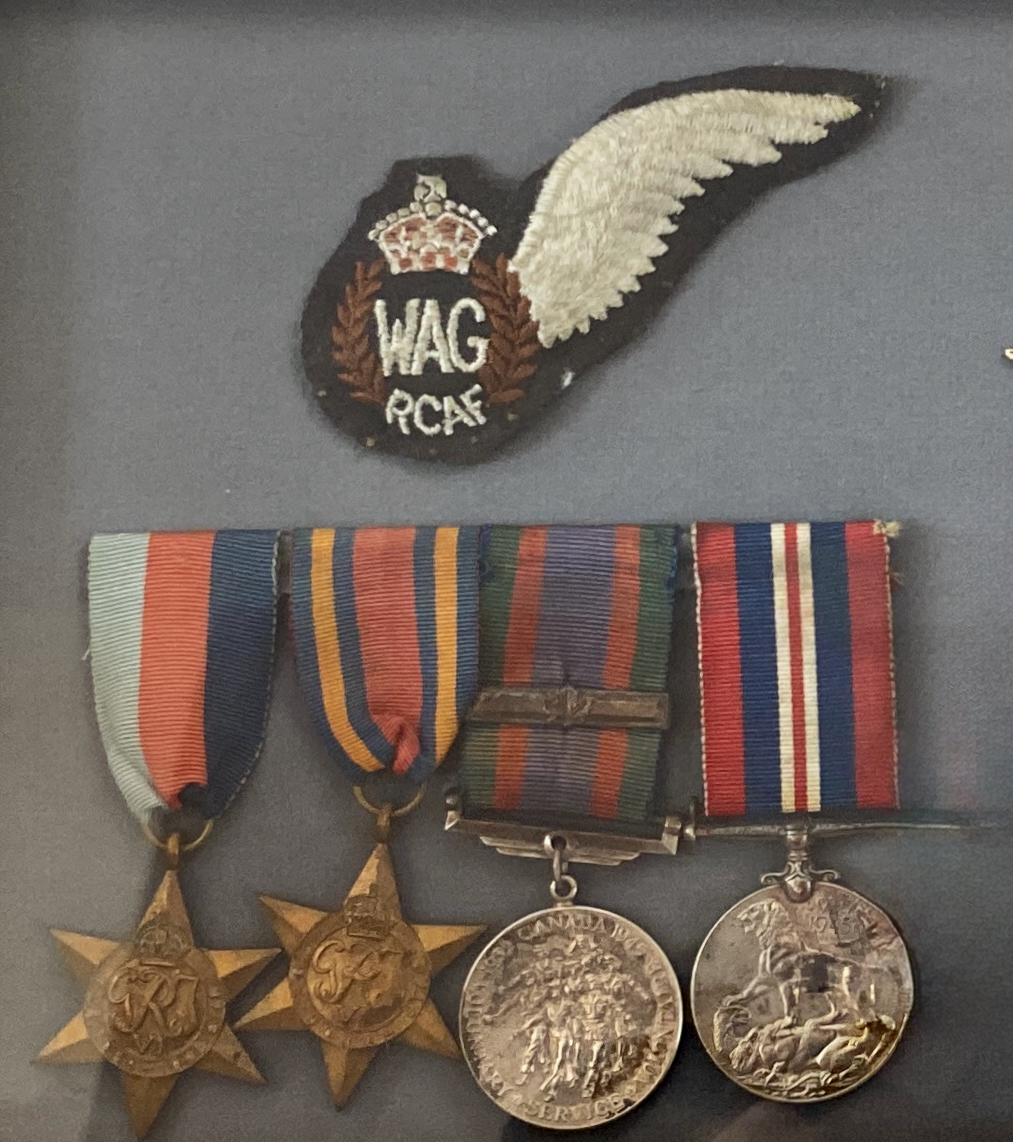
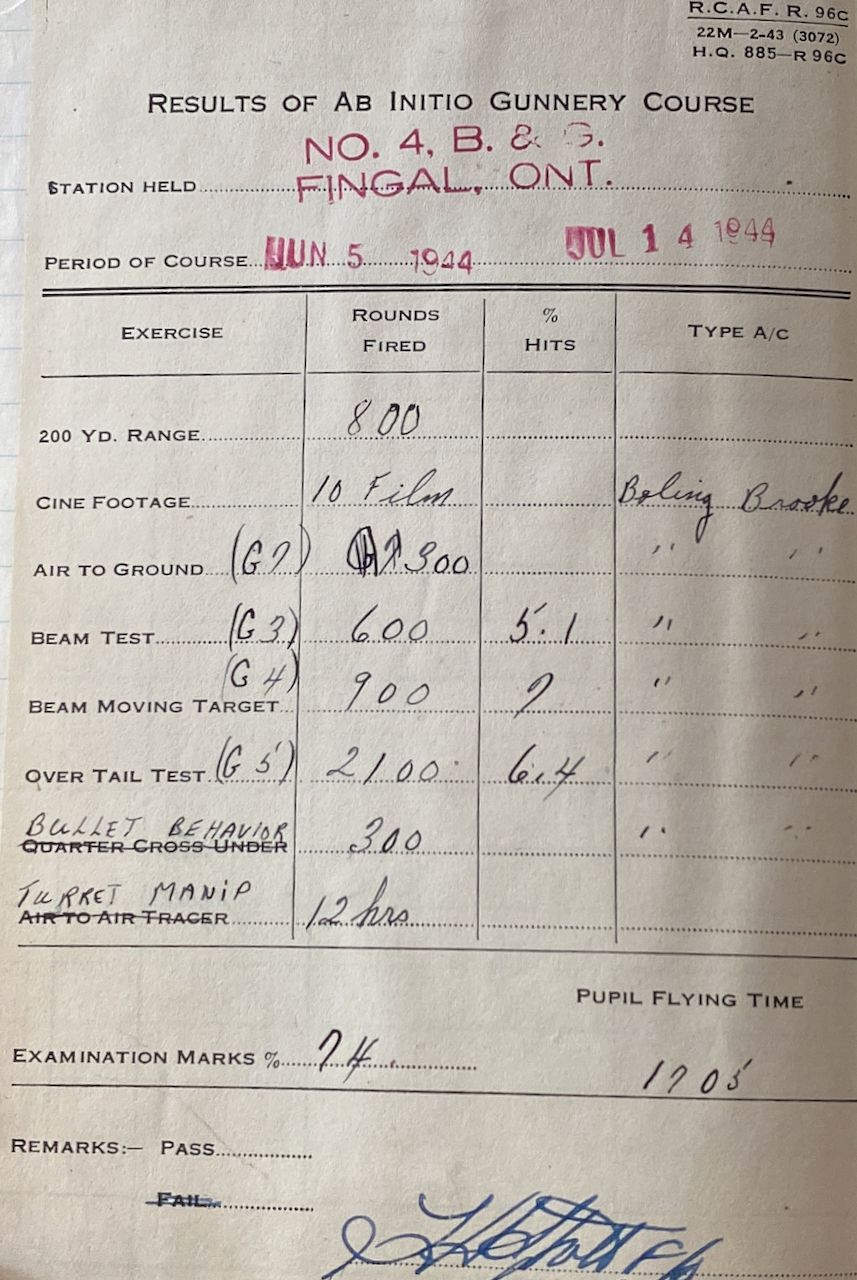
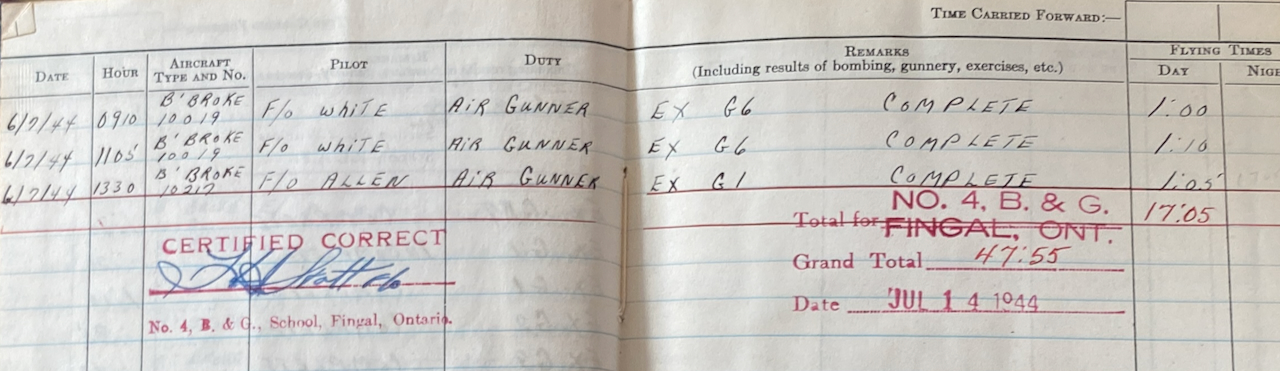
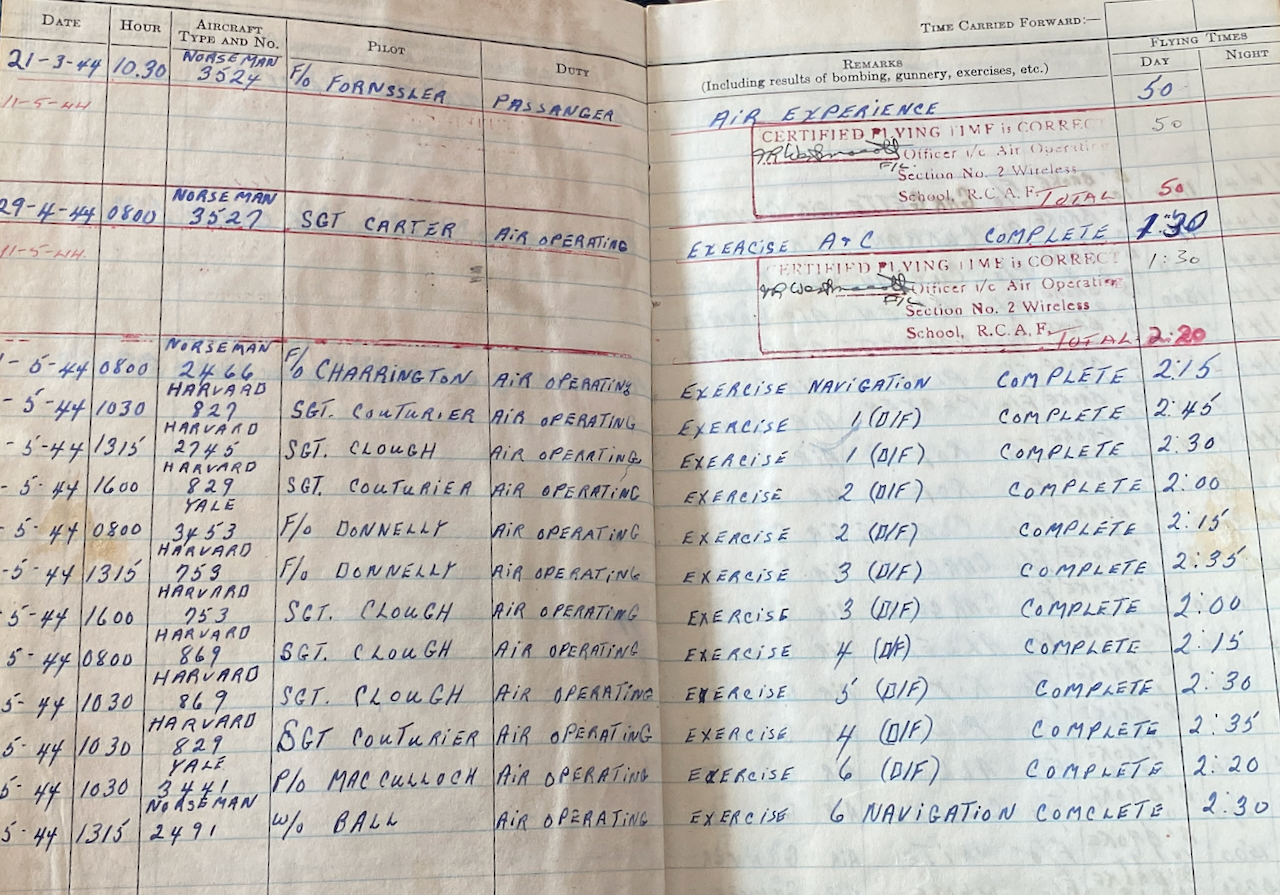
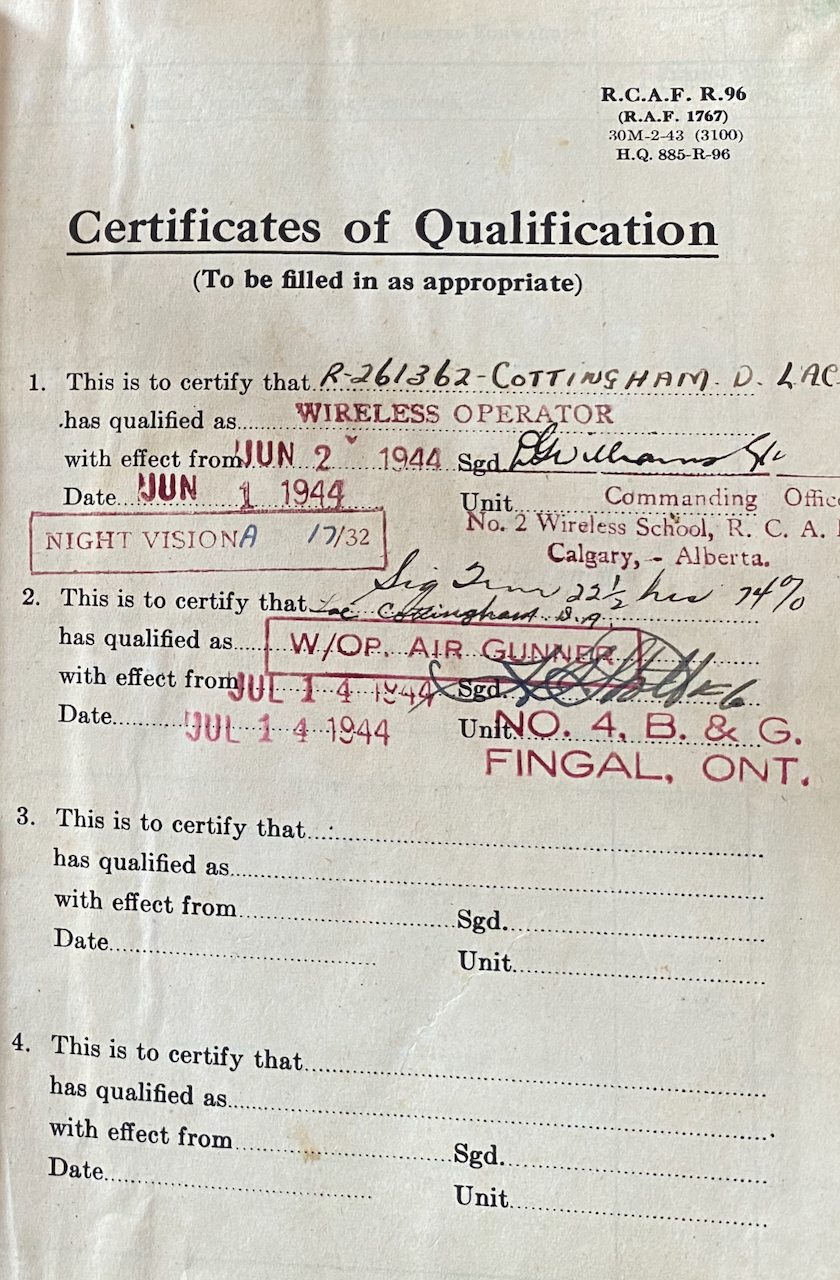
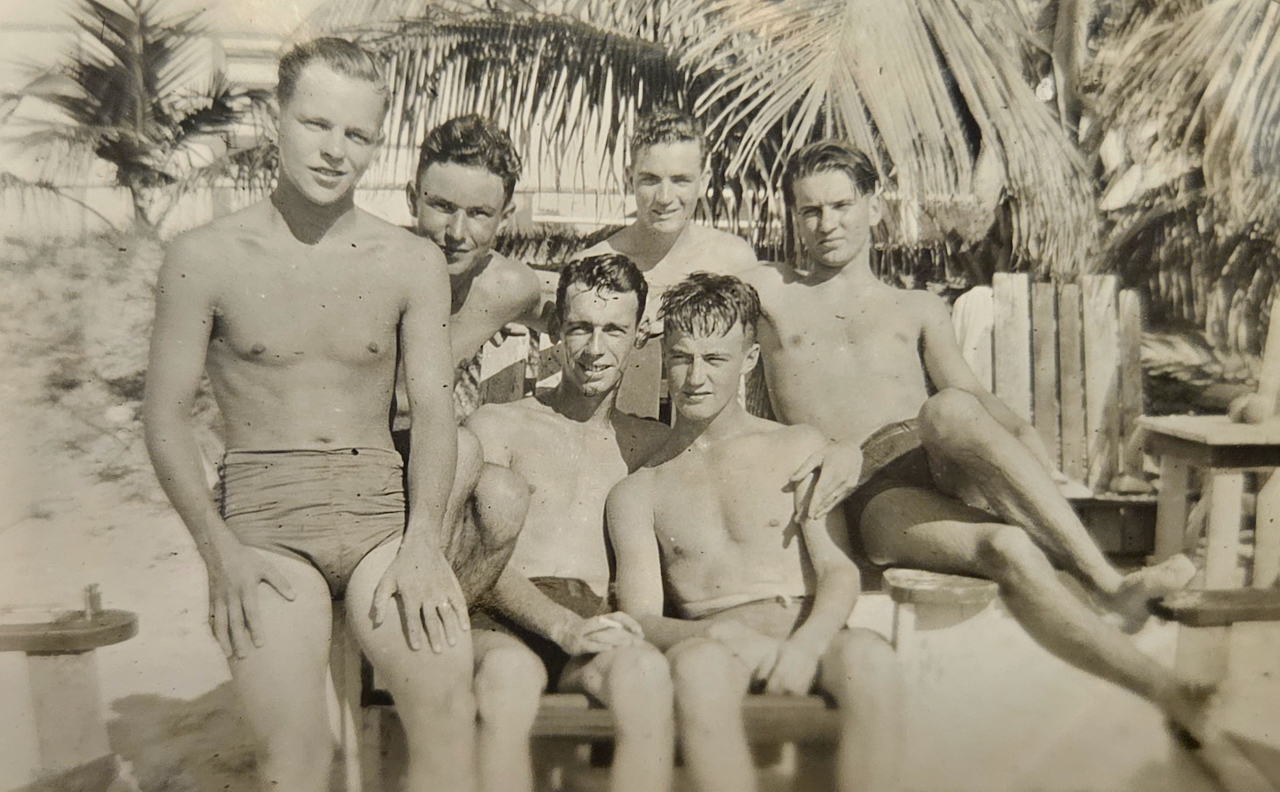
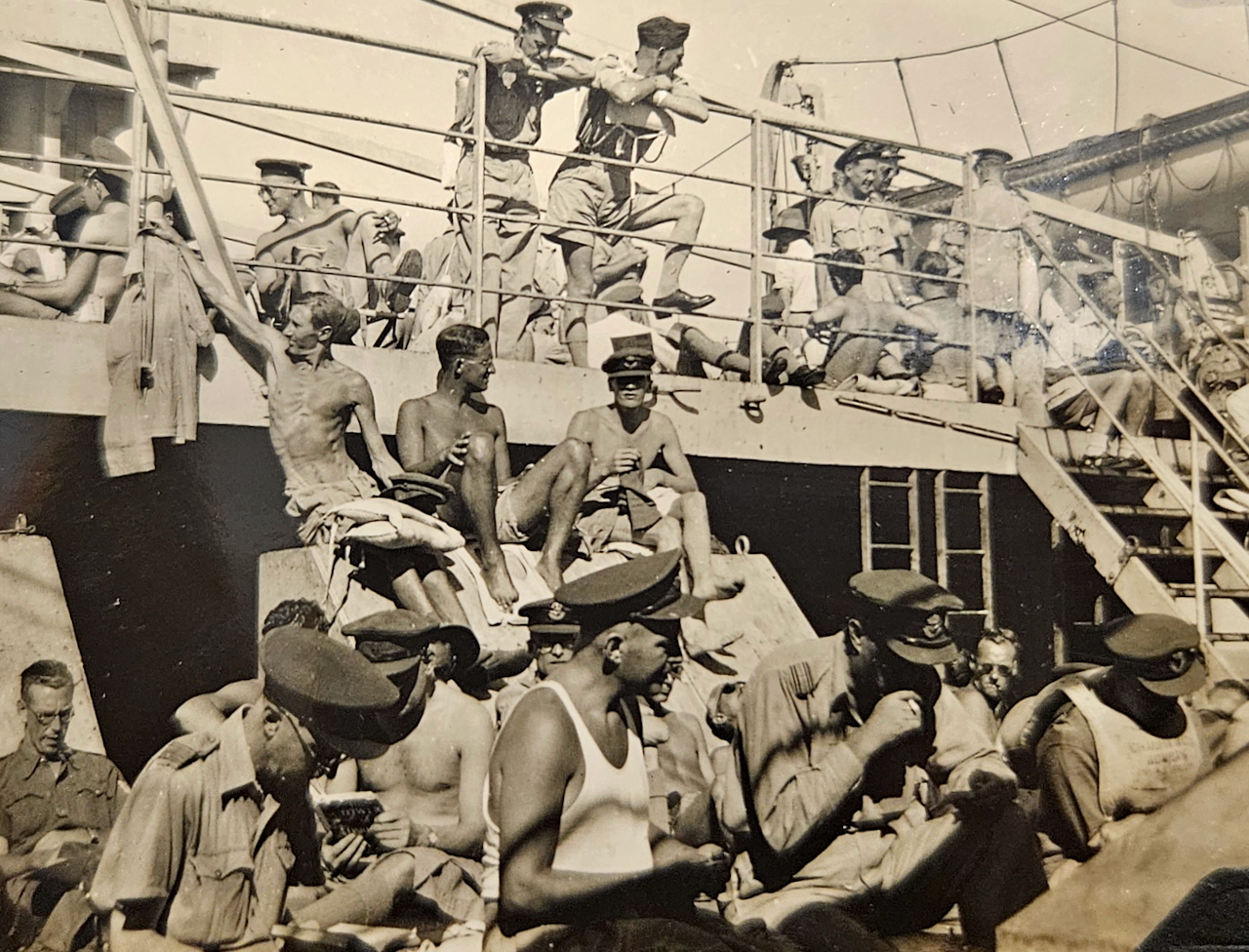
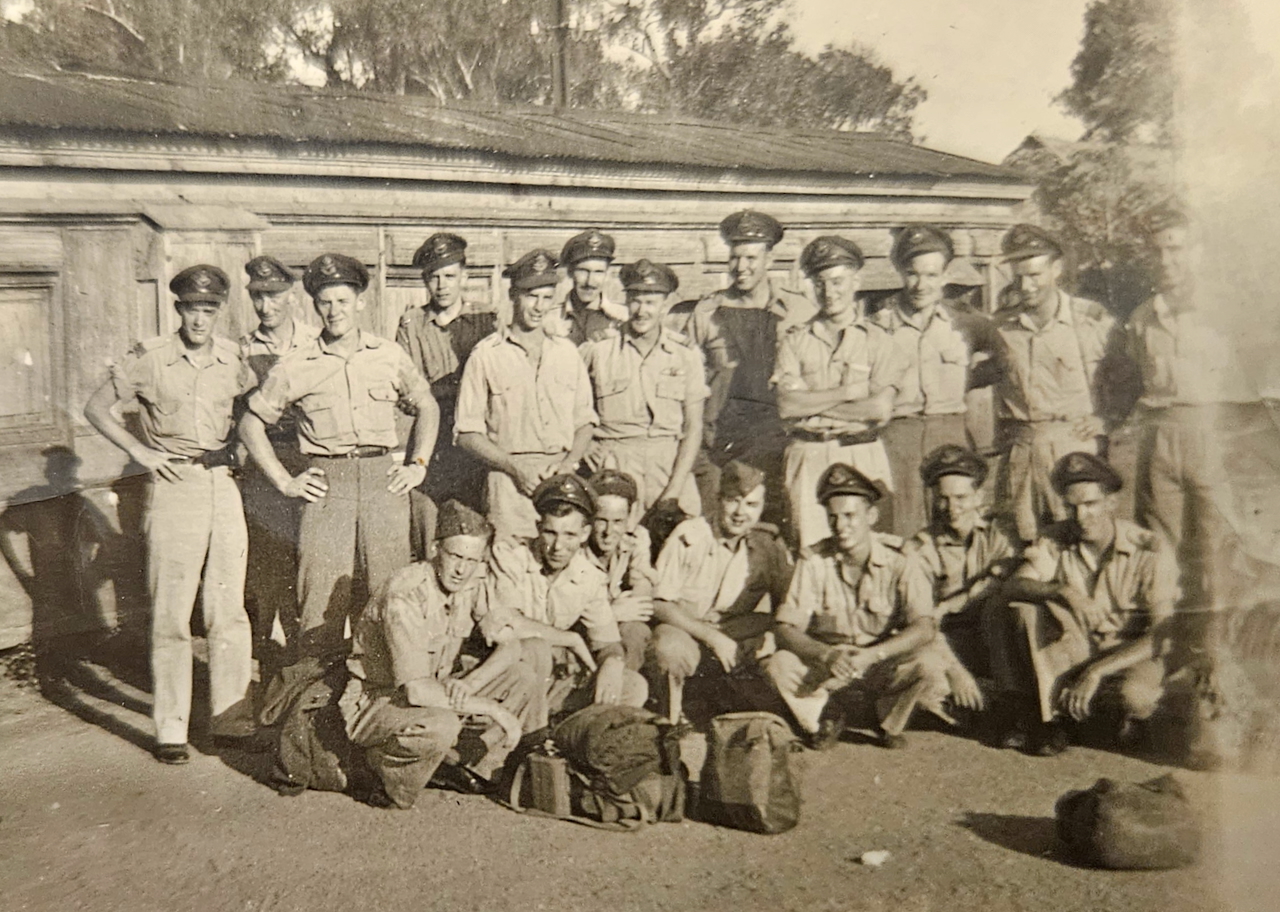
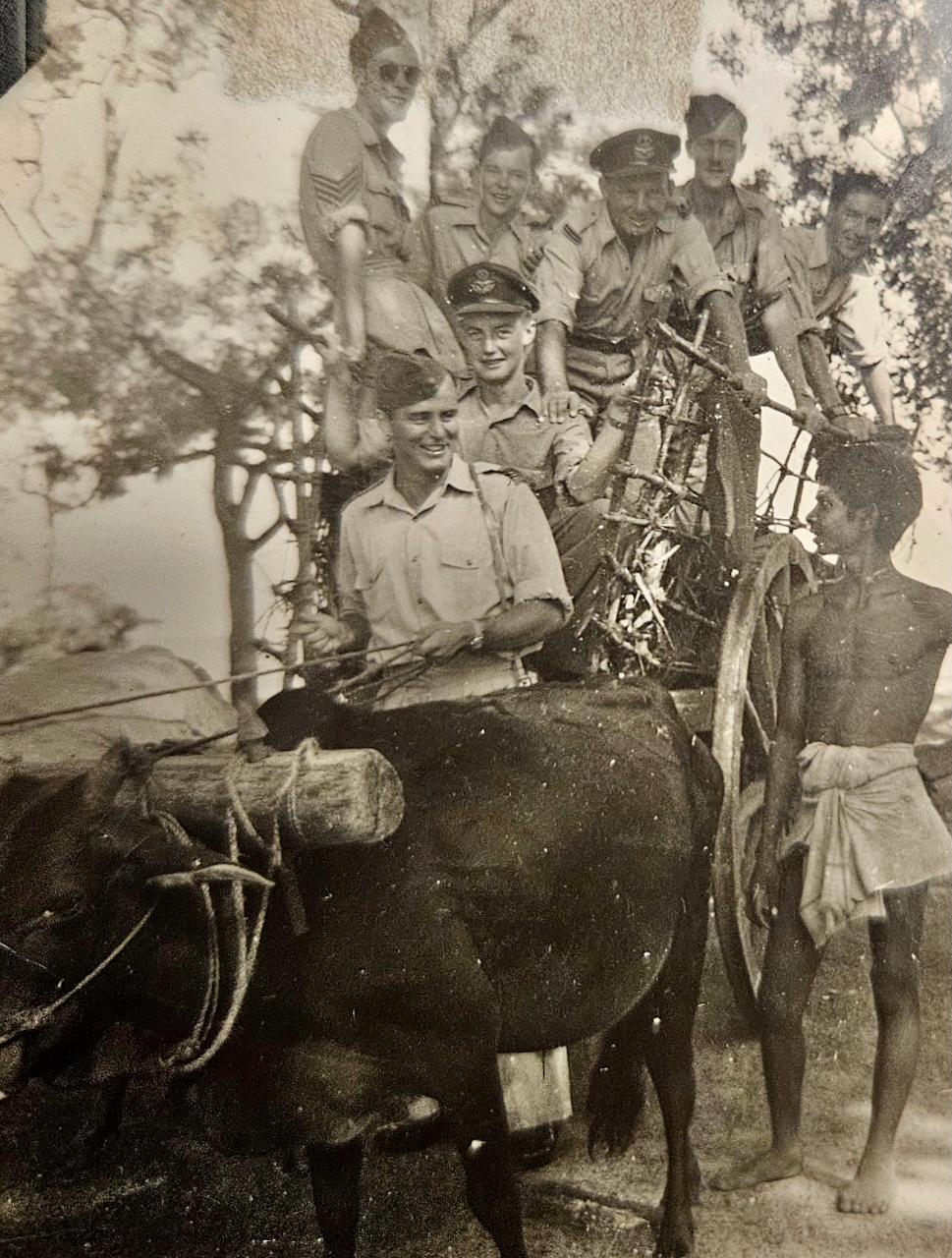
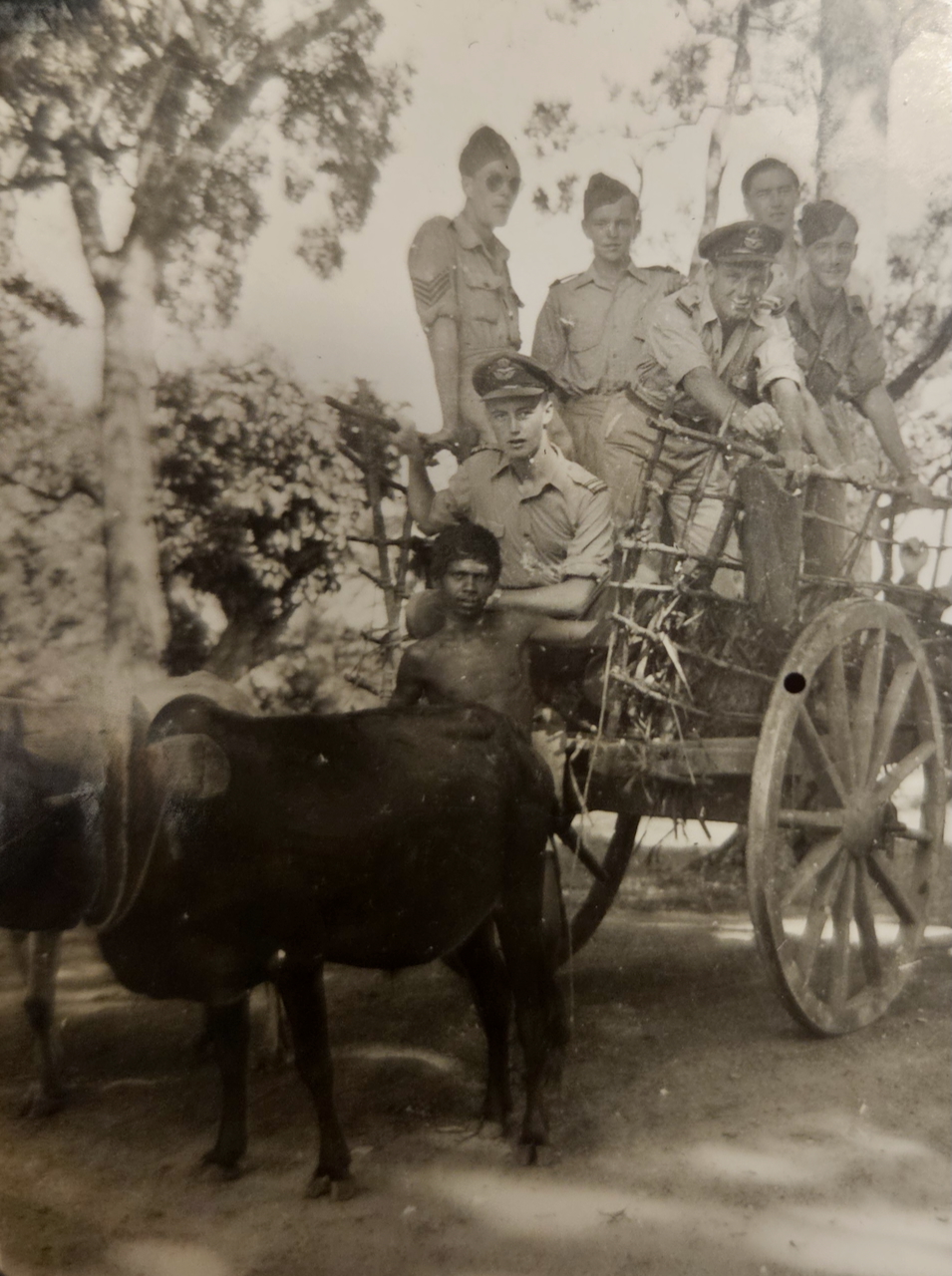
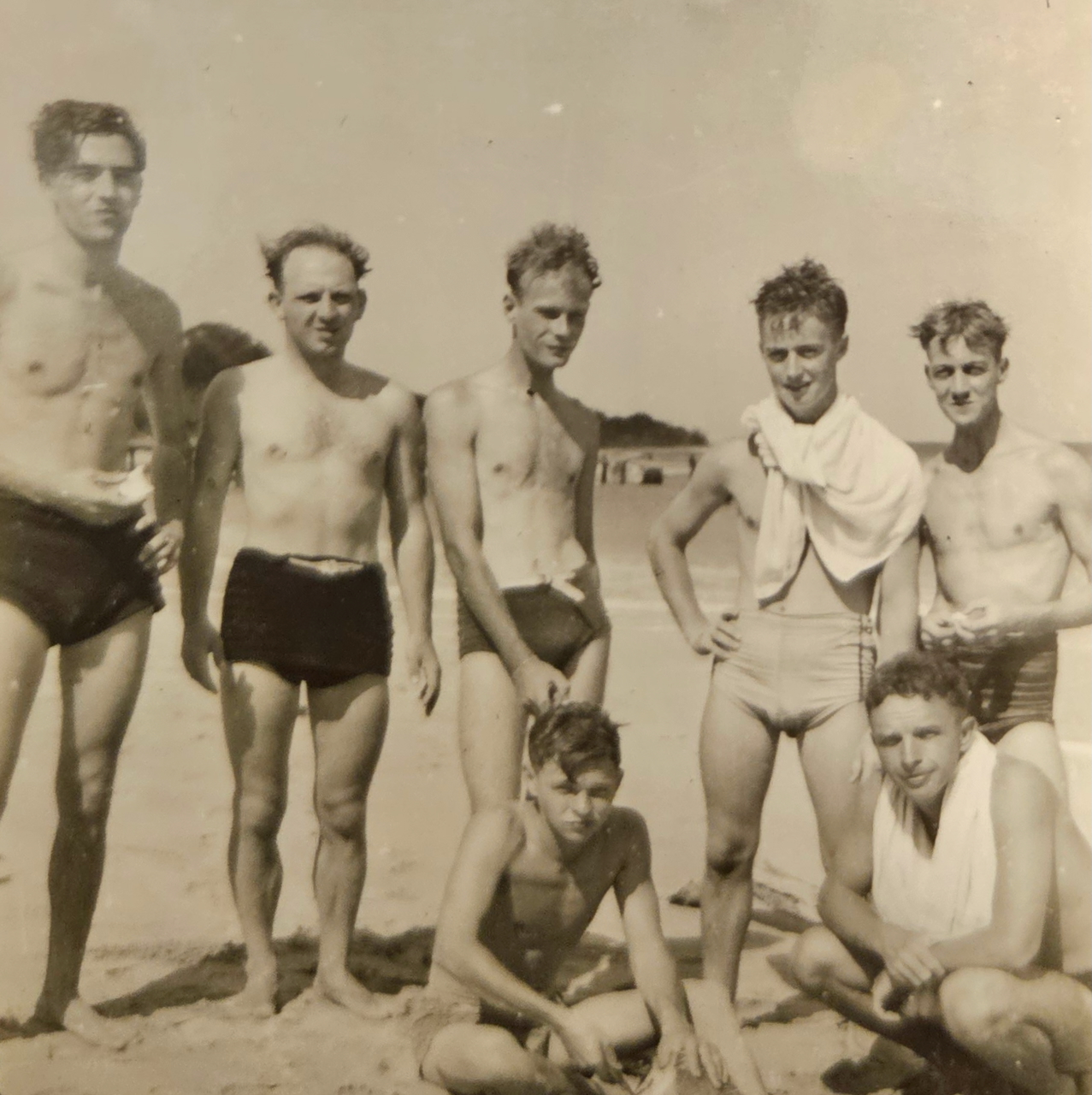
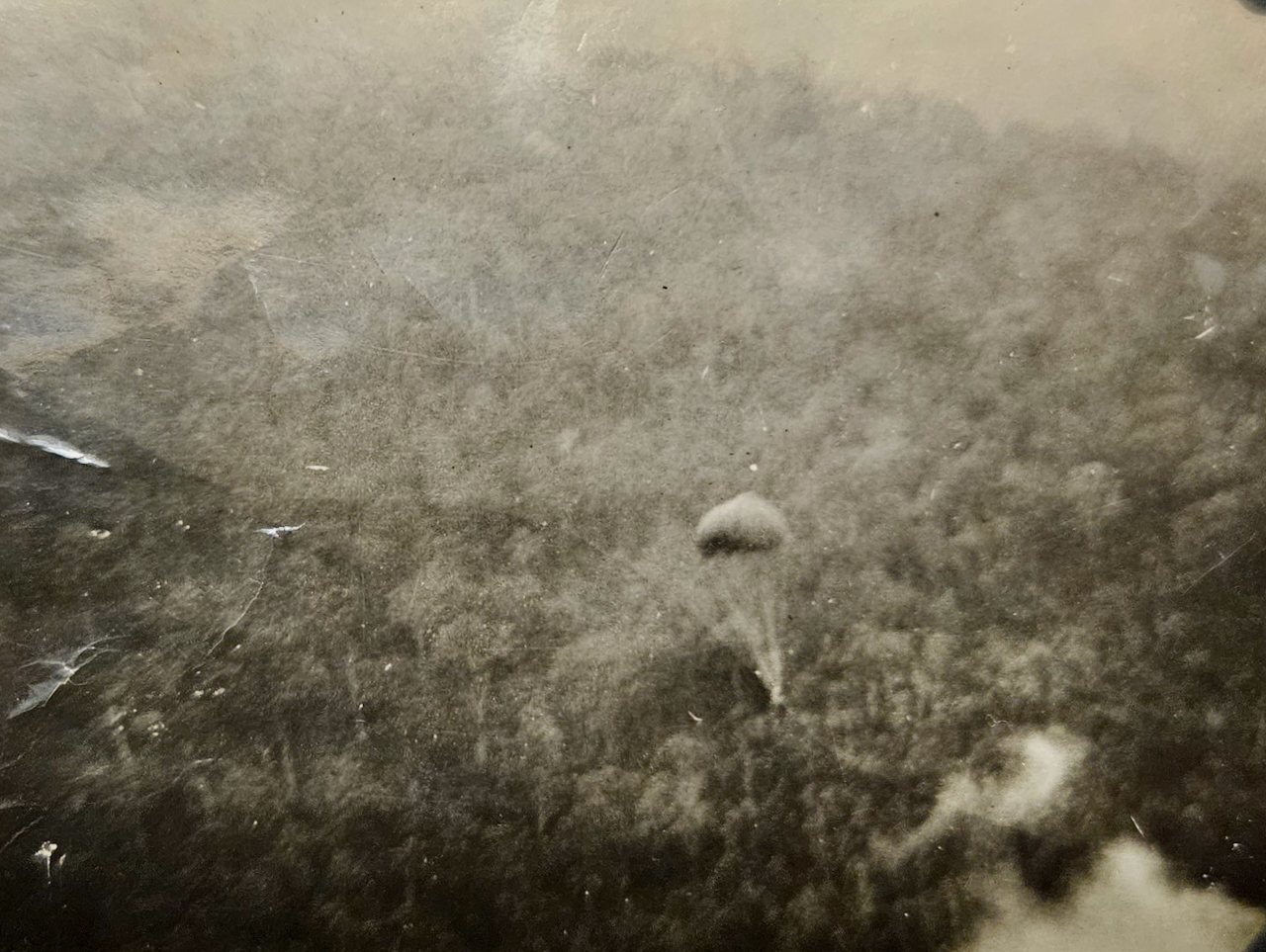
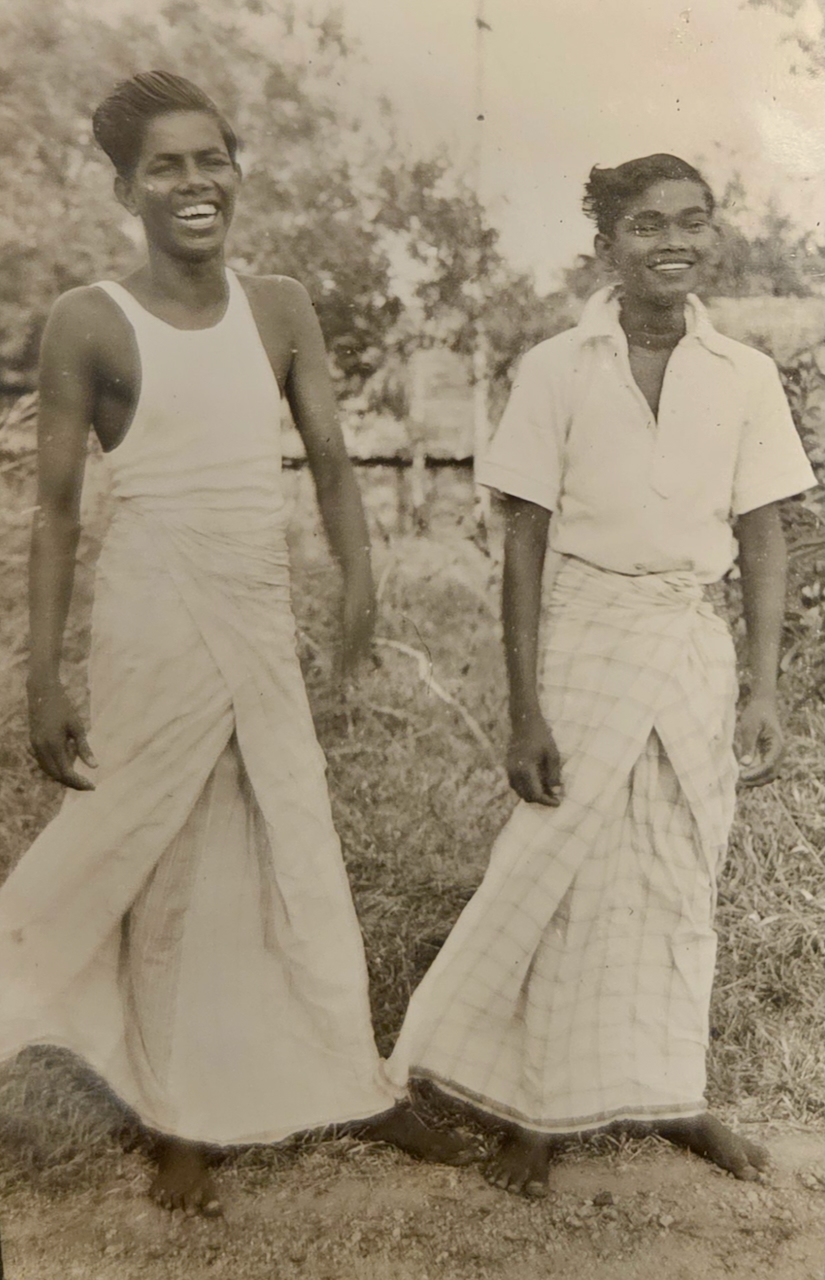
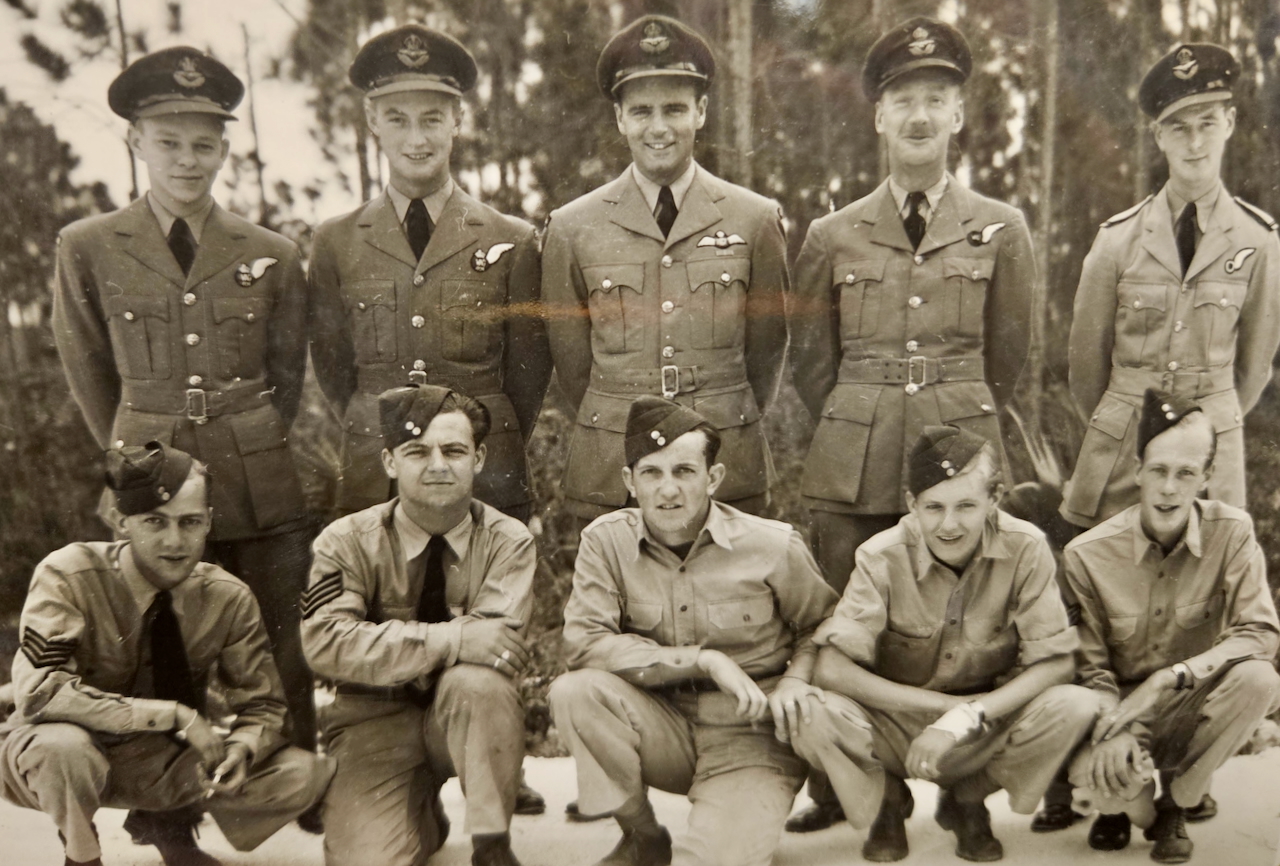
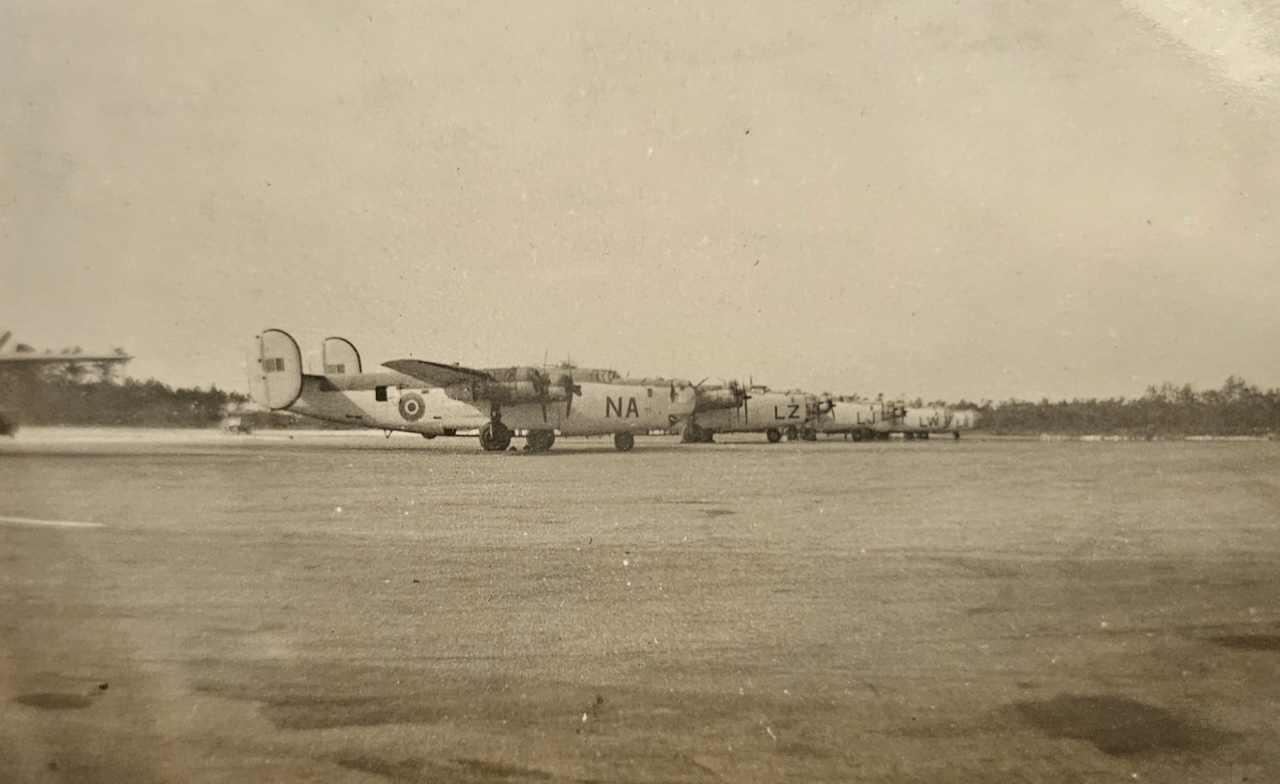
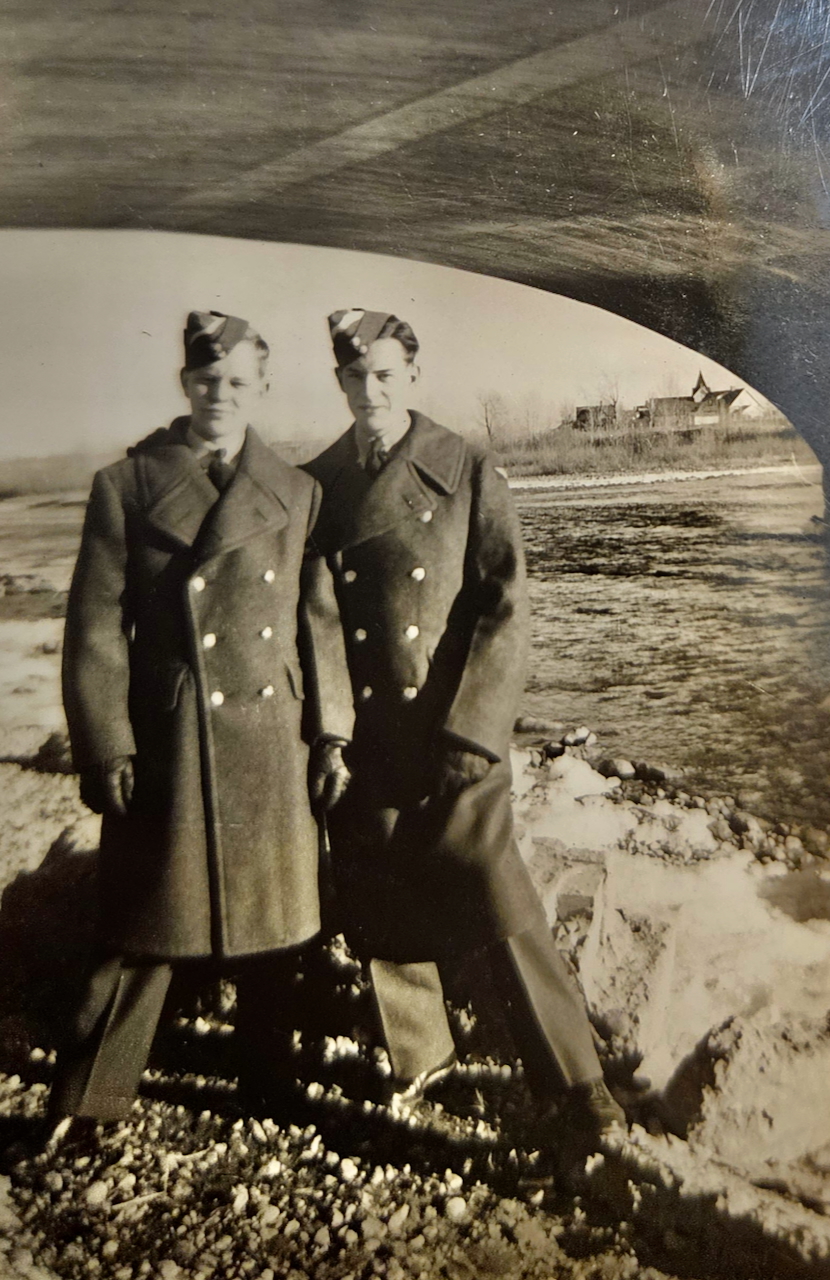
Donald – “Dugan” – Cottingham was born December 25, 1924, in Tilbury, Ontario. His father was involved in war work, making tarps for the army, which the teenaged Dugan helped to deliver. He and many of his friends had joined the Kent Regiment militia while in high school, and when many of them went on to join the navy, Dugan opted for the air force, where his older brother had gone into ground crew training. Dugan signed up when he was 17, and he was sent to Manning Depot # 1 in Toronto, at the Horse Palace on the CNE grounds – the first stop on the British Commonwealth Air Training Plan. As he had not completed high school the next stop was Guelph where he took a 6-week course. It was determined that he would be trained as a Wireless Air Gunner (WAG). Much of that training, which took place in Calgary, involved learning Morse Code. The gunnery portion was completed in Fingal, Ontario. Dugan and his friend Herb Brown (also interviewed for this project) were selected to go to an operational training unit (OTU) in Nassau, in the Bahamas. Now crewed up and ready to go, Dugan and the others were sent to Lachine, Quebec, and then onto Halifax to take the Louis Pasteur to Liverpool. All RCAF personnel went to Bournemouth at first, and while there Dugan was told to get tropical gear – a clue that he was on his way to the Far East. They boarded another ship which took them through the Mediterranean to Bombay (Mumbai), and they made their way to Ceylon from there, where Dugan was assigned to the RAF’s 160 Squadron, where they were flying B-24s. The aircraft were especially adapted to be able to carry paratroopers, and they did so on many occasions, dropping operatives and supplies into Burma for the British campaign against the Japanese. That included one mission that had a 24-hour duration. In that mission and others they withstood the many rigours of bomber crew missions: the weather, mechanical issues, flak and potential enemy engagement. Dugan was in Ceylon right through the end of the war, and when they heard the news of the Japanese surrender they began the long journey home, where Dugan rejoined the rhythms of civilian life in Canada, marrying and raising his family. Dugan Cottingham was interviewed by Global Veterans’ Stories Zach Dunn in January 2026, who very kindly shared this story with the Crestwood Oral History Project.
Videos
Click next video below to keep watching