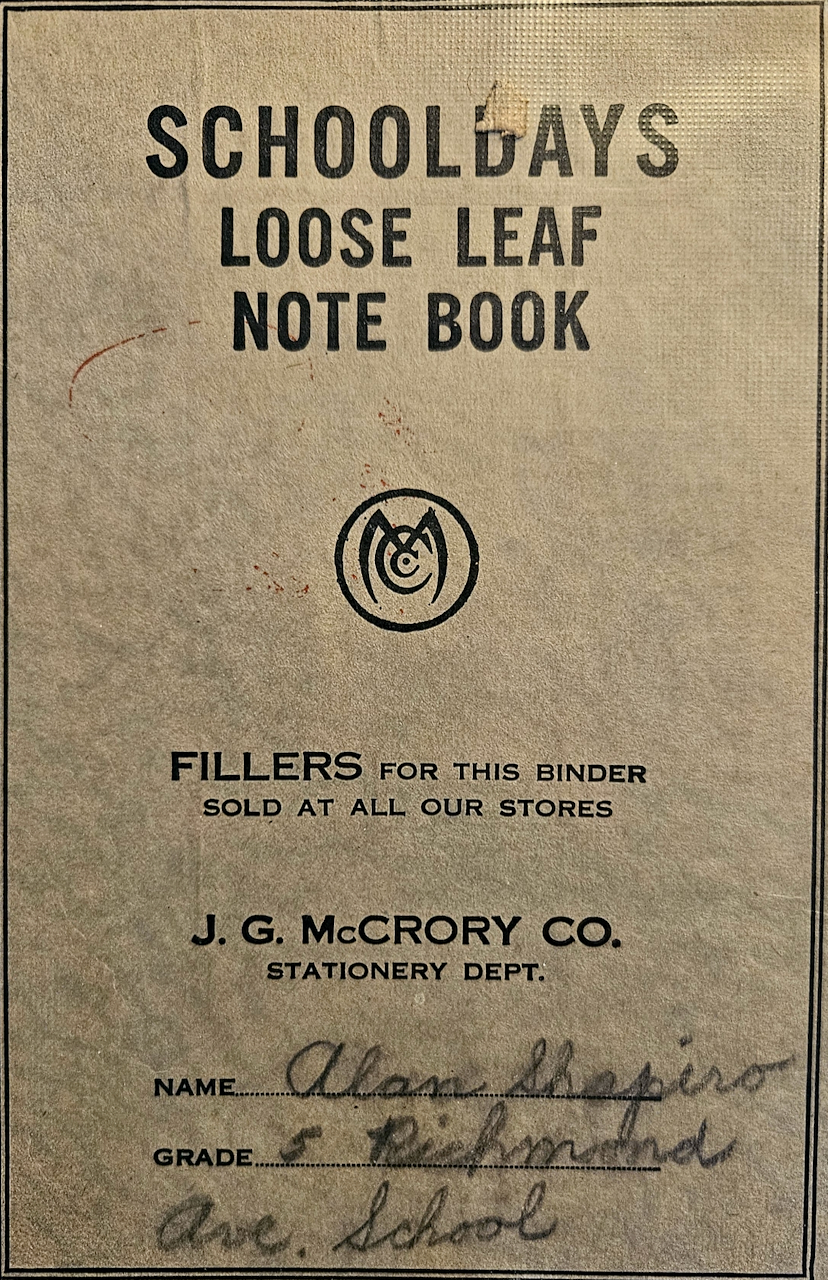
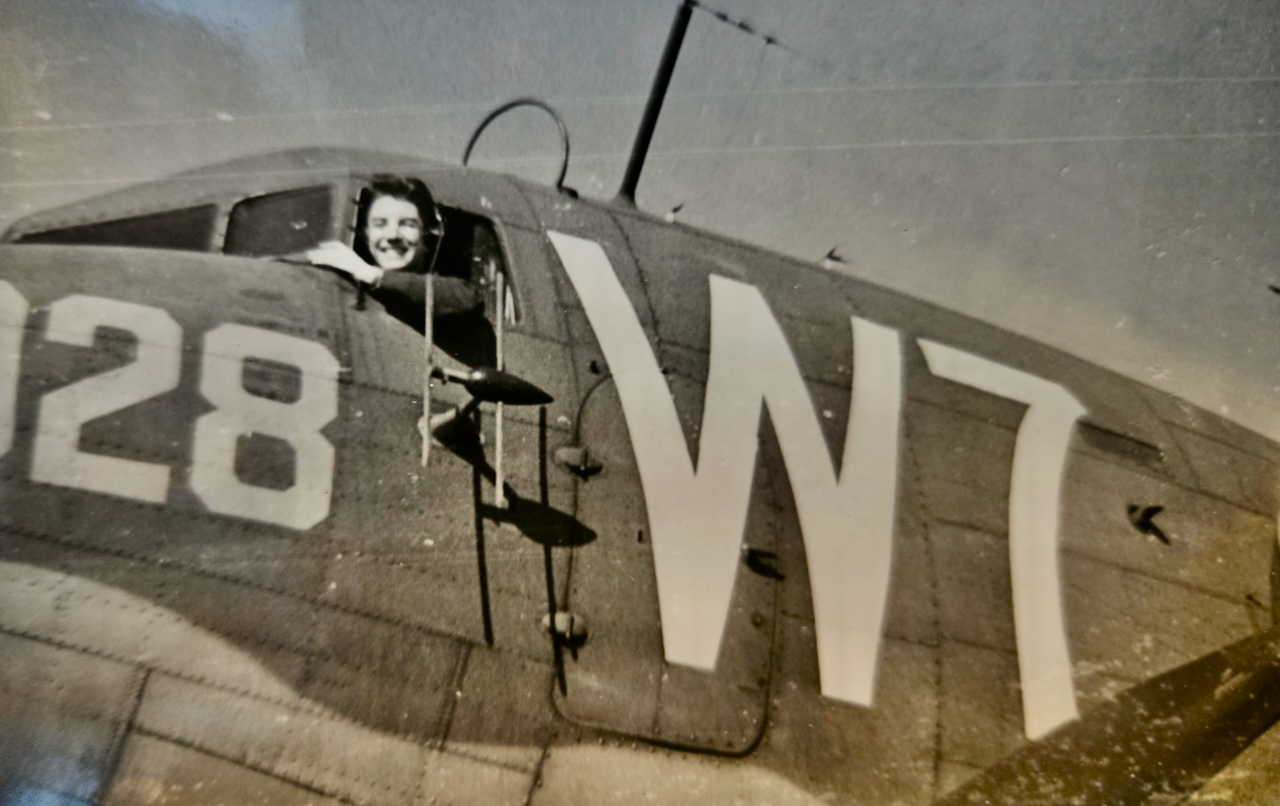
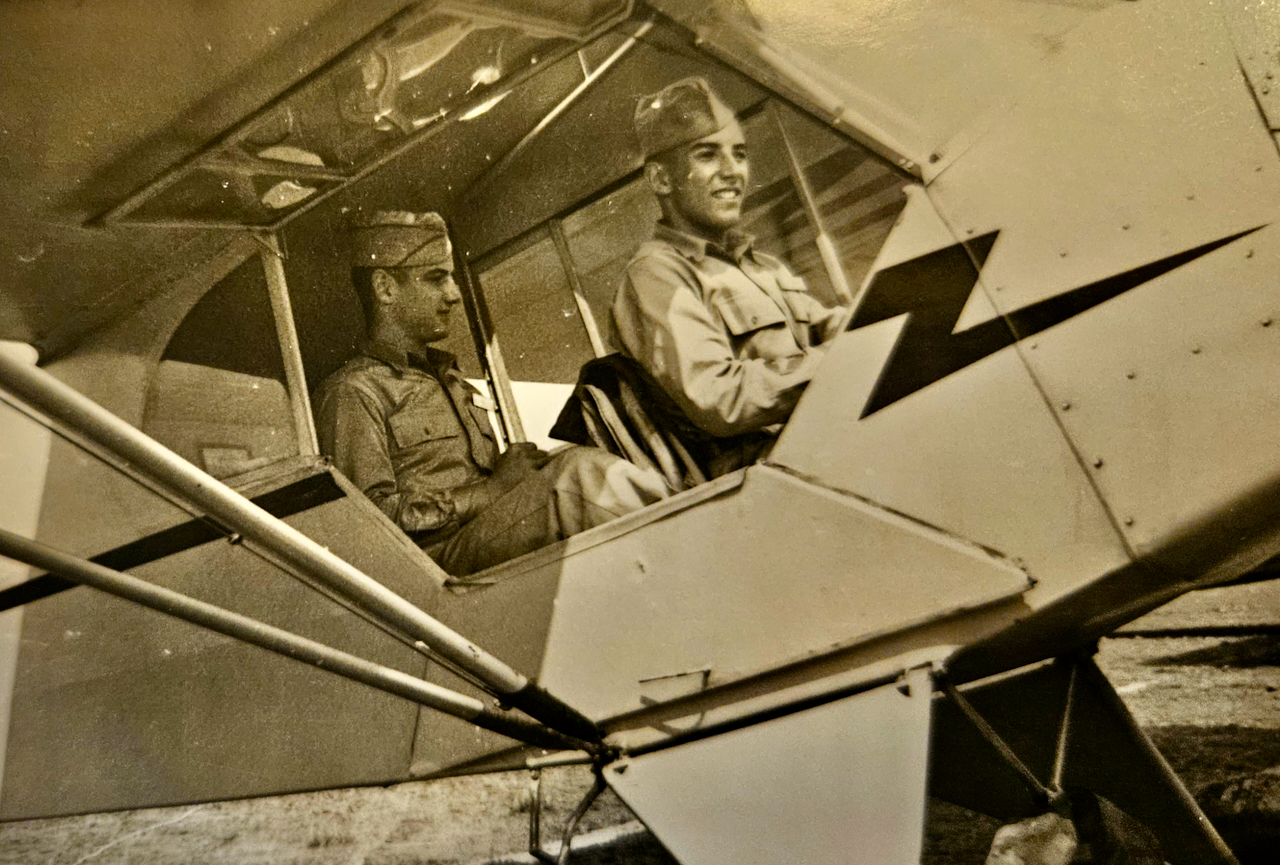
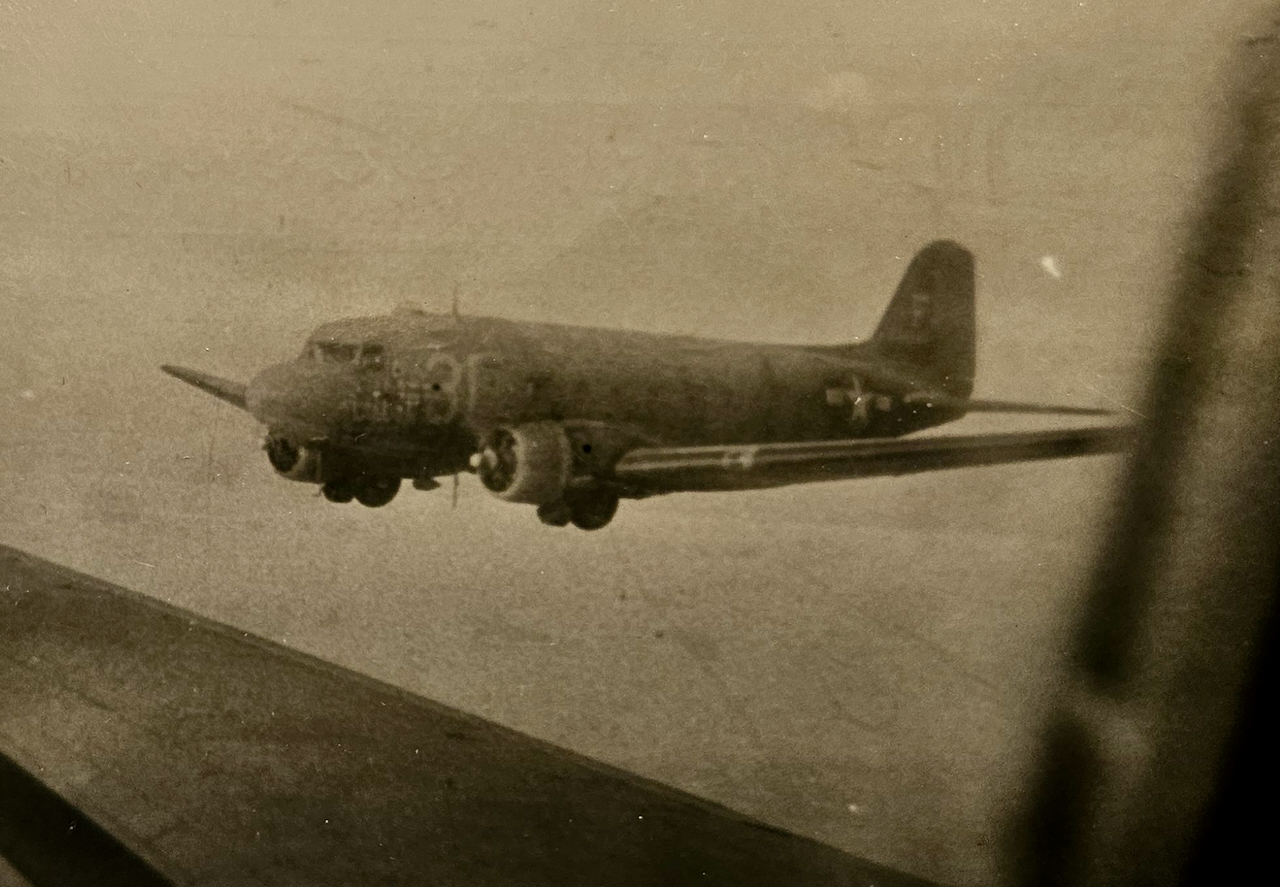
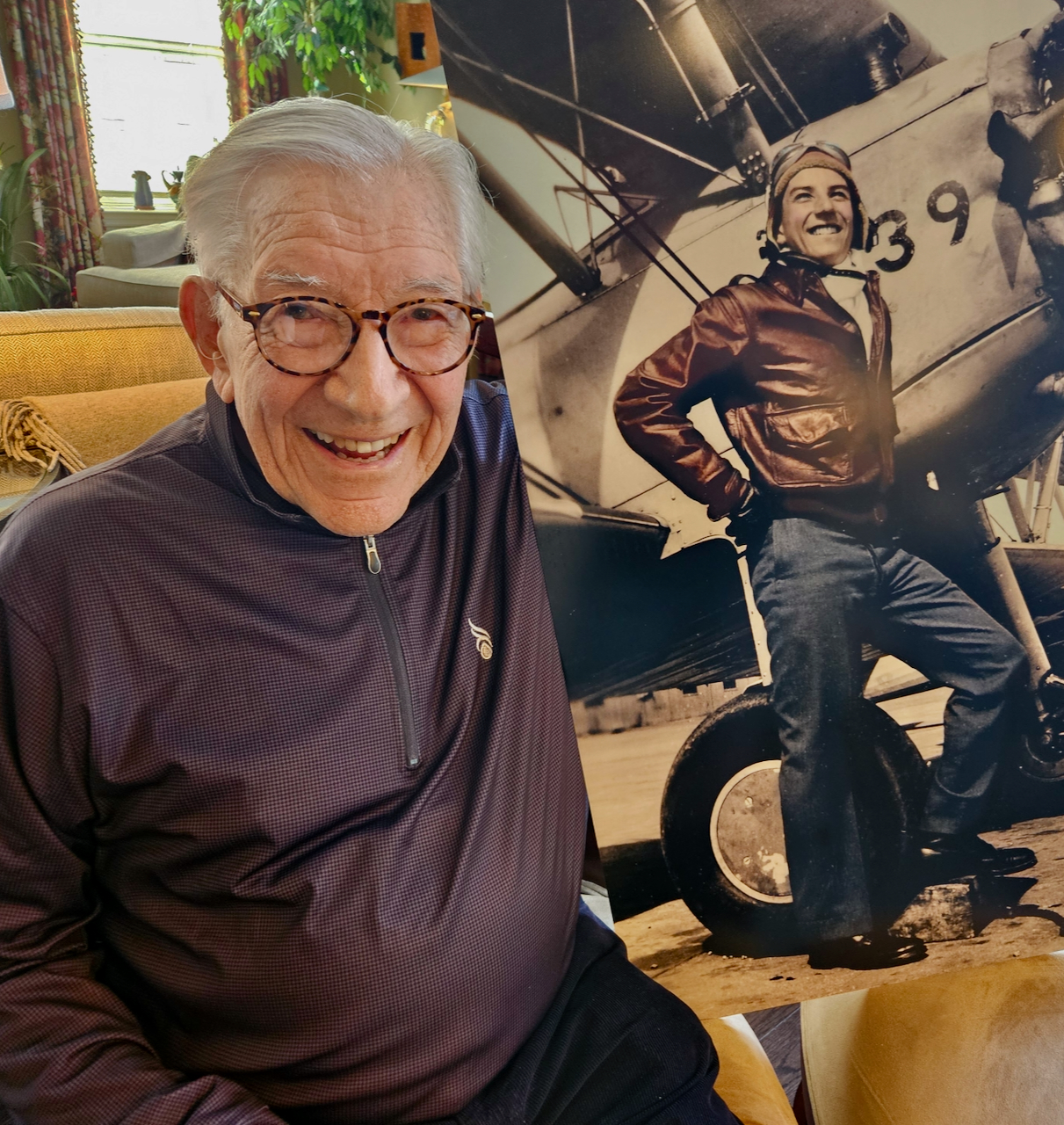
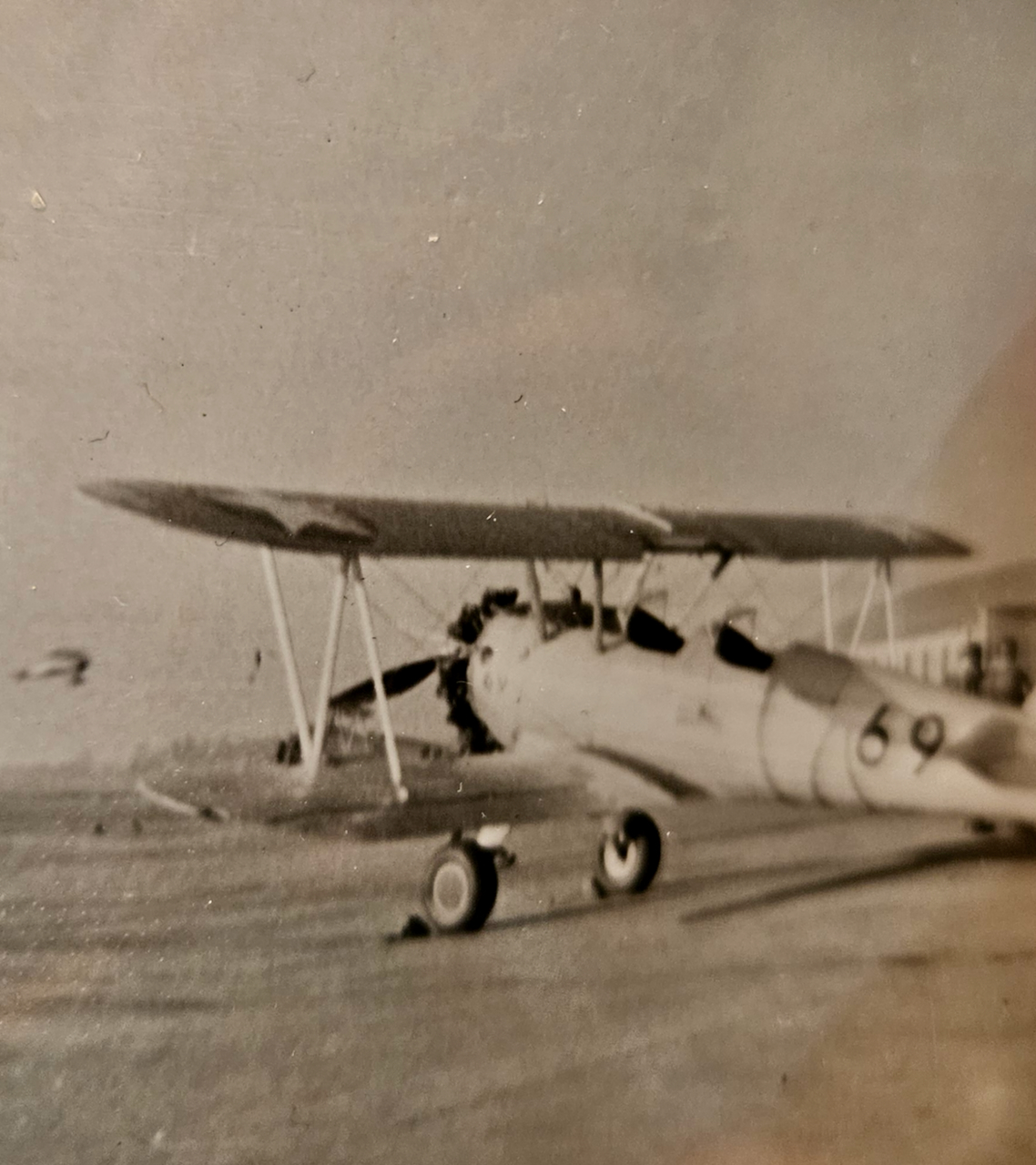
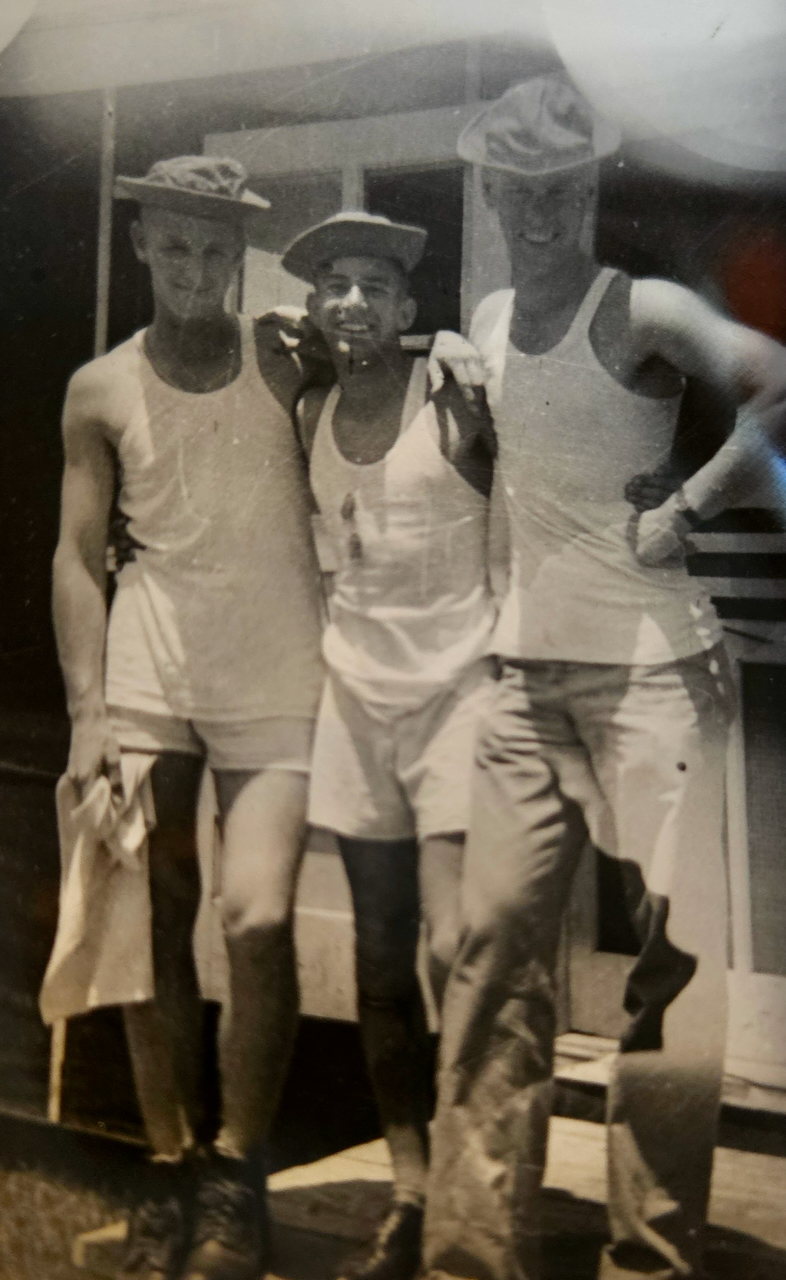
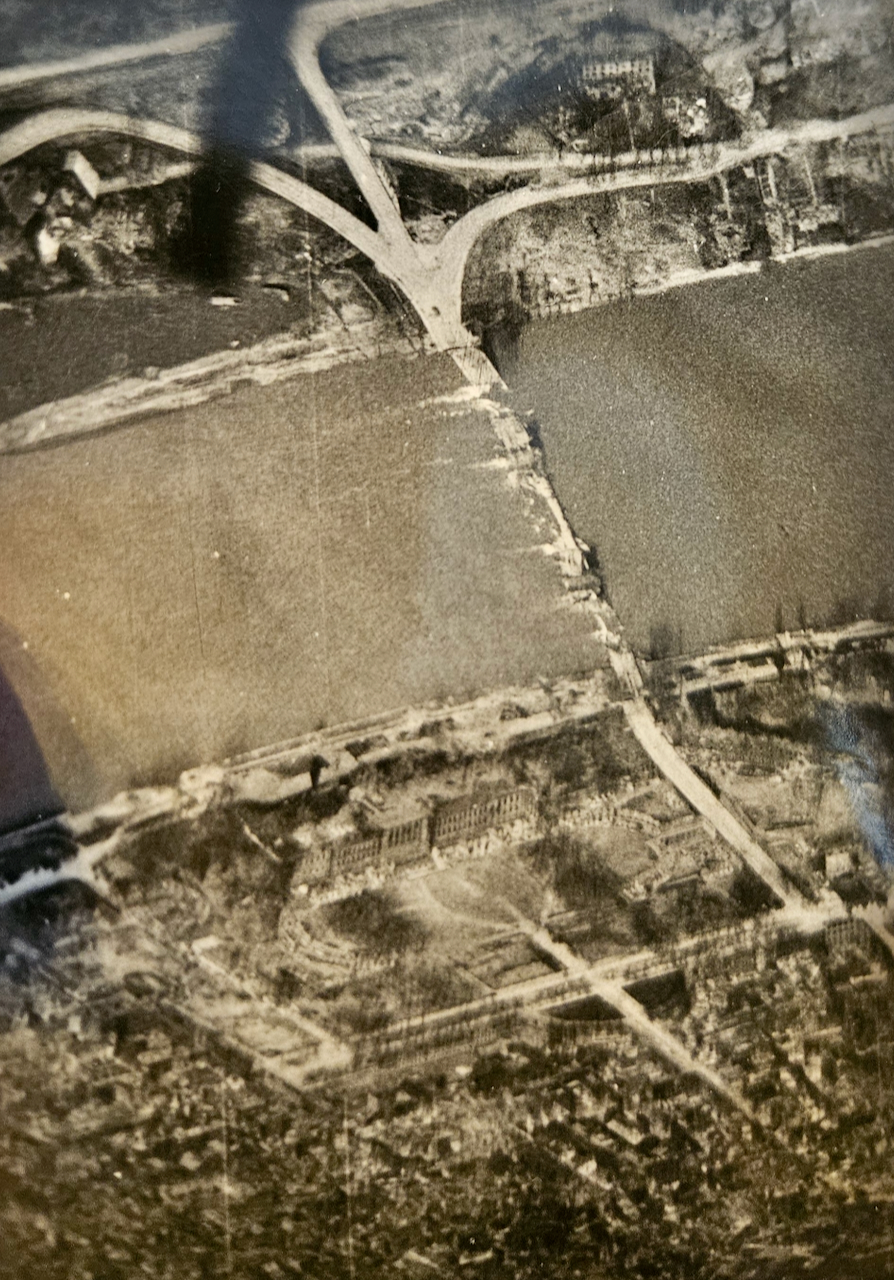
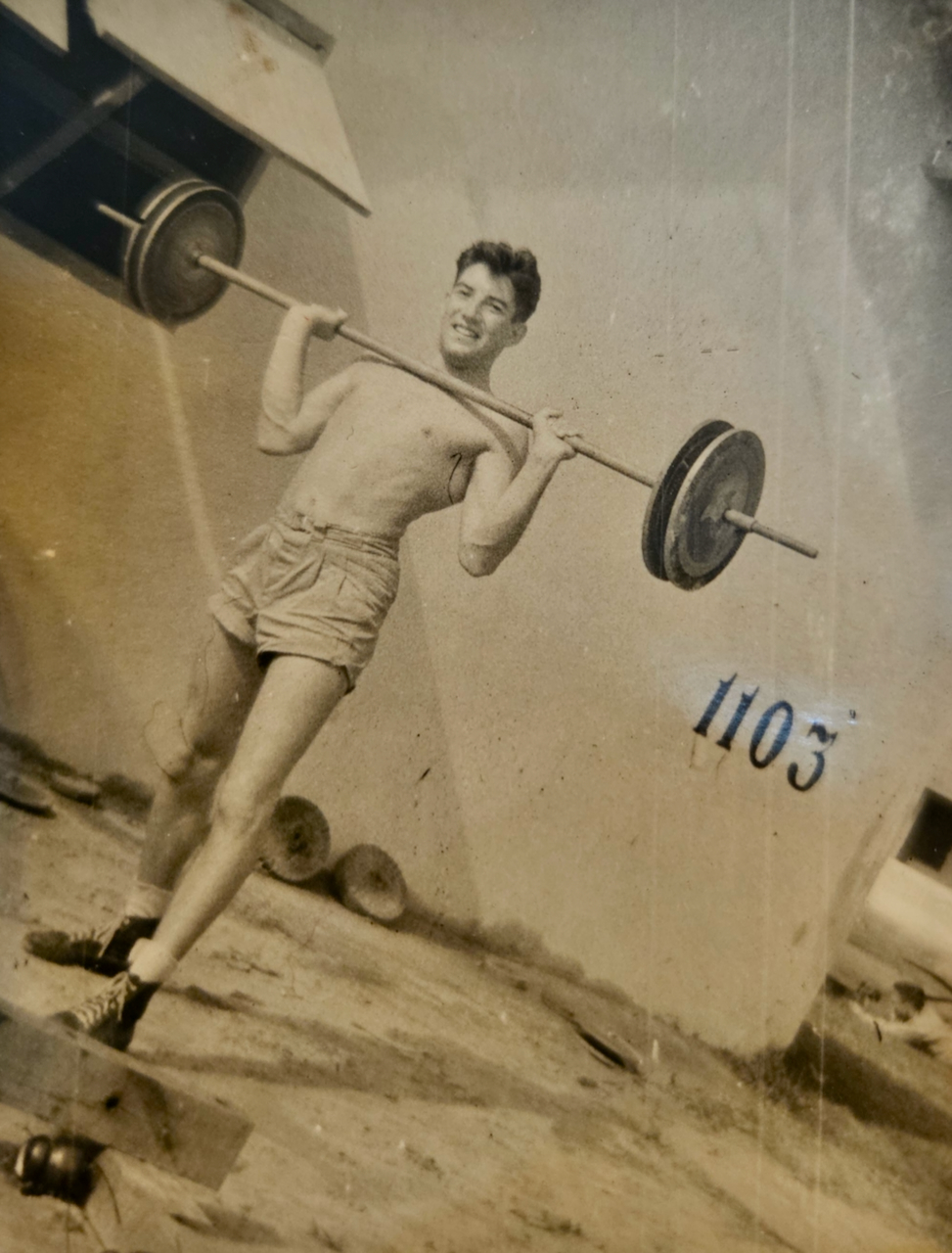
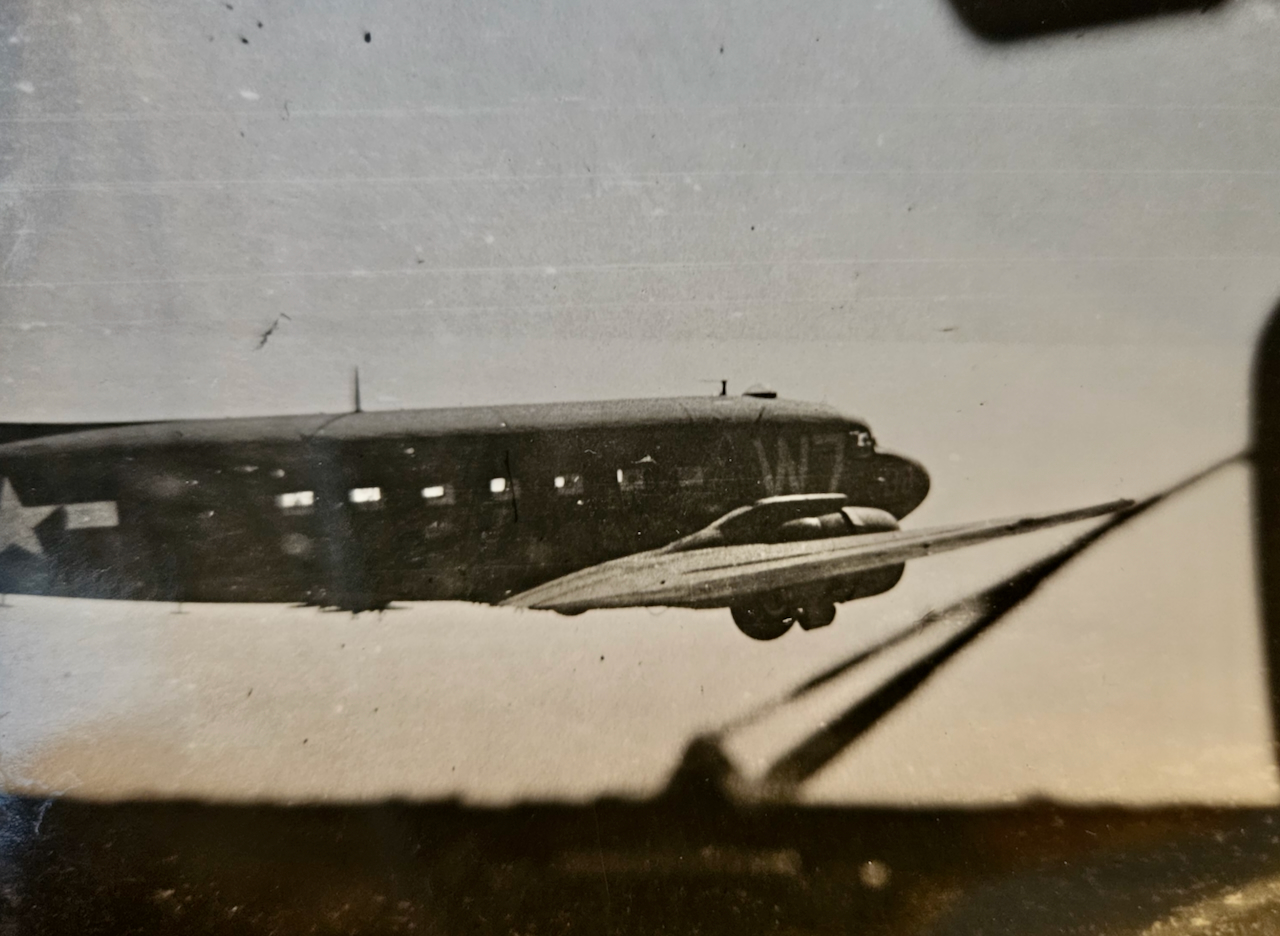
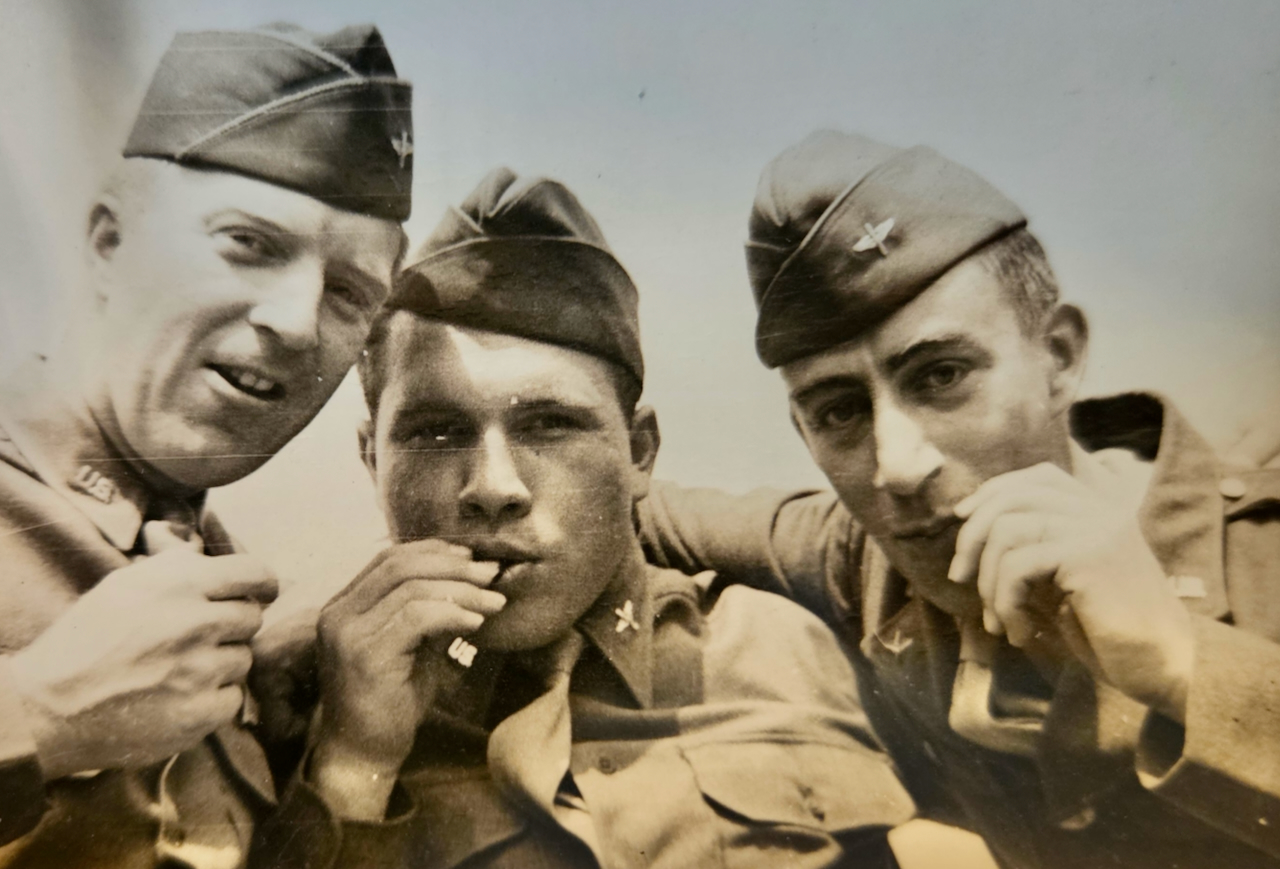
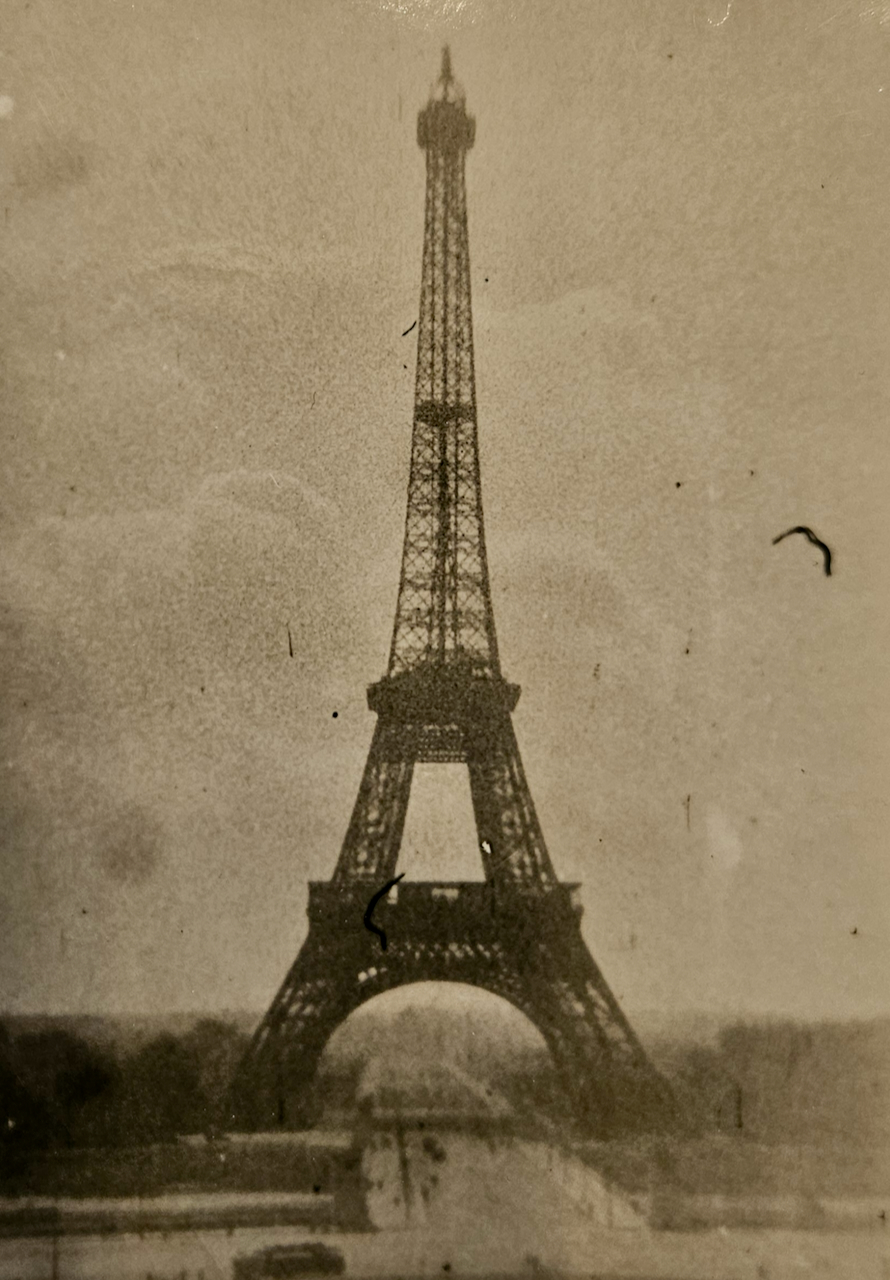
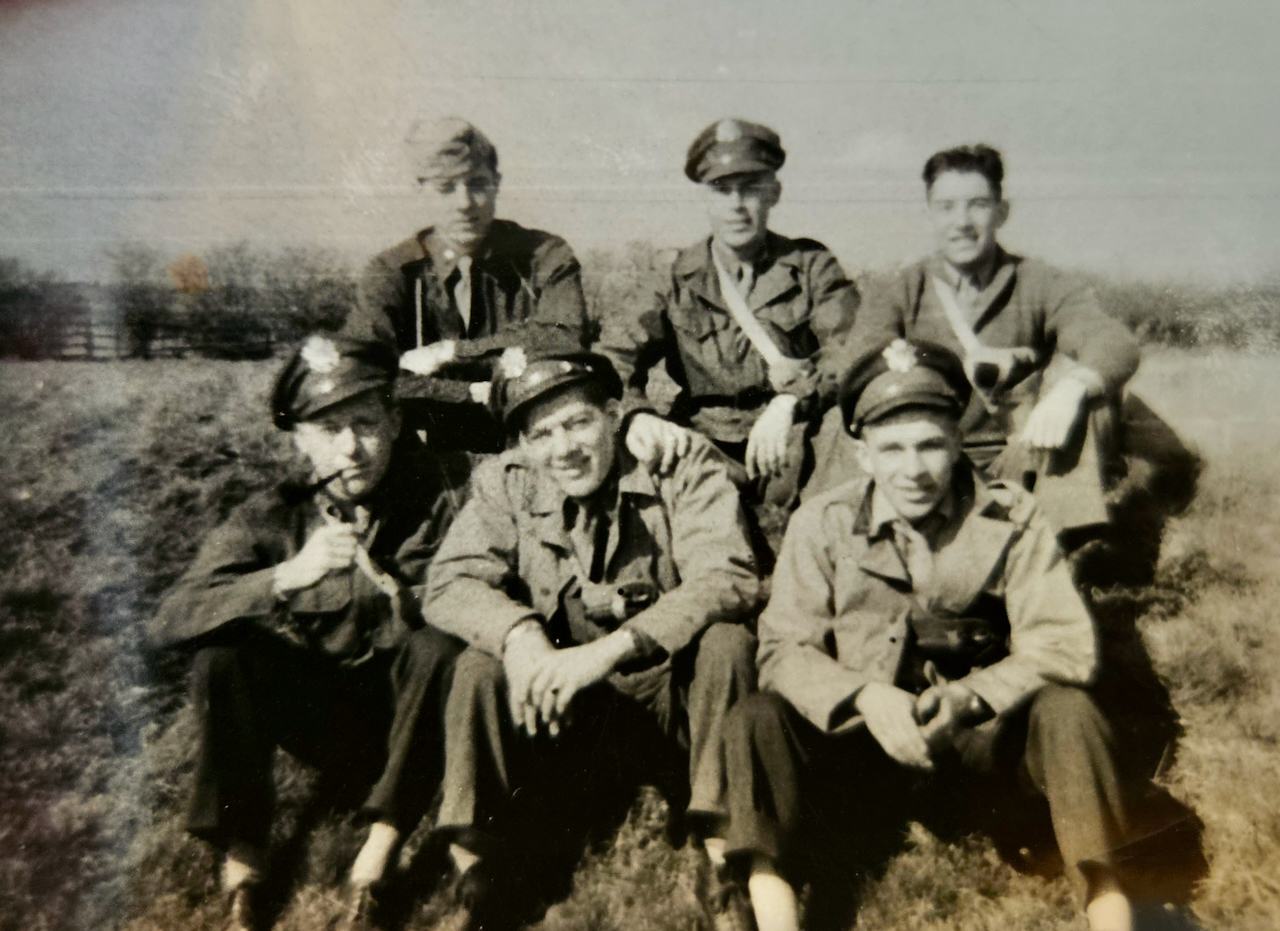
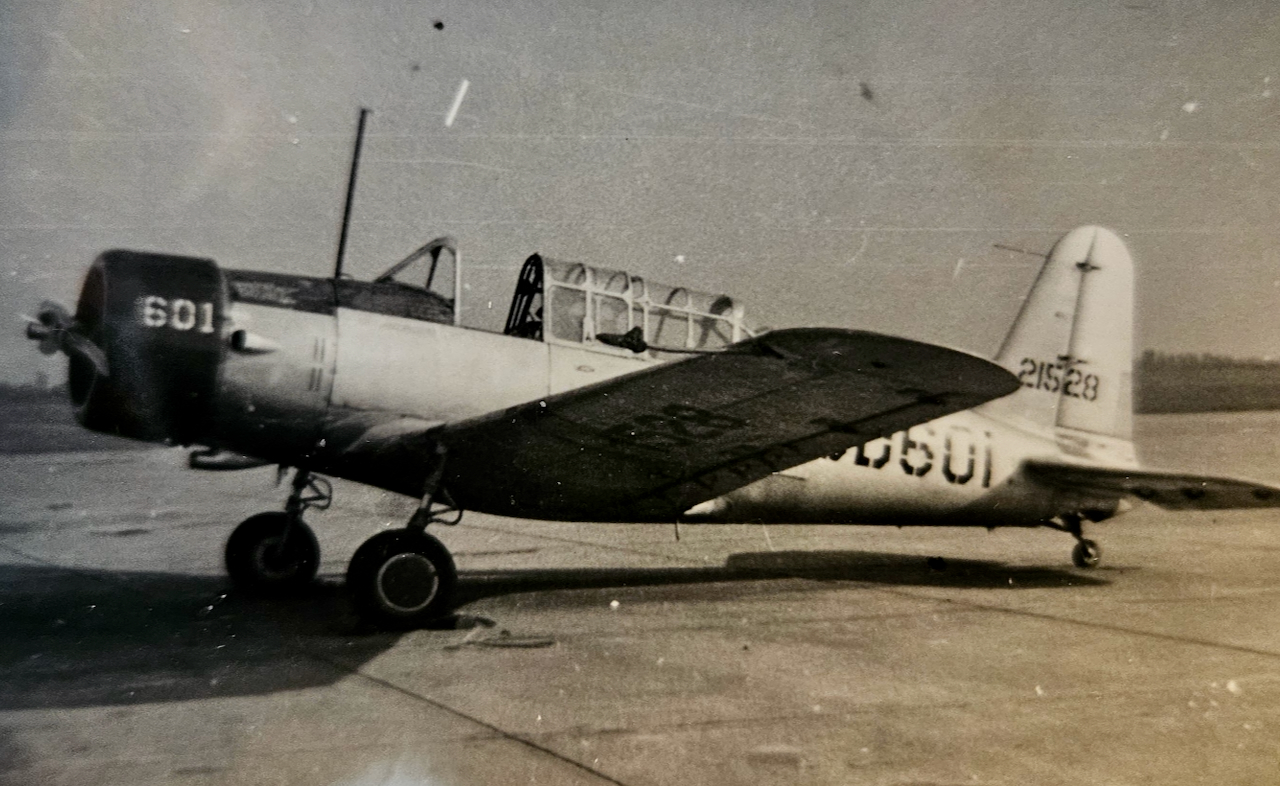
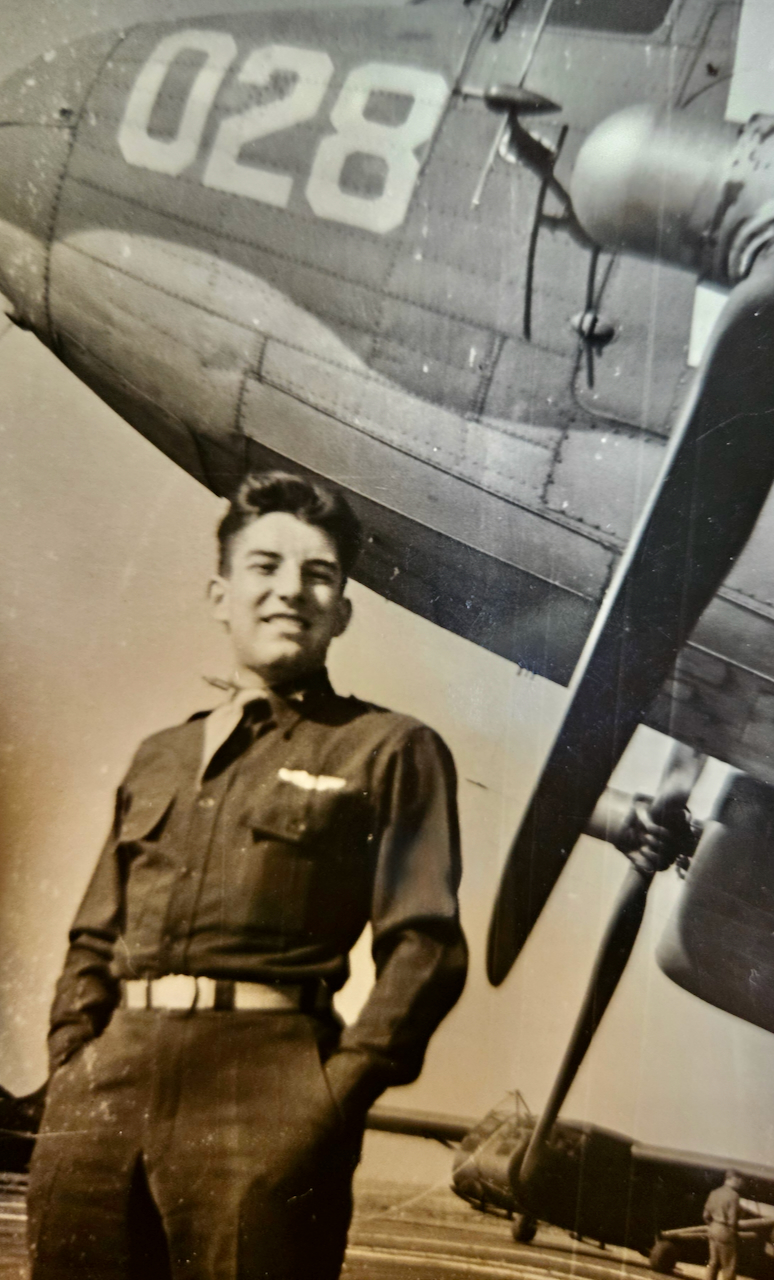
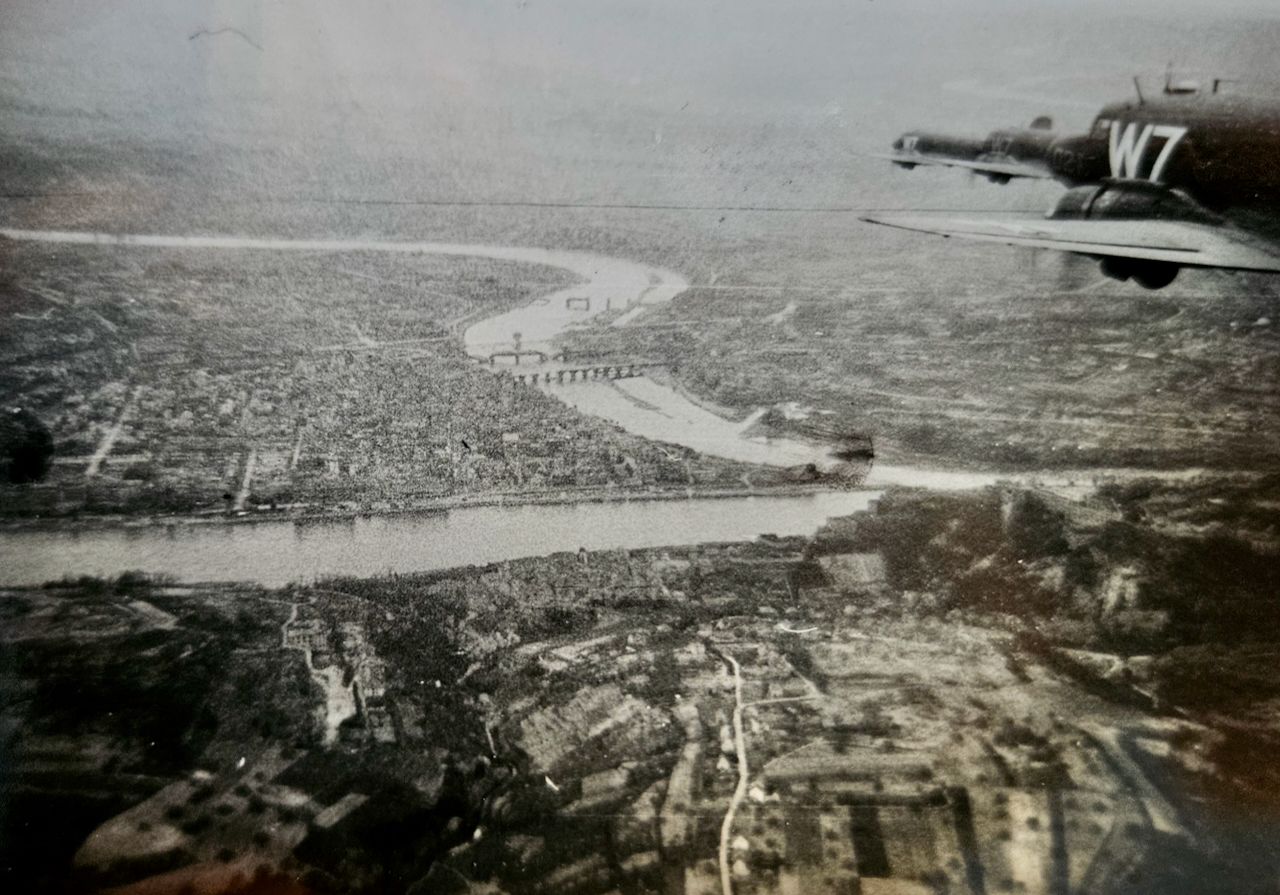
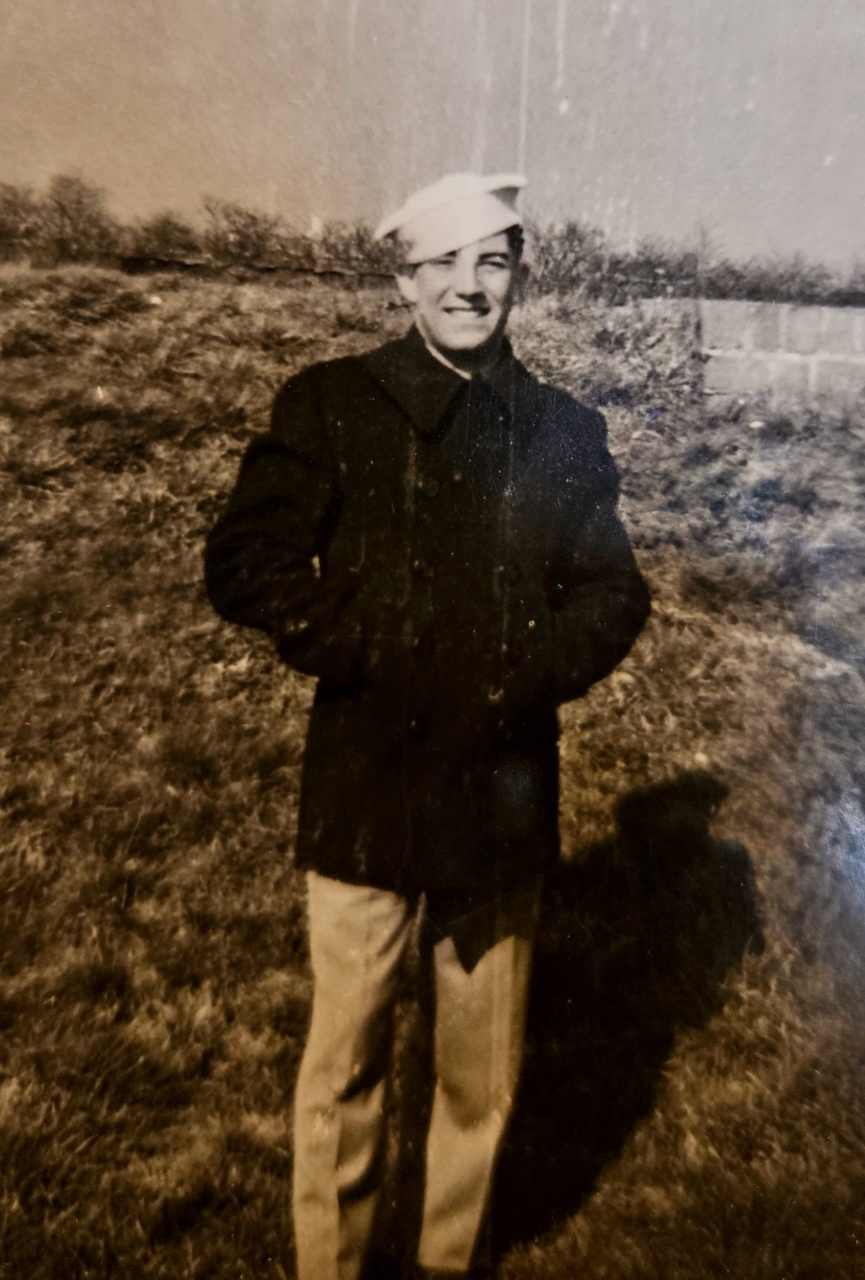
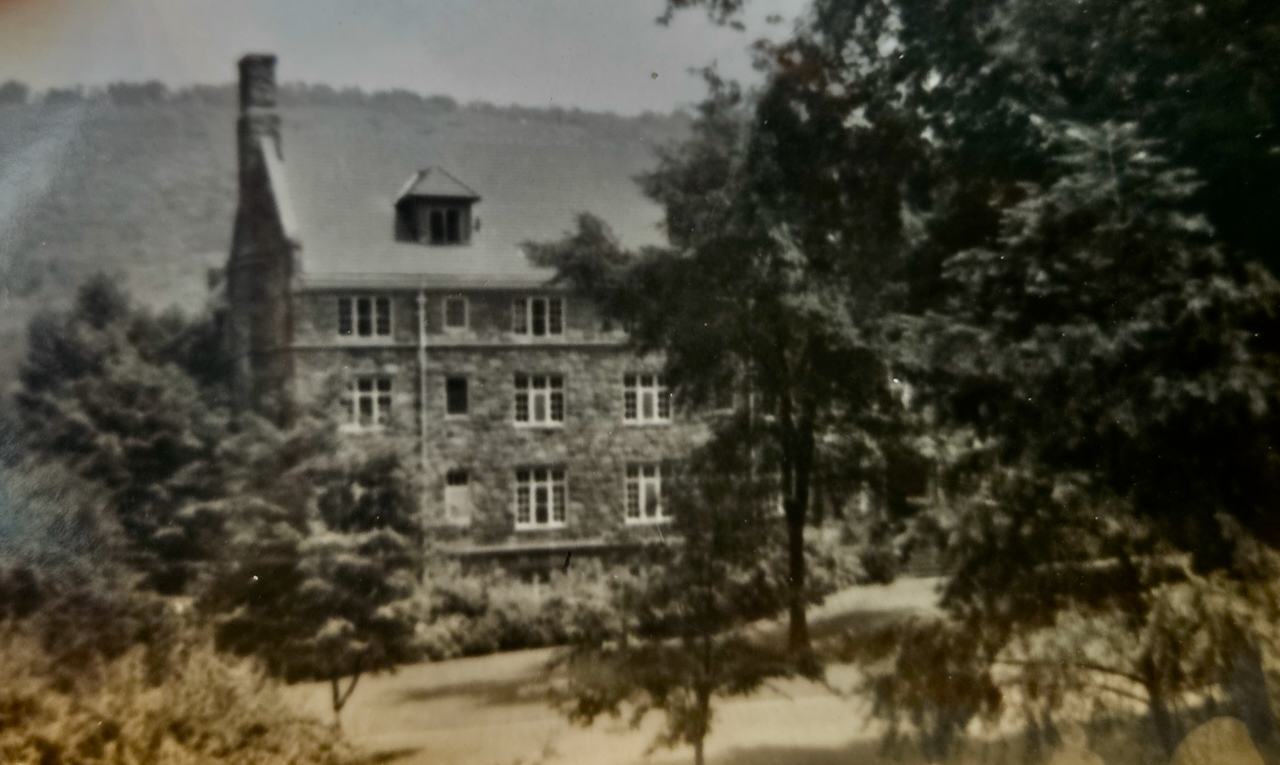
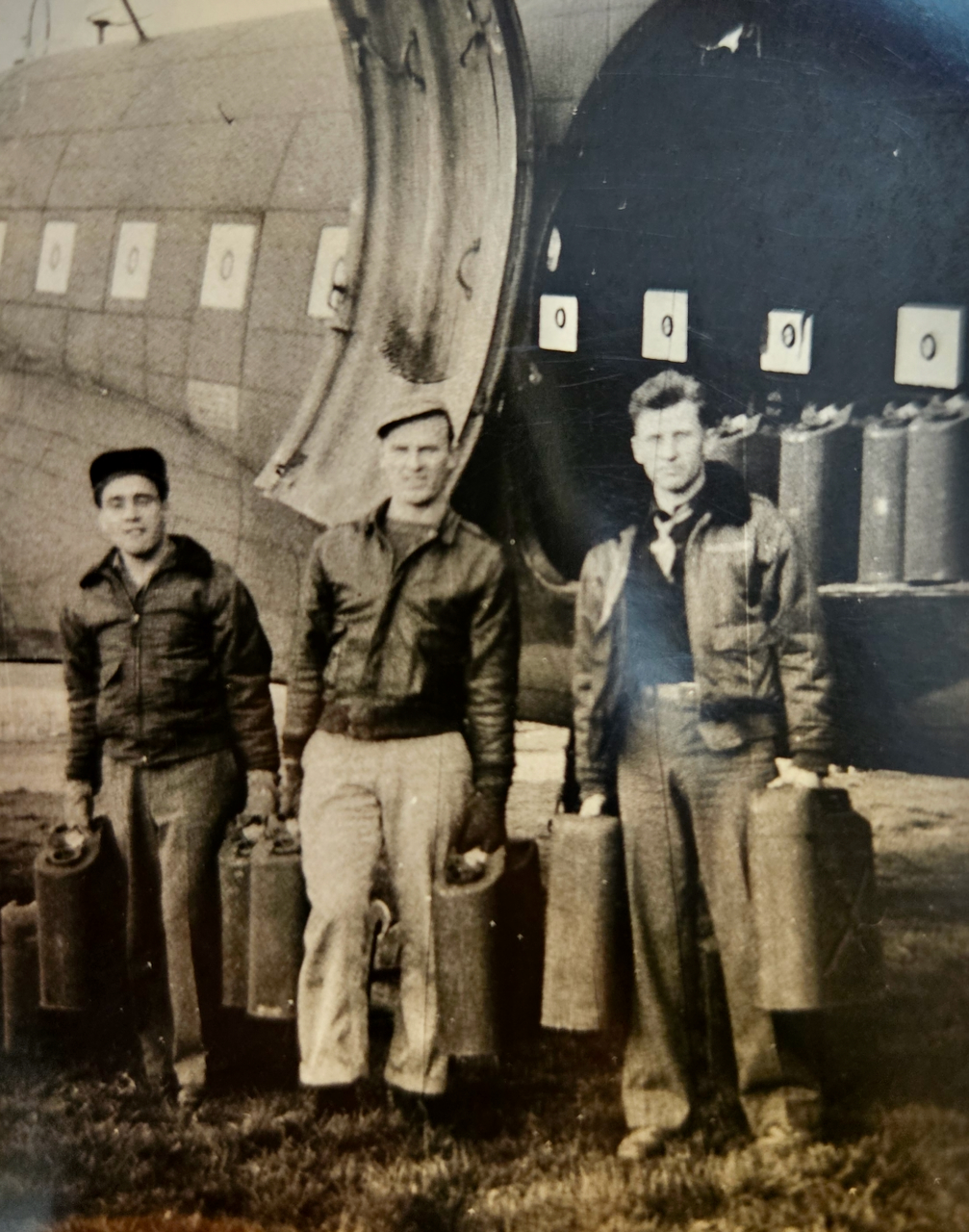
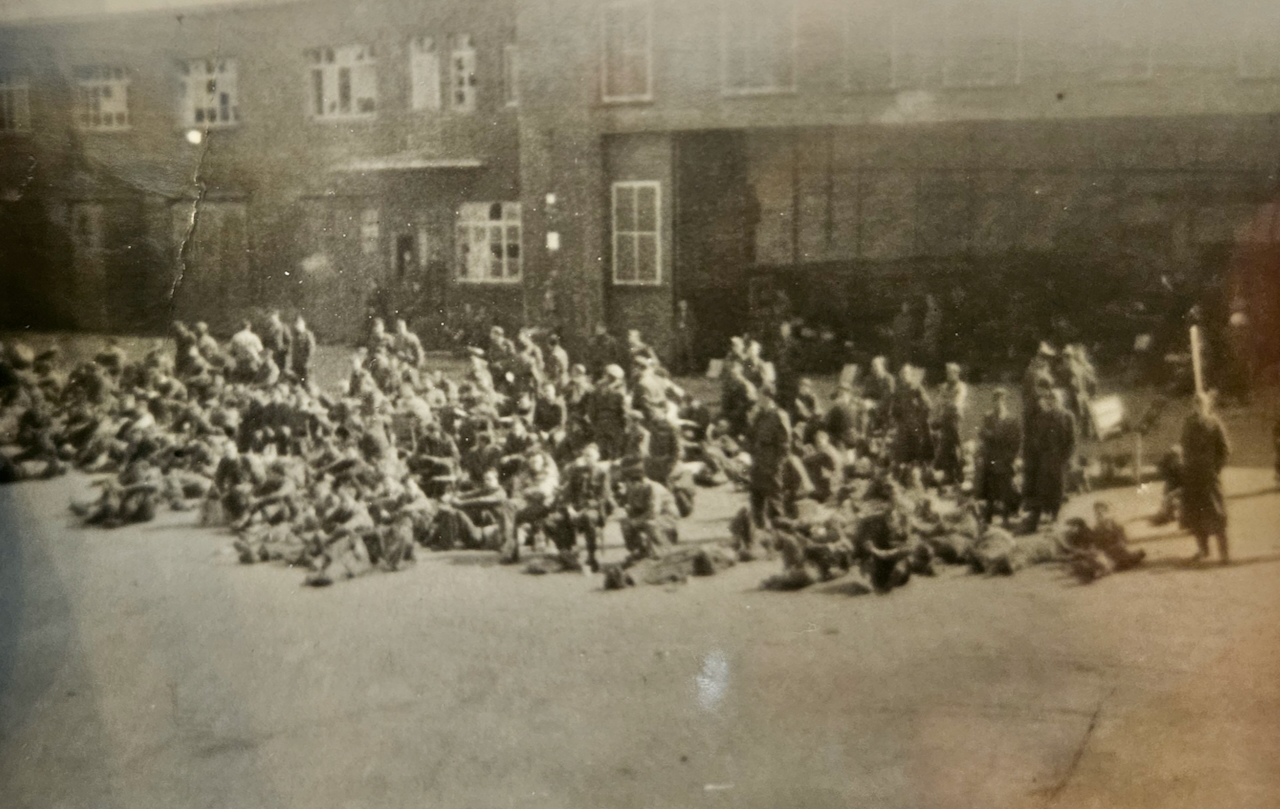
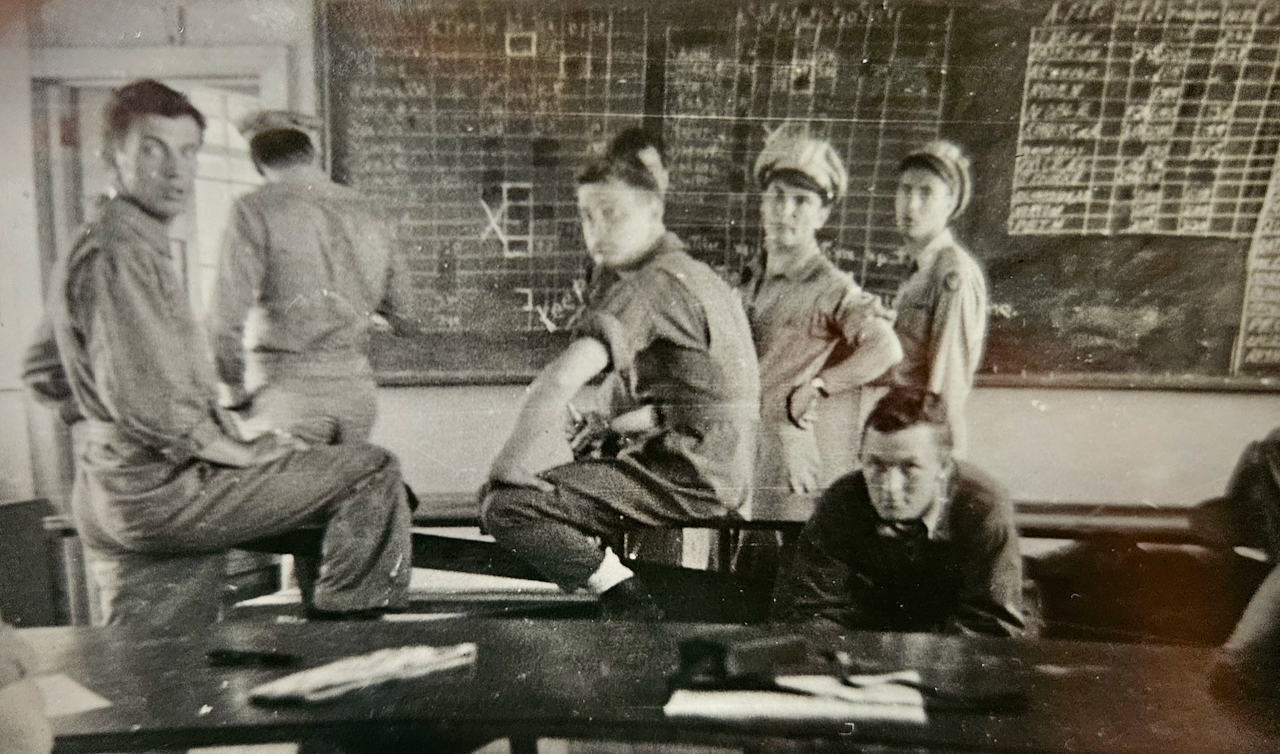
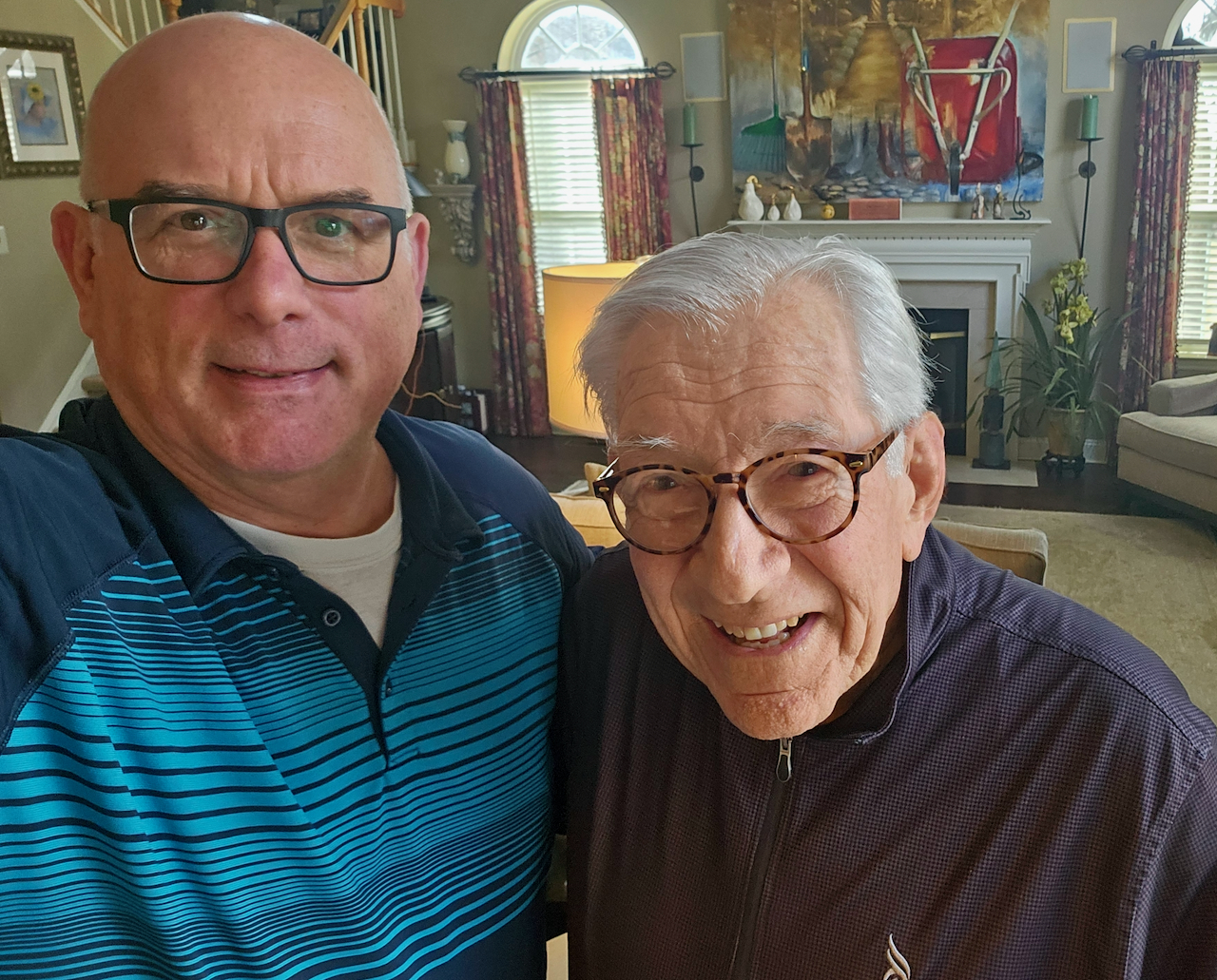
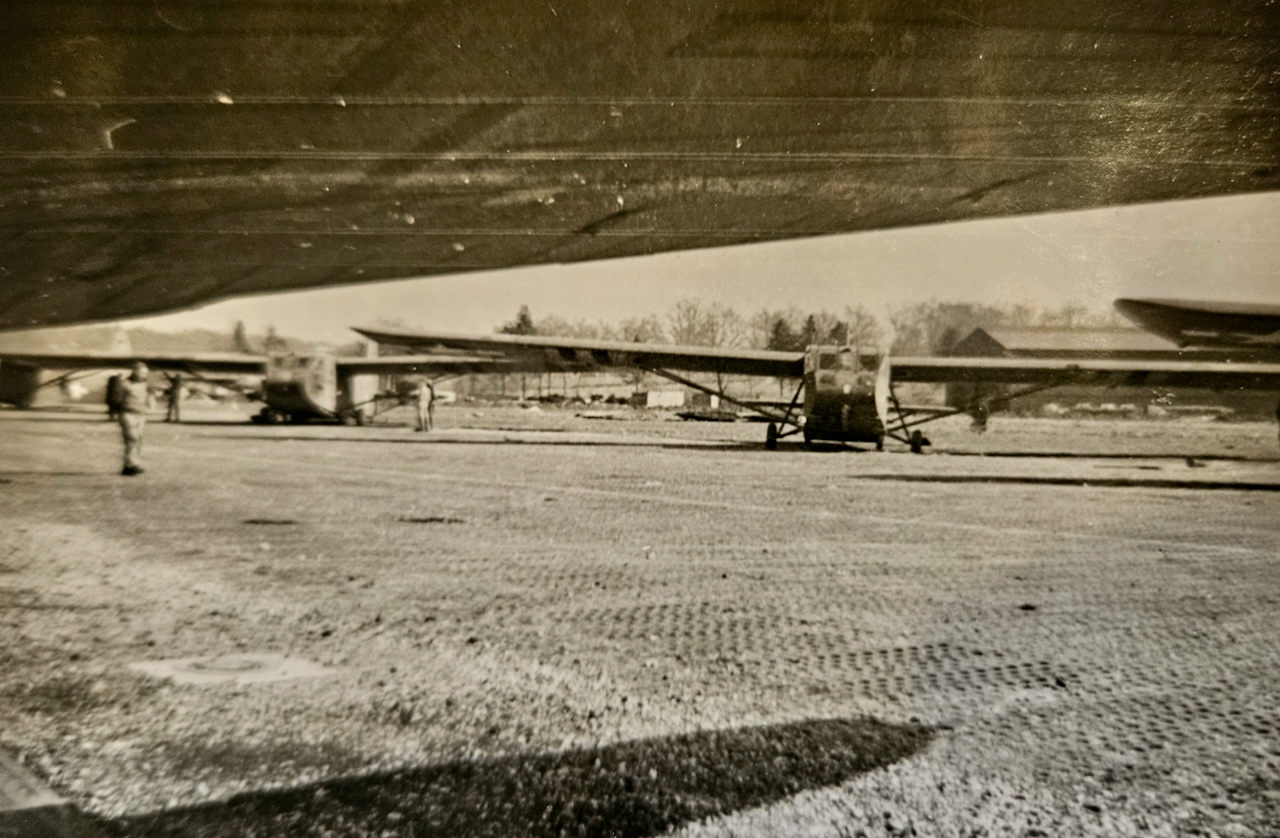
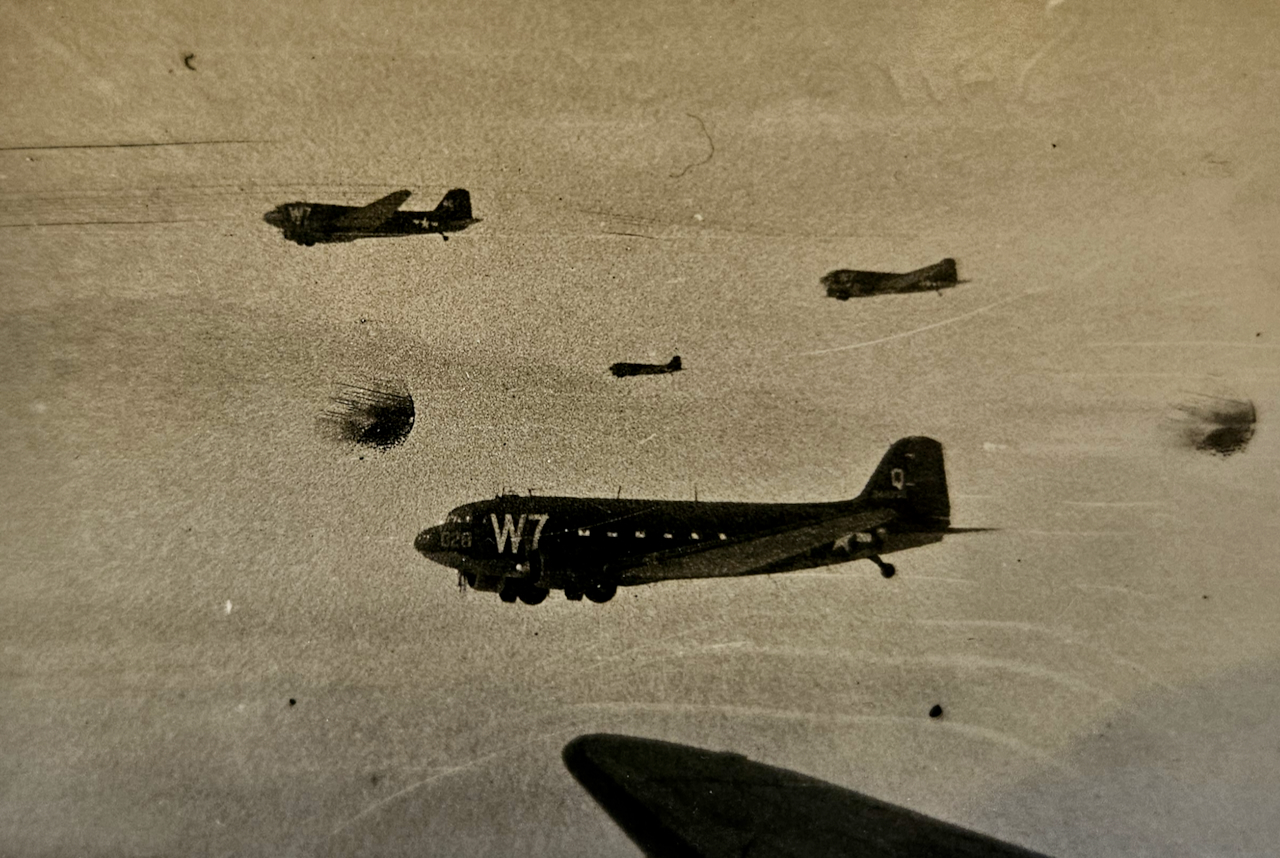
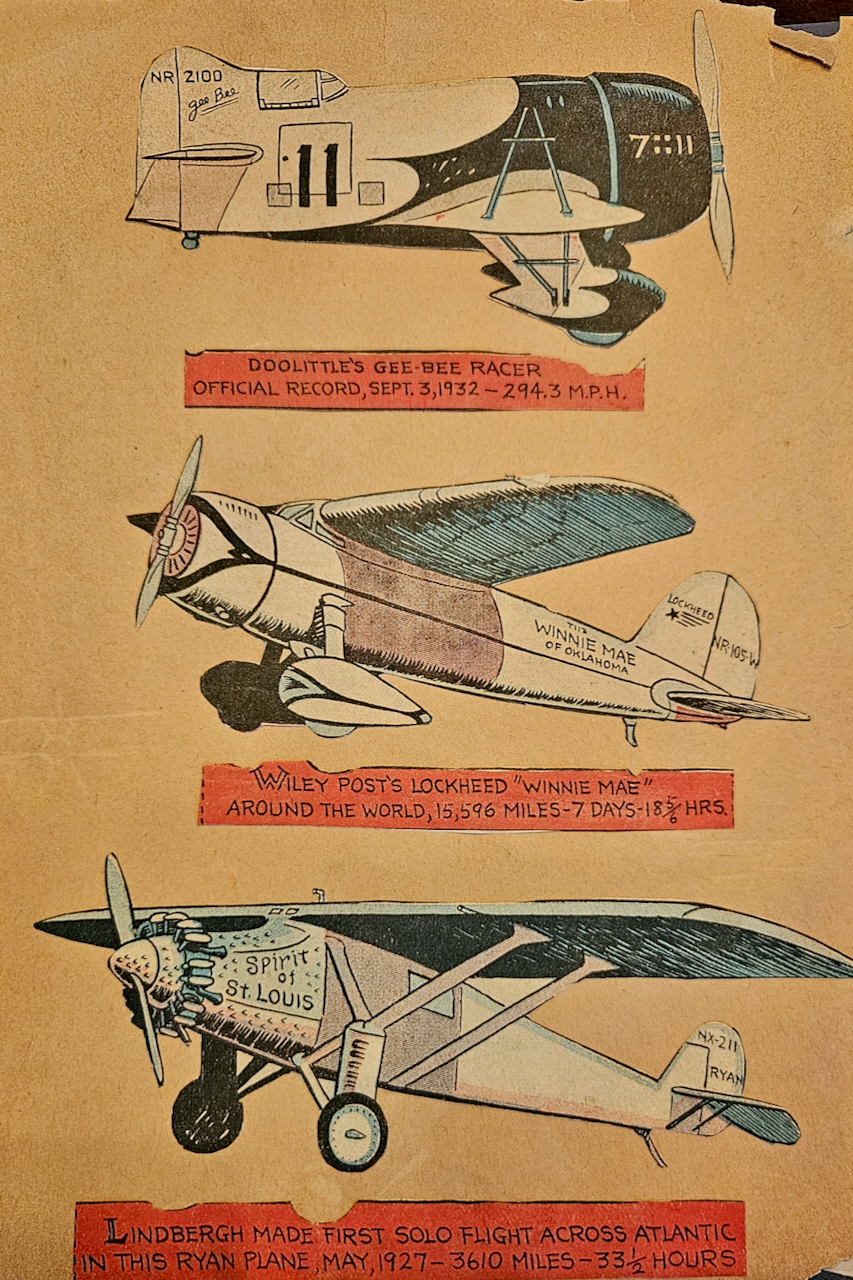
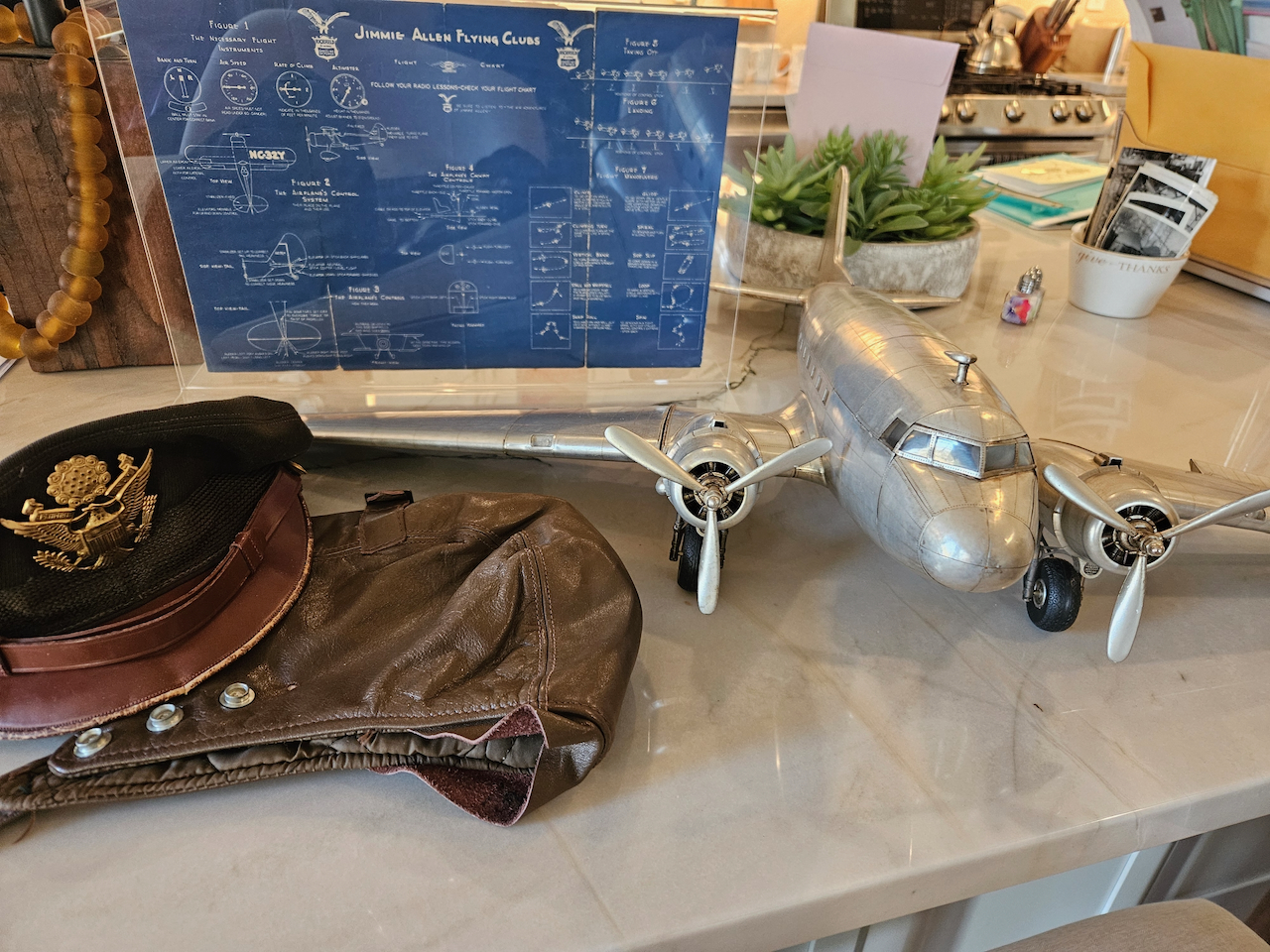
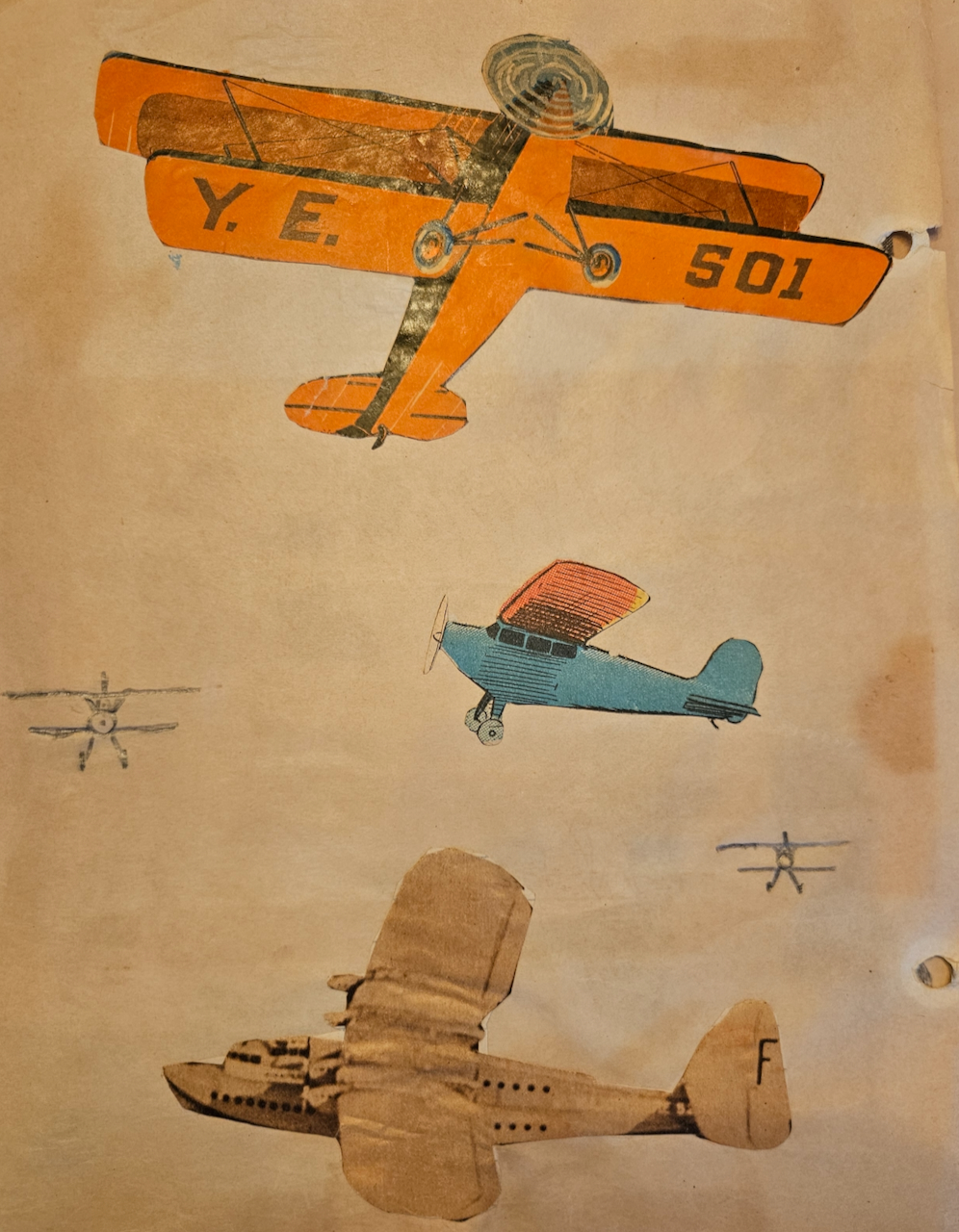
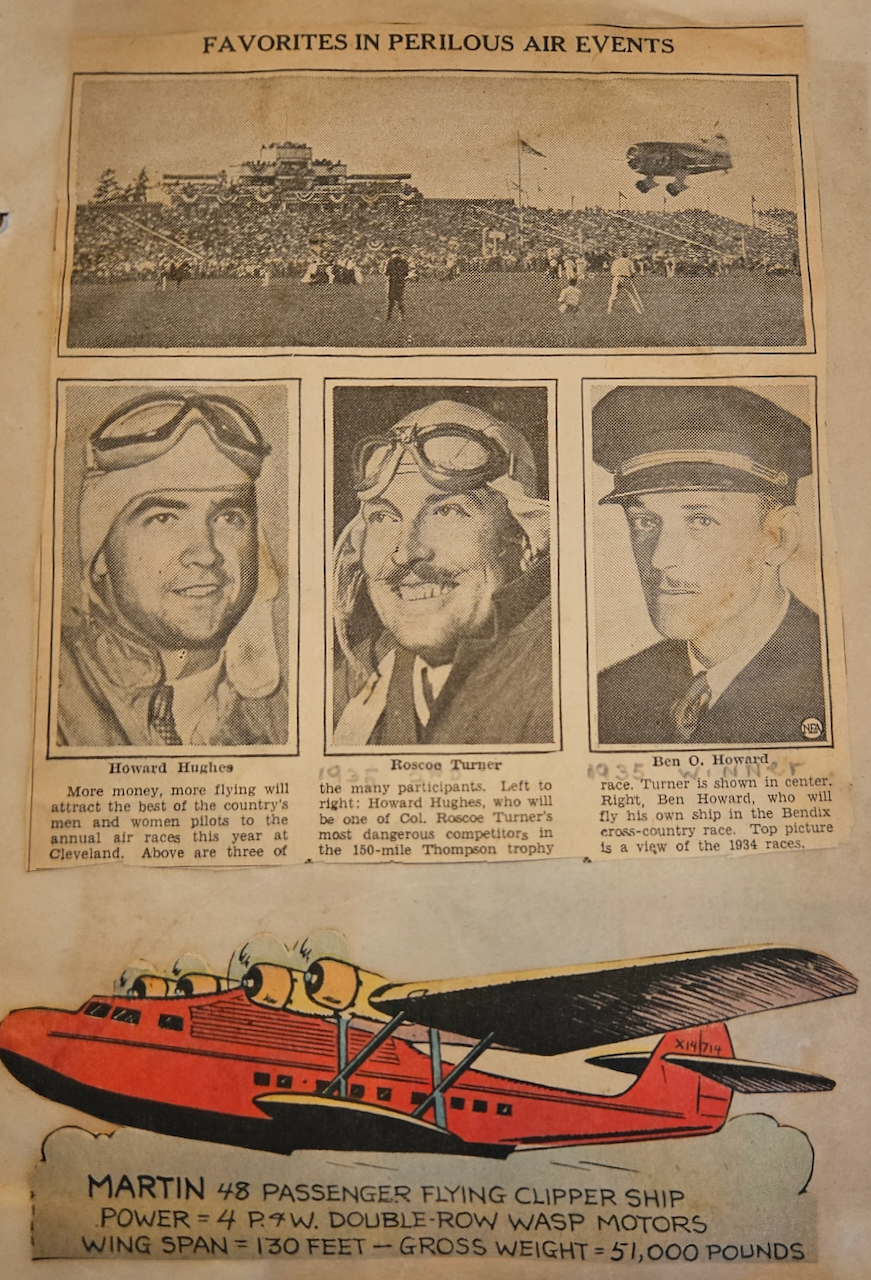
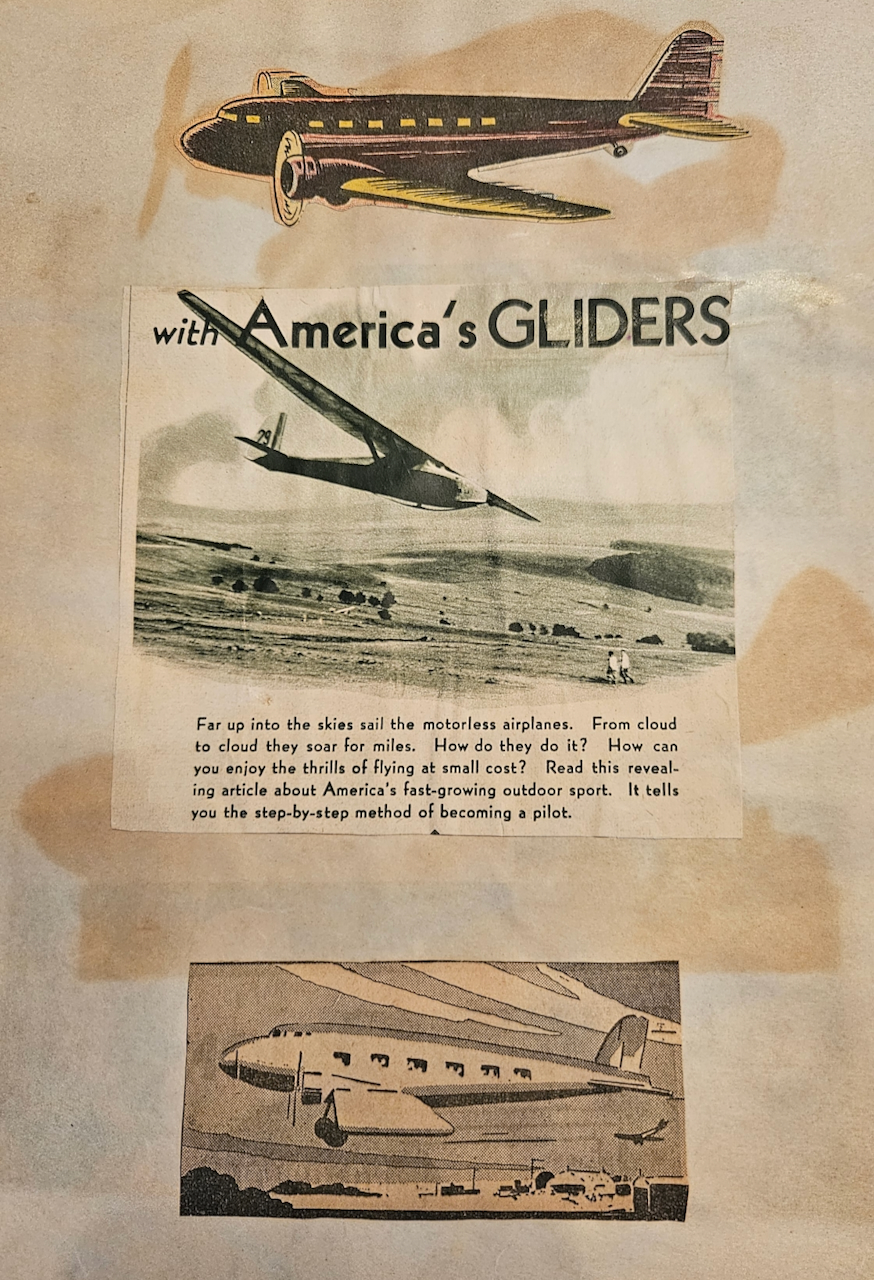
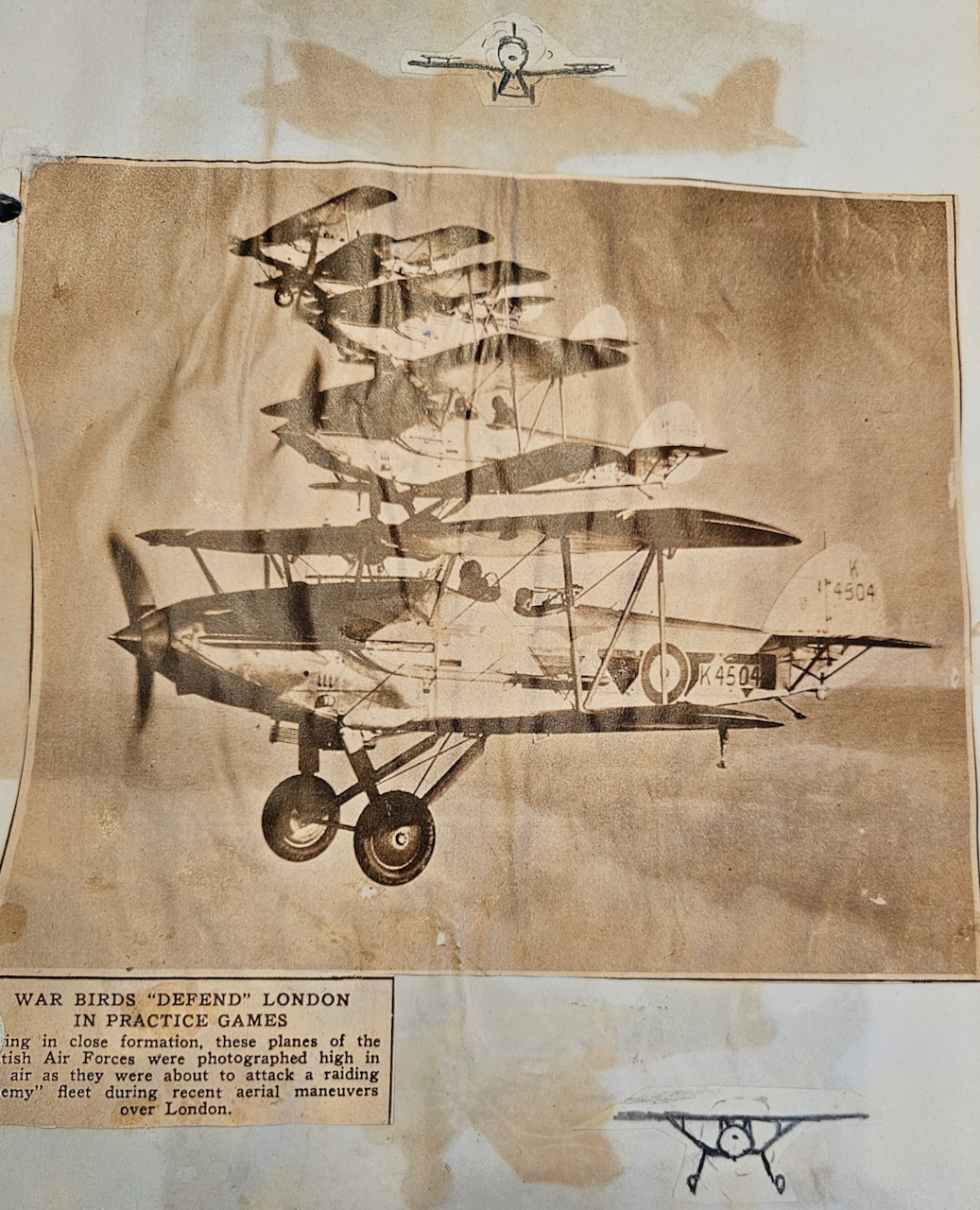
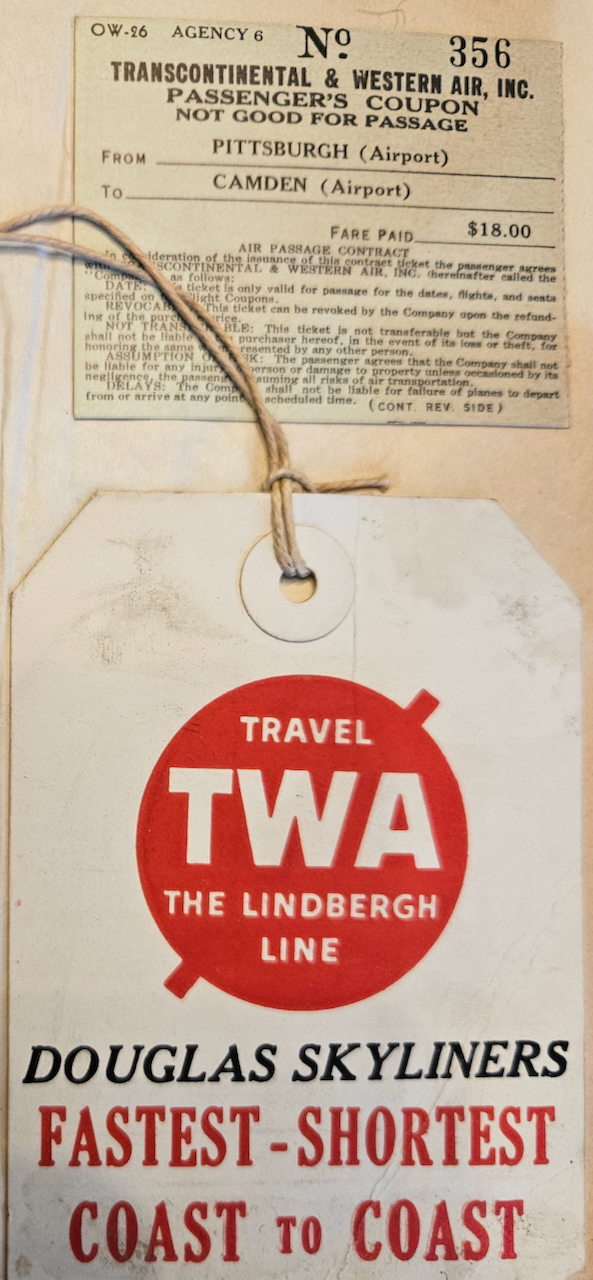
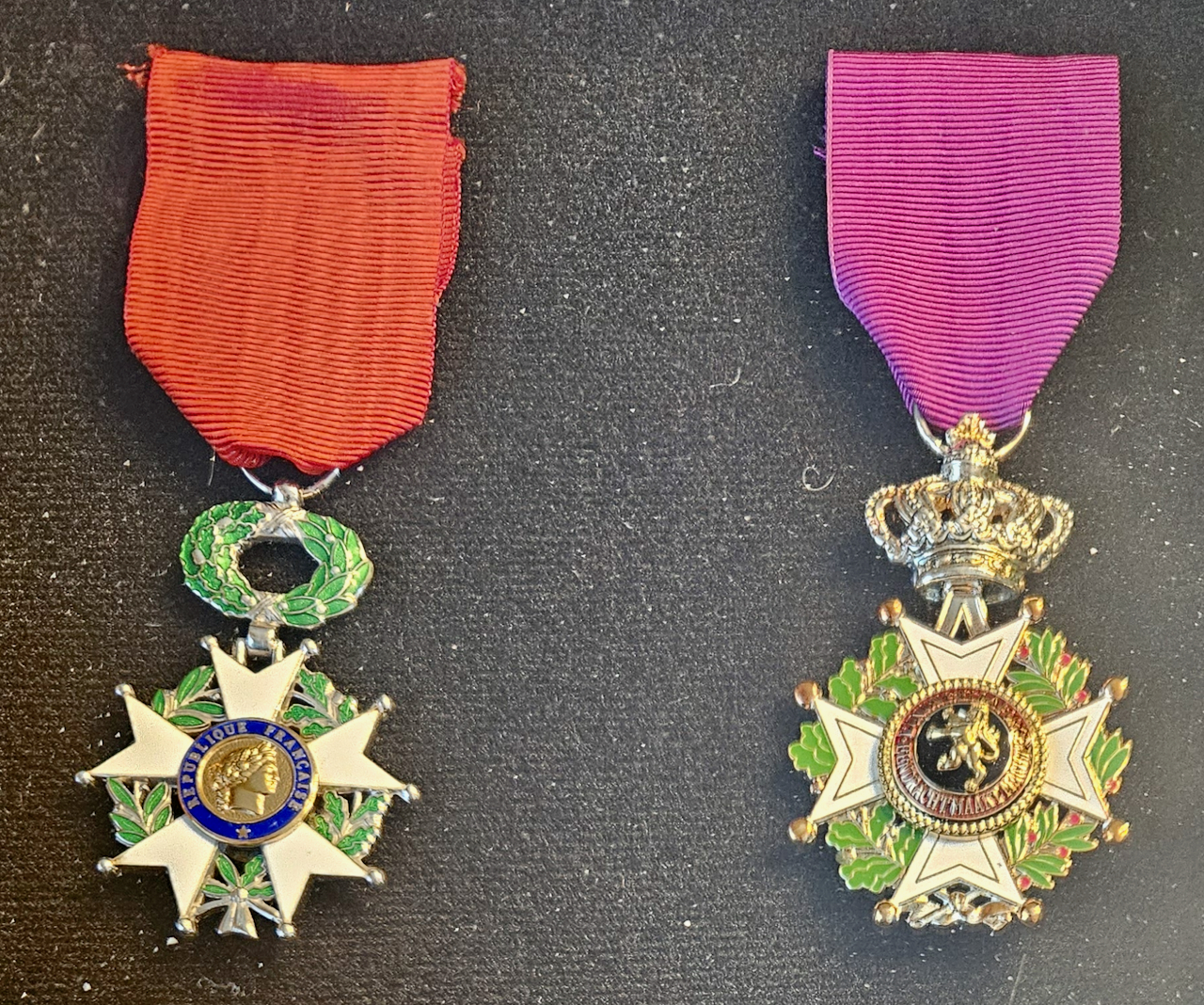
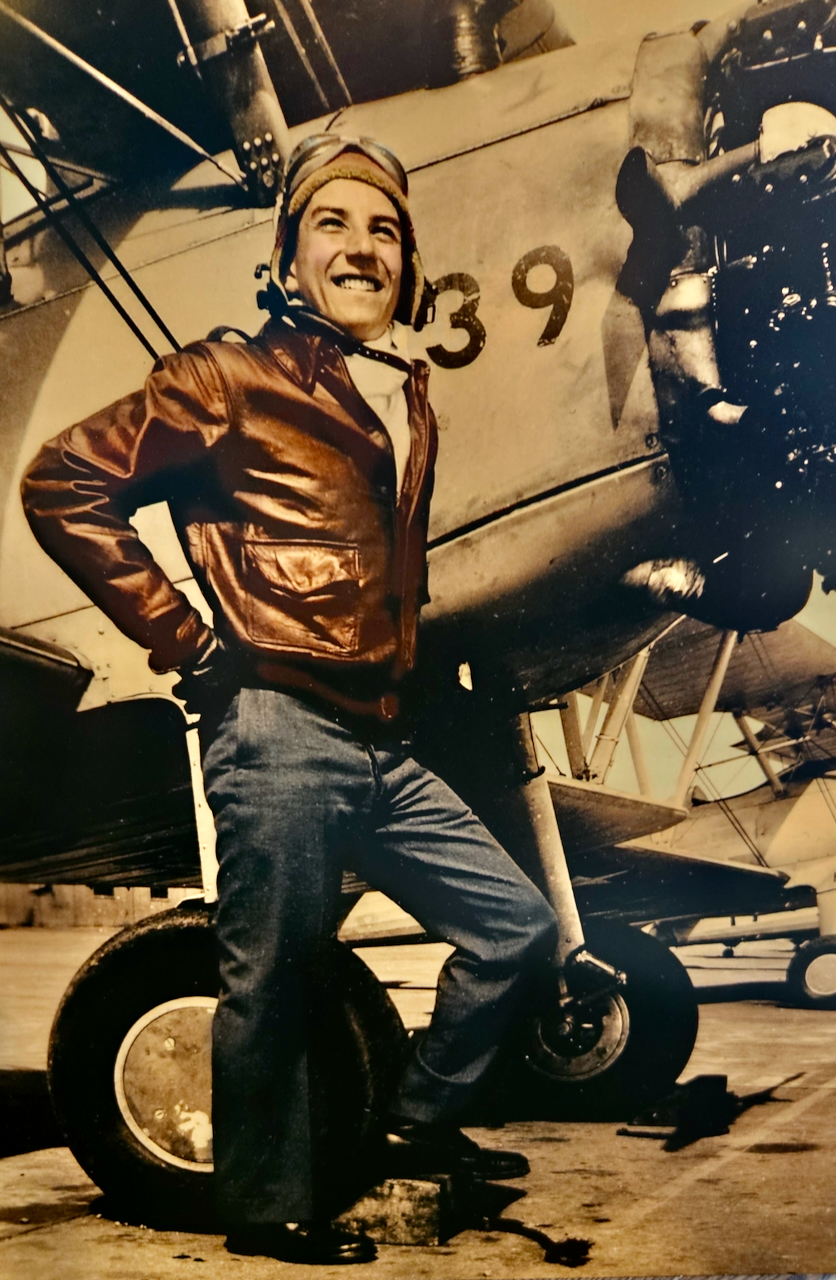
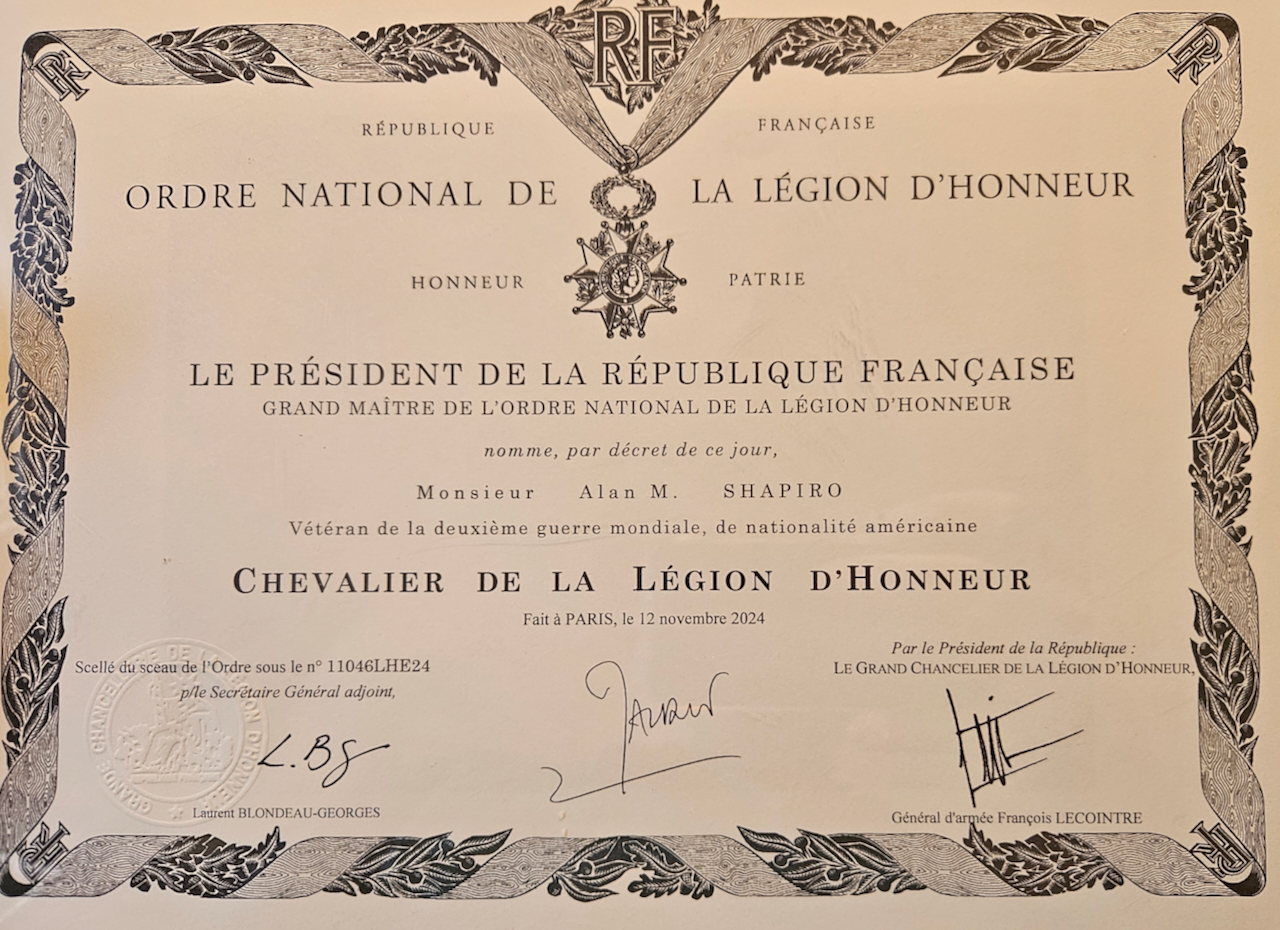
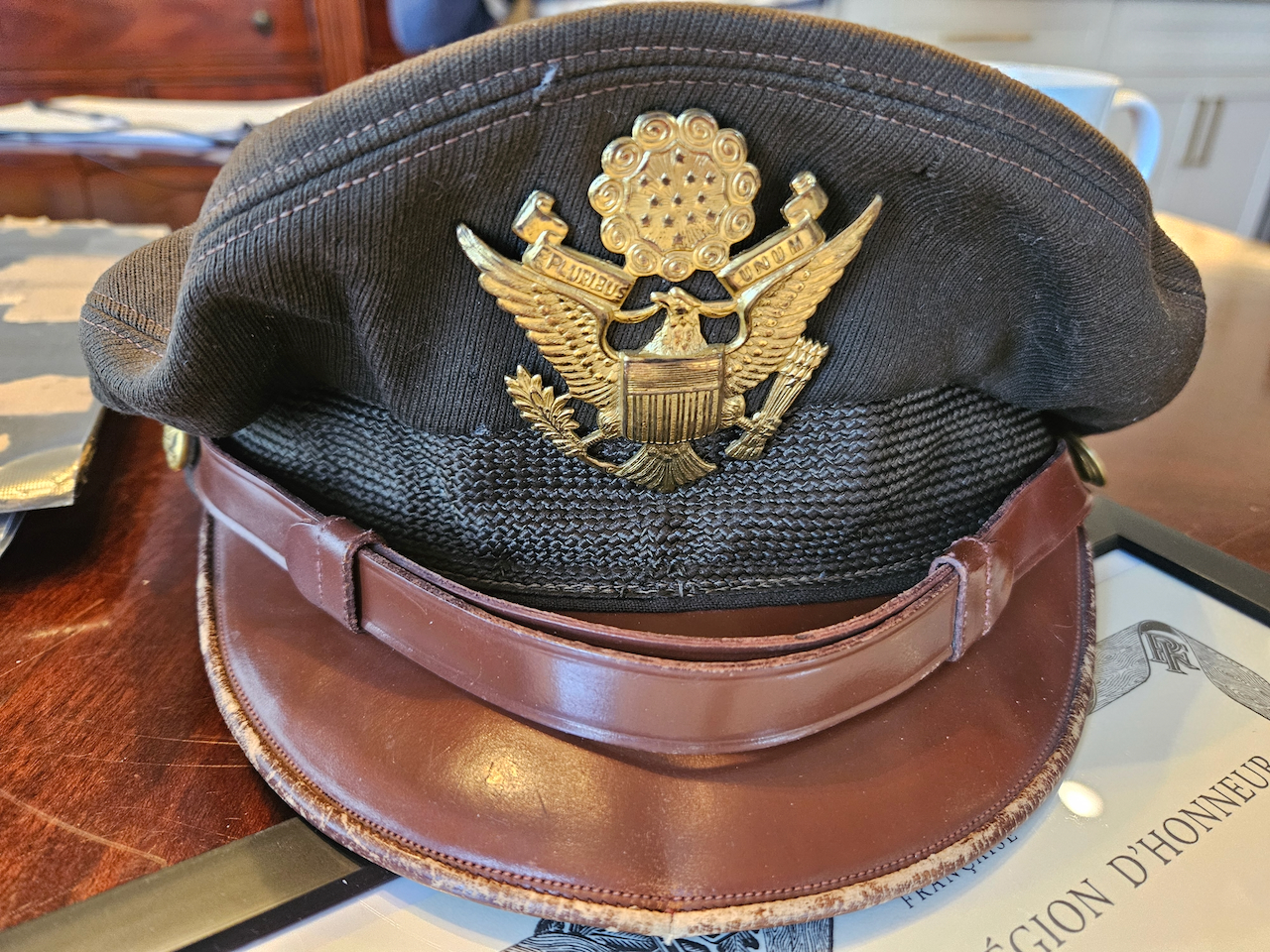
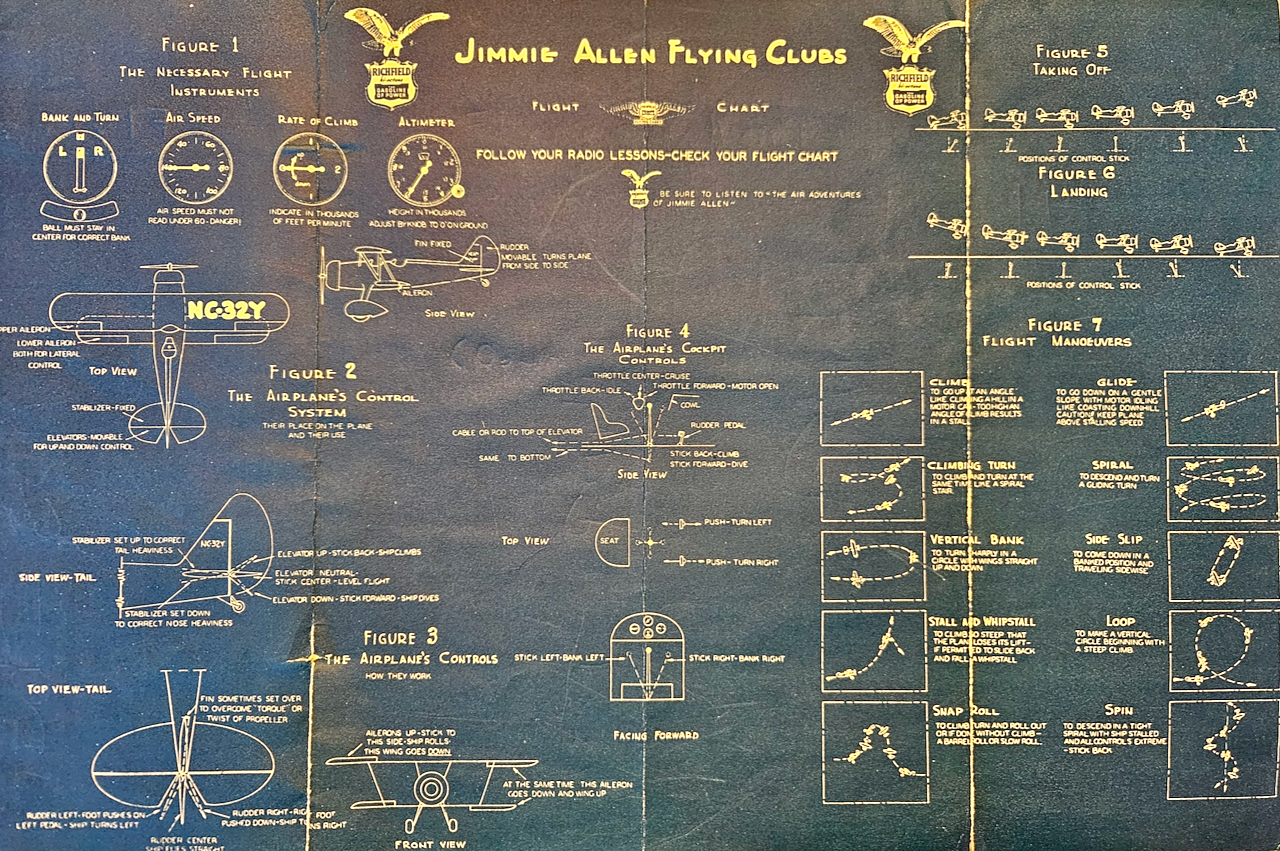
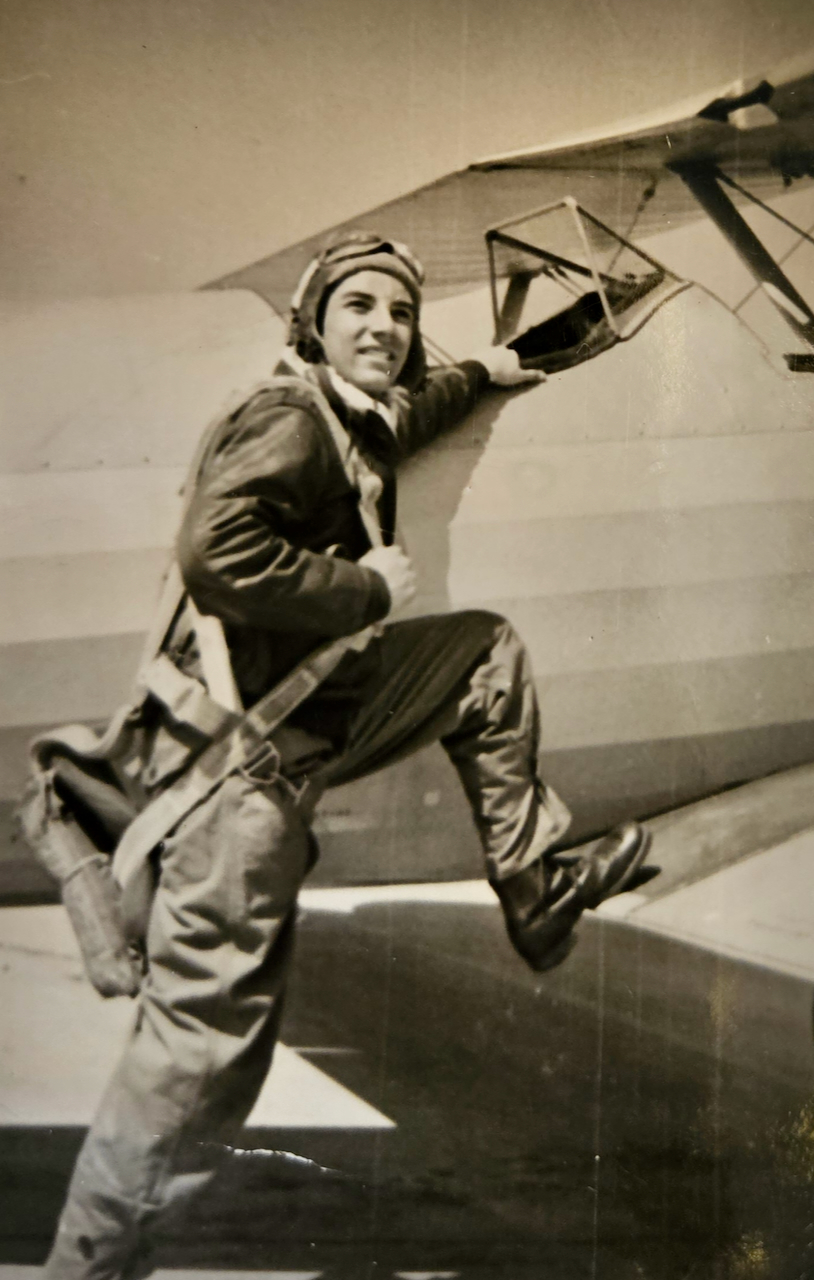
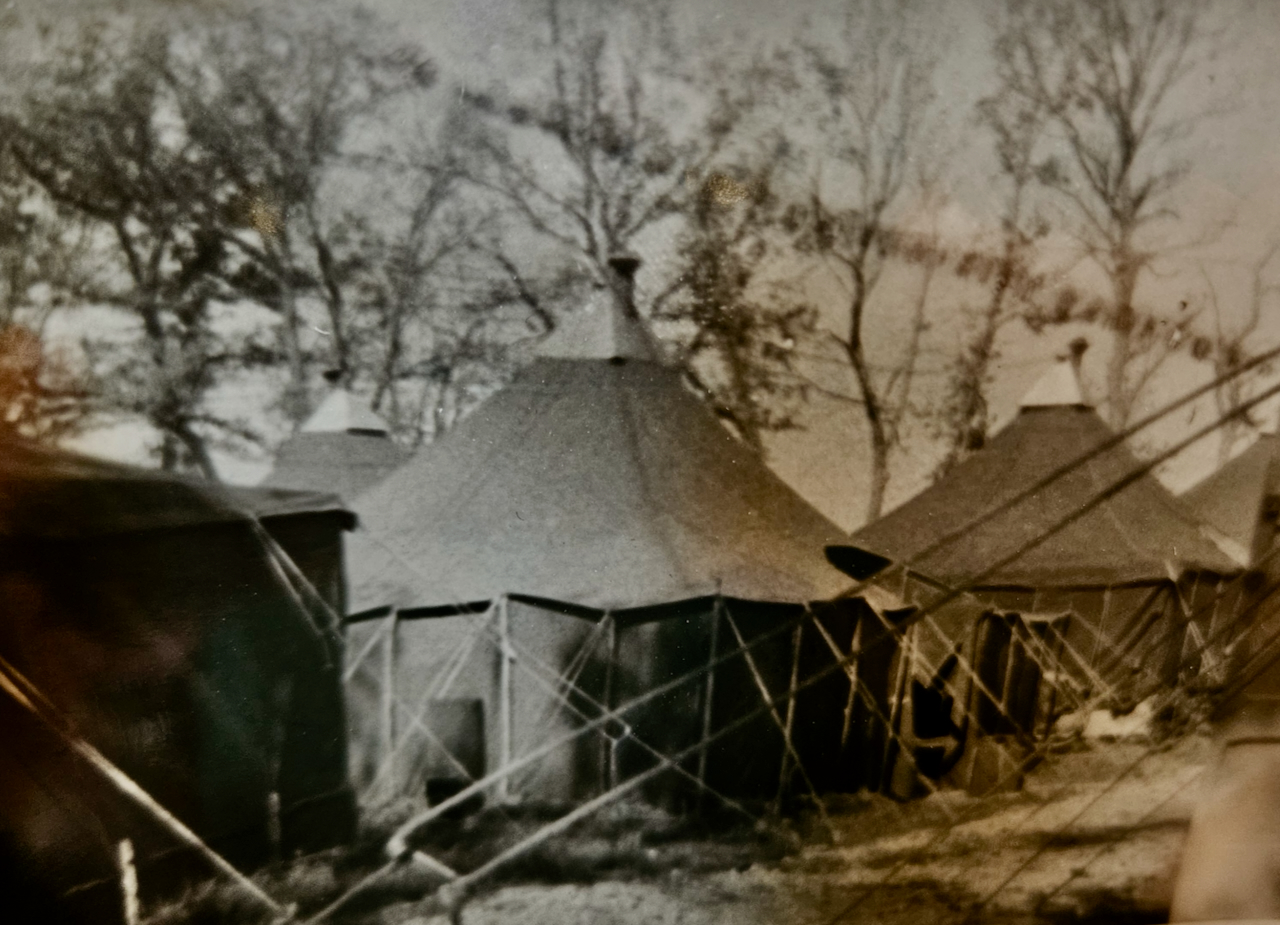
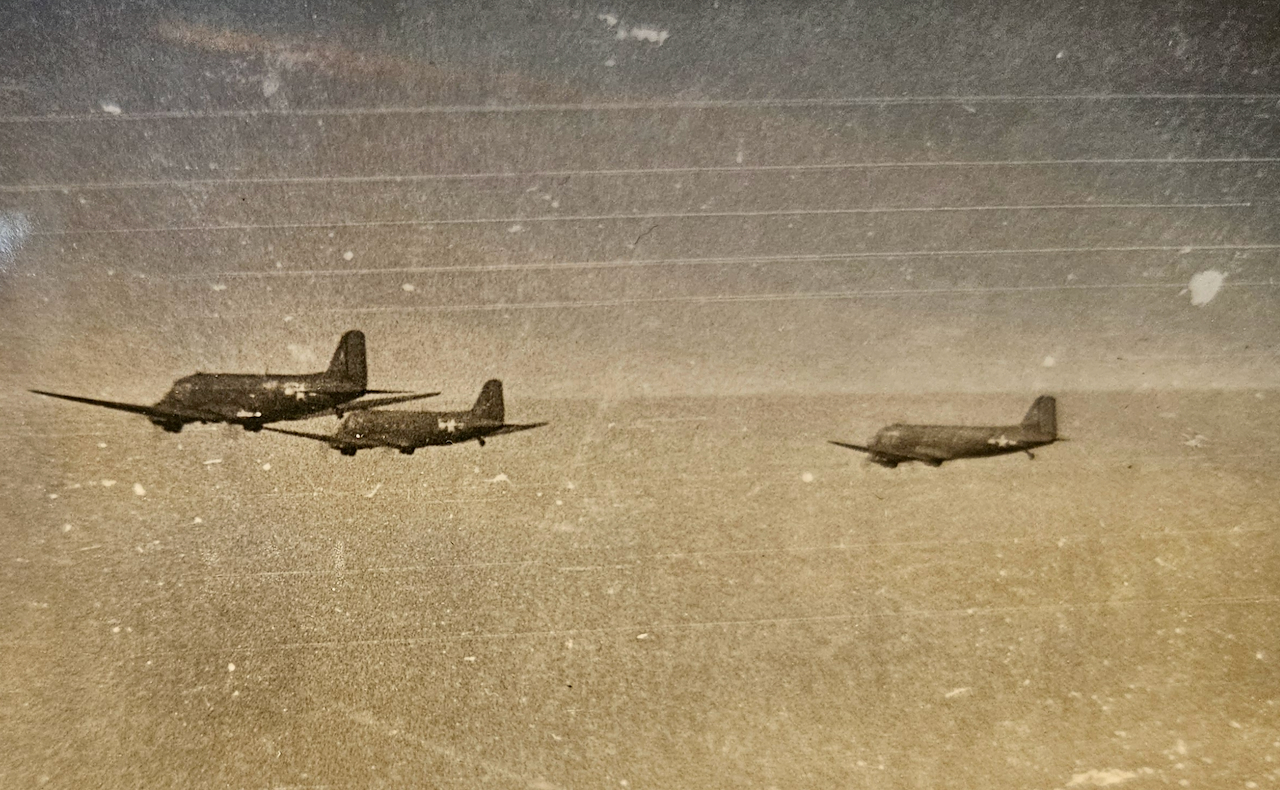
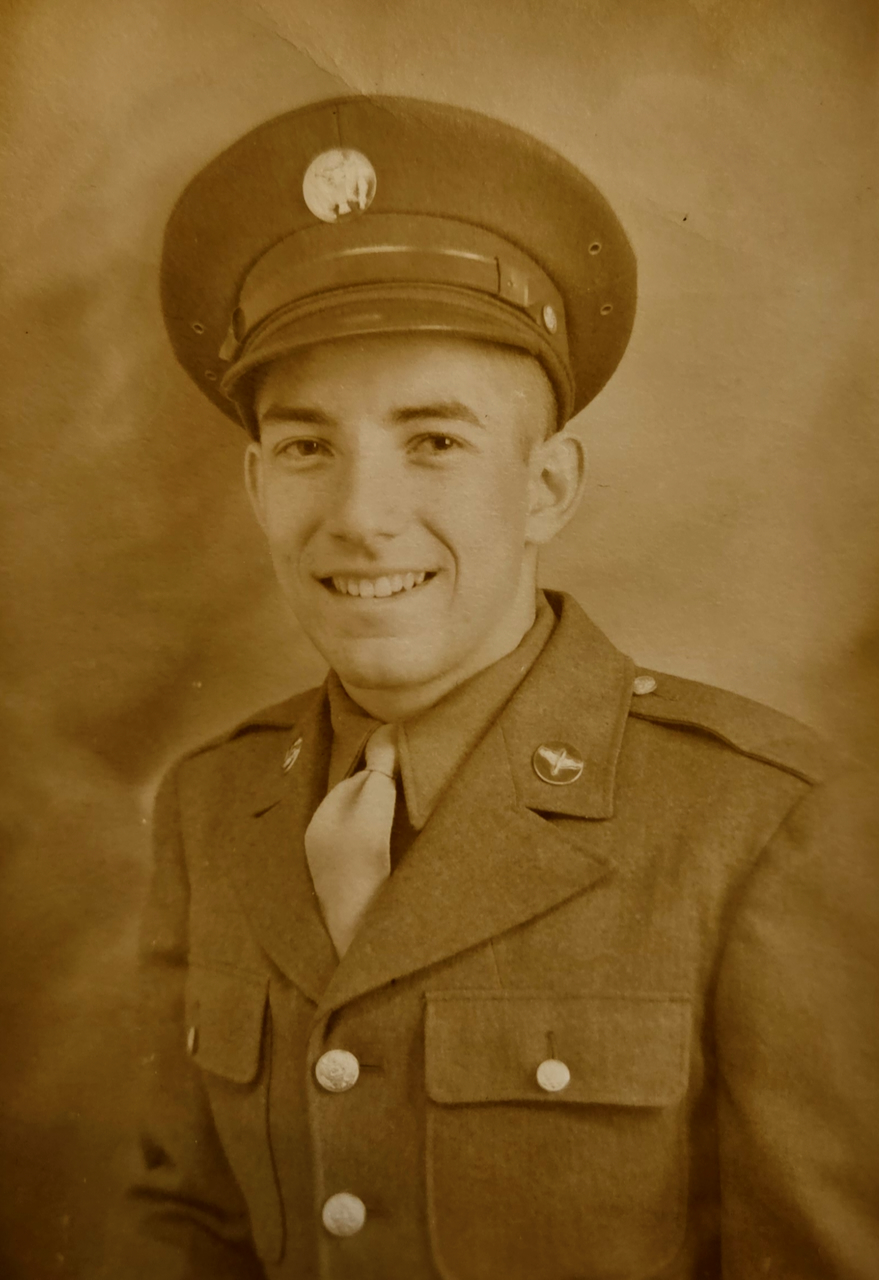
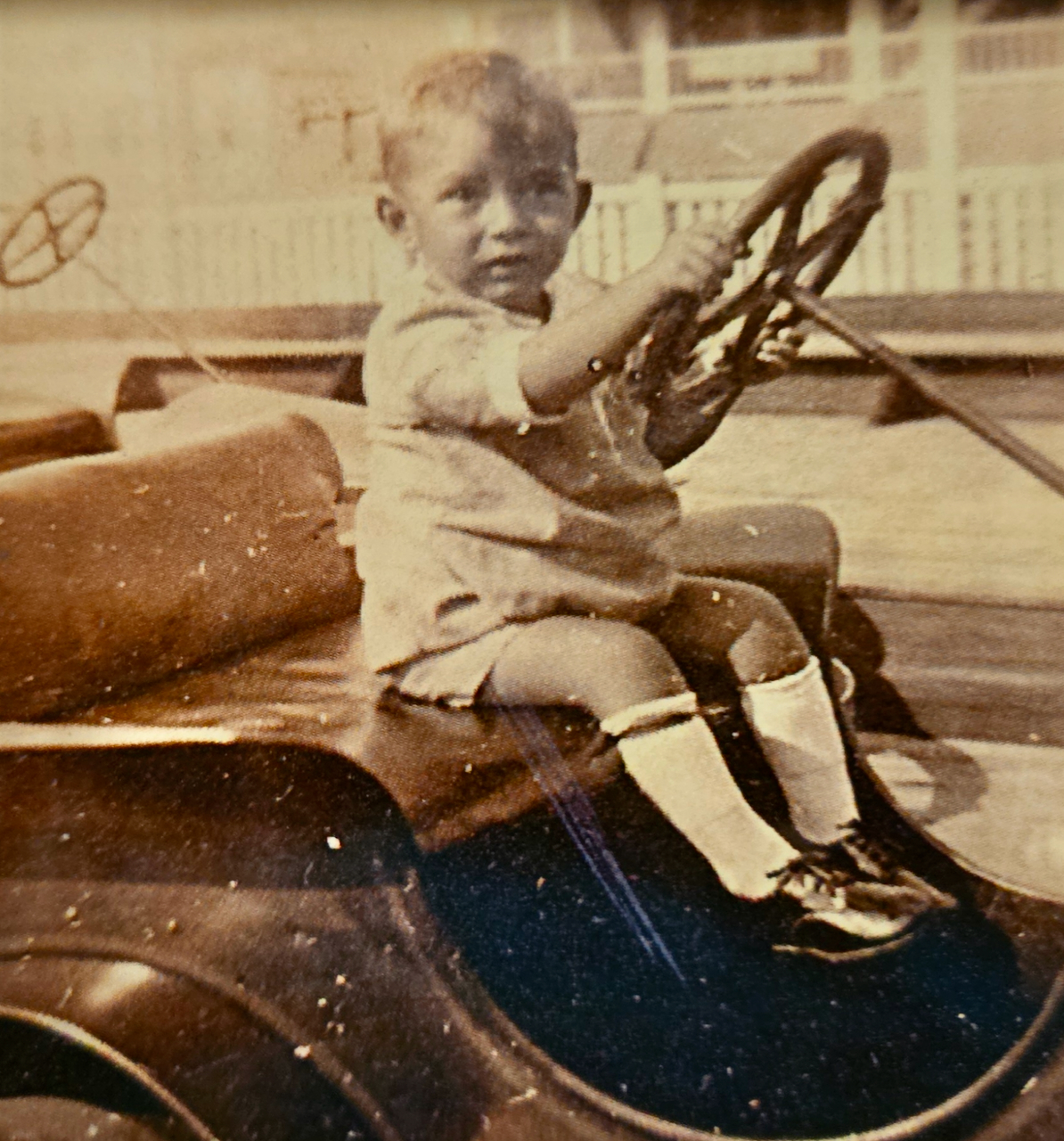
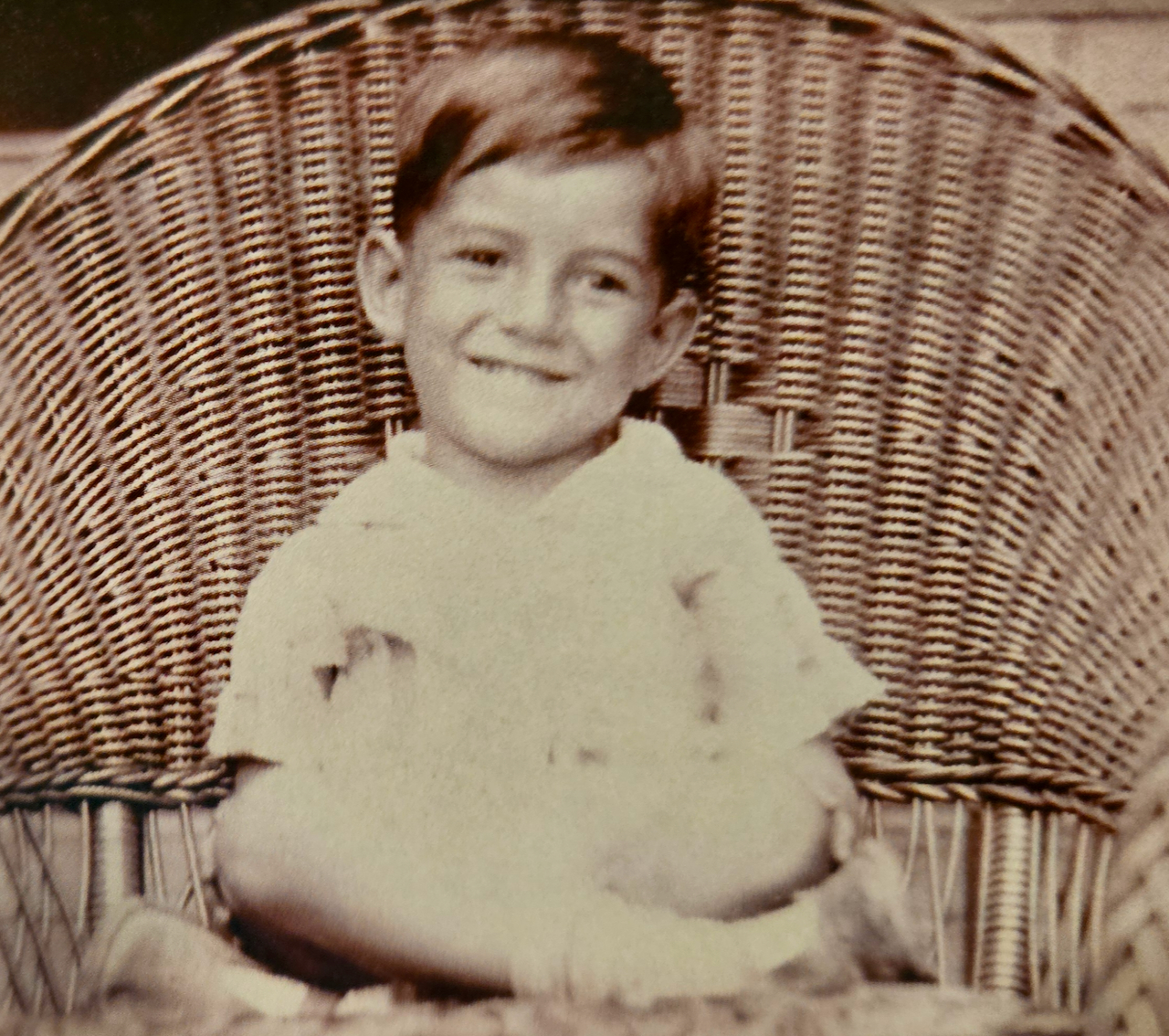
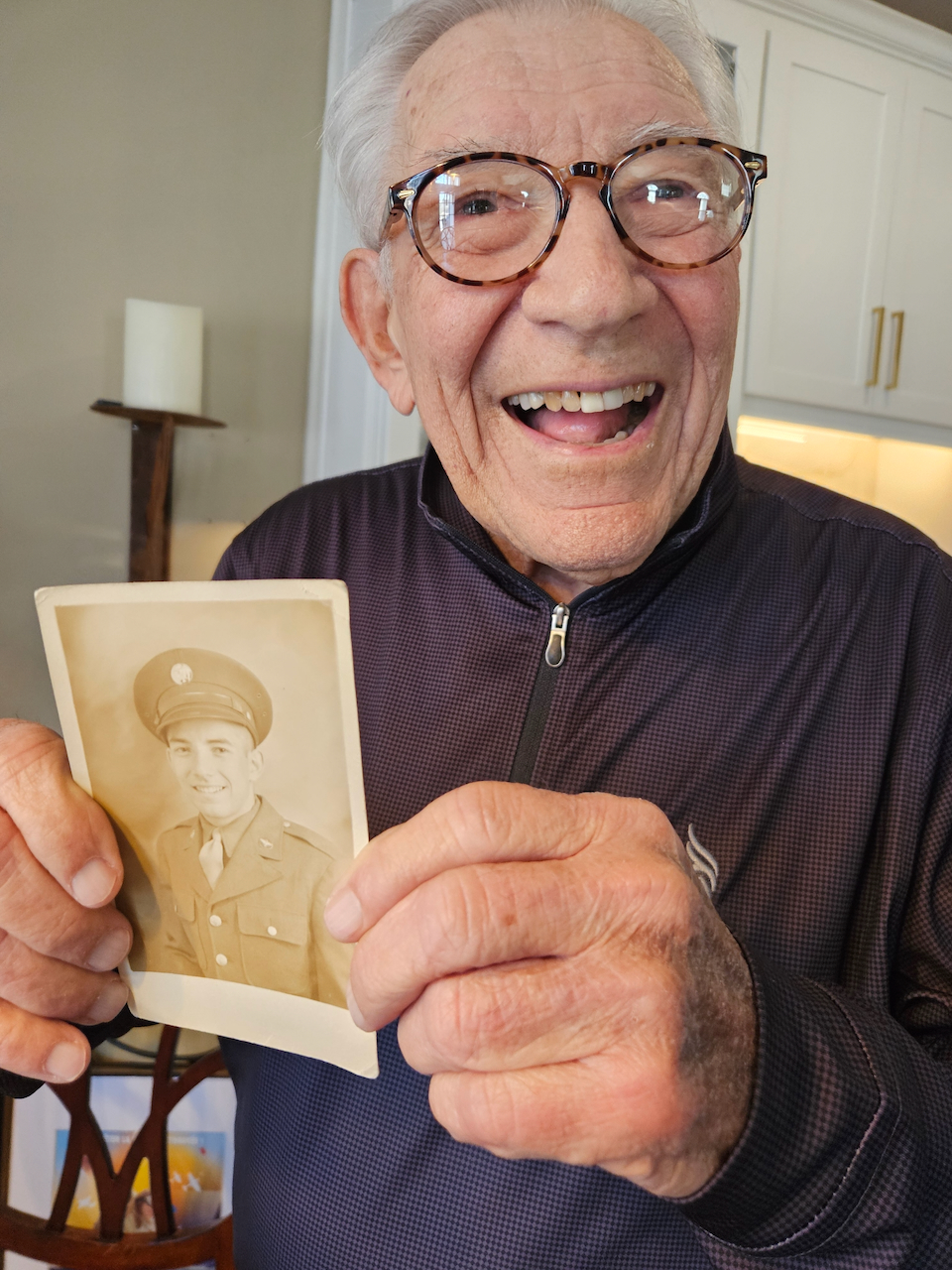
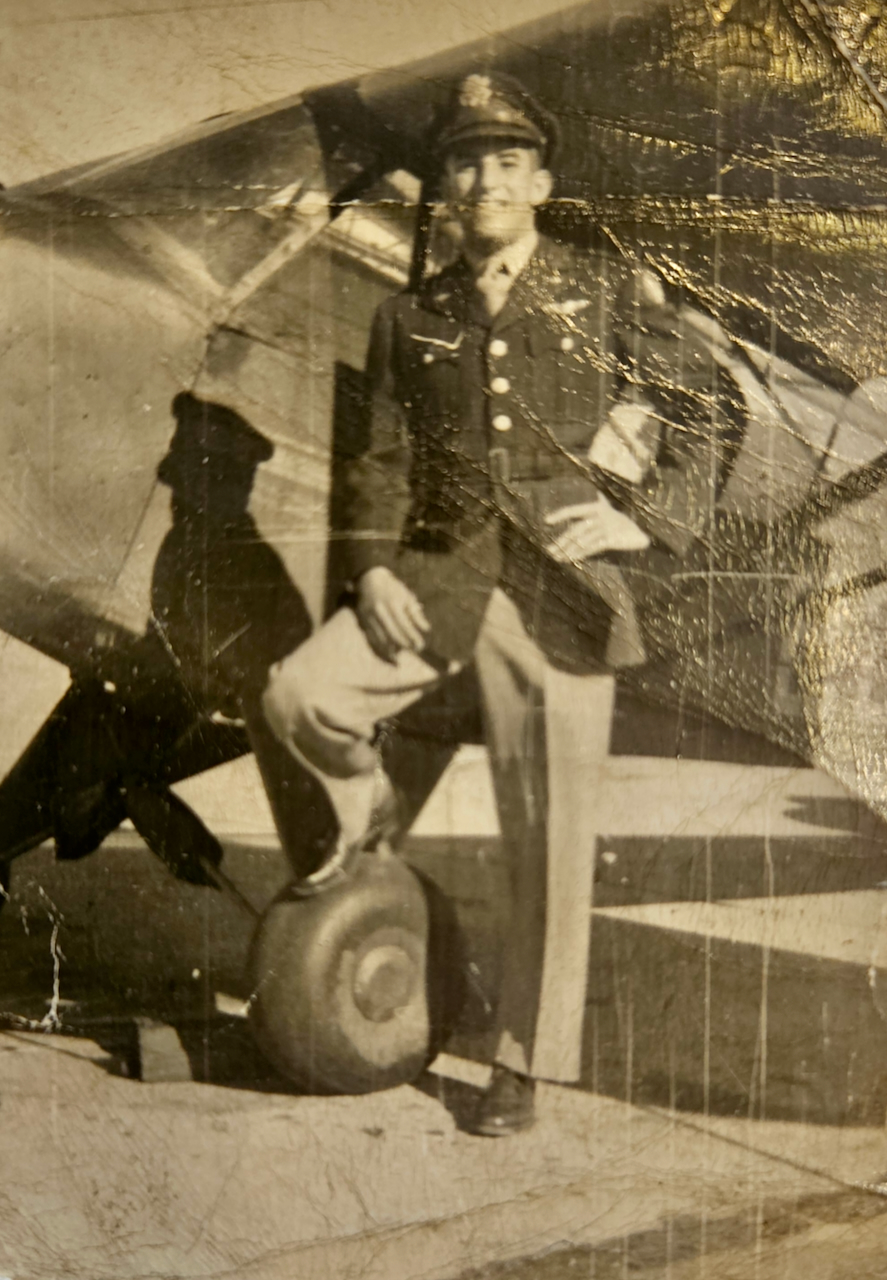
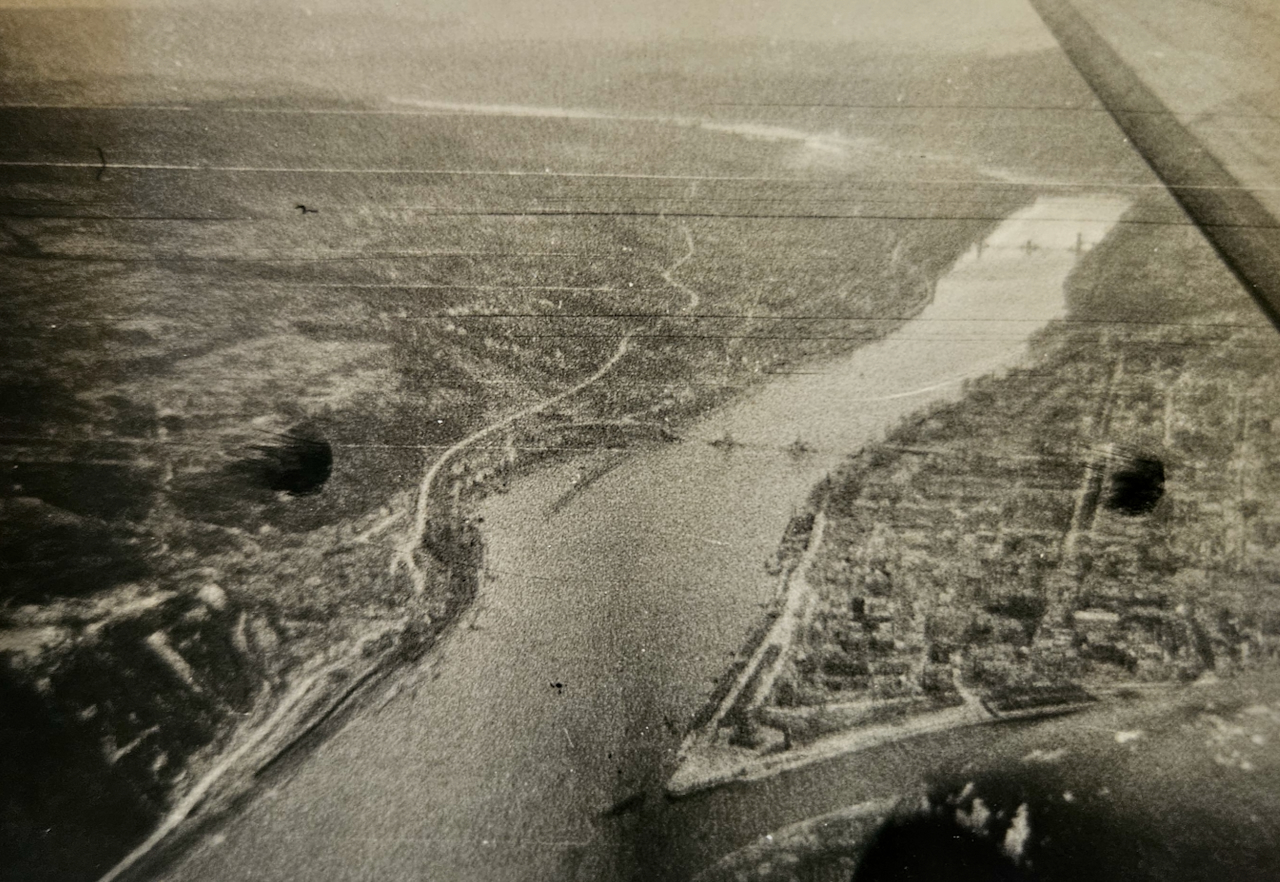
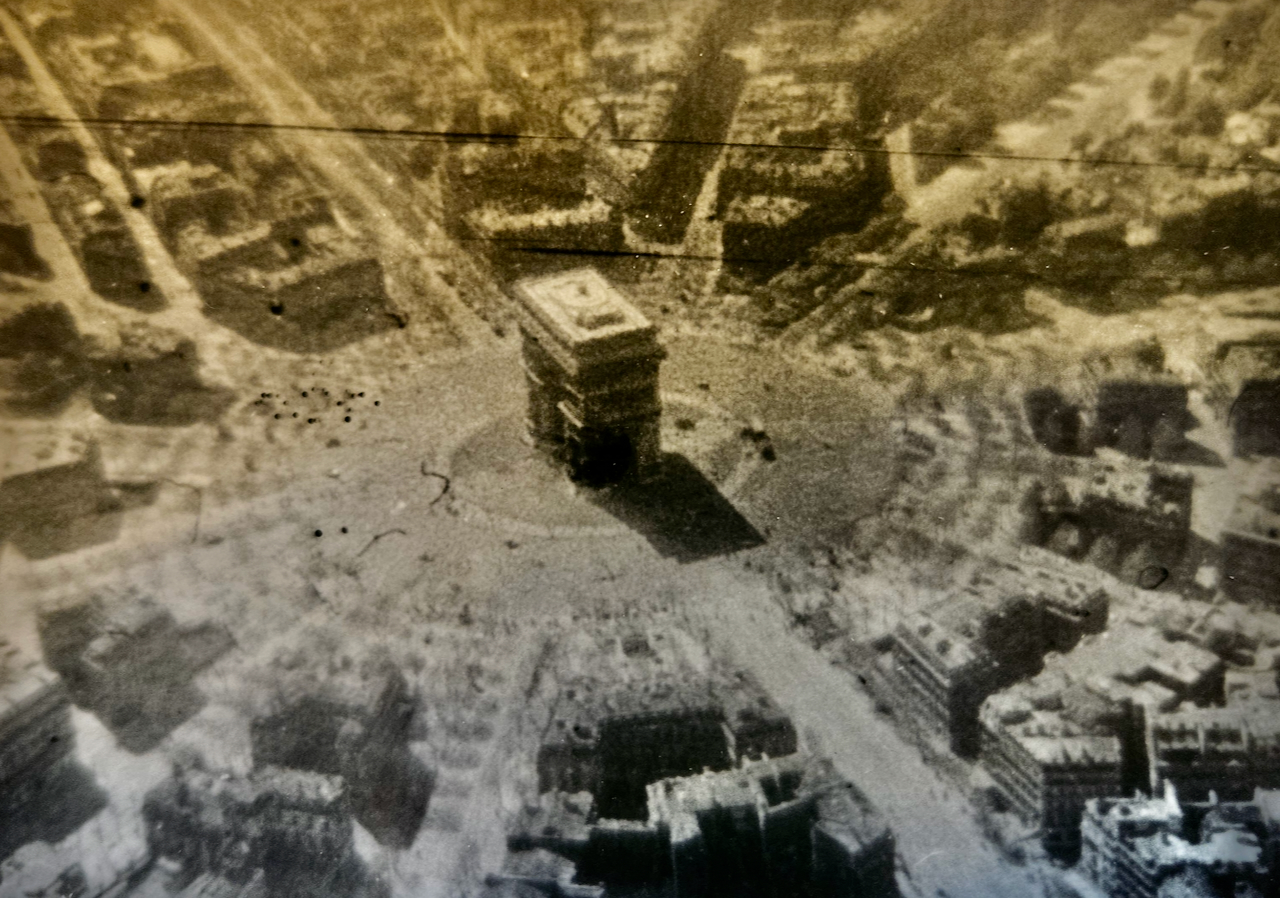
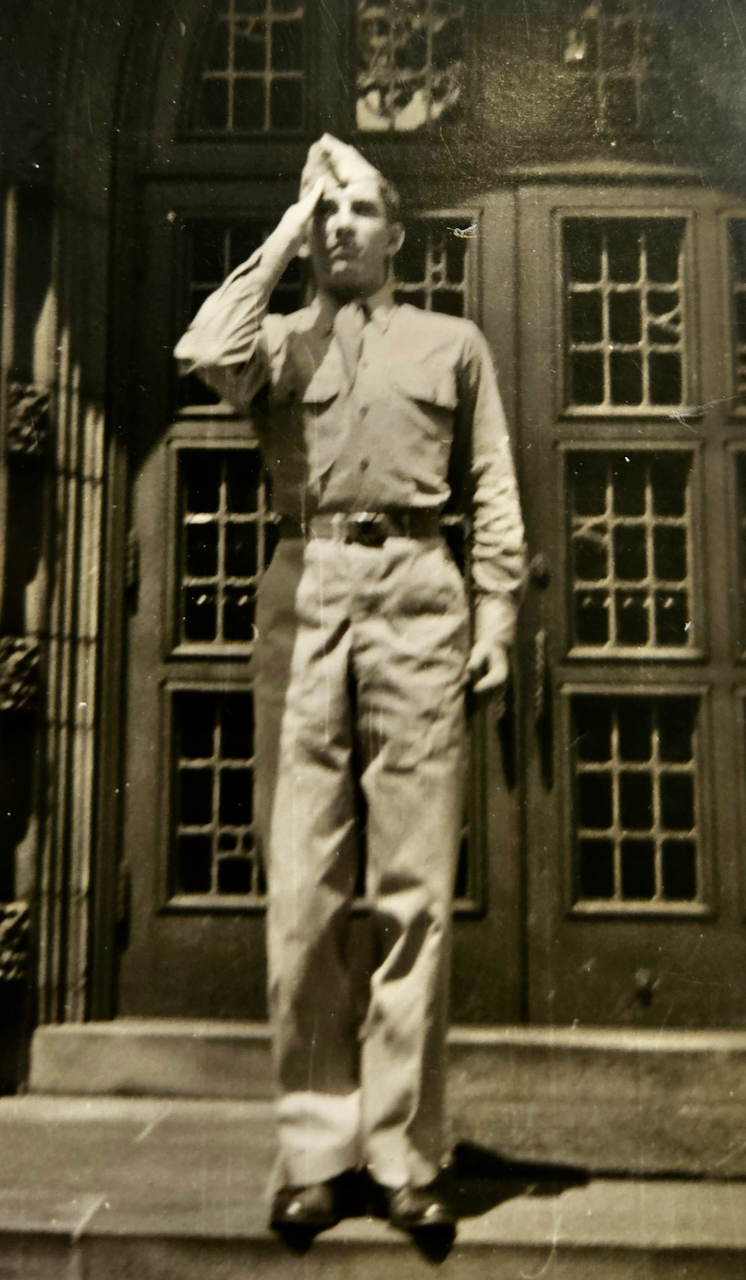
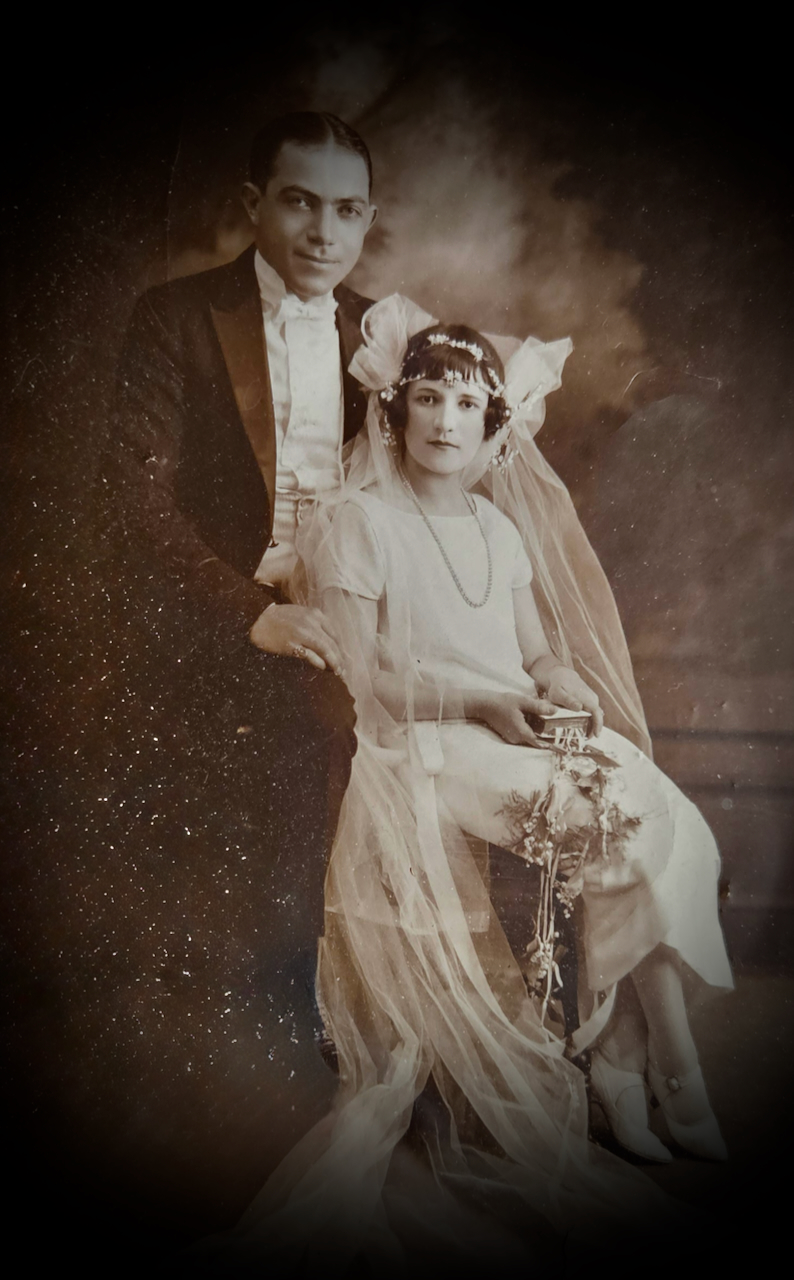
Alan Shapiro was born October 16, 1924 in Philadelphia, where he grew up in the Overbrook neighborhood. Alan recalls that as he grew up he was asthmatic, and he moved into his teen years he developed a keen interest in flying. In fact when he was 17 he went to join the US Army Air Corps, hoping to become an aviation cadet. Alan’s father was a Great War veteran who had served in the U.S. Army Motor Pool on the home front during that conflict. Alan grew up against the backdrop of the Great Depression, doing all the typical things of the time – school, sports, the movies – and he also developed a love for flying and airplanes. December 7, 1941 would become the defining moment for Alan and his generation: the Japanese attack on Pearl Harbor. Alan graduated high school as part of the Class of 1942, and as he did not turn 18 until October, he began attending Lehigh University. Once his 18th birthday came, Alan went right to the recruiting office, and they turned him down at first, though he did get in later with some help from his doctor. Early training took place in Atlantic City, and then the aviation cadets were sent to Geneva College. That was followed by the Classification Center in Nashville, where Alan got what was hoping for – he was selected as a single-engine fighter pilot. Stops in Alabama and Georgia came next, and there Alan finally began his flying lessons – and he was able to solo. With that he earned his wings and was given leave to see his family, ready to move on to whatever the U.S. Army Air Corps had in mind. They told him a “special mission” awaited, and that turned out to be flying gliders. Class 44F was unhappy about this, but they took it on in the hopes of transitioning to fighter squadrons at a later time. With that the men boarded the Queen Mary en route to Scotland; they immediately boarded a train on arrival and found themselves at RAF Cottesmore, now a base for C-47s and gliders. The special mission on the gliders ended up being cancelled, and the men were disappointed to learn that they would not be assigned to fighter squadrons. Alan was reassigned to C-47s and that’s what he flew for the rest of the European war, flying cargo and even POWs back and forth across the Channel. When VE Day came, Alan was sent to Brazil to take part in Operation Green Project, the return of GIs to the home front. That came to an end in the fall of 1945, as the war against Japan ended and the sea lanes opened. Alan’s career in the U.S. Army Air Corps ended too as he was discharged and sent back into civilian life, which in his case included taking advantage of the GI Bill and returning to college. From there he married and started a business and family, all the while finding his way in postwar America. Alan Shapiro was interviewed by Scott Masters at his home outside Philadelphia in March 2026.
Videos
Click next video below to keep watching