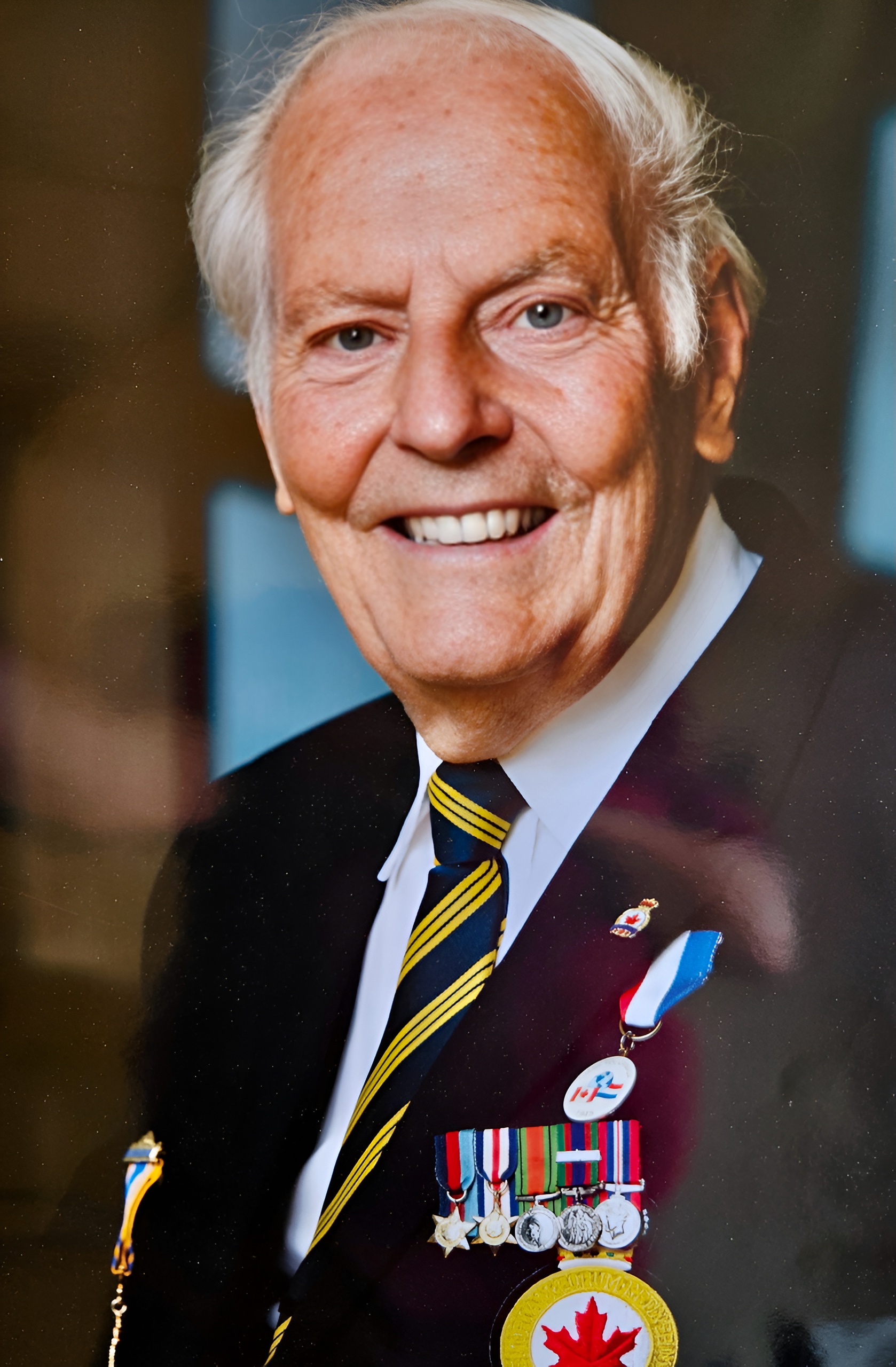
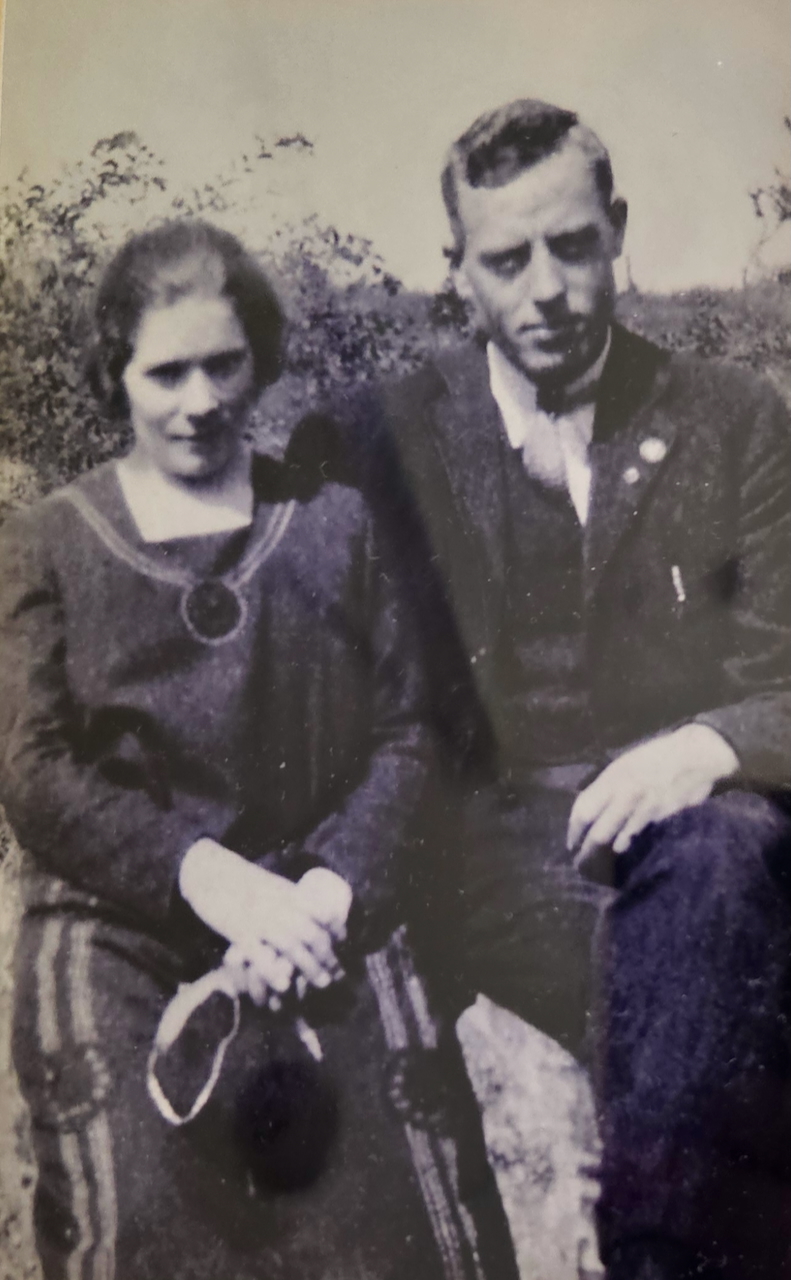
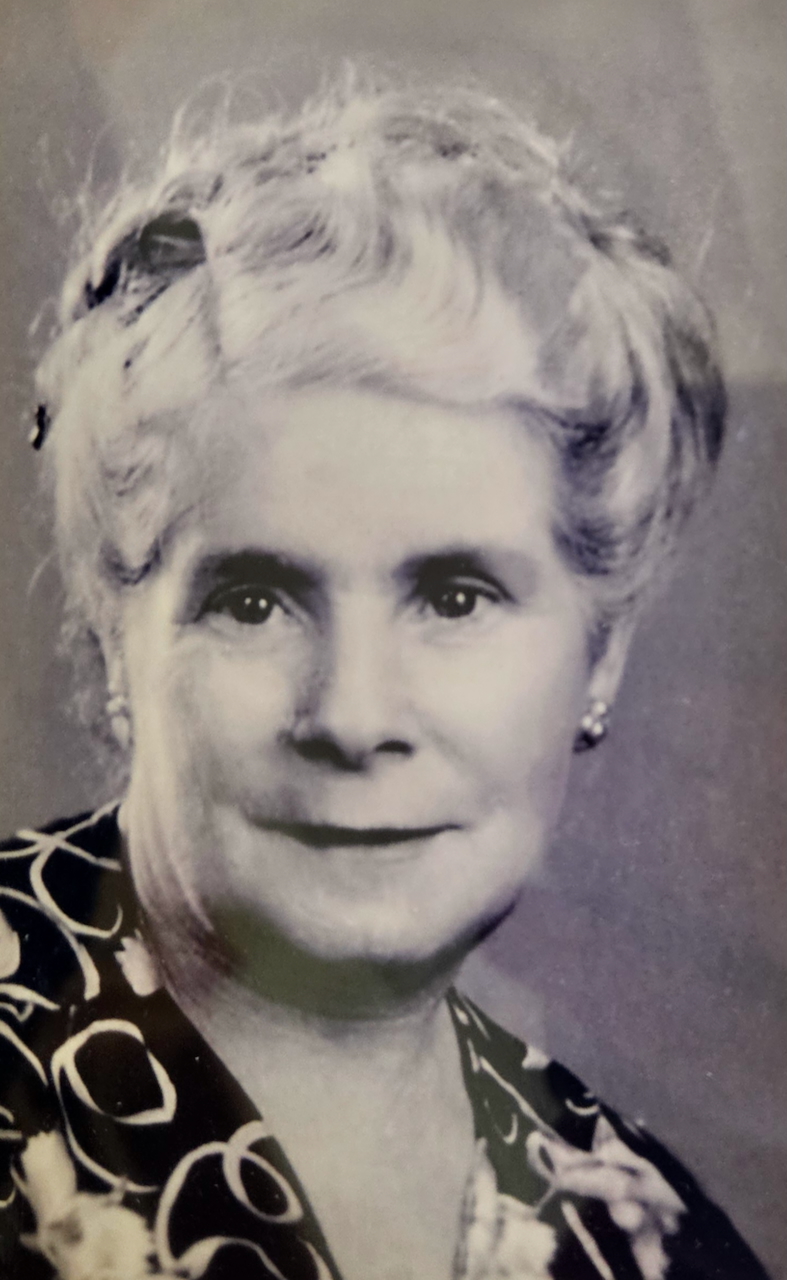
William Talbot was born in Montreal’s General Hospital on December 31, 1922. He grew up in the Verdun neighbourhood, attending school until Grade 10 and following the Montreal Maroons – and later the Canadiens. His father was a railroad locomotive engineer, so the family got through the Great depression well enough. William’s older brother joined up soon after the war came, enlisting in the 2nd Heavy Antiaircraft Regiment. William volunteered when he was 18 too, and though he had dreams of joining an RCAF aircrew, his eyesight kept him grounded, and he became an RCAF ground crew mechanic. His first round of training was in Quebec at a joint military-civilian school, and from there he entered the British Commonwealth Air Training Plan (BCATP), with stops in Lachine, St. Thomas and Trenton. He was sent to the east coast and rerouted to the U.S., where a few days were spent at Camp Myles Standish en route to New York and the troop ship Queen Elizabeth. Once in Britain, William was sent to Bournemouth and then Top Cliff before going to a conversion unit. He was then posted to 434 Squadron, where he worked on Halifax bombers. When the invasion happened and volunteers were needed for service in France, William raised his hand, and he was selected to report to 409 Squadron in France, where he worked on Mosquito aircraft. He was initially stationed near Lille, but as the front advanced so did William and the squadron, as the Mosquitos were flying tactical missions in support of the ground forces. The war ended for William in the Netherlands; asked if he wanted to volunteer for the war in the Pacific he said “no”. He returned to Canada in the summer of 1945 and was demobilized, and William took work in the growing airline industry; he also met and married Bernice, and together they raised a family and found their way in postwar Canada. William Talbot was interviewed by Scott Masters at his home in Ste-Anne-de- Bellevue, Quebec in October 2025.
Videos
Click next video below to keep watching