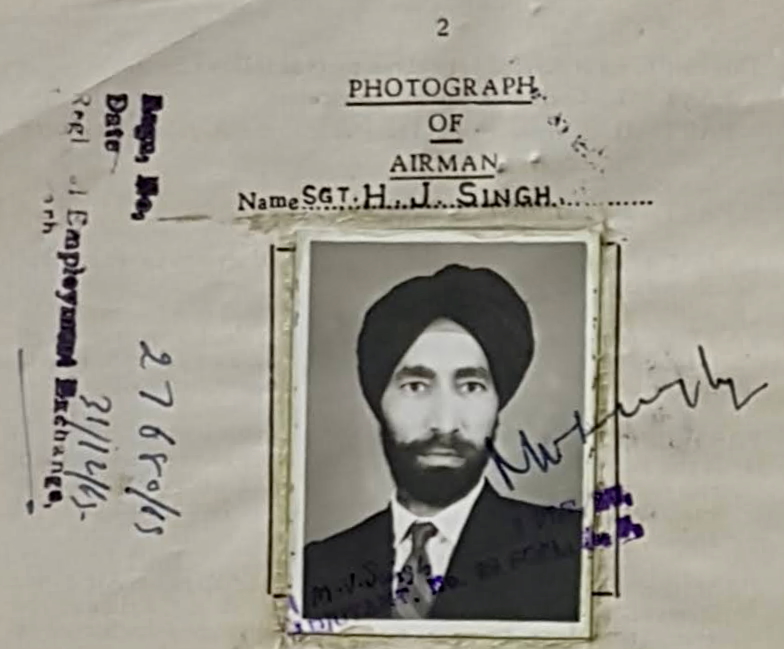
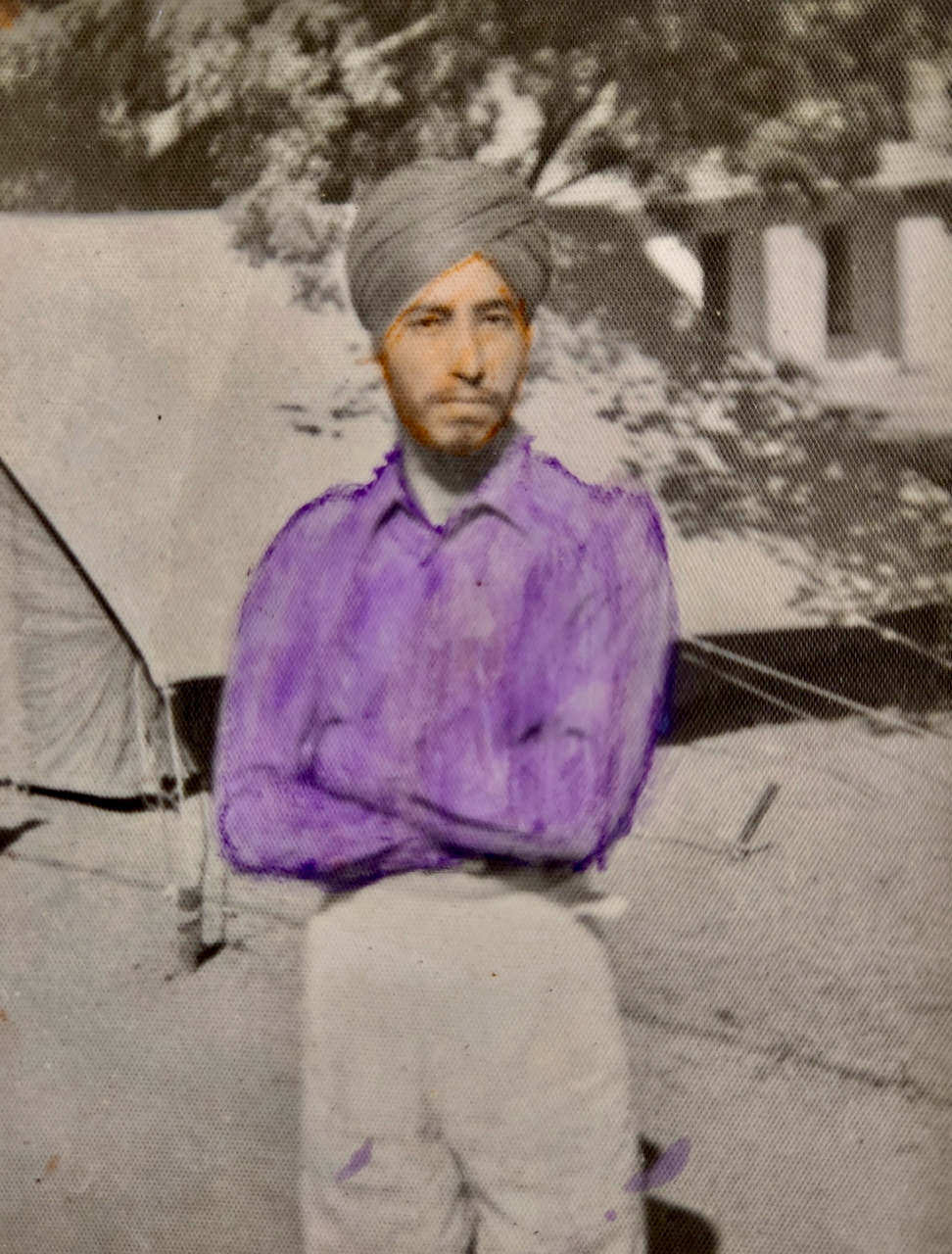
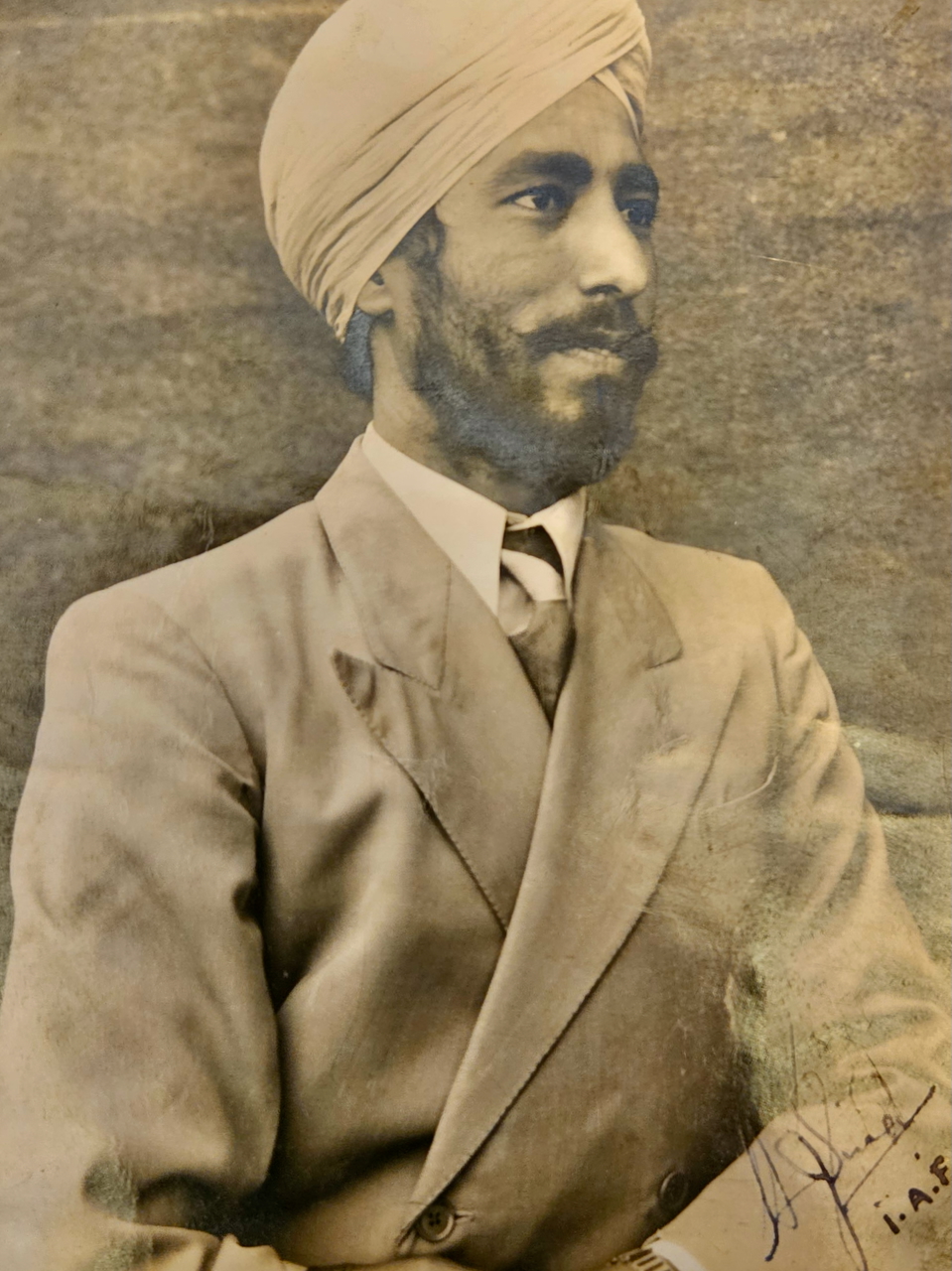
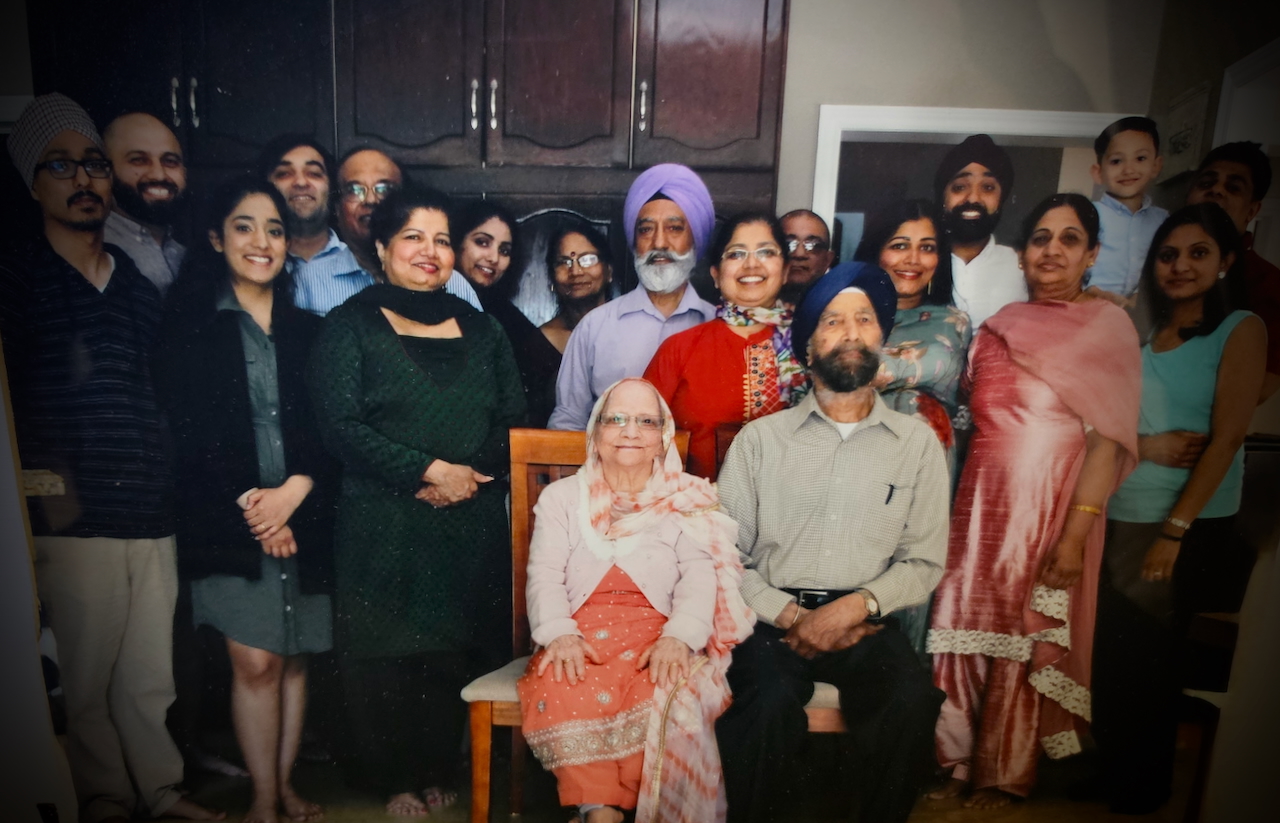
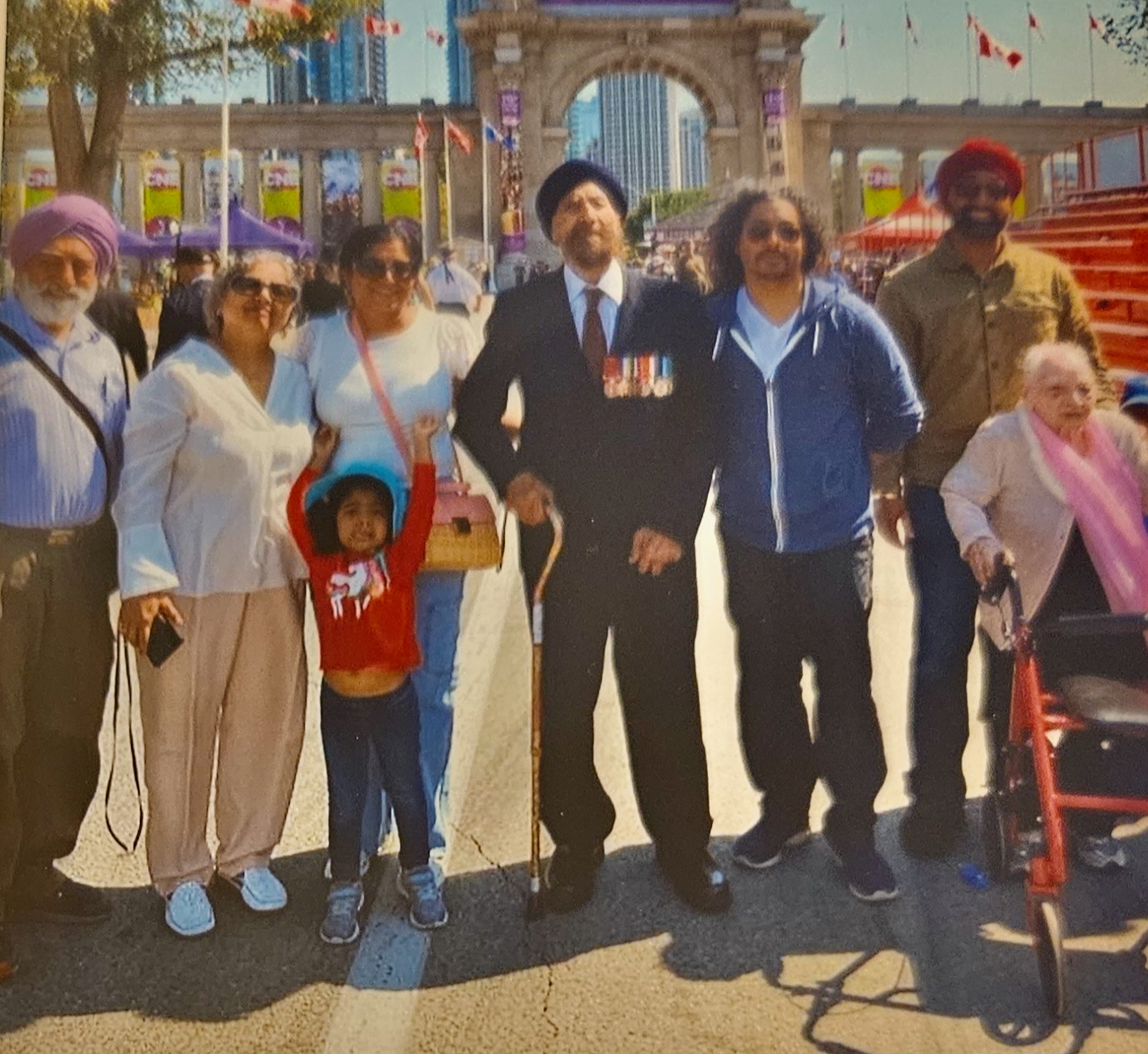
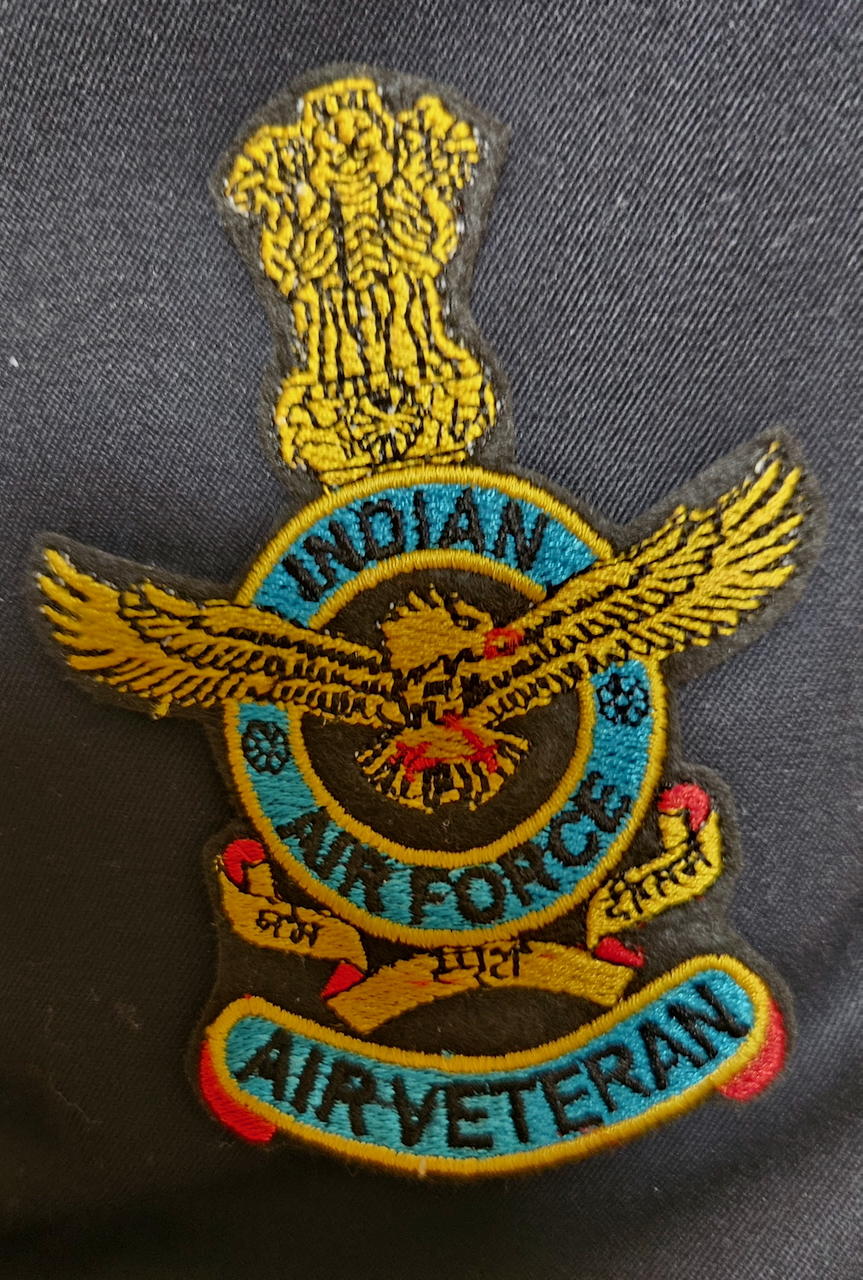
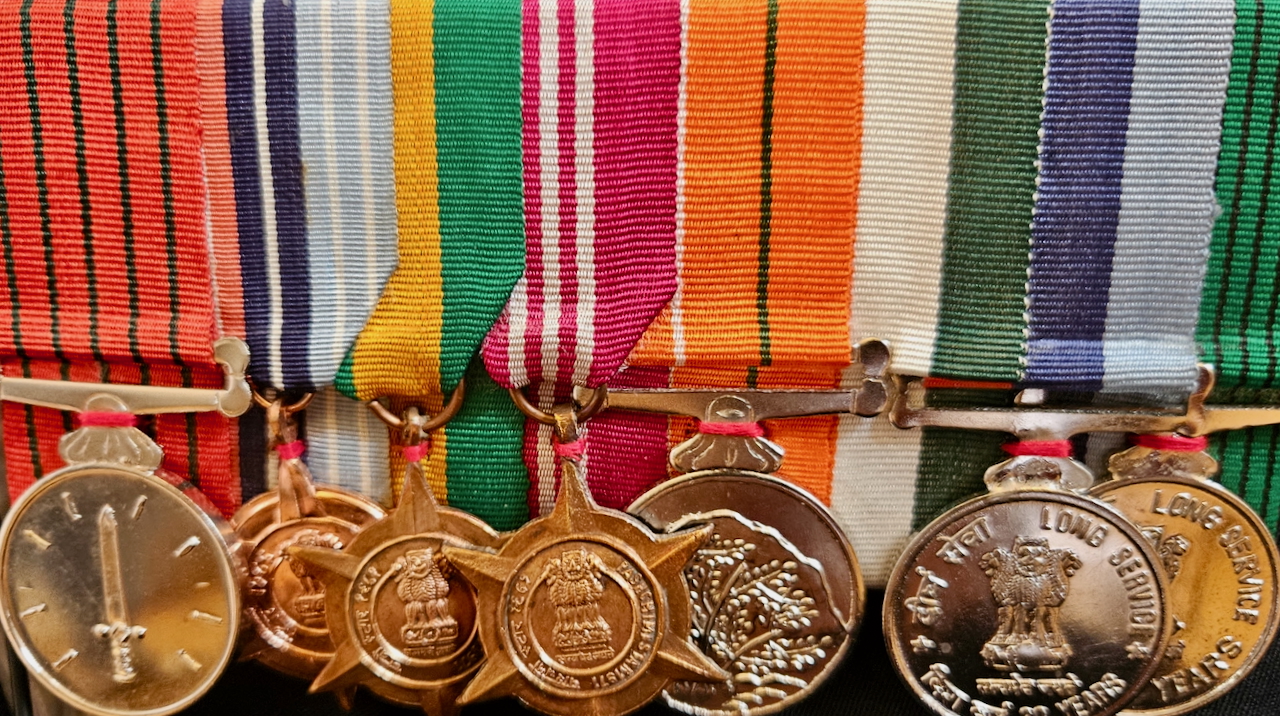
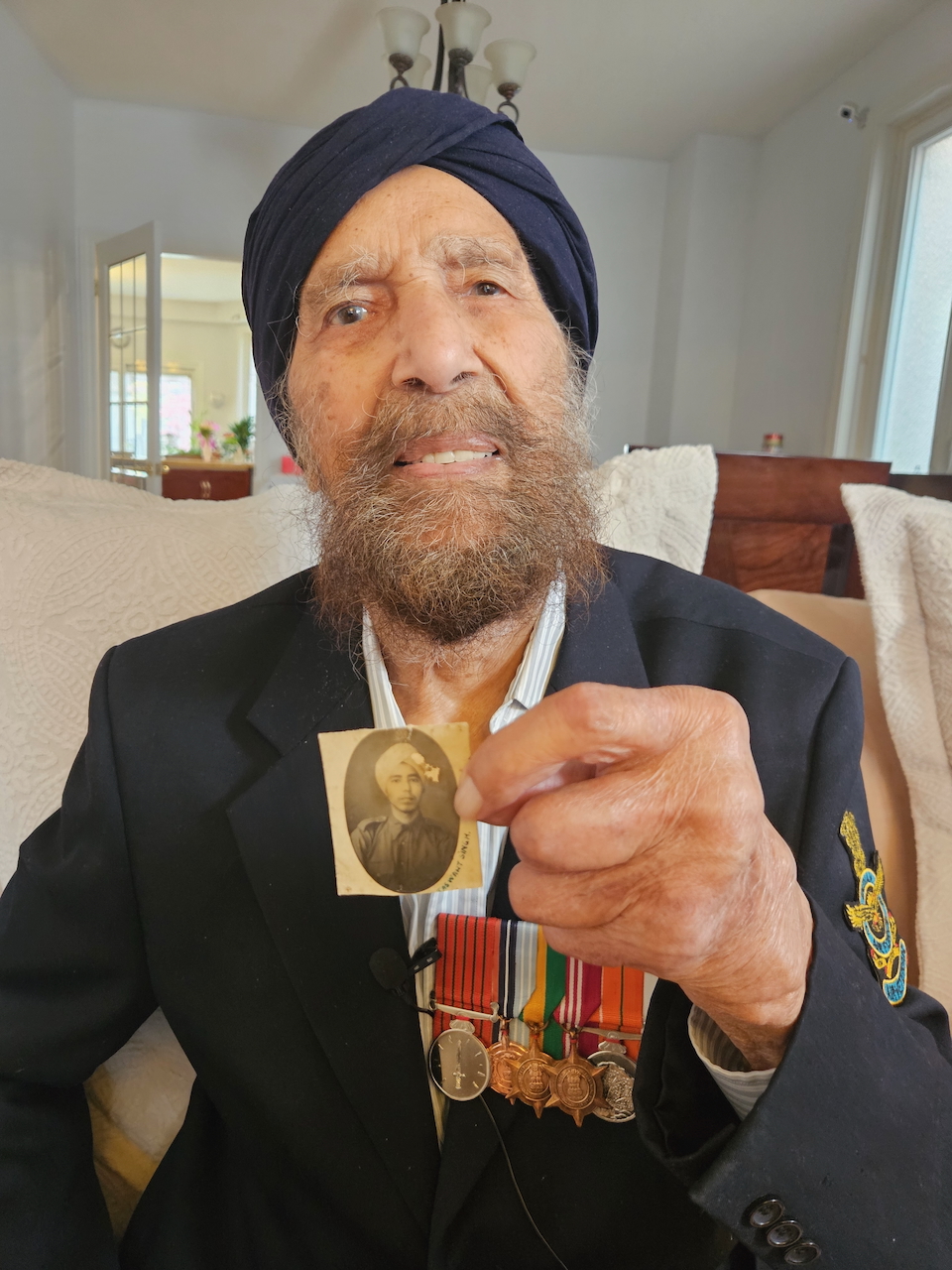
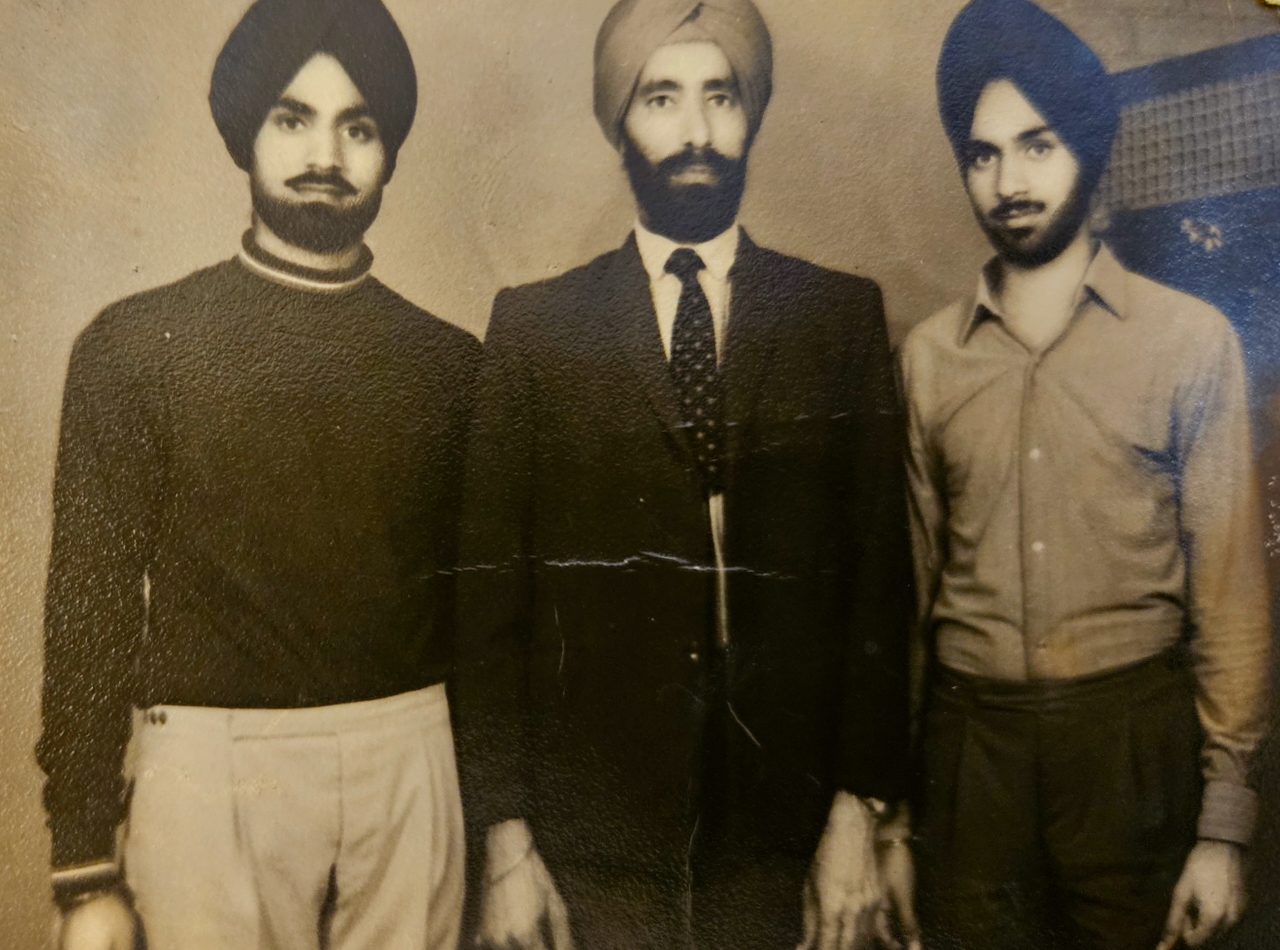
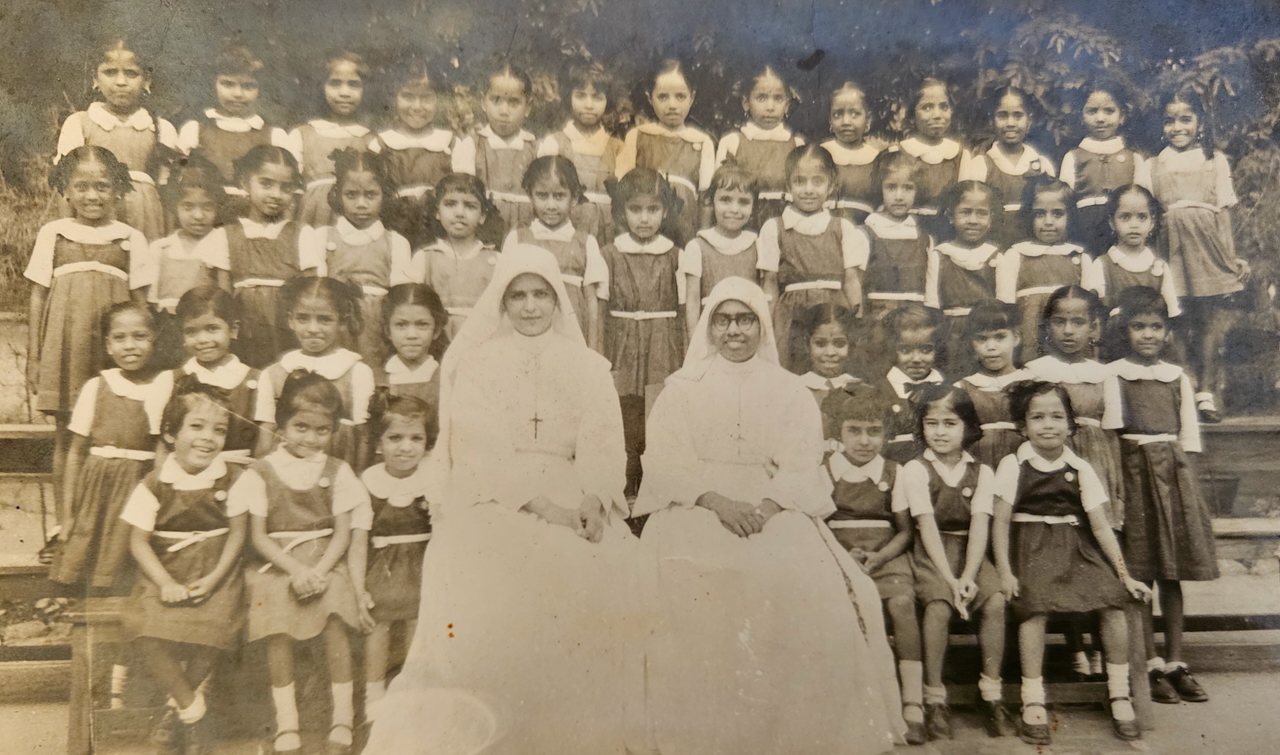
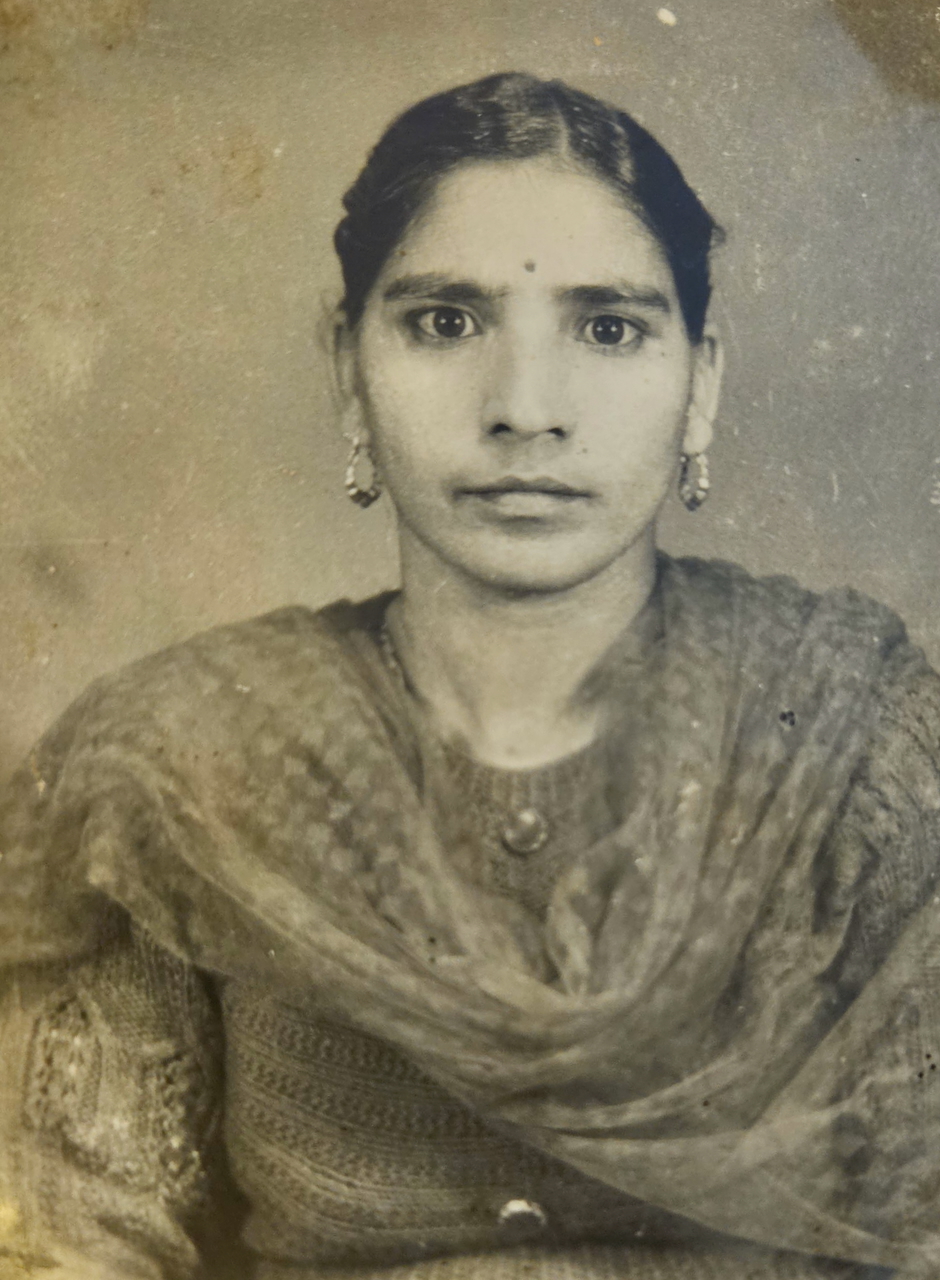
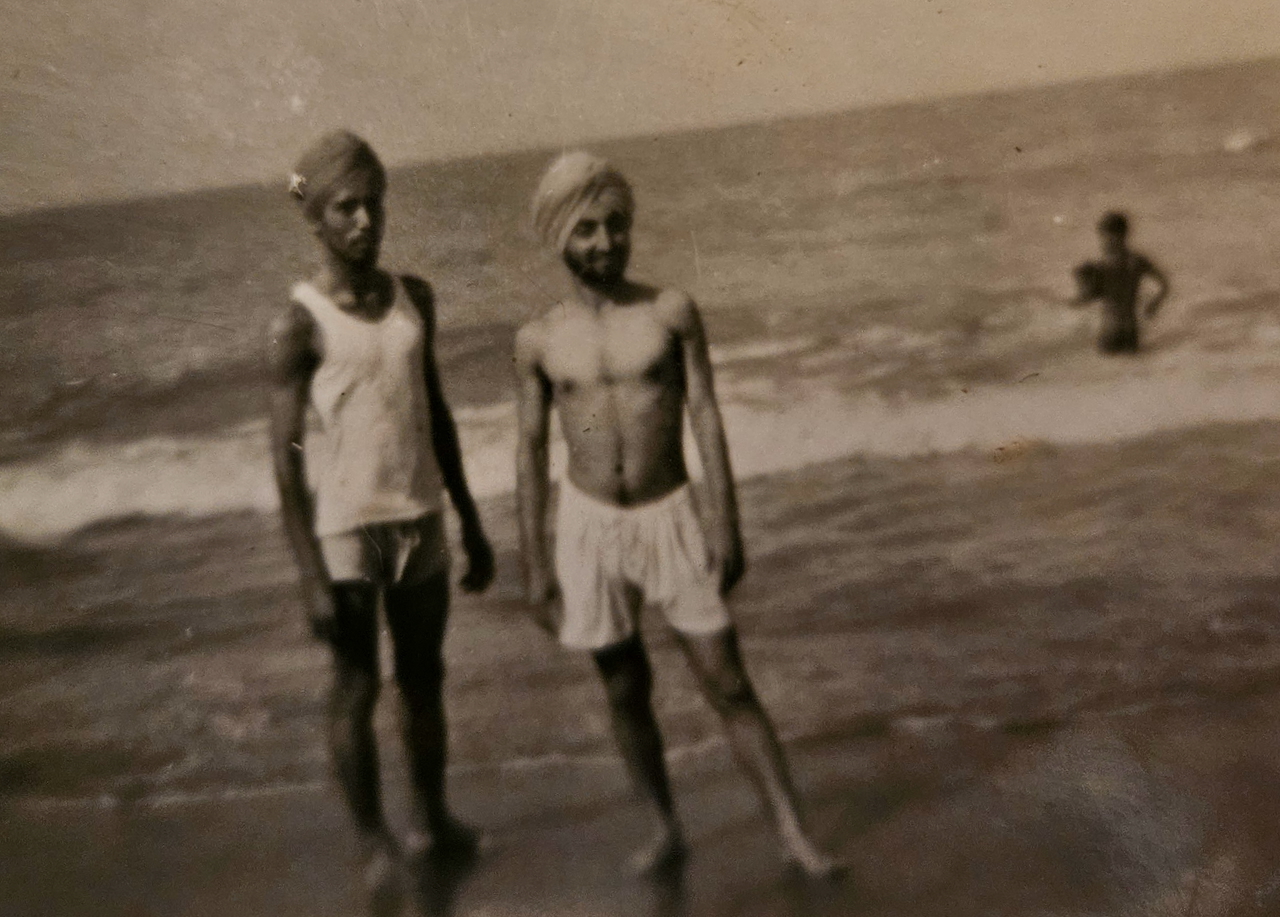
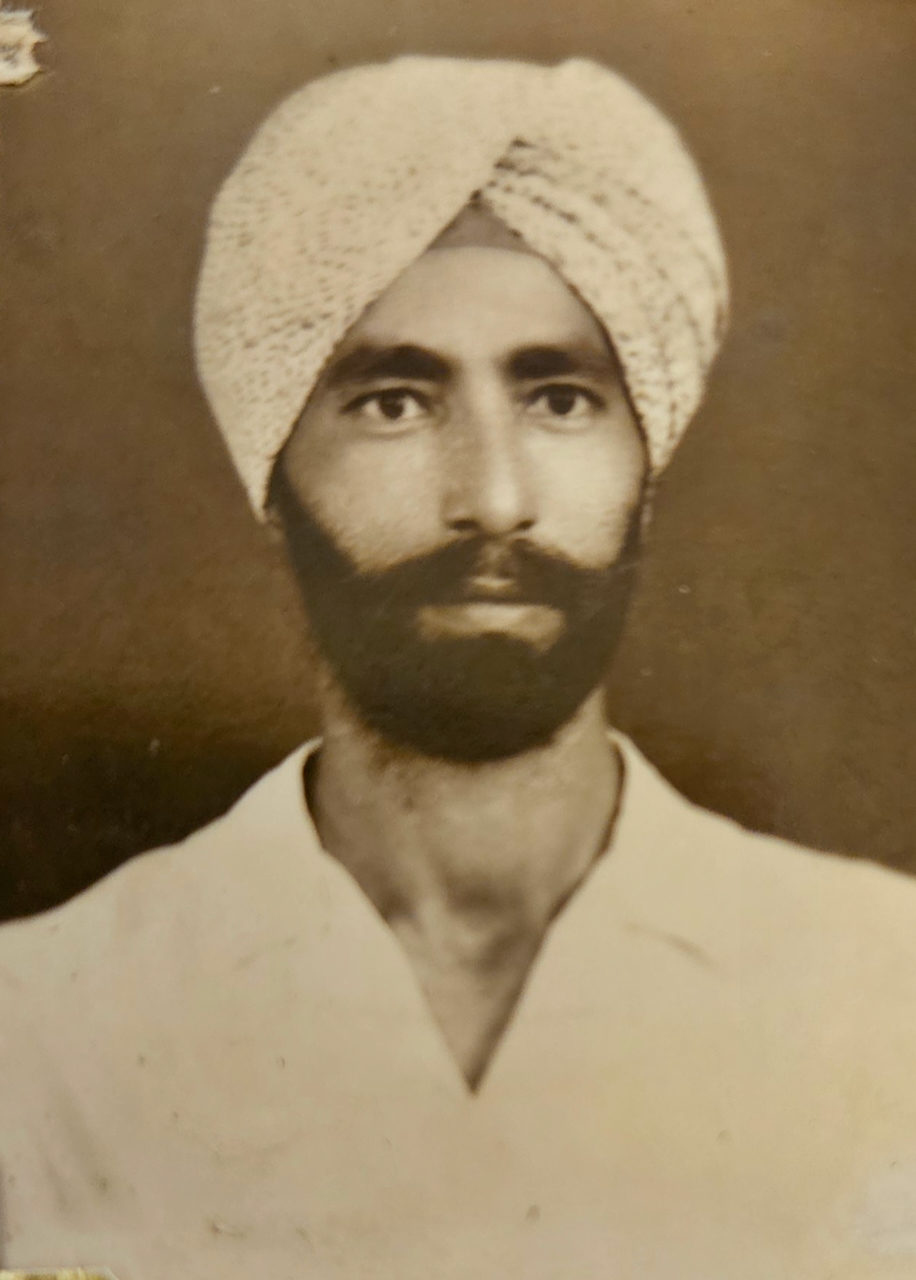
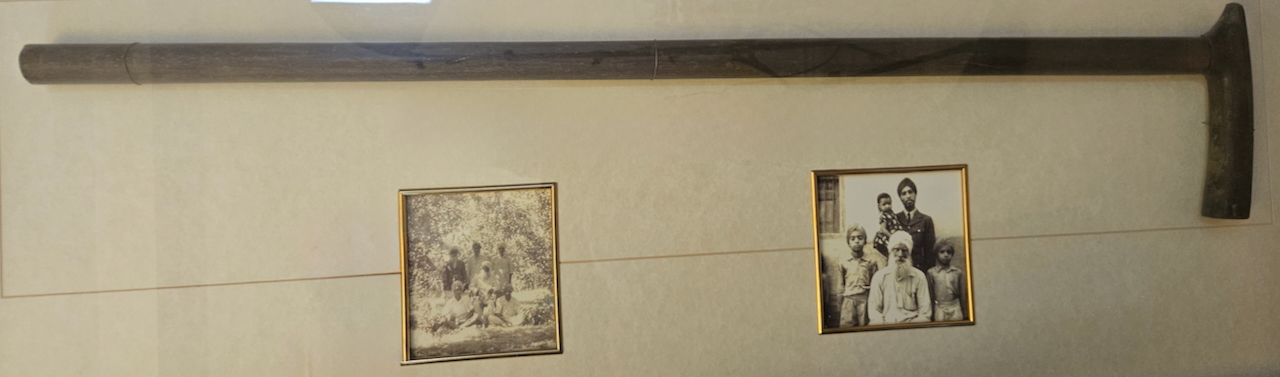
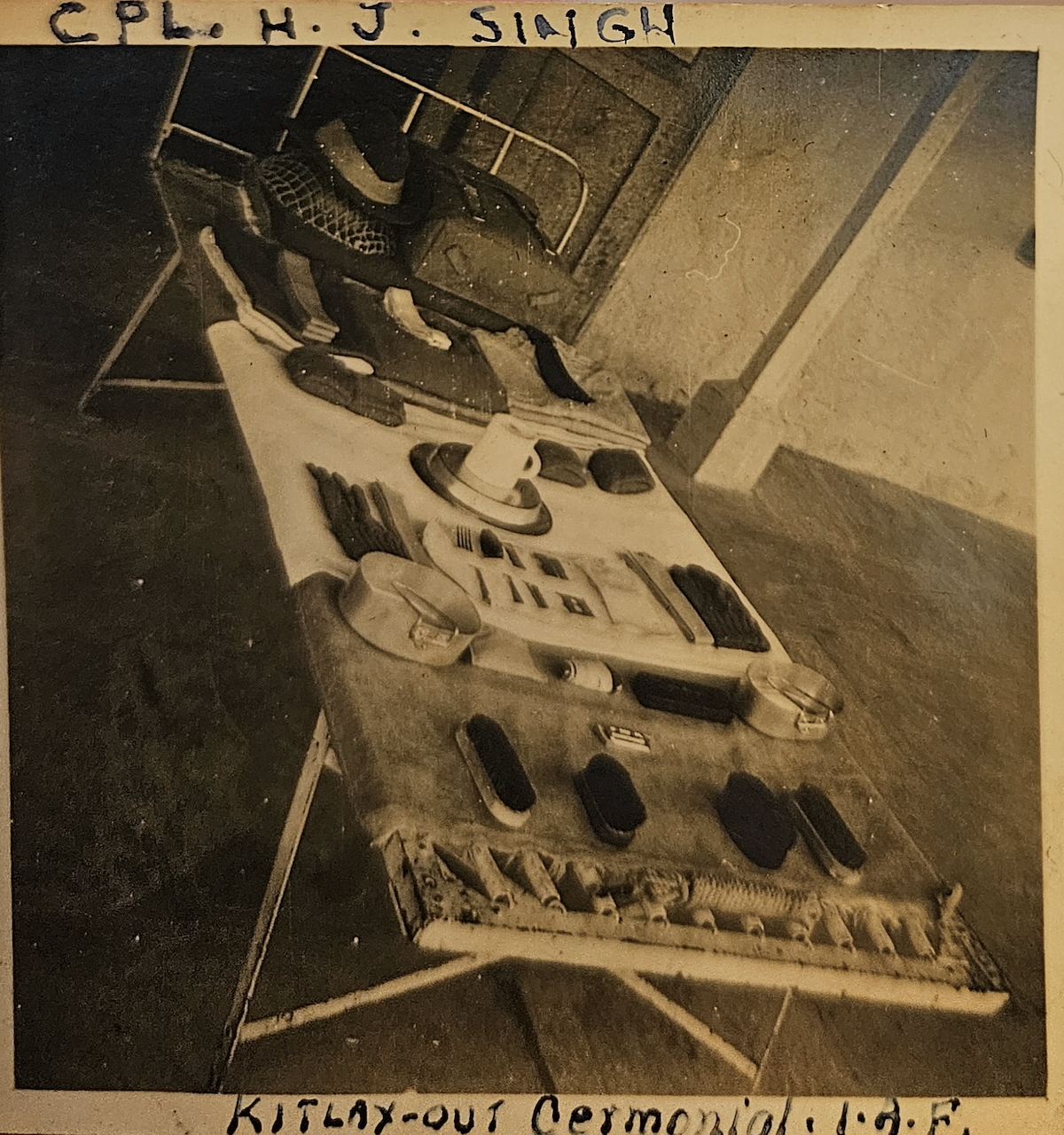
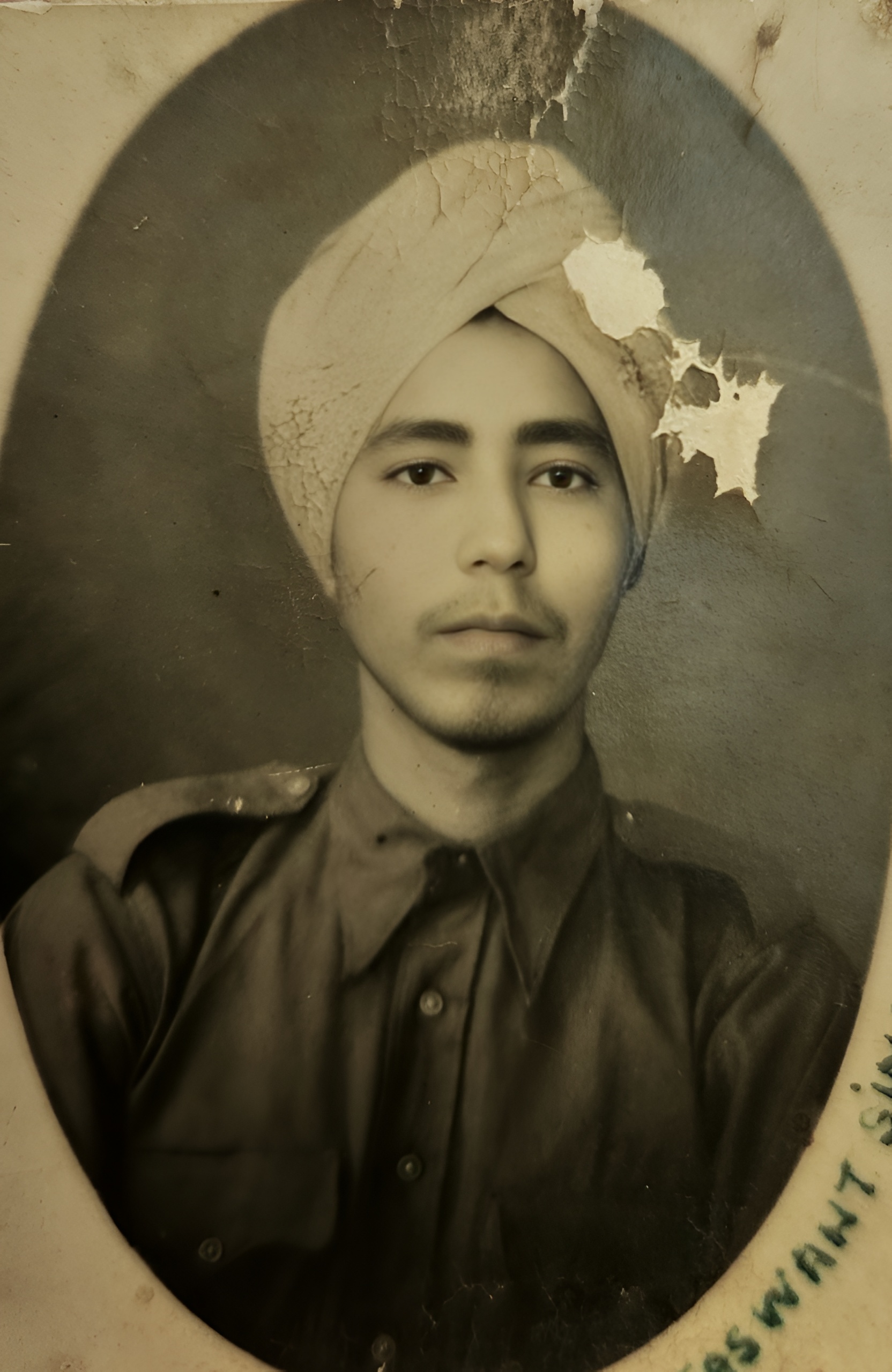
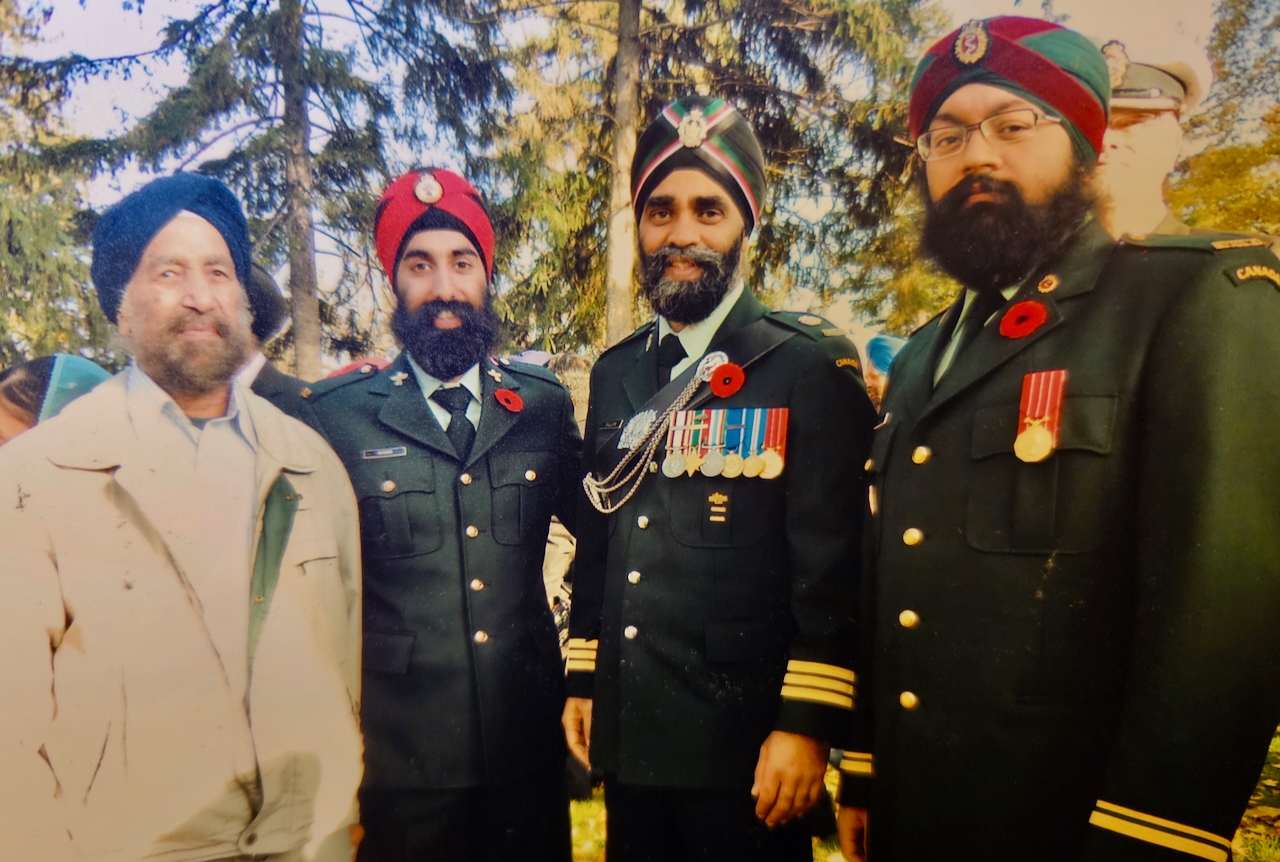
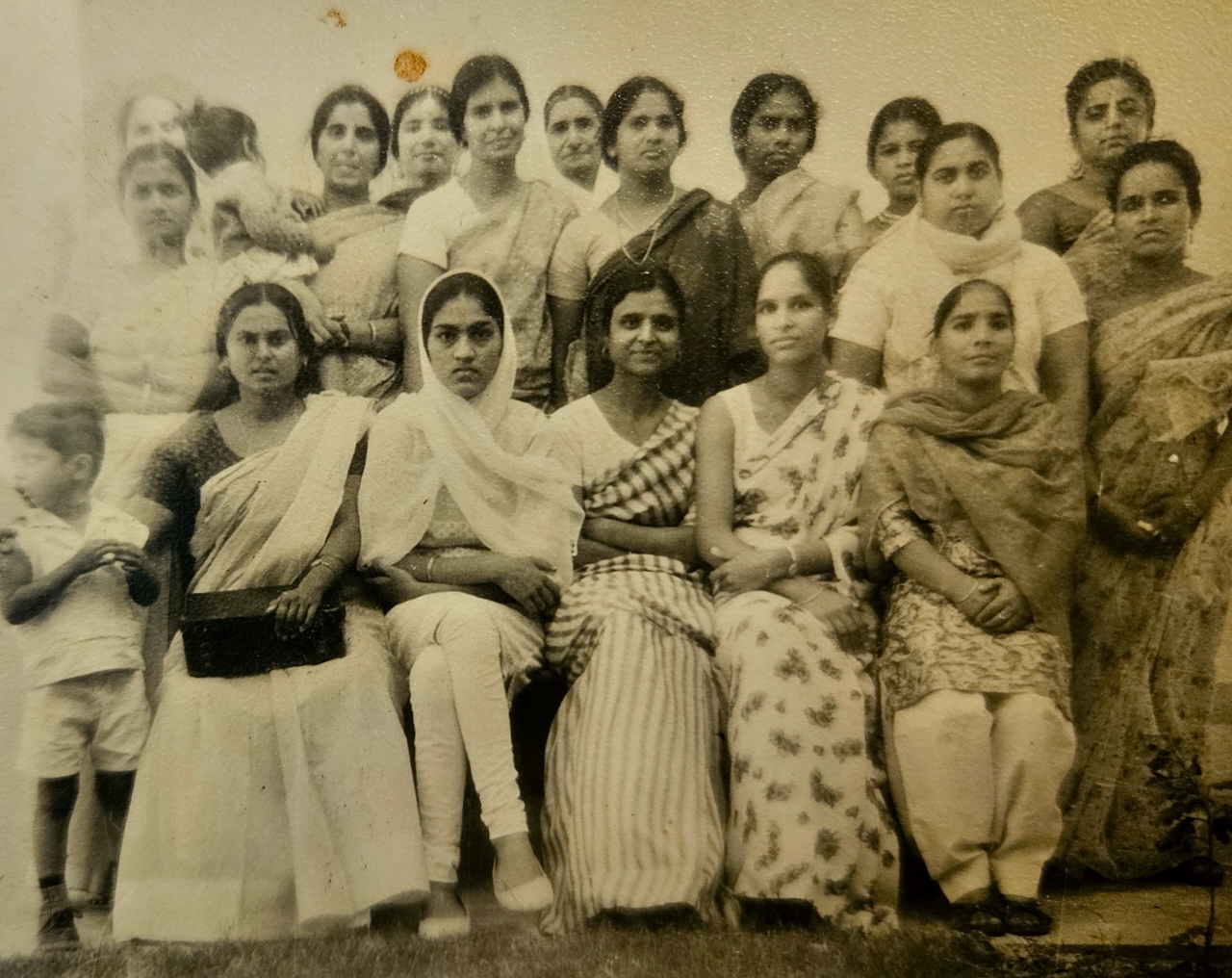
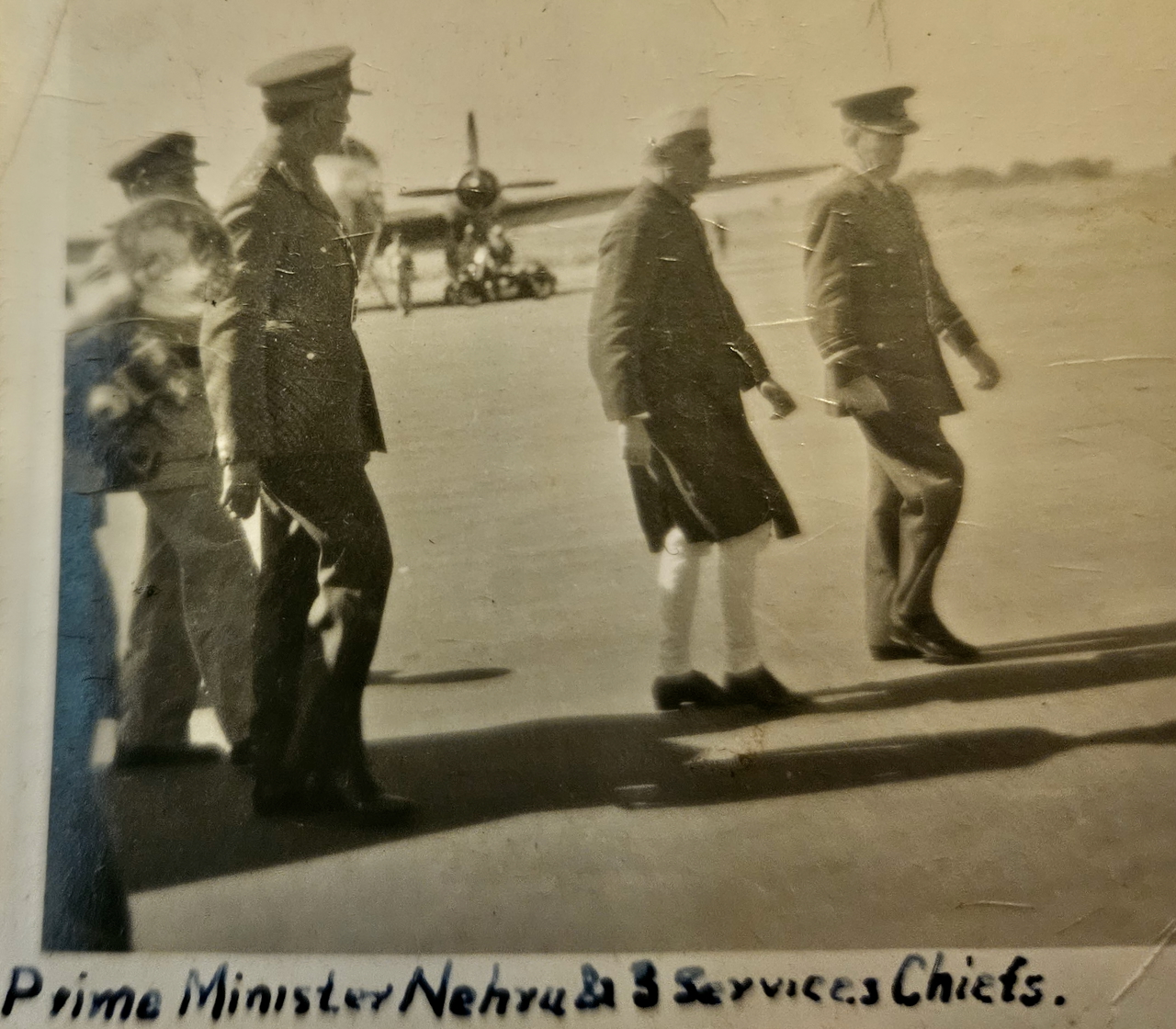
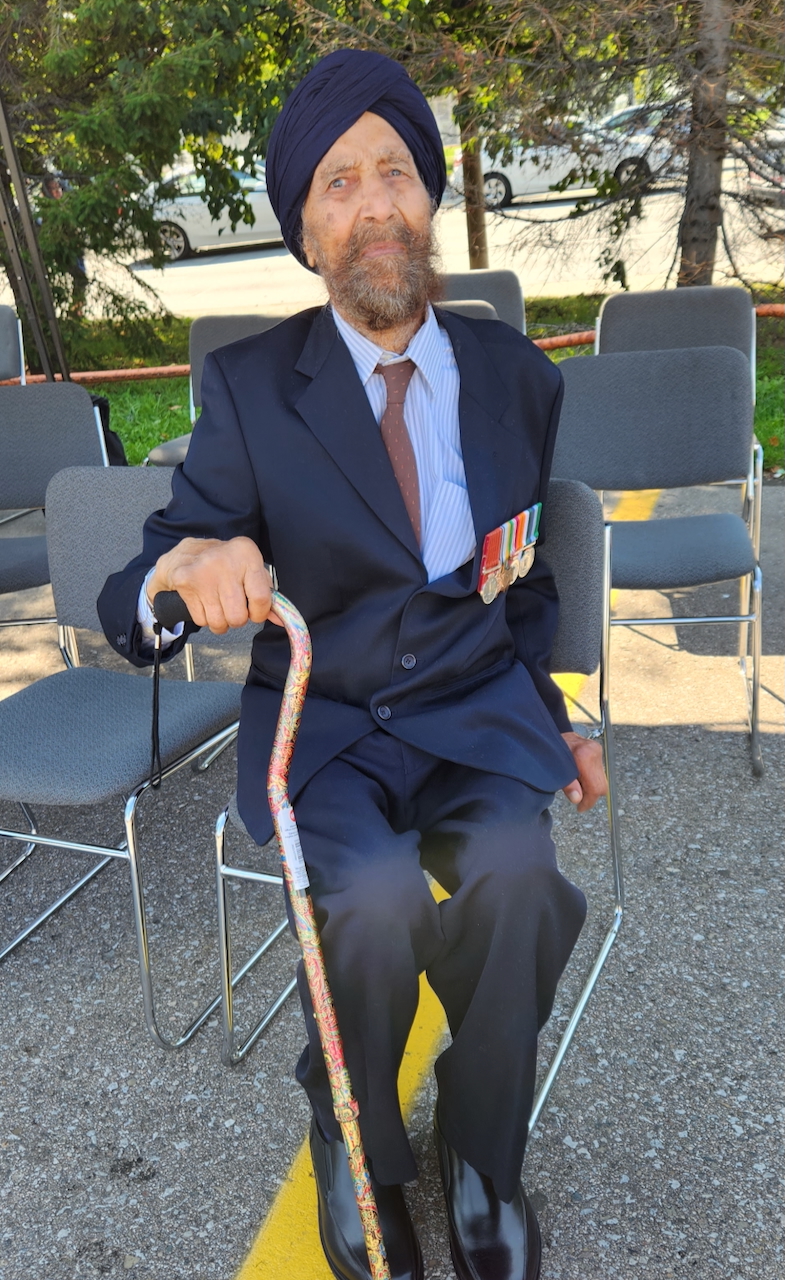
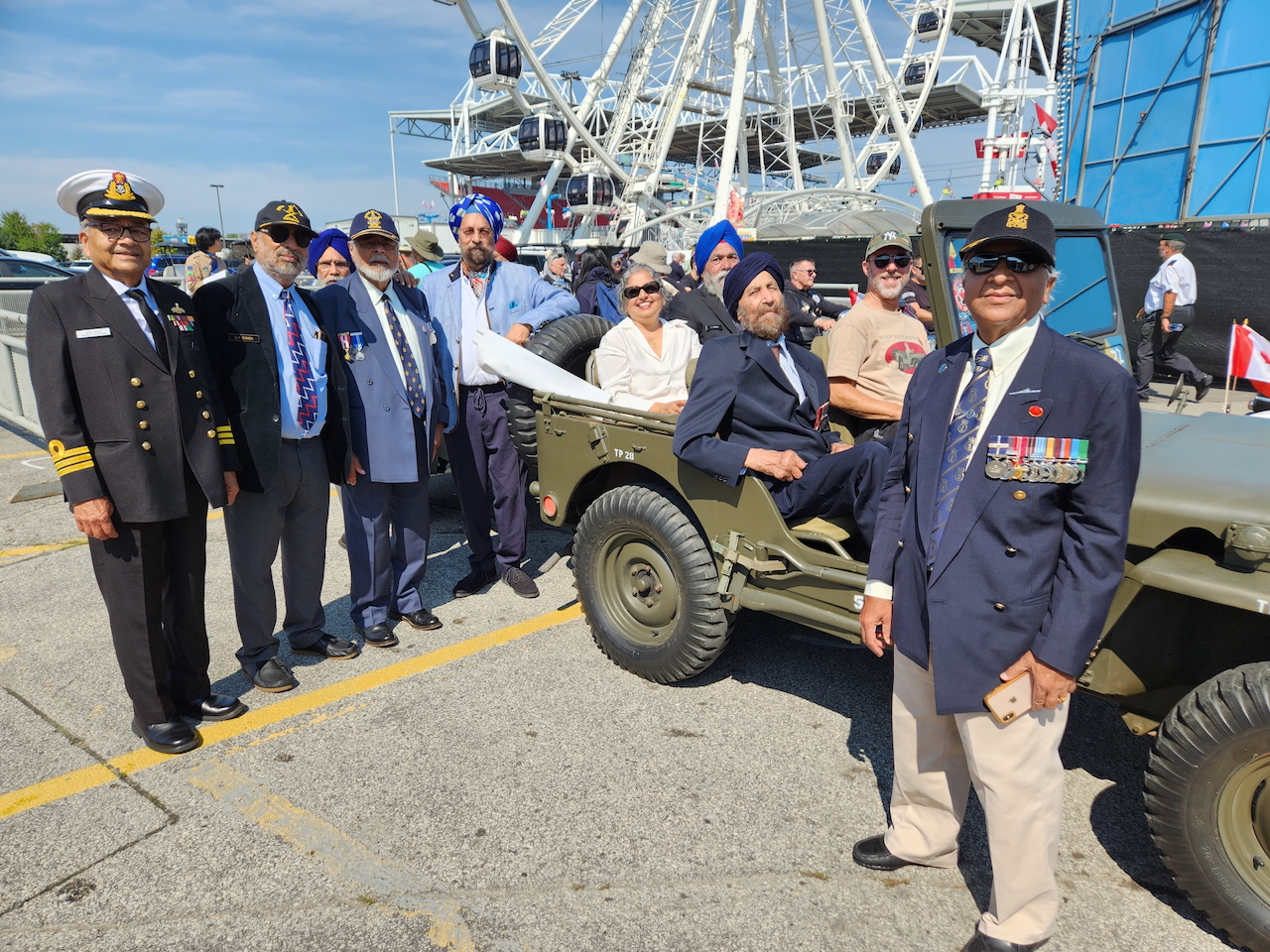
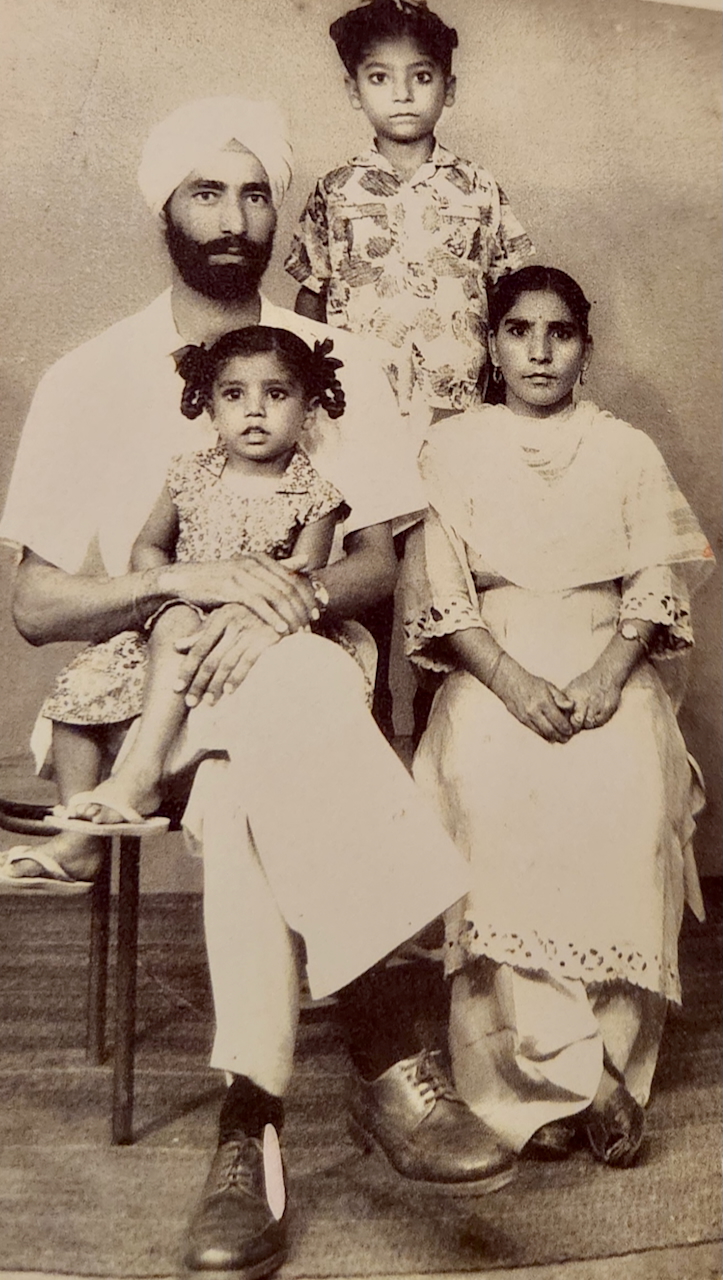
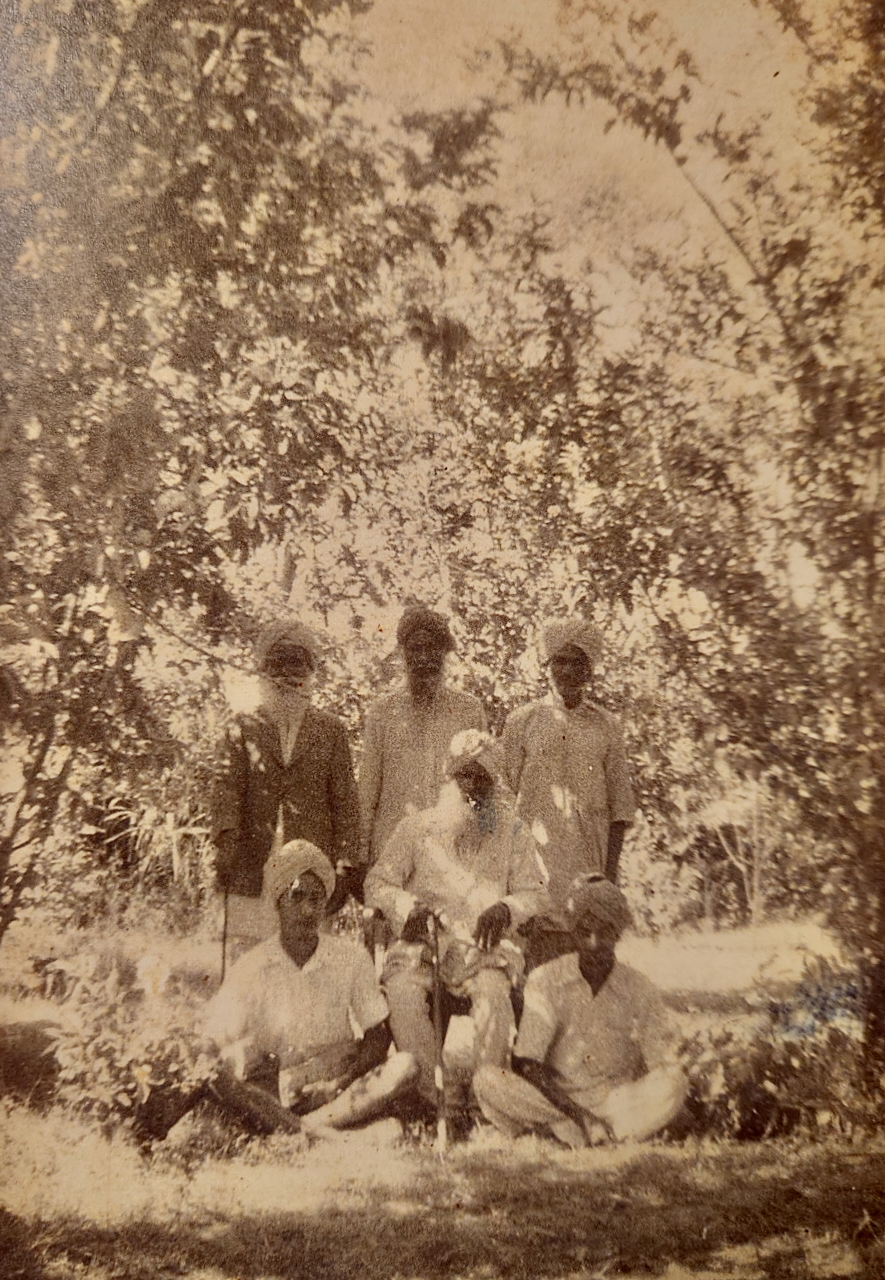
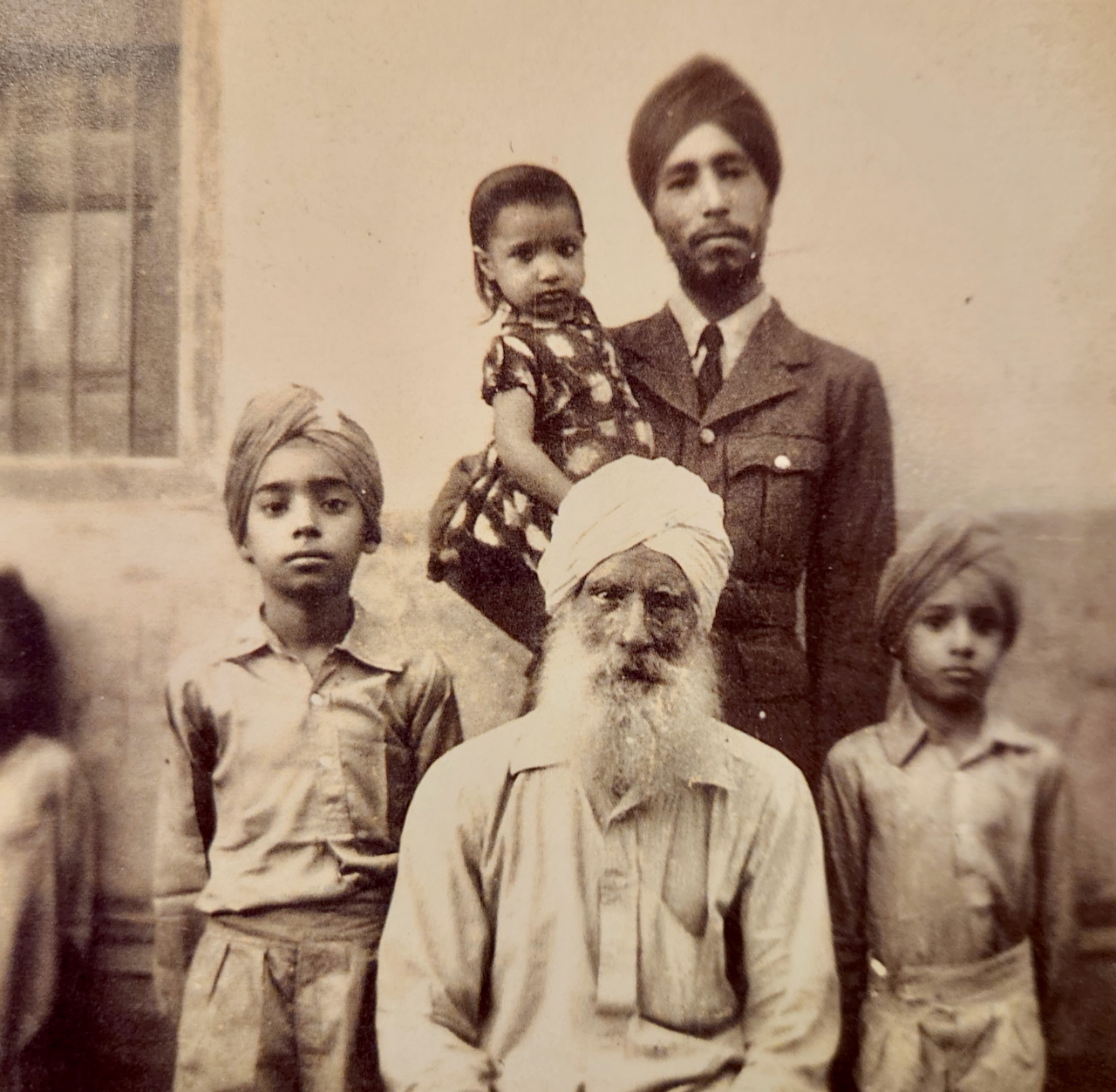
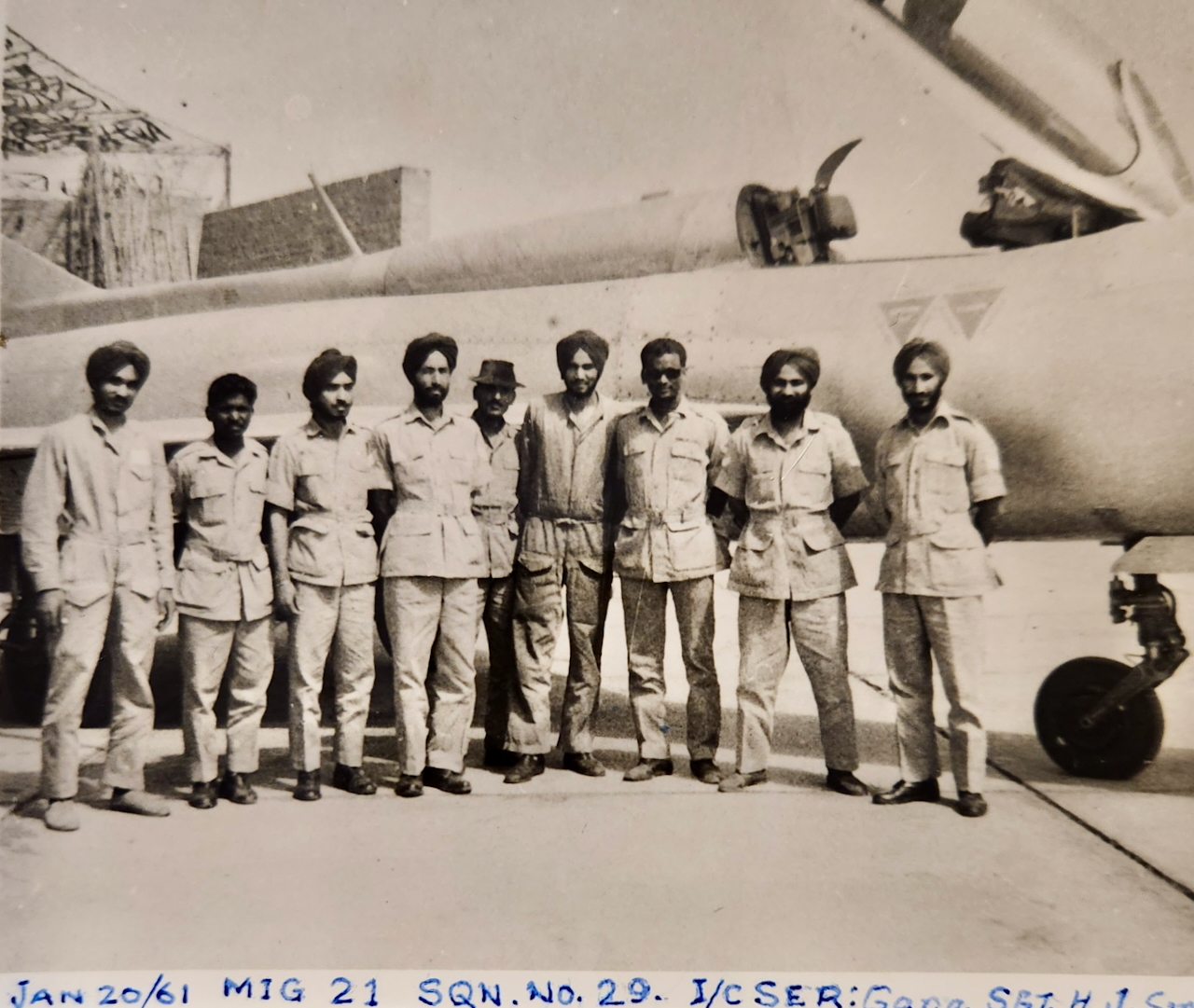
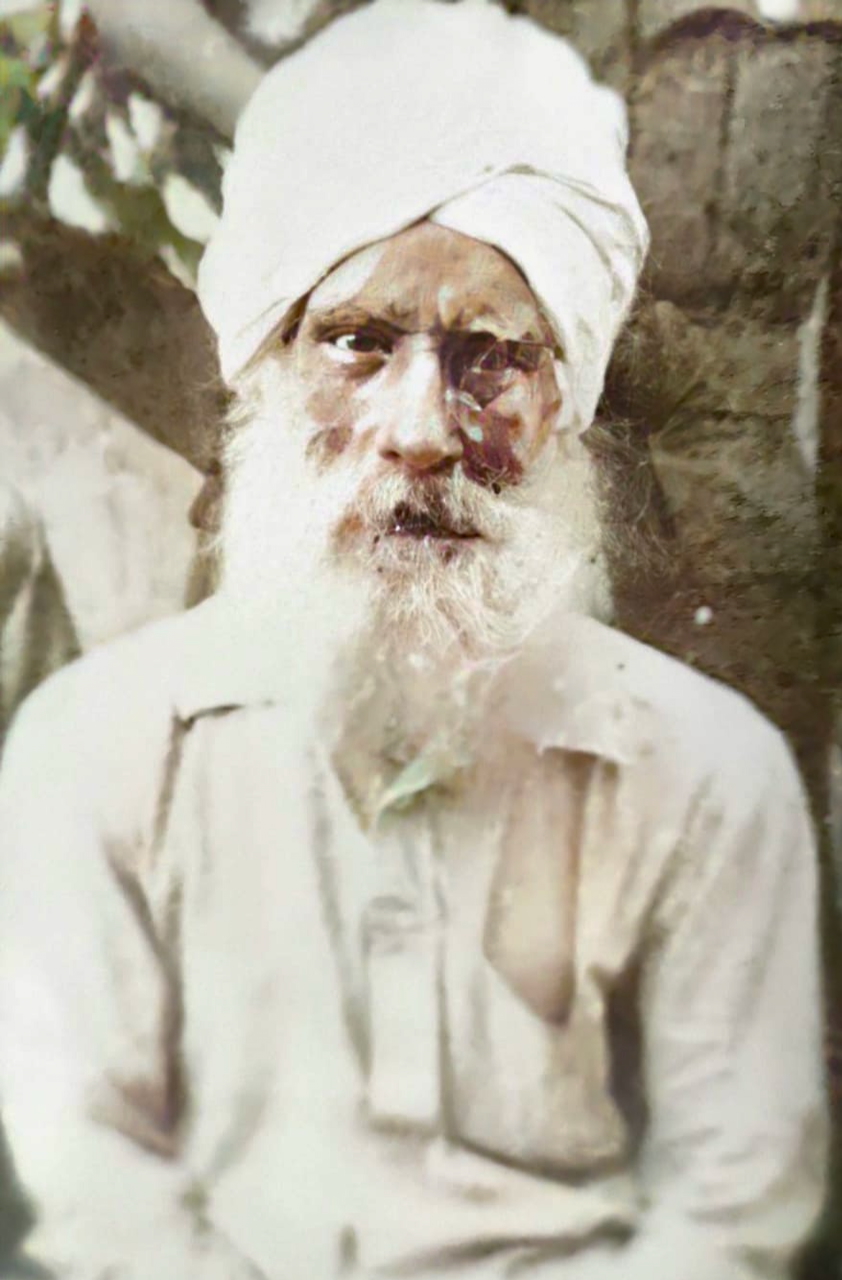
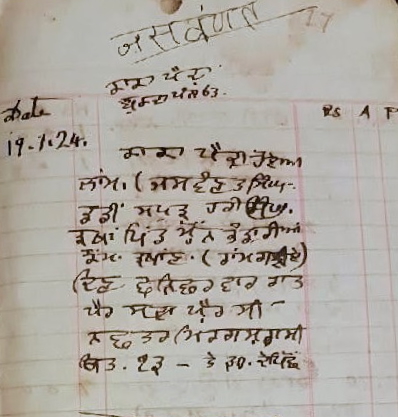
Hari Jaswant Singh was born January 19, 1924 in Lahore, a city that was part of British India at the time and later became part of Pakistan after Partition. His early life was shaped by both the final years of British colonial rule and the outbreak of the Second World War. His family had deep ties to Burma (now Myanmar), where his parents lived and worked before the Japanese invasion in 1942. When Japan attacked Burma, his family — like thousands of others — fled on foot through the dense jungles of Assam, India, a brutal two-month trek marked by exhaustion, disease, and loss. His father, separated during the journey, survived only through extraordinary endurance. At just 17 years old, Hari arrived in India as a refugee. Two years later, he joined the Indian Air Force in 1948, during a period when British officers still oversaw much of its structure. His enlistment came as India transitioned from British rule to independence, meaning he served during a complex moment in Indian history. Hari trained as an aircraft mechanic, working on maintenance and repair. Joining near the end of WWII, he worked alongside veterans and helped to rebuild the Indian Air Force into a post-independence national force. The Partition of India in 1947 was one of the most traumatic events of his life. Hari witnessed horrifying scenes as religious violence swept across Punjab. He stood on a railway bridge and watched as entire trains filled with civilians — Hindus and Sikhs fleeing west, Muslims fleeing east — were ambushed and slaughtered. In the chaos, his own family was divided across the new India-Pakistan border; some relatives were killed while others fled. After Partition, Hari continued serving in the Indian Air Force into the 1950s and 1960s, building a career that lasted over 21 years. He served during the formative years of the Indian Republic, working to develop the country’s early aviation and mechanical infrastructure. After retiring from military service, Hari immigrated to Canada in 1970, settling near Toronto, where he worked as a machinist for the Canadian National Railway (CNR) for two decades. Today, Hari lives with his wife and family in Canada. His story spans colonial India, WWII, Partition, and modern Canadian immigration. Hari was interviewed by Zach Dunn and Scott Masters in November 2025.
Videos
Click next video below to keep watching