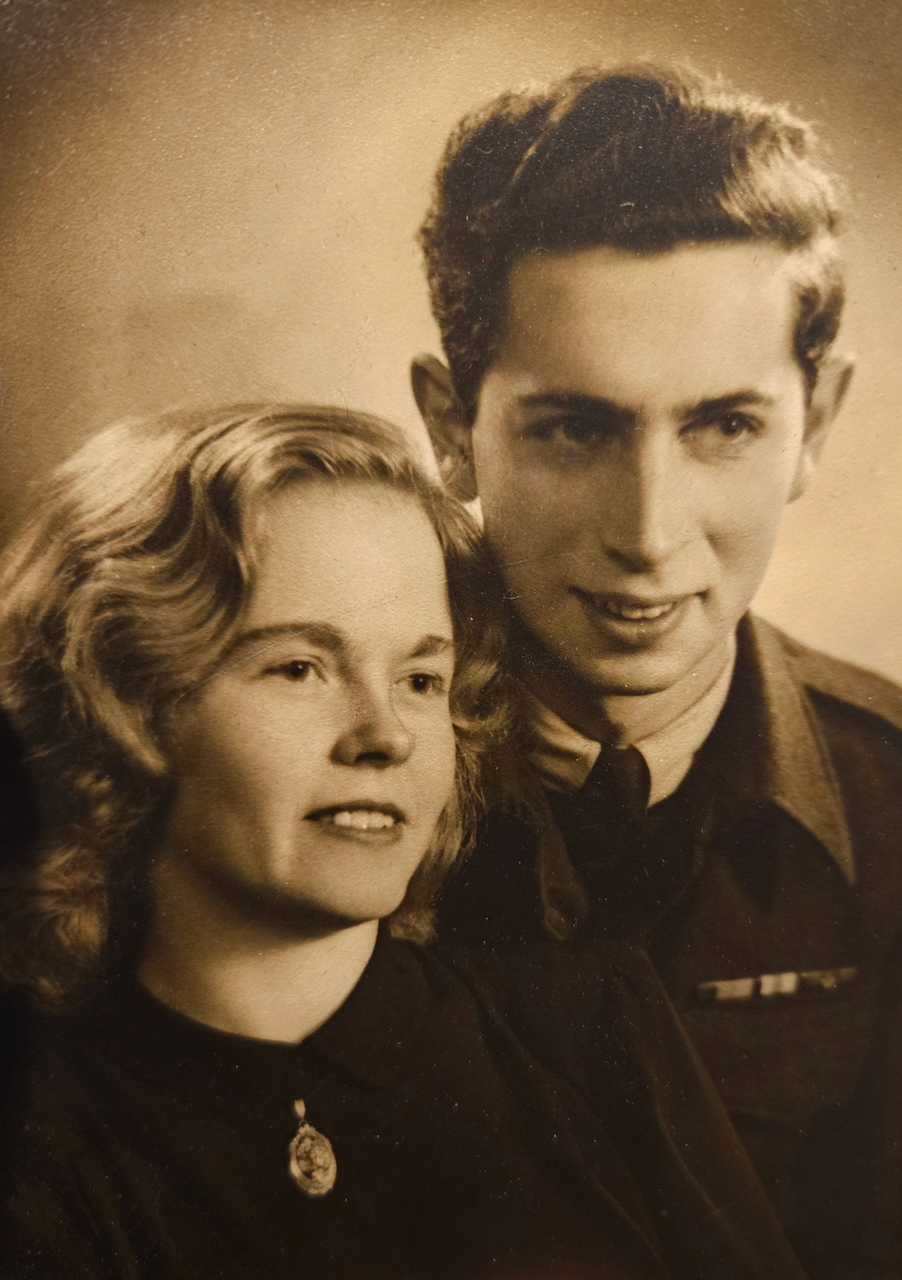
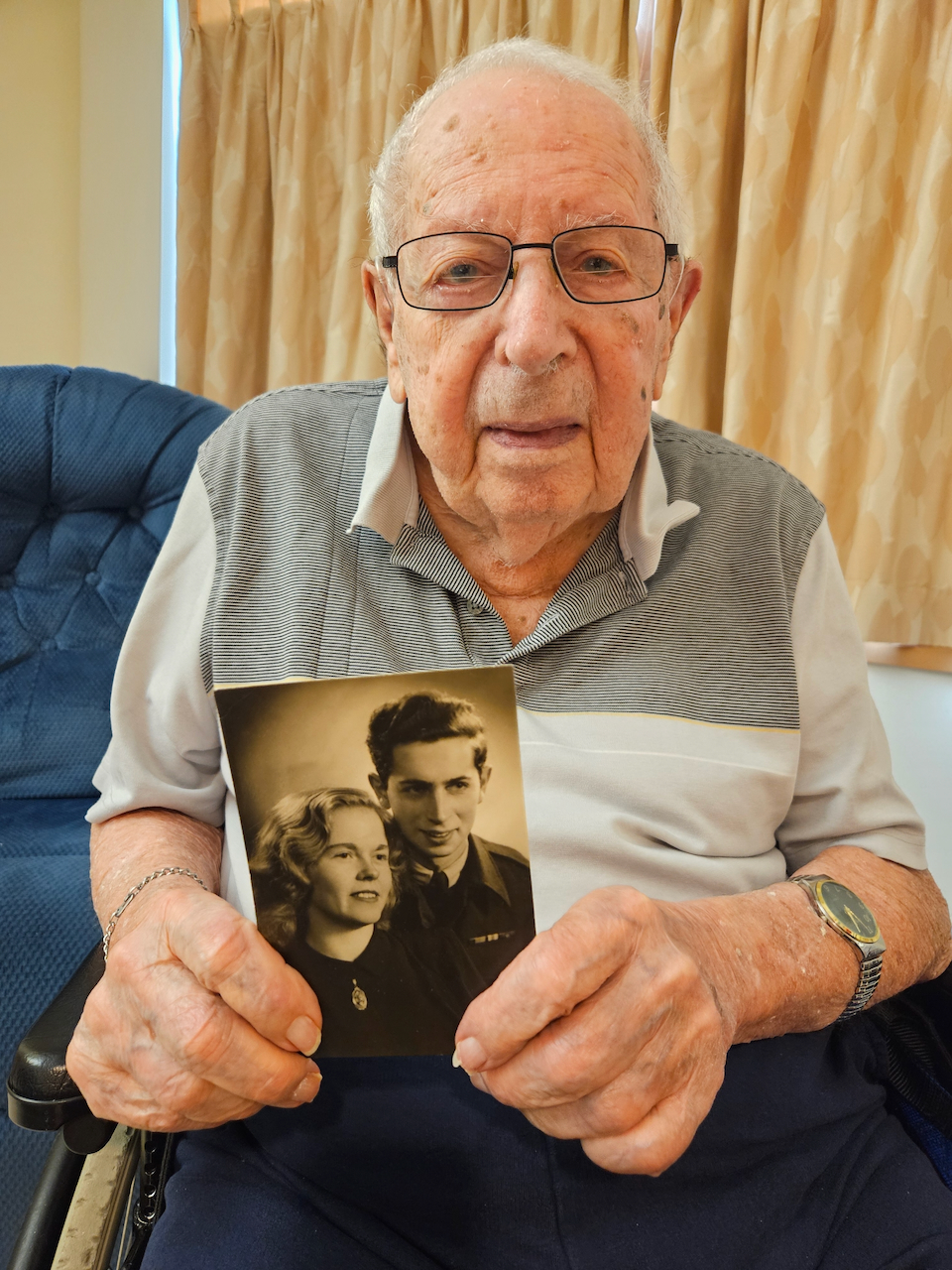
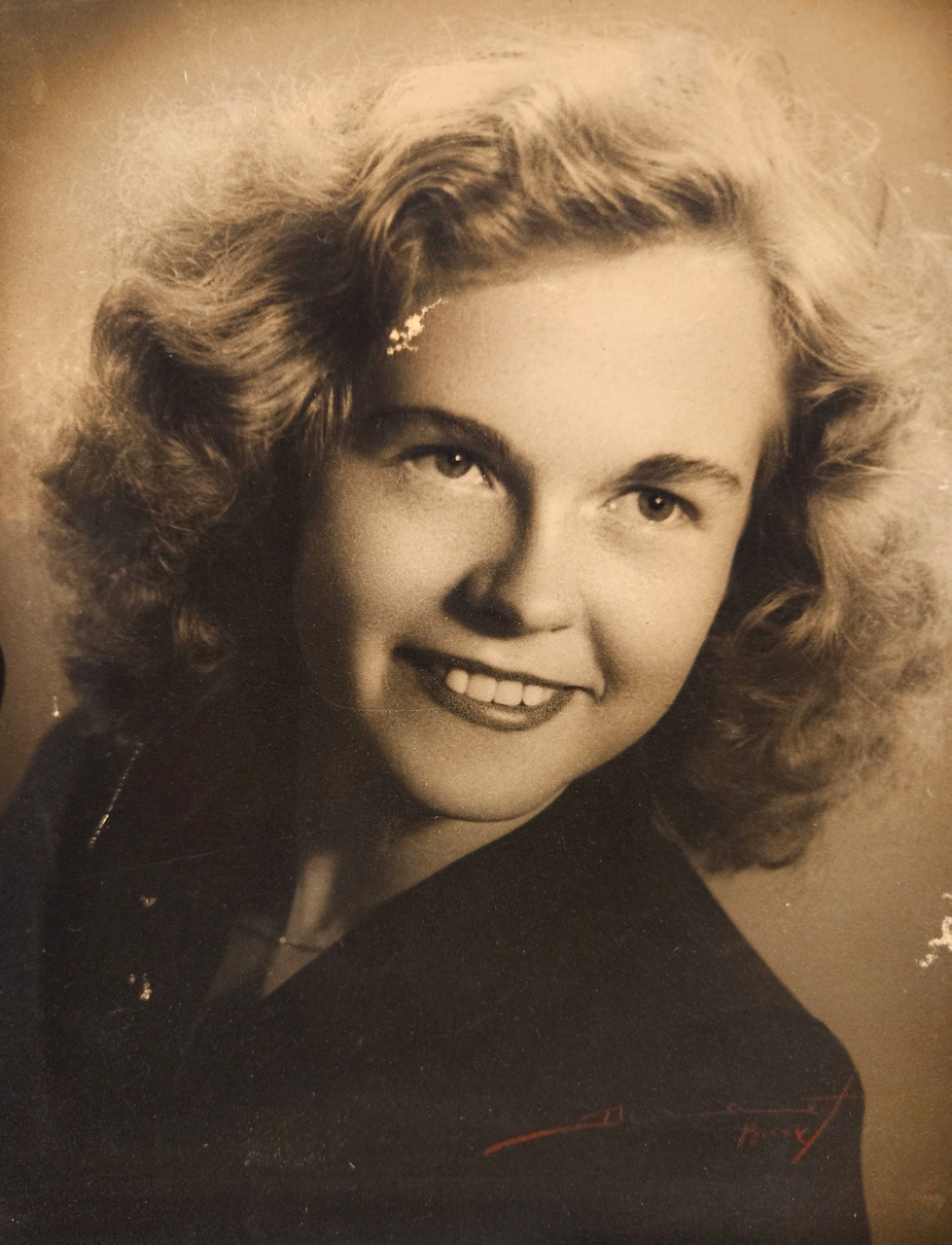
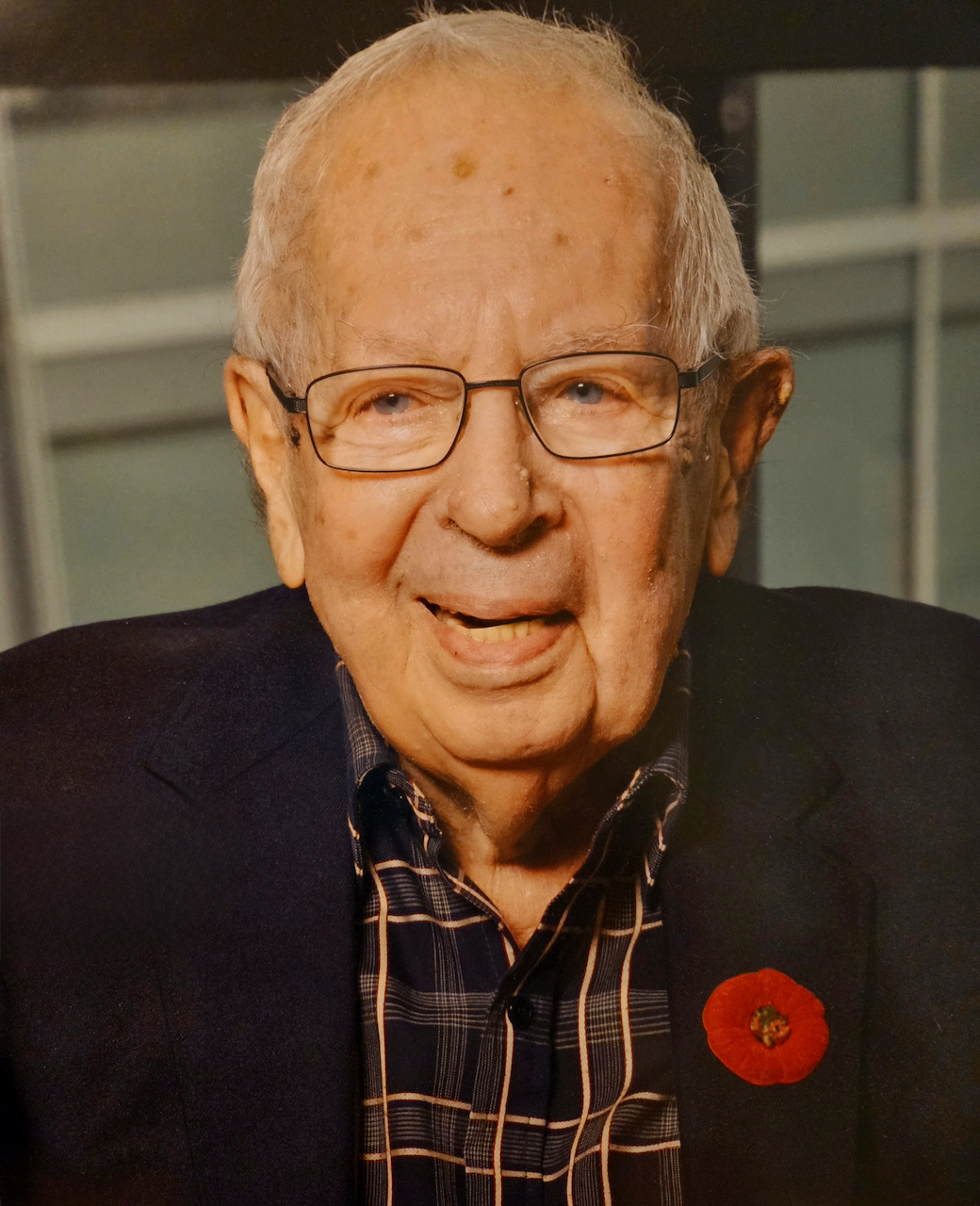
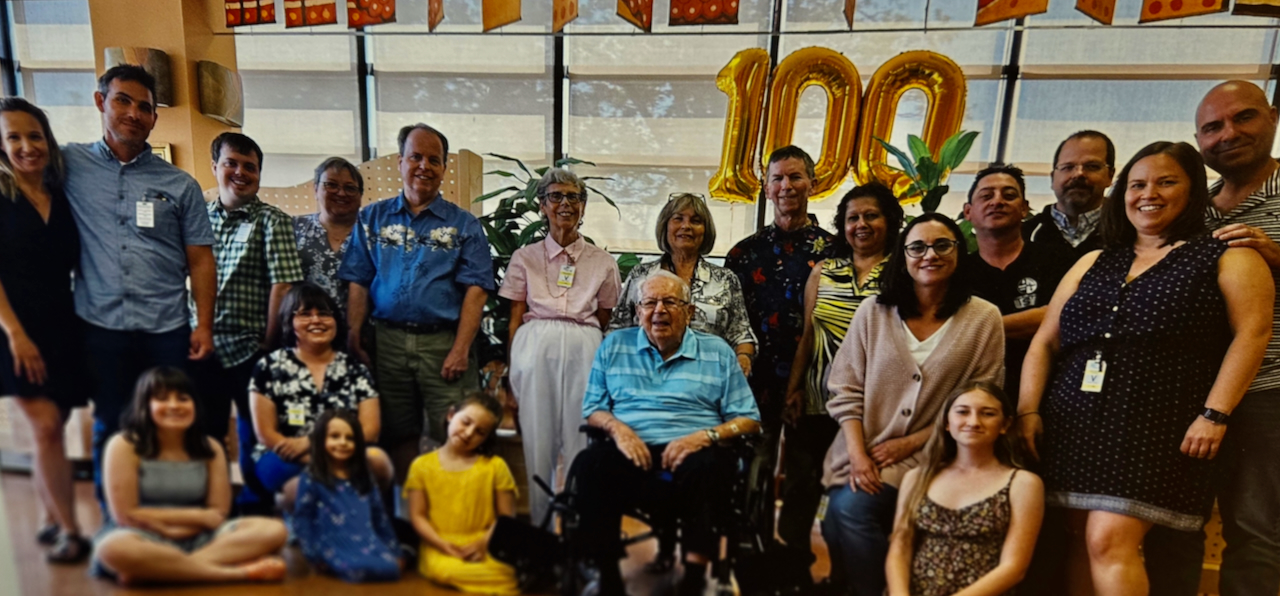
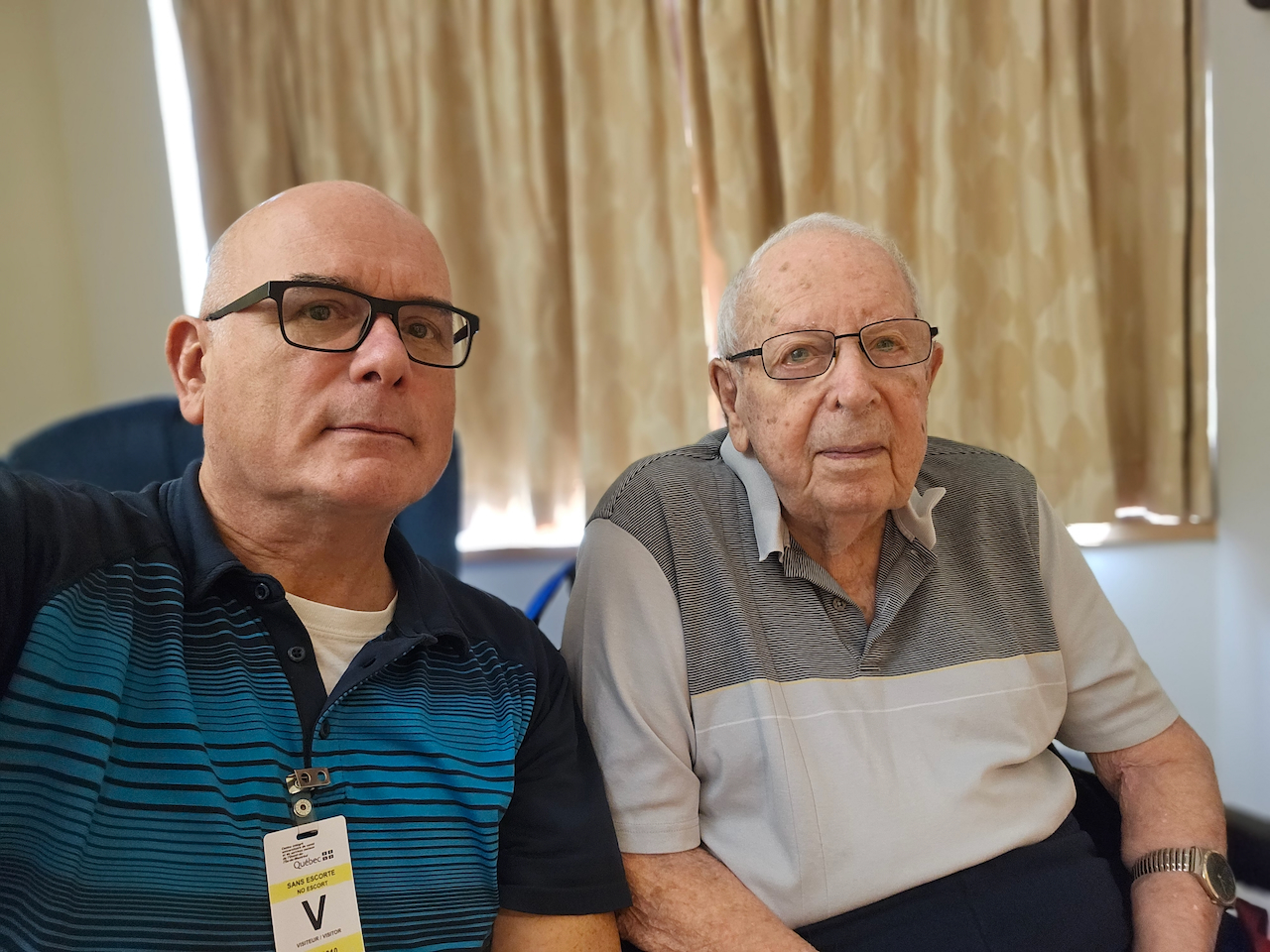
David Barkun was born June 1, 1923 in Montreal. He grew up in the city’s east end, the son of immigrants from Russia who had to Canada in the 1920s to escape antisemitism. David recalls growing up in an English-speaking enclave surrounded by largely French neighbourhoods – and that the two communities did not mix. He went to school and played sports – all the normal things for a boy growing up in Depression-era Montreal. The war came in September 1939, and David recalls that it did not make too much of an impression on him at first, though he and a friend did try to join the Black Watch when he was just 16 – they were turned away. David went into the military when he was 20, and he elected to join the RCAF, where he was trained as an armourer in the ground crew. His first stop in the British Commonwealth Air Training Plan was Mountain View, Ontario, followed by Vancouver, where David volunteered to go to the Far North. He ended up in Umnak, in the Aleutian Islands off Alaska, where he was assigned to 14 Fighter Squadron. The Japanese threat in that area had been neutralized by the time he arrived, so David recalls that there was not much going on. Eventually the call came to go to Europe, and after a long journey David found himself in England, assigned to a Spitfire squadron. This was the time of D-day and after the ground forces established a beachhead, David moved to the continent too, ready to support those advancing armies. His unit was reassigned to the RAF, so David’s squadron followed British armies on the advance across France. When the end of the war came, David was in Brussels, where he met and married Yvette, who would be his wife for the next 73 years. She returned to Canada as a war bride, and the two of them built their lives together in postwar Montreal. David Barkun was interviewed by Scott Masters at his home in Ste-Anne-de-Bellevue, Quebec in March 2026.
Videos
Click next video below to keep watching